
Tokyo & Seoul Street Style Trends: What the World is Wearing Now
Discover the cutting-edge street style trends emerging from Tokyo and Seoul. We're breaking down the key looks, from avant-garde layers to Y2K revivals, that are defining global fashion.
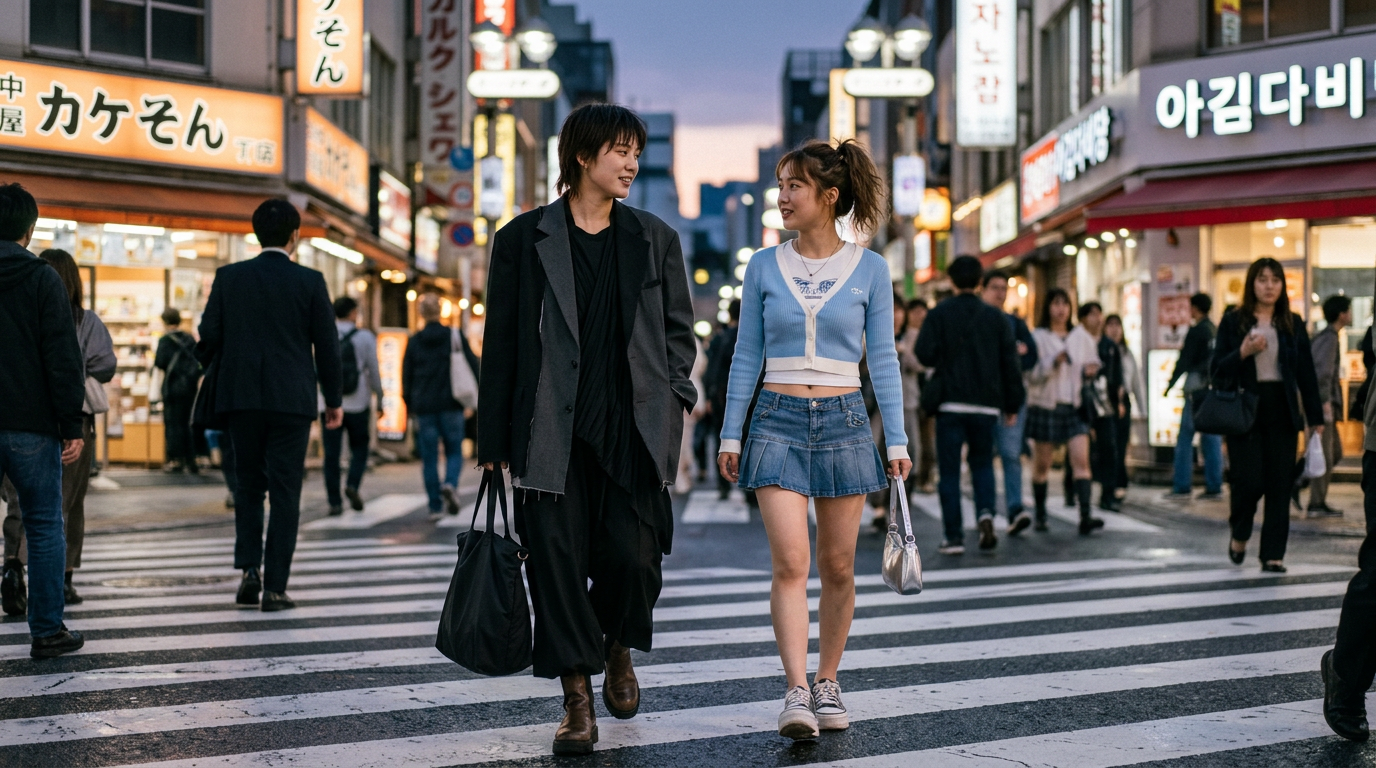
The New Epicenters of Style: Tokyo and Seoul
For decades, the fashion world's compass pointed west, with Paris, Milan, London, and New York dictating the seasonal rhythm of trends. But in recent years, the magnetic north of style has shifted decisively eastward. The most dynamic and influential street style trends from Tokyo and Seoul are no longer niche interests for the fashion-obsessed; they are powerful currents shaping mainstream aesthetics across the globe. From the architectural layers seen in Shibuya to the polished, pop-infused cool of Gangnam, these cities have become vibrant laboratories where the future of fashion is being styled, photographed, and shared in real-time. This isn't just about copying looks; it's about understanding a new philosophy of dress that prioritizes individuality, function, and a playful-yet-considered approach to getting dressed every day.
Deconstruction and the New Minimalism: Tokyo's Architectural Edge
While minimalism often suggests simplicity, Tokyo street style offers a more complex interpretation. Rooted in the avant-garde legacy of designers like Rei Kawakubo of Comme des Garçons and Yohji Yamamoto, this look is about deconstruction, asymmetry, and an appreciation for fabric and form. It’s a thoughtful minimalism that finds beauty in imperfection and intellectual design. On the streets of districts like Aoyama and Daikanyama, you'll see this manifest in oversized silhouettes that play with proportion—a dramatically wide-leg trouser paired with a cropped, boxy jacket, or a classic trench coat re-imagined with unexpected panels and raw edges. The color palette is often muted, dominated by black, white, navy, and khaki, which allows the intricate construction and texture of the garments to take center stage. Brands like Sacai, known for hybridizing classic garments, and Auralee, celebrated for its sublime fabrics, are masters of this aesthetic. This Japanese approach is influencing global fashion by offering an alternative to the stark, clean lines of Scandinavian minimalism, introducing a layer of artistry and intellectual depth to everyday dressing. It’s about creating a powerful statement through silhouette rather than loud prints or logos, a concept that resonates with the growing global desire for [INTERNAL_LINK: investment-worthy-wardrobe-staples].
The K-Pop Uniform: Polished Athleisure and Y2K Revival
If Tokyo's influence is architectural, Seoul's is undeniably pop-cultural. Fueled by the global dominance of K-pop and K-dramas, Seoul's street style is a masterclass in polished, camera-ready looks that blend comfort with high-fashion sensibilities. The “idol off-duty” aesthetic is a significant driver, seen in the perfectly curated airport photos and dance practice videos that go viral worldwide. This look has perfected a unique brand of athleisure that feels more put-together than its Western counterpart. Think less “just left the gym” and more “effortlessly cool creative director.” Key elements include tailored wide-leg sweatpants, crisp oversized t-shirts, structured hoodies, and, of course, the ubiquitous chunky sneaker. Brands like Ader Error have gained a cult following for their playful, deconstructed basics that capture this spirit. Alongside this, Seoul has wholeheartedly embraced the Y2K revival, but with a modern twist. Low-rise cargo pants, baby tees, mini skirts, and colorful accessories are everywhere, styled with a contemporary slickness that avoids feeling like a costume. This blend of nostalgic fun and modern polish is incredibly influential, showing up in collections from Copenhagen to New York and defining the look of a generation that grew up with digital culture.
Techwear and Gorpcore: Where Function Becomes Fashion
A trend that powerfully unites both Tokyo and Seoul is the elevation of technical apparel into high-fashion territory. What started as a niche subculture known as “techwear” has now merged with the broader “gorpcore” movement (named for the trail mix acronym, “Good Ol' Raisins and Peanuts”), bringing outdoor and performance gear into the urban landscape. In Tokyo, with its history of cutting-edge textile innovation and brands like White Mountaineering, this trend has deep roots. It’s about appreciating the sophisticated engineering of a garment—waterproof seams, multi-pocket systems, and breathable fabrics like Gore-Tex are status symbols. In Seoul, this functional aesthetic is integrated seamlessly into daily life. An Arc’teryx shell jacket might be thrown over a hoodie and tailored trousers for a coffee run in Seongsu-dong, blending high-performance gear with casual city style. This isn't just about practicality in unpredictable weather; it's about a shared aesthetic appreciation for garments that are built to last and designed with purpose. The global impact is undeniable, as luxury brands now collaborate with outdoor companies like The North Face and Salomon, and technical details once reserved for mountaineers are now standard features in high-end streetwear. [INTERNAL_LINK: a-guide-to-gorpcore-essentials].
The Gender-Fluid Wardrobe: Redefining Silhouettes
One of the most forward-thinking and significant trends emerging from Tokyo and Seoul is the embrace of gender-fluid dressing. This goes far beyond androgyny; it’s a conscious move to dismantle the traditional boundaries of menswear and womenswear, creating a shared wardrobe where silhouette, fabric, and personal expression reign supreme. In both cities, you’ll see individuals of all genders confidently wearing pieces traditionally assigned to another. This includes:
- Pleated Skirts: Once a staple of Japanese school uniforms, pleated skirts (especially from brands like Homme Plissé Issey Miyake) are now a common sight on men, layered over trousers or worn on their own.
- Oversized Blazers: The drop-shoulder, boxy blazer is a universal staple, worn over everything from dresses to hoodies.
- Wide-Leg Trousers: A universally flattering and comfortable silhouette that has become a cornerstone of the modern wardrobe in East Asia.
- Statement Blouses: Pieces with ruffles, delicate fabrics, or intricate details are no longer confined to womenswear sections.
Accessory Maximalism: The Art of the Finishing Touch
While clothing silhouettes might lean towards minimalism or functionalism, accessories are where Tokyo and Seoul street style often embraces joyful maximalism. The details matter immensely, and a carefully curated collection of accessories can completely transform an otherwise simple outfit into a powerful style statement. This is not about quiet luxury; it's about personality and flair.
Key Accessory Trends
- Statement Eyewear: Brands like South Korea's Gentle Monster have achieved global fame for their avant-garde and oversized sunglasses and optical frames. They are treated as facial architecture, not just a practical item.
- Chunky Silver Jewelry: Both cities have a penchant for bold, sculptural silver. Think heavy chain necklaces, thick rings worn on multiple fingers, and statement cuffs. It adds a touch of punk-inspired edge to any look.
- The Cult Bag: Functionality meets cult status. In Japan, technical bags from brands like Porter are perennial favorites. In Seoul, you'll see a mix of international 'It' bags alongside rising local designers. The bag is a critical component of the overall silhouette.
- Headwear and Charms: Beanies, baseball caps, and bucket hats are ubiquitous. Additionally, there’s a playful trend of adorning bags and phones with keychains, plush toys, and charms—a nod to the kawaii culture of the 90s and 2000s, but re-contextualized for a fashion-forward audience.
From Harajuku to Hongdae: How Local Scenes Go Global
The trends we see are not born in a vacuum; they spring from the unique cultural ecosystems of specific neighborhoods. Tokyo's Harajuku, though evolved from its vibrant subcultural peak, still holds a legacy of fearless experimentation. Today, the energy is more dispersed, with areas like Shimokitazawa, known for its thriving [INTERNAL_LINK: vintage-clothing-stores], offering a more relaxed, eclectic vibe that champions sustainable fashion.
"What happens on a street corner in Seoul's Hongdae district—the way a student layers a vintage jacket over a local designer's hoodie—can be screenshotted, shared, and replicated in Berlin or São Paulo within hours. The speed and reach are unprecedented. These cities are no longer just sources of inspiration; they are the new global trendsetters."In Seoul, the university area of Hongdae is a hub for youthful, indie, and music-driven styles, contrasting with the high-fashion, polished luxury of the Cheongdam-dong and Gangnam districts. The Seongsu-dong neighborhood, often called the “Brooklyn of Seoul,” is a hotbed for emerging designers, concept stores, and galleries, fostering a creative and experimental atmosphere. The magic of the current moment is how these hyper-local scenes are instantly broadcast globally. Through Instagram, TikTok, and street style blogs, a look from a small boutique in Seoul or a vintage find in Tokyo can spark a worldwide micro-trend. This democratization of fashion inspiration means that the next big thing is just as likely to come from a student in Seoul as it is from a runway in Paris.
Conclusion: Your Wardrobe, Your World
The street style trends from Tokyo and Seoul offer a rich and diverse tapestry of ideas that are redefining modern fashion. They teach us to appreciate the art in a garment's construction, to find joy in nostalgic references, to demand functionality from our clothes, and to express our identities beyond outdated binaries. The fusion of considered minimalism with playful maximalism, and technical performance with everyday life, provides a blueprint for a wardrobe that is both intelligent and exciting. As these cities continue to innovate, their influence on our closets is only set to grow. The most important takeaway is the spirit of individuality and thoughtful curation. It's an invitation to experiment, to mix and match, and to build a personal style that feels both globally relevant and uniquely you.
What trends from Tokyo and Seoul are you most excited to try? Share your favorite looks and style inspiration in the comments below!
Keep reading
Global Sustainable Fashion Brands Changing the Industry
More than a trend, sustainable fashion is a global movement. Explore the innovative sustainable fashion brands leading the charge, from Patagonia's activism to Veja's transparent supply chains.
Sustainable Fashion Brands Making a Global Difference
Tired of fast fashion? We spotlight the innovative and ethical sustainable fashion brands from around the world that are reshaping the industry for the better.
Paris Fashion Week 2025 Key Trends: The Future of Style
The runways of Paris have spoken. From the return of structured elegance to artisanal tech, we’re breaking down the definitive Paris Fashion Week 2025 key trends that will shape wardrobes worldwide.