
Street Style Trends from Tokyo and Seoul: The Global Fashion Shift
Discover how the visionary street style trends from Tokyo and Seoul are redefining global aesthetics, bridging subcultural experimentation with hyper-refined urban silhouettes.
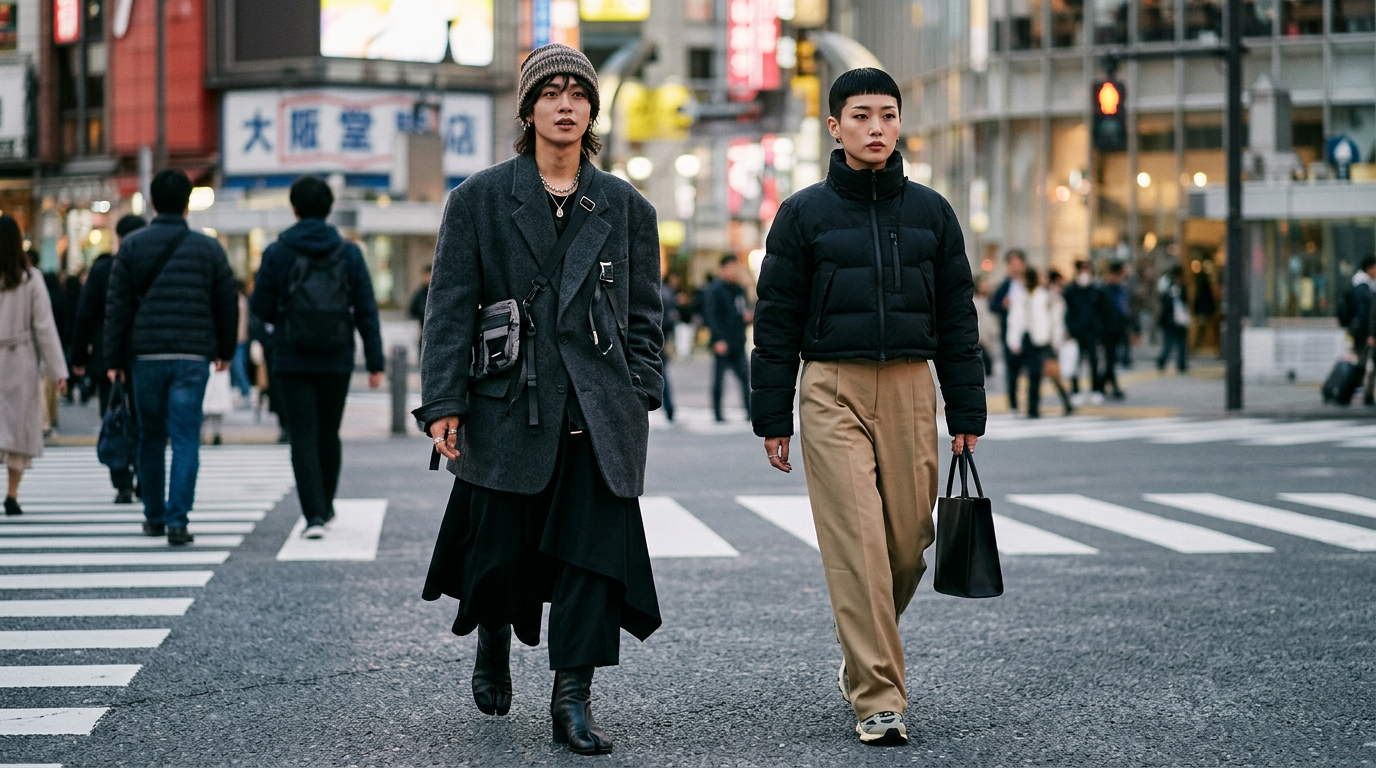
Step out into Shibuya Crossing on a rainy Tuesday evening or wander through the converted red-brick warehouses of Seongsu-dong on a Saturday afternoon, and the shifting geography of contemporary fashion becomes immediately apparent. For decades, Western fashion capitals held an undisputed monopoly on trend forecasting. Today, the most magnetic, boundary-breaking street style trends from tokyo and seoul are setting the pace for international wardrobes from London to São Paulo. Rather than merely copying Western heritage, East Asia’s style capitals have transformed into self-sustaining aesthetic incubators whose influence ripples through luxury showrooms and independent boutiques worldwide.
The Dual Epicenters: Deconstructing Tokyo Eclecticism vs. Seoul Precision
While Western media often groups East Asian fashion into a single monolith, the aesthetic philosophies of Tokyo and Seoul are distinctly independent, shaped by divergent historical developments and cultural temperaments. Tokyo’s street culture is rooted in deep subcultural stratification, archival obsession, and unapologetic eclecticism. From the foundational Urahara movement of the 1990s—which birthed icons like Undercover, A Bathing Ape, and Neighborhood—to the romantic, vintage-heavy lanes of Shimokitazawa, Tokyo dressing embraces the tactile charm of worn fabrics, intentional clashes, and radical individualism.
Seoul, by contrast, operates on razor-sharp visual velocity. Propelled by the stratospheric rise of K-pop, digital-first retail platforms like Musinsa, and an intensely image-conscious urban culture, Seoul street style prioritizes pristine silhouettes, high-gloss contemporary streetwear, and hyper-curated proportion play. Where a Tokyo dresser might spend years hunting for an obscure 1980s Yohji Yamamoto coat to pair with beat-up climbing shoes, a Seoul fashion enthusiast in Hannam-dong excels at assembling clean, forward-thinking looks using cutting-edge domestic labels like Ader Error, Andersson Bell, and Thug Club.
Despite these differences, the two cities share a refusal to treat garments as passive consumer goods. Instead, their inhabitants approach clothing as an active architectural project. This shared dynamism explains why global buyers, stylists, and digital tastemakers monitor both cities far more closely than the classic ready-to-wear runways of Milan or Paris. Discover how subcultural hubs influence high fashion in our [INTERNAL_LINK: global streetwear evolution] overview.
Hyper-Functional Outerwear: Techwear Meets Heritage Craft
Functional outerwear has ceased to be an outdoor necessity; it is now an indispensable pillar of modern metropolitan dressing. The East Asian interpretation of utility departs radically from classic North American outdoor styling. In Tokyo, labels like White Mountaineering, And Wander, and Norbit by Hiroshi Nozawa fuse tactical Gorpcore elements with intricate textile craft, Japanese sashiko stitching, and waterproof membranes.
Seoul takes technical garments down a distinctly post-apocalyptic, cyber-minimalist route. Brands like Post Archive Faction (PAF) and San San Gear construct jackets characterized by kinetic zippers, asymmetrical panelling, and fluid wind-resistant fabrics. These pieces are not meant for mountain summits; they are designed for subterranean metro stations, neon-lit crosswalks, and long gallery nights.
Globally, this approach has revolutionized city wardrobes. Street style crowds in Berlin, Copenhagen, and Toronto now routinely integrate tactical cargo harnesses, modular utility vests, and technical shell jackets over crisp poplin shirts or pleated trousers. The trick lies in balancing utilitarian ruggedness with refined tailoring, avoiding the trap of looking like you are preparing for a wilderness trek when simply commuting across town.
The Architecture of Proportion: Wide-Leg Silhouettes and Skirt Layering
If there is one technical hallmark unifying Tokyo and Seoul, it is a total mastery over scale and silhouette. Skinny denim and hyper-tailored trousers vanished from these streets long before their eventual decline in the West. In their place, oversized cuts, pooled hems, and multi-layered hemlines have become the default aesthetic vocabulary.
Redefining the Lower Body Silhouette
In Harajuku and Omotesando, ultra-wide trousers inspired by traditional Japanese hakama create flowing, dynamic lines with every stride. Stylists and pedestrians frequently layer skirts or pleated aprons over straight-leg denim, challenging traditional gender norms and introducing unexpected movement to everyday outfits. In Seoul’s Hongdae district, baggy cargo pants and flared sweatpants pooled over thick-soled footwear deliver an effortlessly relaxed, low-slung demeanor.
To master extreme proportions without overwhelming your frame, adopt the following structural approaches observed across Harajuku and Gangnam:
- Anchor with intentional footwear: Wide, flowing hems demand substantial soles. Chunky derbies, architectural platform sneakers, or square-toed leather boots keep wide fabrics from dragging awkwardly on city pavement.
- Employ deliberate contrasts: Balance sweeping, voluminous trousers with a cropped leather jacket, a boxy baby tee, or a structured, nipped-waist blazer to maintain visual balance.
- Embrace strategic layering: Introduce vertical dimension by layering a lightweight wrap skirt or pleated kilt over distressed denim, keeping the color palette monochromatic to emphasize textural rhythm over chaotic contrast.
Subversive Tailoring and Deconstructed Suiting
Formal suiting has undergone an invigorating reinvention on the streets of East Asia. Rather than discarding traditional tailoring, Tokyo and Seoul have liberated it from corporate confines, producing garments that feel rebellious, relaxed, and deeply artistic.
"True street style in East Asia is not about throwing on luxury logos; it is an exercise in cultural remixing—taking rigid codes like British tailoring or American military garb and re-engineering them with absolute disregard for their original rules."
In Seoul, tailoring is clean yet dramatically distorted. Designers like Juun.J and Wooyoungmi have long pioneered dropped shoulders, elongated lapels, and double-breasted jackets engineered with downy softness. Young creatives frequently pair structured formal blazers with distressed track pants, graphic hoodies, or washed-out skate tees, subverting the corporate uniform into an expression of leisurely defiance.
Tokyo’s tailoring takes a more deconstructive, cerebral route. Deeply influenced by the structural interventions of Rei Kawakubo and Yohji Yamamoto, pedestrians combine unlined wool blazers with raw-edge linen coats, raw-hem shirting, and asymmetric fastenings. Suiting ceases to signal prestige or workplace conformity; it becomes a dynamic canvas for artistic expression. Read more about structural tailoring shifts in our breakdown of [INTERNAL_LINK: modern tailoring innovations].
Footwear Innovations: Hybrid Runners, Tabi Boots, and Heavy Mules
Nowhere is the inventiveness of Tokyo and Seoul street style clearer than in footwear curation. Rather than relying purely on standard, hype-driven retro basketball sneakers, pedestrians across both cities champion sculptural, hybrid silhouettes that spark curiosity.
In Tokyo, the iconic split-toe Maison Margiela Tabi—originally inspired by traditional 15th-century Japanese work socks—remains an enduring status symbol, styled with everything from vintage work jackets to avant-garde dresses. Running footwear from Salomon, Asics, and Roa Hiking is worn not for track workouts, but as an aesthetic counterpoint to tailored wool trousers and silk maxi skirts.
Seoul’s footwear landscape leans heavily into exaggerated bulk and geometric leather. Chunky platform mules, brushed-leather creepers, and futuristic, aerodynamic sneakers dominate districts like Itaewon and Sinsa-dong. These shoes are chosen specifically for their ability to balance the expansive proportions of wide-leg trousers and voluminous padded parkas, delivering a grounded, commanding silhouette.
The Subcultural Magnetism of Neo-Vintage and Archival Fashion
The contemporary street scenes of Tokyo and Seoul are underpinned by an obsessive reverence for archival garments and curated secondhand hunting. Tokyo’s Koenji and Shimokitazawa neighborhoods function as living fashion museums, boasting shops packed with curated 1970s Americana, military deadstock, and rare early-2000s archival collections from Number (N)ine, Issey Miyake, and Undercover.
Korean youth have developed their own distinctive secondhand ecosystem around locations like the sprawling Dongmyo Flea Market in Seoul. Here, emerging designers and stylish university students dig through literal mountains of vintage clothing, seeking 1990s sportswear, vintage leather blazers, and retro graphic windbreakers to recontextualize within modern, minimalist wardrobes.
This commitment to archival hunting offers a compelling, sustainable alternative to fast-fashion cycles. Global street style has taken note: in cities like New York and Melbourne, young consumers increasingly reject mass-produced drops in favor of carefully curated, historical garments that tell a tangible story. Learn more about navigating vintage shopping like an expert in our guide to [INTERNAL_LINK: sustainable vintage luxury].
Global Cultural Spillover: How the East Shapes Western Wardrobes
The stylistic resonance of Tokyo and Seoul is no longer confined to local sidewalks. Through the visual engines of social platforms, fashion week street style photography, and the international popularity of K-dramas and anime, East Asian street aesthetics have permeated global consumer consciousness.
International luxury fashion houses increasingly look to East Asia not just for commercial revenue, but for raw creative inspiration. Brands like Louis Vuitton, Dior, and Loewe routinely tap Japanese graphic designers, Seoul-based creative collectives, and K-pop icons to direct creative campaigns and collaborate on limited collections. The visual vocabulary pioneered in Harajuku and Dongdaemun now appears on runways in Paris and streets in Lower Manhattan.
To summarize how these regional trends are currently transforming global street style, consider these core crossovers:
- The Normalization of Skirt Layering: Pleated skirts and kilts over denim have migrated from Tokyo subcultural alleys to mainstream menswear collections across Western Europe.
- The Shift in Pant Proportions: The global abandonment of skinny denim in favor of puddle-hemmed, pleated trousers traces directly back to street codes established in Seoul and Tokyo over a decade ago.
- Technical and Heritage Mashups: Combining high-tech Gore-Tex shells with artisanal raw denim or Japanese boro textiles has become an international standard for elevated urban dressing.
- The Elevation of Domestic Cult Labels: Korean and Japanese independent brands now share retail floor space with heritage European fashion houses in high-concept department stores worldwide.
How to Integrate Tokyo and Seoul Street Style Into Everyday Dressing
Adopting elements from East Asian street style does not require an entire wardrobe overhaul or head-to-toe runway ensembles. The true spirit of this movement lies in intentional experimentation, textural contrast, and thoughtful proportions. You can easily incorporate these design philosophies into your existing daily wardrobe.
Begin by reconsidering how your garments fit together. If your usual daily uniform consists of a simple crewneck sweater and straight jeans, try swapping in an oversized, dropped-shoulder knit layered over an extended white t-shirt, paired with wider-cut pleated chinos. Introduce an unexpected pair of technical trail runners or chunky platform loafers to shift the outfit’s center of gravity.
Next, focus on curated layering. Experiment with putting a tailored wool blazer over an athletic zip hoodie, or pairing a rugged military utility jacket with crisp, formal dress trousers. By breaking free from conventional styling guidelines and balancing relaxed comfort with intentional structure, you capture the fearless, imaginative energy that makes Tokyo and Seoul the most thrilling fashion laboratories in the world today. Explore your own signature silhouette and redefine your personal style with these East Asian design principles.
Keep reading
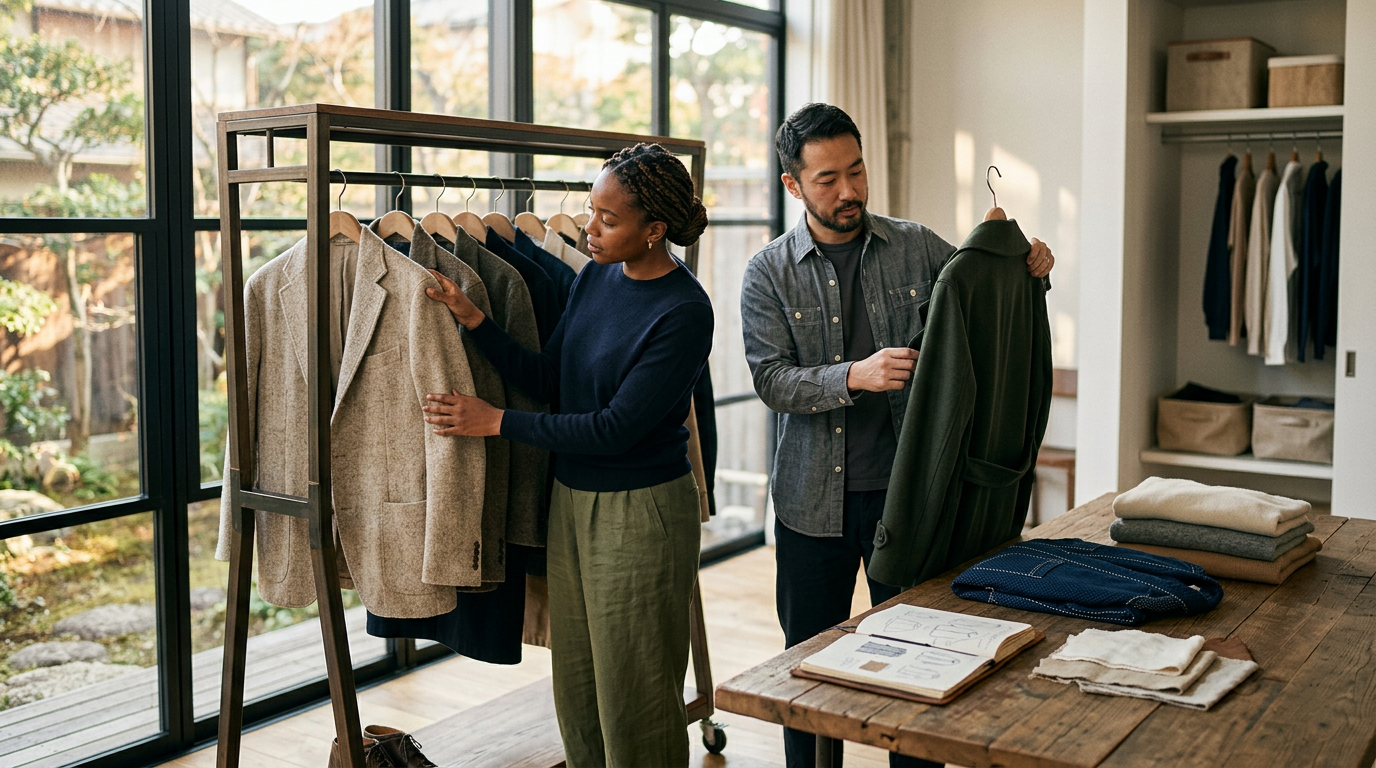
How to Build a Capsule Wardrobe: A Global Guide to Intentional Style
Master the art of intentional dressing. Discover how to build a capsule wardrobe that transcends regional trends, seasonal shifts, and fleeting fashion cycles.
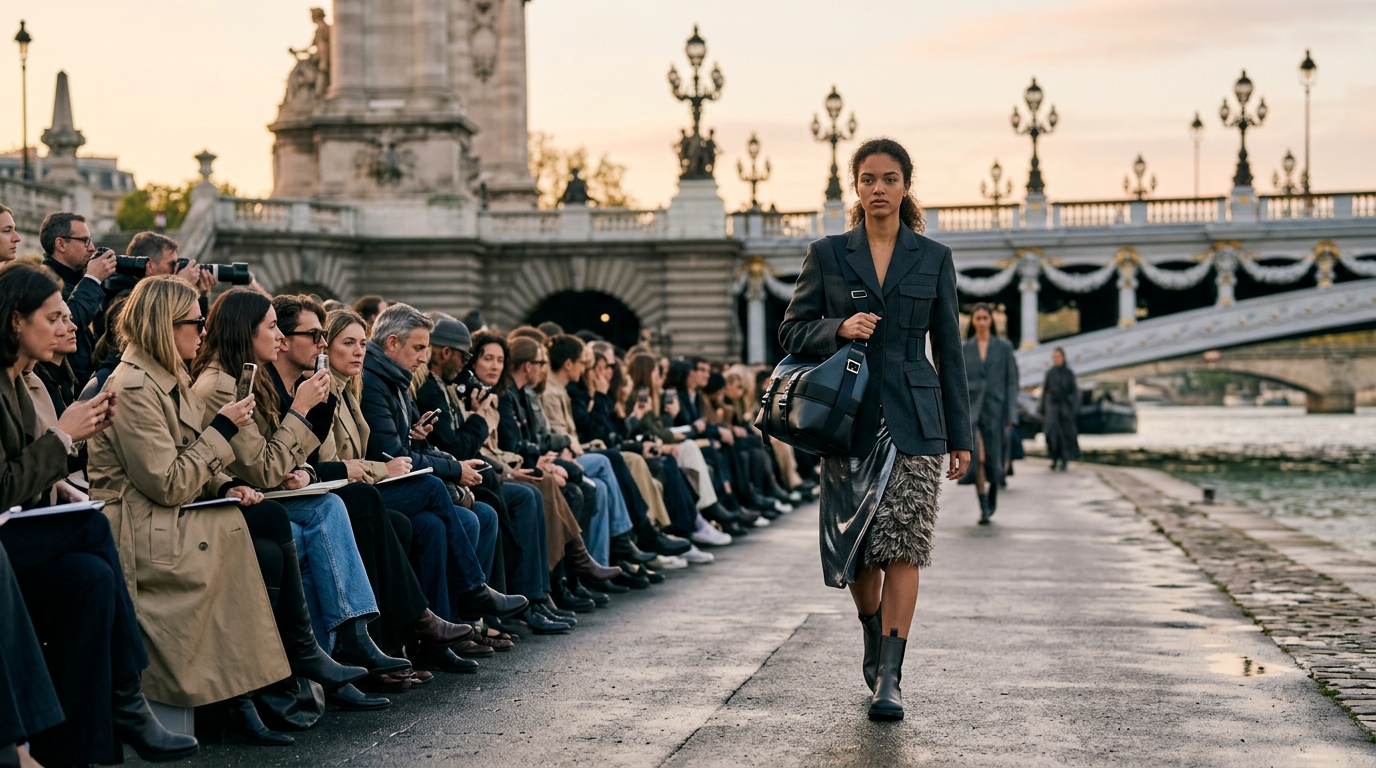
Paris Fashion Week 2025 Key Trends: The Global Runway Report
From radical minimalism to artisanal heritage, explore the definitive Paris Fashion Week 2025 key trends shaping fashion markets worldwide this season.
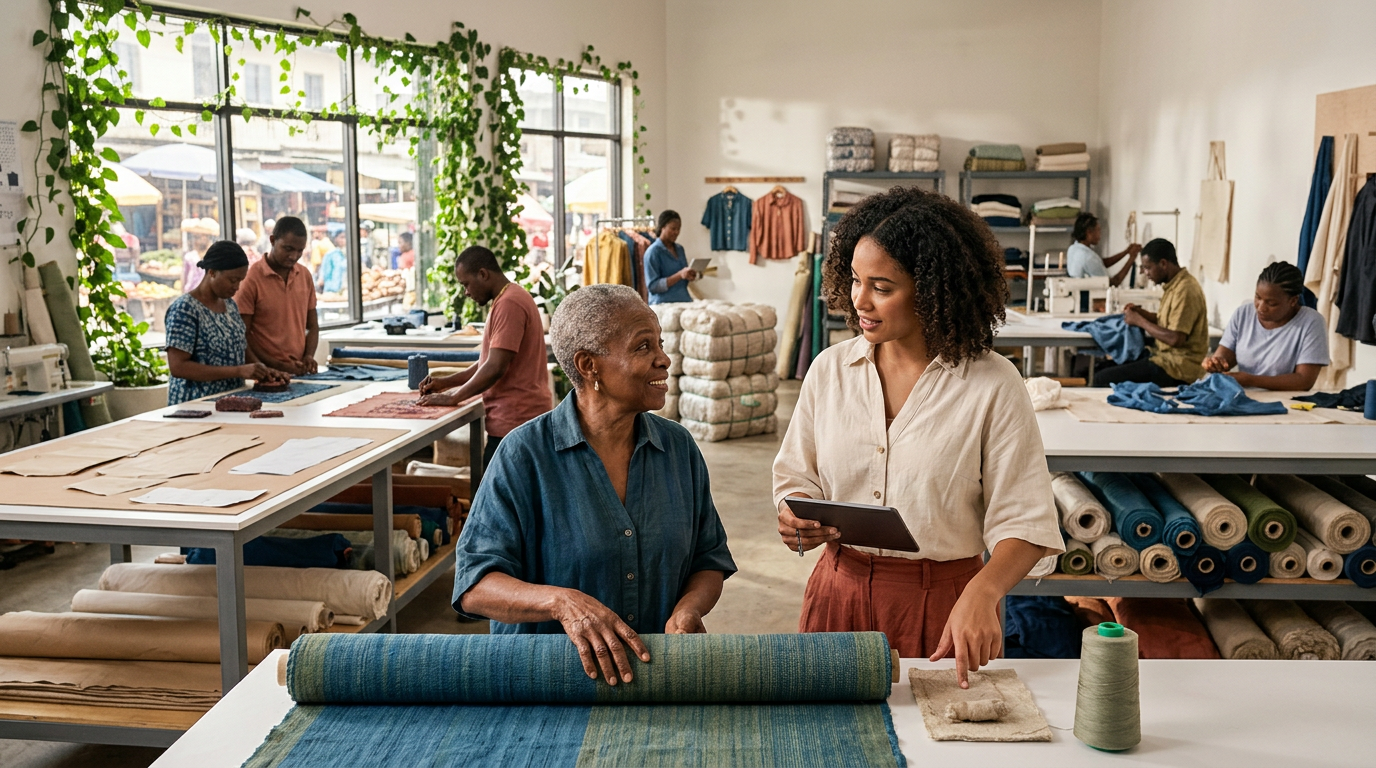
Global Sustainable Fashion Brands Changing the Industry
More than a trend, sustainable fashion is a global movement. Explore the innovative sustainable fashion brands leading the charge, from Patagonia's activism to Veja's transparent supply chains.