
Paris Fashion Week 2025 Key Trends: The Global Runway Report
From radical minimalism to artisanal heritage, explore the definitive Paris Fashion Week 2025 key trends shaping fashion markets worldwide this season.
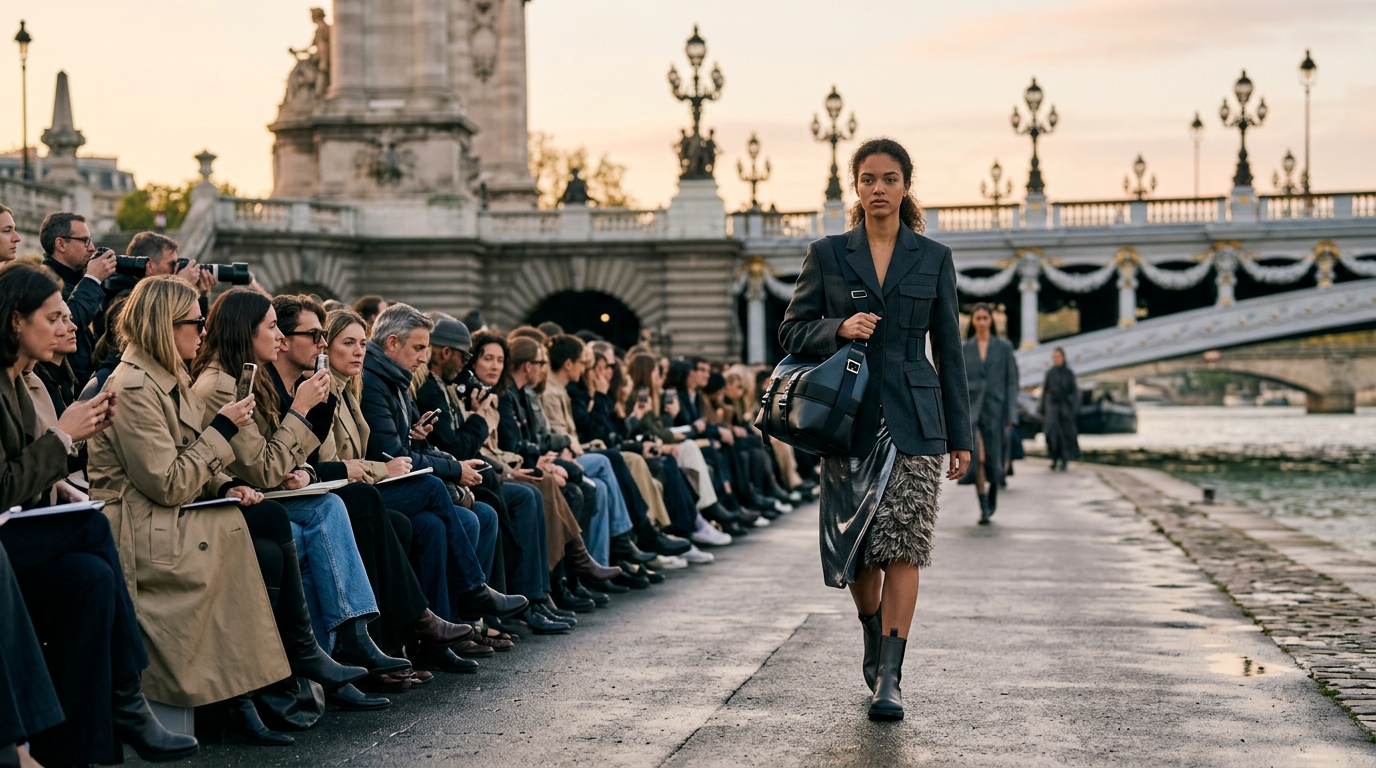
The dawn light spilling over the Pont Alexandre III signaled more than just another runway cycle this season; it heralded a fundamental recalibration of modern luxury. As buyers, editors, and cultural commentators gathered beneath the gilded cornices of the Grand Palais and raw industrial spaces along the Seine, the paris fashion week 2025 key trends proved that international design houses are moving away from ephemeral social media gimmicks to embrace tactile substance, technical precision, and cross-cultural dialogue. In an era where fashion consumers from Seoul to São Paulo demand authenticity over algorithmic novelty, Paris responded with garments that command physical presence.
This season served as a mirror to our shifting global consciousness. Creative directors confronted geopolitical tensions, climate accountability, and cultural exchange with an unexpected antidote: uncompromising mastery of form. Rather than offering fleeting spectacle, the collections delivered rigorous statements on how we will dress, work, and move across international metropolises in the coming year. Here is your definitive, forensic breakdown of the movements defining the international fashion landscape.
1. Architectural Minimalism and the New Anatomy of Tailoring
Tailoring has officially discarded the slouchy, unconstructed comfort of recent post-pandemic seasons. Across Parisian runways, designers embraced razor-sharp discipline, borrowing technical cues from brutalist architecture and mid-century industrial design. Shoulders were neither cartoonishly oversized nor entirely soft; instead, they featured cantilevered, sculpted headers that created a commanding silhouette without restricting natural movement.
At houses like Balenciaga and Saint Laurent, jackets were drafted with high armholes, elongated torsos, and suppressed waists that draw direct parallels to classic 1950s couture technique, updated through lightweight internal canvassing. This is not corporate uniforming—it is personal armor engineered for the international boardroom and gallery spaces alike. The trend has found immediate resonance across Asian luxury hubs, where tailoring traditions in Tokyo's Ginza district and Seoul's Gangnam quarter have long revered exactitude.
Key Architectural Tailoring Indicators
- Cantilevered Shoulders: Precise, structural pads that extend just past the natural shoulder line.
- Hidden Closures: Fly-front plackets and concealed horn buttons that maintain clean, unbroken sightlines.
- Bi-Fold Lapels: Modular collars that transform from formal peak lapels into standing mandarin necks.
- Dense Wool Barathea: The return of heritage English and Italian evening cloths used for daywear.
To incorporate this look into a wearable capsule, consider investing in [INTERNAL_LINK: modern wardrobe essentials] that focus on silhouette purity rather than seasonal surface detailing.
2. Hyper-Tactile Surfaces: Feathers, Liquid Metallics, and Trompe l'Oeil
If digital fashion attempted to convince us that clothes could exist solely on screens, Paris mounted an aggressive, sensory counter-argument. Designers leaned heavily into materials that demand touch, light interaction, and three-dimensional space to be fully understood. Fabric mills across northern Italy, Lyon, and Kyoto have pushed textile science into uncharted territory, producing surfaces that shimmer, crinkle, and transform with environmental changes.
Jonathan Anderson at Loewe continued his masterful study of materials, introducing crushed nappa leathers bonded to micro-thin metallic foils that catch light like automotive paint. Elsewhere, Dries Van Noten's design team delivered fluid silks threaded with brass wire, allowing wearers to sculpt folds and drapes that hold their shape indefinitely. Feathers were replaced by meticulously laser-cut organza and upcycled silk filaments that mimic avian grace without relying on animal products.
"True luxury in 2025 is not about the logo stamped across the chest; it is the physical sensation of an impossible fabric brushing against your wrist as you move through your day." — Lucía Ramos, European Fashion Director
These tactile innovations reflect a wider consumer migration toward sensory indulgence. Global consumers in humid tropical capitals like Singapore and Mumbai are demanding ultra-breathable iterations of these metallic sheens, proving that texture no longer needs to be synonymous with heavy winter weights.
3. The Global Heritage Crossover: Regional Craft Meets Haute Parisian Codes
One of the most encouraging paris fashion week 2025 key trends was the authentic celebration of non-Western artisanal heritage integrated directly into Parisian ateliers. For decades, Western luxury mined global cultures for superficial inspiration. In 2025, the dynamic inverted: international artisans took center stage as named collaborators, co-creators, and masters of their respective mediums.
Designers showcased collections enriched by centuries-old regional techniques, demonstrating how [INTERNAL_LINK: sustainable fashion textiles] originate from ancestral knowledge rather than modern synthetic labs. We saw this manifest across several groundbreaking presentations:
- West African Strip Weaving: Traditional Aso Oke and Kente structures re-engineered through ultra-fine cashmere threads, creating hybrid outerwear that bridges Lagos street energy with European tailoring.
- South Asian Zardozi Embroidery: Intricate metal embroidery applied to modern utilitarian blousons, moving the technique out of ceremonial wear and into everyday cosmopolitan life.
- Japanese Sashiko Stitching: Functional repair techniques transformed into decorative, reinforcing structural grids on heavy overcoats and raw-edge denim trousers.
- Andean Alpaca Processing: Hand-spun, naturally dyed camelid fibers crafted into sweeping architectural capes that honor indigenous Peruvian cooperatives.
This cross-continental dialogue highlights that fashion's creative epicenter is no longer insulated inside the Parisian peripheries. Instead, the French capital functions as a global amplifier for artisanal communities worldwide.
4. The Evolution of Utilitarian Luxury: Workwear Re-Engineered
Workwear has completed its ascent from the factory floor to the highest echelons of luxury, but with a refined twist. The chunky, distressed chore jackets that dominated past seasons have matured into streamlined, ergonomic uniforms suited for modern global nomads who divide their time between flights, co-working studios, and international conferences.
Louis Vuitton, under Pharrell Williams, demonstrated how the language of utilitarianism—rivets, cargo pockets, gusseted backs—can be rendered in glove-soft lambskin, silk-wool blends, and water-repellent micro-poplins. The emphasis lies on engineered convenience: jackets with internal harness straps, modular pockets configured for digital devices, and convertible hems that adapt to shifting climates in an instant.
This movement responds directly to lifestyle demands in megacities like New York, London, and Berlin, where versatility is paramount. The garments represent a pragmatic approach to luxury where every stitch, zipper, and seam must justify its inclusion through genuine functional value.
5. Neo-Romanticism and Dark Bohemianism
Balancing the sharp tailoring and industrial workwear, an evocative wave of poetic romanticism swept through collections like Chloé, under Chemena Kamali, and Isabel Marant. However, this is not the naive, festival-ready bohemianism of the early 2010s; it is a darker, more literary iteration steeped in late-nineteenth-century romance and 1970s counter-culture rebellion.
Think gossamer-thin mousseline blouses paired with heavyweight waxed cotton coats; cascading ruffled hems contrasted against sharp patent leather trench coats; and intricate macramé details worn over tailored trousers. The palette leans into moody romanticism: bruised plums, bitter chocolate browns, antique ivory, and absinthe greens.
Defining Elements of the Romantic Revival
- Layered Chiffon Translucency: Sheer materials draped over structured underpinnings, creating depth and shadow during motion.
- Antiqued Metal Accents: Pewter, tarnished brass, and blackened silver hardware replacing polished yellow gold.
- Edwardian Necklines: High, ruffled lace collars balanced with plunging back cutouts to keep the silhouette contemporary.
- Distressed Leather Outerwear: Biker jackets and duster coats that appear worn through decades of travel, anchoring the delicacy of lace and silk.
This contrast-driven styling offers immense versatility for transitional weather, allowing fashion enthusiasts to juxtapose delicate spring dresses with substantial winter coats for high-impact visual tension.
6. Color Theory 2025: Acid Tones Clash with Grounded Earths
Color choices this season abandoned the safe territory of monochrome neutrals, introducing dynamic, sometimes jarring palettes that reflect our restless global mood. The traditional Parisian affection for black, navy, and charcoal was broken by sharp injections of hyper-saturated hues, calibrated to energize understated foundations.
The primary battle took place between organic earth tones and electric, synthetic accents. We saw deep terracotta, raw umber, and moss green layered directly beneath electric chartreuse, blinding cobalt, and neon persimmon. This juxtaposition represents the ongoing tension between nature and technology, reminding observers of synthetic screens viewed against natural backdrops.
In Latin American and Mediterranean markets, where sunlight naturally invites high-saturation styling, these color pairings will transition effortlessly from runway to sidewalk. The key to executing this balance lies in strict 80/20 proportions: eighty percent grounded, muted base fabrics paired with a deliberate twenty percent focal point of electric vibrancy.
7. Footwear and Accessories: Sculptural Ergonomics and Statement Volume
The accessories showcased at Paris Fashion Week 2025 demonstrated that utility and theatrical drama can coexist peacefully. Handbags grew to unprecedented dimensions, moving away from micro-bags that barely held a smartphone toward expansive, slouchy weekenders crafted from unlined calfskin. These voluminous bags are carried folded beneath the arm, signaling an effortless, on-the-move attitude that resonates with the modern traveler.
Footwear embraced sculptural ergonomics. Designers recognized that modern consumers outright refuse to wear painful, unfunctional shoes, regardless of aesthetic appeal. The resulting models featured architectural wedge heels with widened base plates, anatomical leather footbeds integrated into sleek boots, and square-toed riding boots engineered with flexible, athletic outsoles.
Key Accessory Directions for 2025
- The Mega-Tote: Oversized, soft-sided carryalls that embrace natural creases and leather patina.
- Anatomical Mules: Sculpted slip-on shoes with molded footbeds and organic, rounded heels inspired by mid-century Scandinavian furniture.
- The Waist Cinch Belt: Wide, saddle-leather waistbands equipped with brutalist metal buckles to cinch voluminous outerwear.
- Sculptural Eyewear: Wrap-around bio-acetate frames featuring colored gradient lenses, echoing early-2000s speed aesthetics.
For those looking to refresh their wardrobe with high-impact pieces, prioritizing sculptural accessories offers the highest return on investment, immediately transforming existing basics into runway-informed silhouettes.
8. Translating Parisian Runways into Global Wardrobes
The true test of any fashion week lies in how seamlessly its ideas permeate the daily style rituals of diverse global cities. Paris may set the conceptual blueprint, but the sidewalks of Shibuya, Shoreditch, and SoHo determine which trends survive and thrive. Translating the paris fashion week 2025 key trends does not require adopting complete runway looks; it demands an intentional curation of overarching principles: proportion, texture, and thoughtful contrasts.
To integrate these movements into everyday style, begin by assessing the proportions of your outerwear. Pair an architectural, broad-shouldered jacket with relaxed, wide-leg denim, immediately echoing the silhouette discipline seen across Paris. Balance tactile, sheer materials with grounded utilitarian staples like field jackets or heavy lug-sole boots to maintain real-world practicality.
Furthermore, lean into regional craftsmanship. Supporting local artisans who specialize in heritage weaving, leatherwork, or metal casting aligns directly with the Parisian push toward authentic human touch over mass-manufactured uniformity. As the fashion industry continues its global evolution, your individual wardrobe becomes a curated expression of global dialogue, artisanal heritage, and personal sovereignty.
Which Paris Fashion Week trend will you be adopting this season? Join the conversation by sharing your perspective with our community of international style enthusiasts, and subscribe to our newsletter for exclusive runway breakdowns and wardrobe curation guides delivered straight to your inbox.
Keep reading
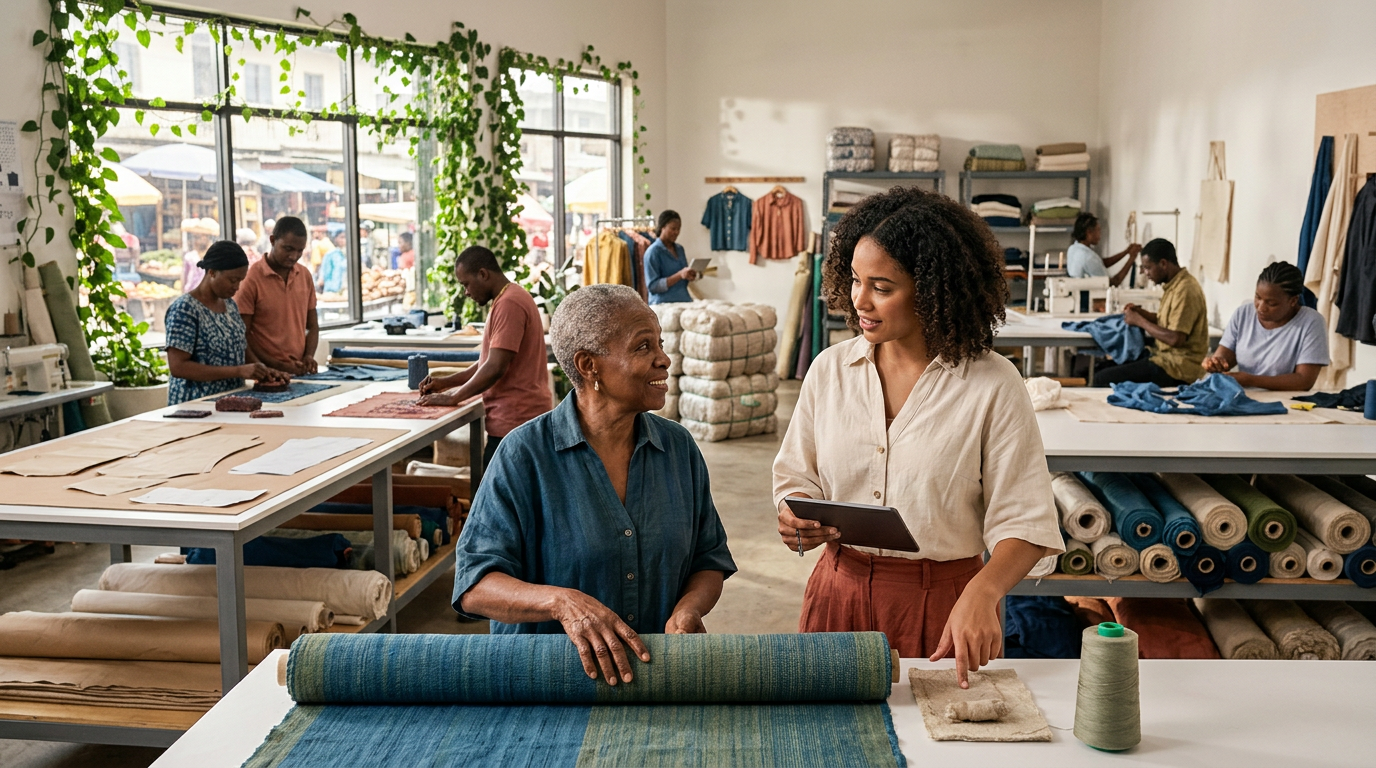
Global Sustainable Fashion Brands Changing the Industry
More than a trend, sustainable fashion is a global movement. Explore the innovative sustainable fashion brands leading the charge, from Patagonia's activism to Veja's transparent supply chains.
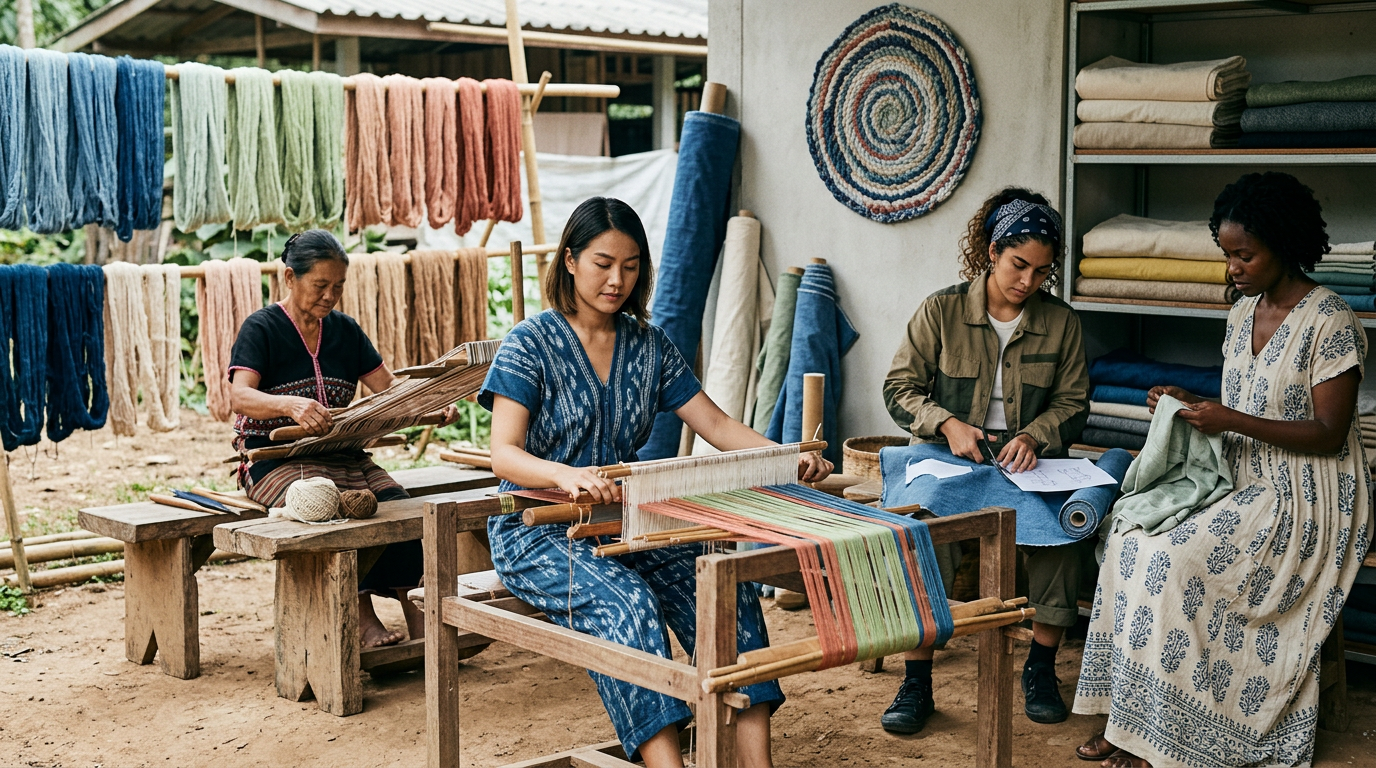
Sustainable Fashion Brands Making a Global Difference
Tired of fast fashion? We spotlight the innovative and ethical sustainable fashion brands from around the world that are reshaping the industry for the better.
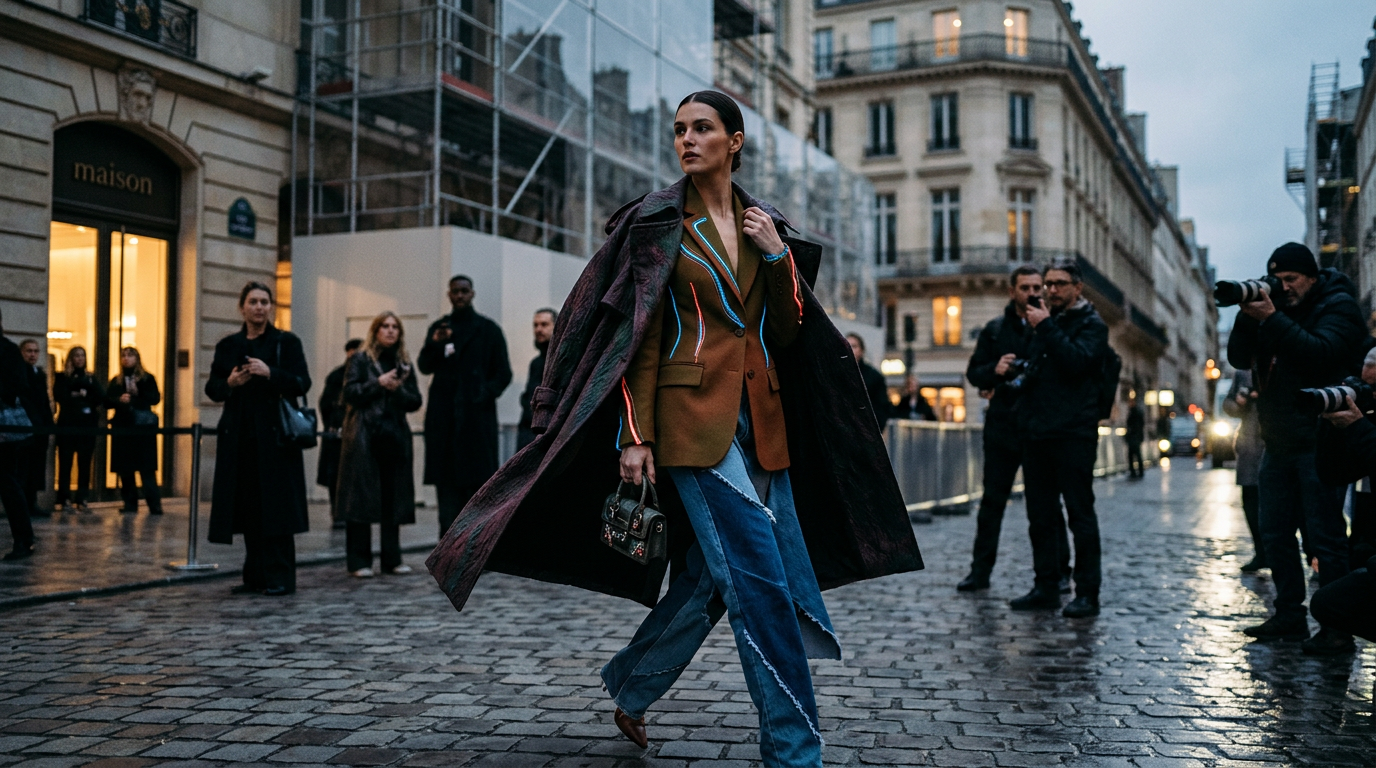
Paris Fashion Week 2025 Key Trends: The Future of Style
The runways of Paris have spoken. From the return of structured elegance to artisanal tech, we’re breaking down the definitive Paris Fashion Week 2025 key trends that will shape wardrobes worldwide.