
How to Build a Capsule Wardrobe: A Global Guide to Intentional Style
Master the art of intentional dressing. Discover how to build a capsule wardrobe that transcends regional trends, seasonal shifts, and fleeting fashion cycles.

Every morning, millions of people open bursting wardrobes only to feel like they have nothing to wear. The solution is not buying another impulse trend from a fast-fashion rail; it is understanding how to build a capsule wardrobe that genuinely serves your daily life. A capsule wardrobe is not a sterile collection of identical white t-shirts and beige trench coats. When approached with a worldwide design perspective, it becomes a curated toolkit of versatile, high-grade garments tailored to your climate, cultural rhythm, and aesthetic identity. By paring back the excess, you make space for sharper personal style, effortless dressing, and lasting quality.
The Global Evolution of Minimalist Dressing
The term "capsule wardrobe" was coined in the 1970s by Susie Faux, owner of the London boutique Wardrobe. Faux envisioned a collection of essential, interchangeable items—skirts, trousers, blazers—that women could supplement with seasonal accents. American designer Donna Karan democratized the idea in 1985 with her pioneering "Seven Easy Pieces" collection, proving that a handful of garments could take a professional from day to evening without friction.
Long before western designers branded the concept, various cultures embraced streamlined dressing by necessity and philosophy. In Japan, the design principle of shibui—subtle, unobtrusive beauty—and the spatial concept of ma (the appreciation of negative space) have long influenced everyday attire. Rather than accumulating sheer volume, Japanese sartorial traditions emphasize craftsmanship, fabric weight, and silhouette. [INTERNAL_LINK: history of minimalist fashion]
Meanwhile, the Parisian philosophy of personal style revolves around wearing signature pieces on repeat until they develop an individual patina. In Scandinavia, functionalism governs the wardrobe: clean lines, neutral foundations, and weather-resistant layering form the backbone of urban life. Recognizing these distinct global perspectives liberates you from prescriptive rules. Your capsule does not have to look like someone else's mood board in London or New York; it should reflect your own geographic and social reality.
Auditing Your Closet: The Honest Cultural and Lifestyle Assessment
Before buying a single new garment, you must audit what you already own. Most guides instruct you to purge everything and start from scratch, but sustainable style requires working with the foundations already inside your closet. The goal is to identify your genuine lifestyle requirements rather than dressing for an imaginary life.
Consider your real physical environment. Someone commuting via the Seoul subway through humid summers and sub-zero winters faces entirely different wardrobe demands than a creative director walking between studios in Mexico City or an executive in Milan. Your capsule must reflect those environmental truths.
The Practical Wardrobe Audit Method
To evaluate your current clothing systematically, remove everything from your rail and sort each item into four distinct categories:
- Daily Uniform: Garments you wear weekly, feel comfortable in, and reach for without hesitation.
- Seasonal & Specialty: Heavy outerwear, monsoon boots, formal occasionwear, or traditional attire that serves an infrequent but vital purpose.
- Alteration Candidates: Well-made garments that do not fit perfectly or need repairs, hem adjustments, or updated buttons.
- Relocation or Resale: High-maintenance items that pinch, itch, clash with your palette, or represent an aesthetic phase you have outgrown.
Pay close attention to what remains in your "Daily Uniform" pile. Notice the silhouettes, waist rises, and textures. You are not starting with a blank slate; you are identifying the recurring preferences that already define your signature look.
Defining Your Aesthetic Formula and Color Palette
The internet often reduces capsule wardrobes to black, white, and oatmeal. While neutral tones naturally simplify mixing and matching, restricting yourself to monochrome is unnecessary if your culture, complexion, or personal taste leans toward richer hues. Think of Mediterranean palettes saturated with terracotta, olive, and navy, or the vibrant textile traditions of West Africa, where structural indigo dyes and block prints create striking, unified ensembles.
A cohesive color palette does not eliminate color; it establishes visual harmony so that any top can pair with any bottom in your wardrobe without second-guessing. A balanced system generally consists of three distinct layers of color:
- Core Neutrals (40% of the capsule): Navy, charcoal, espresso, cream, ivory, or jet black. These form the grounding base for tailored trousers, blazers, and outerwear.
- Supporting Tones (40% of the capsule): Shades that complement your neutrals—such as sage green, slate blue, camel, taupe, or soft denim wash.
- Accent Hues (20% of the capsule): One or two expressive shades that reflect your personality—like rich ochre, burgundy, saffron, or cobalt blue.
Once you anchor these three tiers, proportion and silhouette become your primary styling levers. Italian dressers excel at this through sprezzatura—the art of studied nonchalance—pairing precise tailoring with relaxed, unstructured knits. Focus on finding proportions that balance structure with ease.
The Core Architecture: Essential Pieces for Every Wardrobe
A functional capsule wardrobe relies on interchangeable building blocks rather than isolated statement items. The exact number of garments will vary depending on your lifestyle, but between 28 and 36 pieces (excluding workout gear, lounge clothing, and formal eveningwear) provides ample versatility without clutter.
Tailored Foundations
Every versatile wardrobe needs structured garments that add immediate authority. A well-cut blazer in wool-twill or breathable tropical wool bridges corporate meetings and weekend dinners effortlessly. Look for natural shoulder construction, pick-stitch detailing, and functional interior pockets. Complement this with two pairs of tailored trousers: one straight-leg trouser in medium-weight fabric and one relaxed, pleated option that accommodates varying footwear heights.
Everyday Tops and Layering Knits
Tops absorb the most wear, so choose resilient natural fibers over synthetic blends. You will want:
- Two crisp poplin or oxford shirts in white, pale blue, or fine Bengal stripe.
- Three high-twist cotton or mercerized crew-neck t-shirts that hold their collar shape over time.
- One mid-weight knit: a fine-gauge Merino crewneck or a cashmere turtleneck designed for clean layering under jackets.
- One textured layer: an overshirt in heavy twill, a fisherman-rib cardigan, or an unstructured utility jacket.
Transitional Bottoms and Denim
Denim should be durable and cleanly cut. Japanese selvedge denim from mills in Kojima offers exceptional durability, fading naturally over years of wear to reflect your body's movements. Select one dark-indigo straight-leg pair with zero distressing, and one mid-wash or ecru pair for warm weather or relaxed settings. [INTERNAL_LINK: sustainable denim care]
Fabric Literacy: Investing in Global Textiles That Endure
A capsule wardrobe places far greater structural stress on individual pieces than an overflowing closet does. When you wear a pair of trousers twice a week rather than twice a year, the weave and fiber quality determine whether those garments last three months or ten years.
"True luxury in fashion is not determined by a logo on a chest, but by the weight of the weave, the breath of the fiber, and the quiet longevity of the cut."
Building textile awareness is the single best investment you can make in your personal style. Look beyond brand marketing and read garment composition tags closely:
- Linen: French and Belgian flax produces long-staple linen that softens with every wash rather than fraying. It regulates temperature naturally across hot, sticky climates from Mumbai to Miami.
- Merino Wool: Sourced primarily from Australia and New Zealand, Merino fibers possess natural crimp and elasticity. Wool resists odors, breathes dynamically, and holds shape far better than polyester blends.
- Long-Staple Cotton: Egyptian, Pima, and Giza cotton fibers produce smooth, durable yarns that resist pilling and retain their color depth through dozens of washes.
- Raw and Selvedge Denim: Woven on vintage shuttle looms, dense-weave denim develops a personalized drape and structural softness over time without reliance on elastane that degrades.
Avoid blends that mix natural fibers with high percentages of polyester or acrylic. While synthetic stretch seems convenient initially, it reduces the garment's operational lifespan, prevents clean tailor adjustments, and makes textile recycling virtually impossible.
A Step-by-Step Guide to Assembling Your Rotation
Transitioning to an intentional wardrobe takes patience. Rushing out to buy an entire capsule in one weekend guarantees you will make expensive mistakes. Instead, follow a deliberate phased sequence.
- Establish Your Core Seven: Identify your seven most reliable items right now—for instance, your best-fitting denim, two favorite shirts, one blazer, a knit, and two pairs of comfortable shoes. Wear only these pieces across five business days to see where gaps emerge.
- List the Structural Deficits: Document what you were missing during those test days. Did you lack a proper mid-layer for chilly offices? Were your footwear choices too casual for client presentations?
- Write a Targeted Acquisition Plan: Create a short, strict shopping list with defined specifications (e.g., "Double-breasted navy blazer, 100% tropical wool, horn buttons, unlined").
- Source Deliberately Across Channels: Search vintage archives, specialty consignment houses, local independent tailors, and respected manufacturers. High-end secondhand marketplaces in London, Tokyo, and Paris have made heritage pieces accessible at a fraction of their retail cost.
- Apply the "Rule of Three": Before purchasing any candidate piece, confirm it pairs naturally with at least three existing items in your closet. If an item demands a new accessory or trousers just to work, leave it on the rack.
Seasonality, Layering, and the Capsule Rotation System
One common critique of capsule wardrobes is that they fail in regions with extreme seasonal swings. A single rack of 30 pieces cannot logically accommodate both Stockholm in January and Athens in August. The solution is not abandoning the system, but running a bi-annual capsule rotation.
In cities known for moody transitional climates like Edinburgh, Melbourne, or Toronto, the secret lies in modular layering. Rather than relying on bulky single-purpose items, build outfits around lightweight thermal foundations, mid-weight shirting, breathable knitwear, and weather-shedding outerwear. A Japanese trench coat or an unlined Scottish waxed-cotton jacket works across three seasons simply by swapping the weight of the knit worn beneath it.
The Storage and Care Transition
When the season turns, thoroughly launder or dry-clean off-season garments before packing them into breathable canvas garment bags with cedar blocks. Stashing your cold-weather coats and heavy knitwear out of sight resets your visual field. When temperatures drop six months later and you unpack those pieces, you rediscover them with fresh enthusiasm, curbing the impulse to shop out of boredom.
Maintenance, Tailoring, and Longevity: The Final Polish
The difference between an ordinary outfit and an exceptional one rarely comes down to cost. It almost always comes down to fit and maintenance. No off-the-rack garment is cut to your precise bodily proportions. Factoring tailor adjustments into your budget transforms standard clothing into bespoke-feeling staples.
In tailoring capitals like Naples, London, and Hong Kong, clothing is treated as an evolving investment. Find a local alteration specialist who understands drape and balance. Common adjustments that instantly elevate your wardrobe include:
- Shortening trouser hems to break cleanly over your shoes without pooling.
- Tapering sleeve lengths on jackets so a quarter-inch of shirt cuff shows.
- Nipping the waist on a boxy shirt or overcoat to flatter your natural frame.
- Replacing cheap plastic buttons with horn, corozo nut, or mother-of-pearl.
Complement tailoring with proactive daily maintenance. Swap wire hangers for wide-shoulder wooden hangers that preserve jacket structure. Invest in a horsehair garment brush to lift surface dust and restore wool fibers between wears, reducing your reliance on harsh dry-cleaning chemicals. When you treat your garments as enduring tools rather than disposable commodities, your wardrobe works better for you every day.
Curating Style That Lasts
Learning how to build a capsule wardrobe is ultimately an exercise in self-knowledge. It demands that you decline the relentless cycle of trend forecasting in favor of pieces that fit well, feel comfortable, and stand up to daily use. By taking design inspiration from around the world, paying attention to fabric quality, and tailoring pieces to fit your shape, you cultivate an authentic personal signature.
Take your first step this weekend: pull five garments from your closet that you have not worn in the past six months, examine why they failed you, and begin editing your collection with clarity and purpose.
Keep reading

Paris Fashion Week 2025 Key Trends: The Global Runway Report
From radical minimalism to artisanal heritage, explore the definitive Paris Fashion Week 2025 key trends shaping fashion markets worldwide this season.
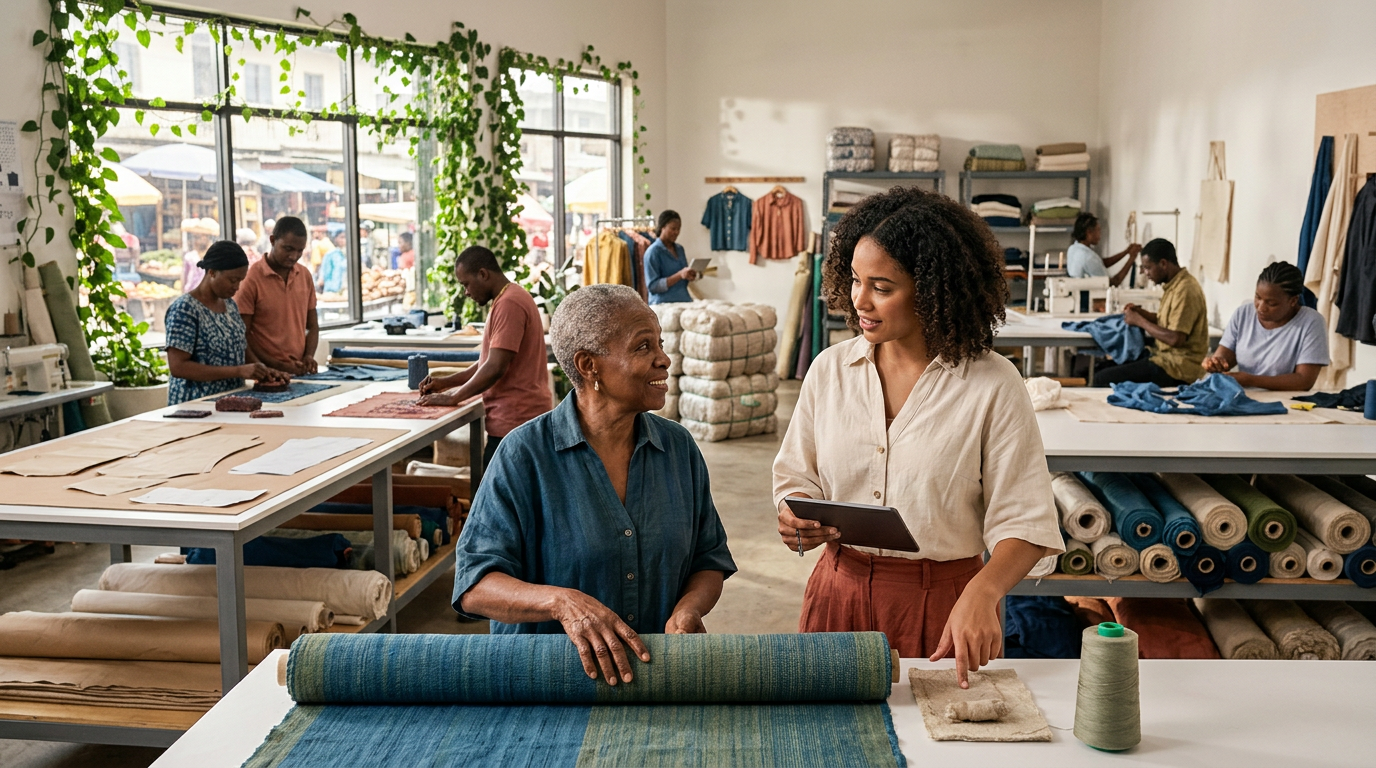
Global Sustainable Fashion Brands Changing the Industry
More than a trend, sustainable fashion is a global movement. Explore the innovative sustainable fashion brands leading the charge, from Patagonia's activism to Veja's transparent supply chains.
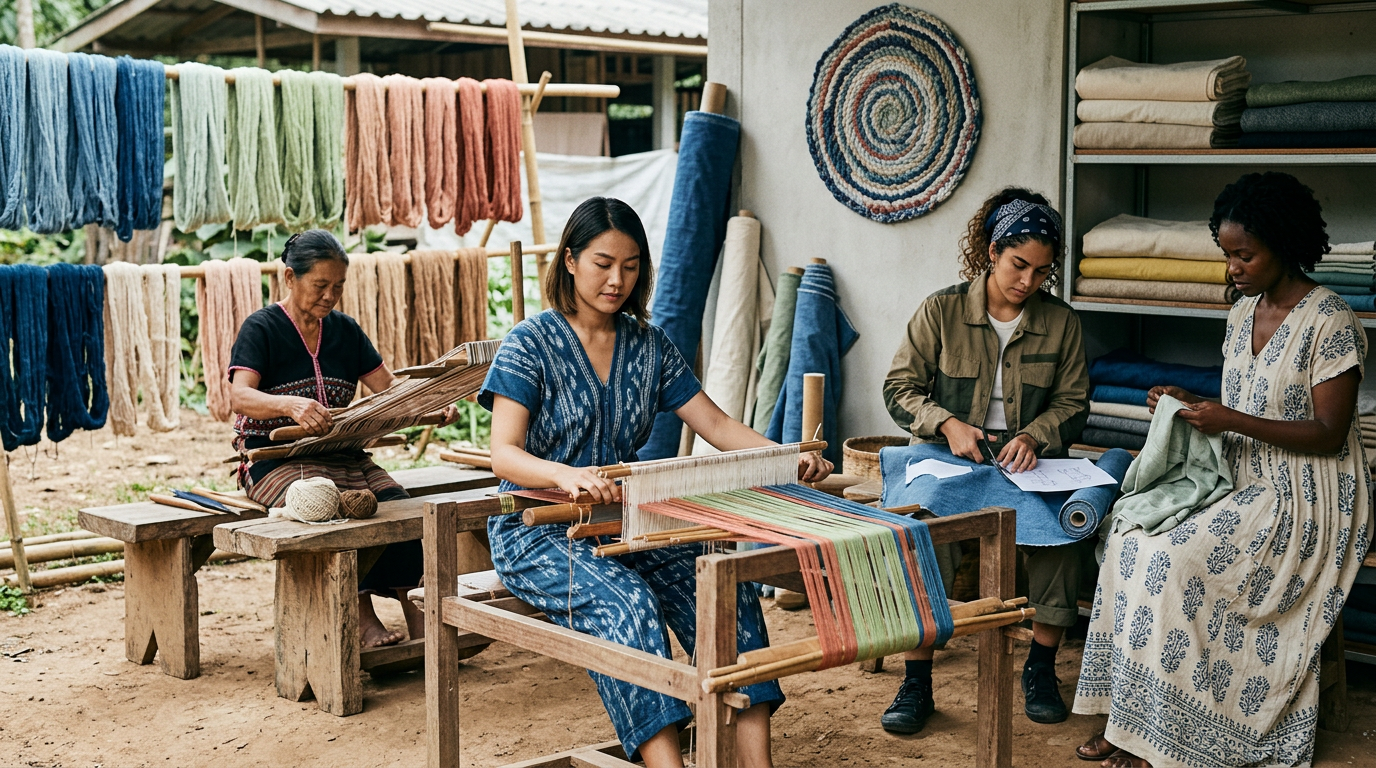
Sustainable Fashion Brands Making a Global Difference
Tired of fast fashion? We spotlight the innovative and ethical sustainable fashion brands from around the world that are reshaping the industry for the better.