
Sustainable Fashion Brands Making a Global Difference
Tired of fast fashion? We spotlight the innovative and ethical sustainable fashion brands from around the world that are reshaping the industry for the better.
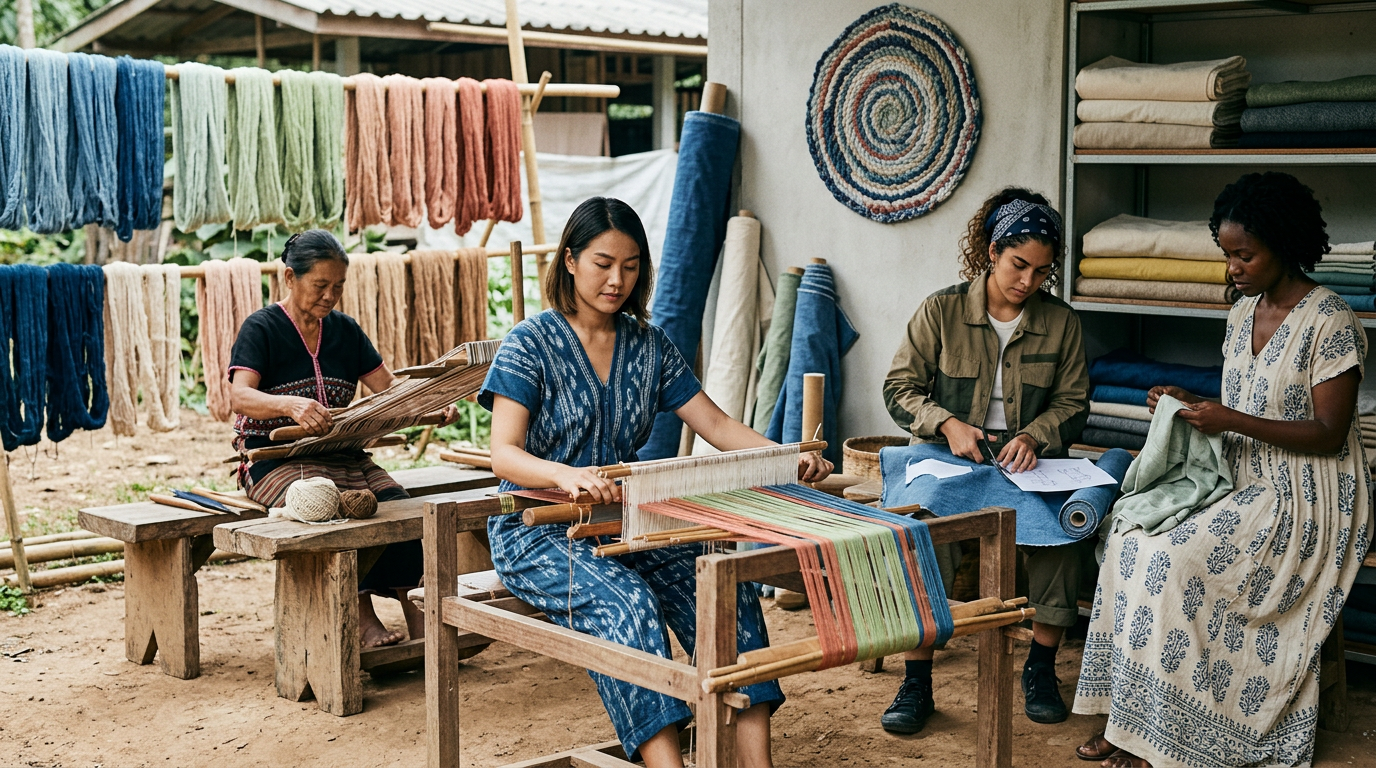
That feeling of a new piece of clothing is undeniable. It’s a fresh start, a boost of confidence, a way to express who you are. But what if that garment’s story is more complex? For decades, the fashion industry has operated on a model of 'more is more,' leading to immense environmental and social costs. Today, a powerful shift is underway. Consumers are asking tougher questions, and a new generation of designers and entrepreneurs is providing answers. The focus is turning toward sustainable fashion brands that prove style and substance can, and should, coexist. These are the brands making a tangible, global difference.
What Does "Sustainable Fashion" Actually Mean?
The term "sustainability" is used so often it risks losing its meaning. In fashion, it’s not just about using organic cotton. True sustainability is a holistic approach that considers the entire lifecycle of a garment. It's a commitment to better practices for both people and the planet. To understand the brands leading the charge, it helps to break down the core pillars of this movement.
The Three Pillars of Sustainability
Think of it as a three-legged stool: if one leg is weak, the whole thing topples. The key components are:
- Environmental Impact: This is the most commonly discussed aspect. It involves the raw materials used (are they organic, recycled, or regenerative?), water consumption during dyeing and processing, chemical usage, carbon emissions from manufacturing and transport, and what happens to the garment at the end of its life.
- Ethical Production: This pillar focuses on the "people" part of the supply chain. It means fair wages, safe working conditions, reasonable hours, and the absence of child or forced labor. Brands committed to ethical production are often transparent about their factories and may have certifications like Fair Trade. [INTERNAL_LINK: understanding fashion supply chains]
- Circularity and Longevity: Moving away from a linear "take-make-waste" model, circularity aims to keep clothes in use for as long as possible. This includes designing for durability, offering repair services, encouraging resale, and using materials that can be recycled back into new textiles.
A truly sustainable brand isn’t perfect—the goal is constant improvement and transparency about the journey. They invest in innovation, value craftsmanship over rapid trends, and empower consumers to make more informed choices.
European Pioneers: Setting a High Bar
Europe has long been a hub for both luxury fashion and progressive environmental policy, creating a fertile ground for sustainable pioneers. These brands have demonstrated that ethics and high-end aesthetics are not mutually exclusive.
Stella McCartney: Luxury Without Compromise
Long before it was mainstream, Stella McCartney built her eponymous label on a foundation of vegetarian principles. Since its launch in 2001, the brand has never used leather, fur, feathers, or animal skins. This commitment forced innovation from day one, leading to the development and adoption of cutting-edge materials. McCartney has championed everything from recycled polyester and regenerated cashmere to plant-based alternatives for leather, like Mylo™, which is derived from mycelium (the root structure of mushrooms). Her brand operates with a detailed Environmental Profit & Loss (EP&L) account, measuring its impact and holding itself publicly accountable. By proving that luxury can be cruelty-free and environmentally conscious, Stella McCartney has challenged the entire high-fashion industry to reconsider its material dependencies.
Veja: Radical Transparency in Footwear
The French footwear brand Veja has become a global phenomenon, identifiable by its minimalist design and signature "V" logo. What makes the brand revolutionary is its radical approach to transparency. The founders, Sébastien Kopp and François-Ghislain Morillion, built their supply chain from the ground up, sourcing organic cotton directly from farming associations in Brazil and Peru and wild rubber from the Amazon rainforest. They pay a premium for their materials to ensure fair wages and support regenerative agricultural practices. On their website, Veja breaks down the cost of every shoe—from raw materials to factory labor to logistics—showing customers exactly where their money goes. It's a business model built on the belief that transparency, not just a final product, is what builds lasting trust.
North American Innovators: Tech, Activism, and Style
Across the Atlantic, North American brands have harnessed a unique blend of West Coast activism, technological innovation, and data-driven marketing to push the sustainability conversation forward. They cater to a customer who wants to look good while doing good.
Patagonia, the California-based outdoor apparel company, is arguably as much an environmental organization as it is a clothing brand. Founded by climber Yvon Chouinard, its mission statement is blunt: "We're in business to save our home planet." This philosophy permeates every decision. The brand pioneered the use of recycled polyester from plastic bottles in the 1990s and has since invested heavily in regenerative organic agriculture. Their famous "Don't Buy This Jacket" ad campaign urged consumers to think before they buy, promoting a culture of repair and reuse through its Worn Wear program. Patagonia also donates 1% of its sales to environmental causes, funding grassroots activism worldwide. It stands as a powerful example of how a brand can use its platform and profits to advocate for systemic change.
"The future of fashion is circular. It has to be. We have to create a system where the value of products and materials is maintained for as long as possible, and where waste is designed out."
- Ellen MacArthur, Founder of the Ellen MacArthur Foundation
On the other end of the style spectrum is Reformation. Known for its trendy dresses and cool-girl aesthetic, the Los Angeles brand has proven that sustainability can be incredibly chic. Reformation’s key innovation is its data-driven approach. They track the environmental footprint of every single garment using their own "RefScale," which calculates the carbon dioxide emitted and water used. This information is displayed on each product page, empowering customers to understand the impact of their purchase. The brand prioritizes deadstock fabrics and low-impact materials like TENCEL™ Lyocell, and its factories in LA provide fair wages and a safe working environment. Reformation has successfully captured a market that demands both on-trend styles and eco-credentials.
Voices from the Global South: Reclaiming Heritage and Craft
The sustainability narrative has often been dominated by Western brands. However, some of the most profound work is being done by designers and social enterprises in the Global South who are centering indigenous craftsmanship, empowering local communities, and championing circular economies rooted in tradition.
Mayamiko: Made in Malawi
Based in Malawi, Mayamiko is a lifestyle brand that beautifully blends contemporary design with traditional African textiles. The brand was founded by Paola Masperi with a clear social mission: to provide training and stable employment for disadvantaged women. Artisans are trained in tailoring and financial skills, enabling them to build a secure future for themselves and their families. Mayamiko operates on a zero-waste principle, using creative pattern cutting to minimize fabric scraps, which are then used to create accessories. They source their vibrant fabrics, known as 'chitenje,' from a local women's cooperative. The entire collection is certified Fair Trade, and the brand operates a solar-powered workshop, showing a deep commitment to both people and the planet.
Orenda Tribe: Art as Activism
Orenda Tribe is a powerful project that honors and preserves the artistic traditions of Indigenous communities, particularly the Diné (Navajo) people in New Mexico. Founded by Amy Yeung, the brand reclaims vintage and deadstock textiles—from classic denim jackets to military surplus—and transforms them into one-of-a-kind wearable art. Each piece is hand-embellished by Diné artists using techniques passed down through generations. This model not only gives new life to old garments but also provides a vital economic platform for artists while celebrating their cultural heritage. Orenda Tribe is more than a fashion brand; it's a vehicle for storytelling, cultural preservation, and social justice, redirecting profits back into the communities it partners with.
The Rise of Circularity in Asia
As a major hub for global manufacturing, Asia is at the forefront of tackling the textile waste crisis. A new wave of brands and initiatives is emerging, many of them focused on creating a circular economy. This philosophy is deeply rooted in cultural concepts like the Japanese principle of 'mottainai,' which expresses a sense of regret concerning waste.
One of the most exciting examples is The R Collective, based in Hong Kong. Born out of the NGO Redress, which runs the world's largest sustainable fashion design competition, The R Collective rescues high-quality excess materials from luxury brands and mills and turns them into stunning, limited-edition collections. This model addresses the industry's massive problem of pre-consumer waste—the leftover fabric that never even makes it into a garment. By collaborating with emerging designers, they create beautiful clothes that have a powerful story. They are proving that waste is not waste until you waste it. Their work, alongside Japan's rich history of upcycling techniques like 'boro' (mending textiles) and 'sashiko' (decorative reinforcement stitching), showcases a regional shift toward valuing resources and extending the life of materials. [INTERNAL_LINK: guide to textile recycling]
Beyond Clothing: Sustainable Accessories and Footwear
A conscious wardrobe extends beyond shirts and trousers. The accessory and footwear markets are also undergoing a sustainable transformation, with brands innovating in materials and ethical production to create products that complete a look without compromising on values.
Allbirds: The Science of Comfort
When Allbirds launched with its Wool Runner, it created a whole new category of footwear. The brand’s focus is on material science, relentlessly pursuing natural and recycled materials to lower its carbon footprint. Their core materials include ZQ-certified merino wool, FSC-certified Tencel™ Lyocell made from eucalyptus tree fiber, and a sugarcane-based EVA foam for their soles called SweetFoam™. Allbirds is a certified B Corporation, meaning it meets high standards of social and environmental performance, transparency, and accountability. They label every product with its carbon footprint, just like a nutrition label on food, giving consumers clear, concise information to make better choices. Their minimalist aesthetic and incredible comfort have made them a global success, proving that sustainability can be the primary selling point.
Soko: Ethical Jewelry Through a Virtual Factory
Jewelry production can be fraught with ethical issues, from conflict minerals to unsafe working conditions. Soko, a women-led ethical jewelry brand, is changing that with a revolutionary business model. They use a proprietary mobile technology to connect a network of over 2,500 independent artisans in Kenya directly to the global market. This "virtual factory" model empowers artisans to earn significantly more, often five times more than at a typical workshop. Soko uses locally sourced and eco-friendly materials like recycled brass and reclaimed cow horn. The designs are a beautiful fusion of modern aesthetics and traditional craftsmanship, creating statement pieces that are both stylish and socially impactful.
How to Be a More Conscious Consumer
Supporting sustainable brands is a fantastic step, but building a truly sustainable wardrobe is also about changing our own habits. The most sustainable garment is the one you already own. Here are practical steps you can take to make a difference:
- Buy Less, Choose Well: This is the golden rule of slow fashion. Before purchasing, ask yourself if you truly need it and if you'll wear it at least 30 times. Investing in high-quality, timeless pieces is more sustainable than chasing fleeting trends. Consider building a [INTERNAL_LINK: what is a capsule wardrobe].
- Learn Your Materials: Get familiar with fabric labels. Favor natural fibers like organic cotton, linen, and hemp, or innovative low-impact materials like Tencel™ and recycled synthetics. Understanding materials helps you make better choices and care for your clothes properly.
- Care, Repair, and Repurpose: Extend the life of your clothes by washing them less, using cold water, and air-drying. Learn basic mending skills like sewing on a button or patching a hole. When a garment is truly worn out, consider repurposing it into cleaning rags or other household items.
- Embrace Secondhand: Thrifting, consignment shopping, and clothing swaps are some of the most sustainable ways to refresh your wardrobe. You give a pre-loved item a new home, preventing it from ending up in a landfill.
- Research and Ask Questions: When you do buy new, take a moment to research the brand. Do they have a sustainability section on their website? Are they transparent about their factories and materials? If you can't find the information, ask them! Brands listen to customer demand.
The journey toward a more sustainable fashion industry is a collective one. It involves brands taking responsibility, innovators developing new solutions, and consumers making more mindful choices. The brands highlighted here are just a few of the many making a positive impact around the world. By supporting them and adopting more conscious habits, we can all contribute to a future where fashion not only looks good but does good, too. Your next favorite piece could be waiting—and its story might be one you're proud to wear.
Keep reading
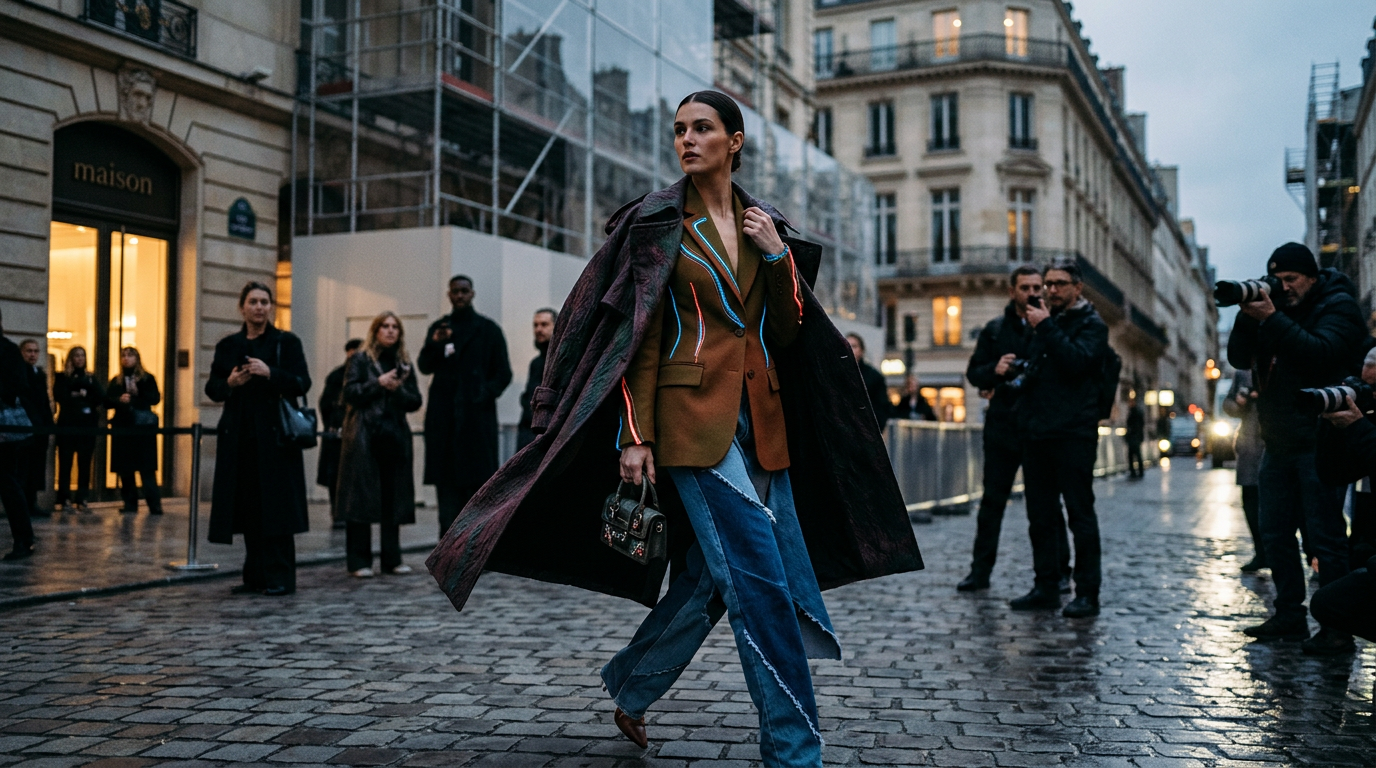
Paris Fashion Week 2025 Key Trends: The Future of Style
The runways of Paris have spoken. From the return of structured elegance to artisanal tech, we’re breaking down the definitive Paris Fashion Week 2025 key trends that will shape wardrobes worldwide.

Paris Fashion Week 2025: Key Trends Shaping Global Style
The runways have spoken. Our official report breaks down the Paris Fashion Week 2025 key trends, from architectural draping to fluid tailoring, and explores their global impact.

How to Build a Capsule Wardrobe: A Complete Global Guide
Overwhelmed by a closet full of clothes with nothing to wear? It’s time to learn how to build a capsule wardrobe, a curated collection of essentials that work for your life, from Tokyo to Toronto.