
Simple Anti-Inflammatory Diet Guide for Mumbai Living
Tired of chronic fatigue and gut flare-ups? Here is a practical, simple anti-inflammatory diet guide designed around local Mumbai markets and everyday Indian meals.
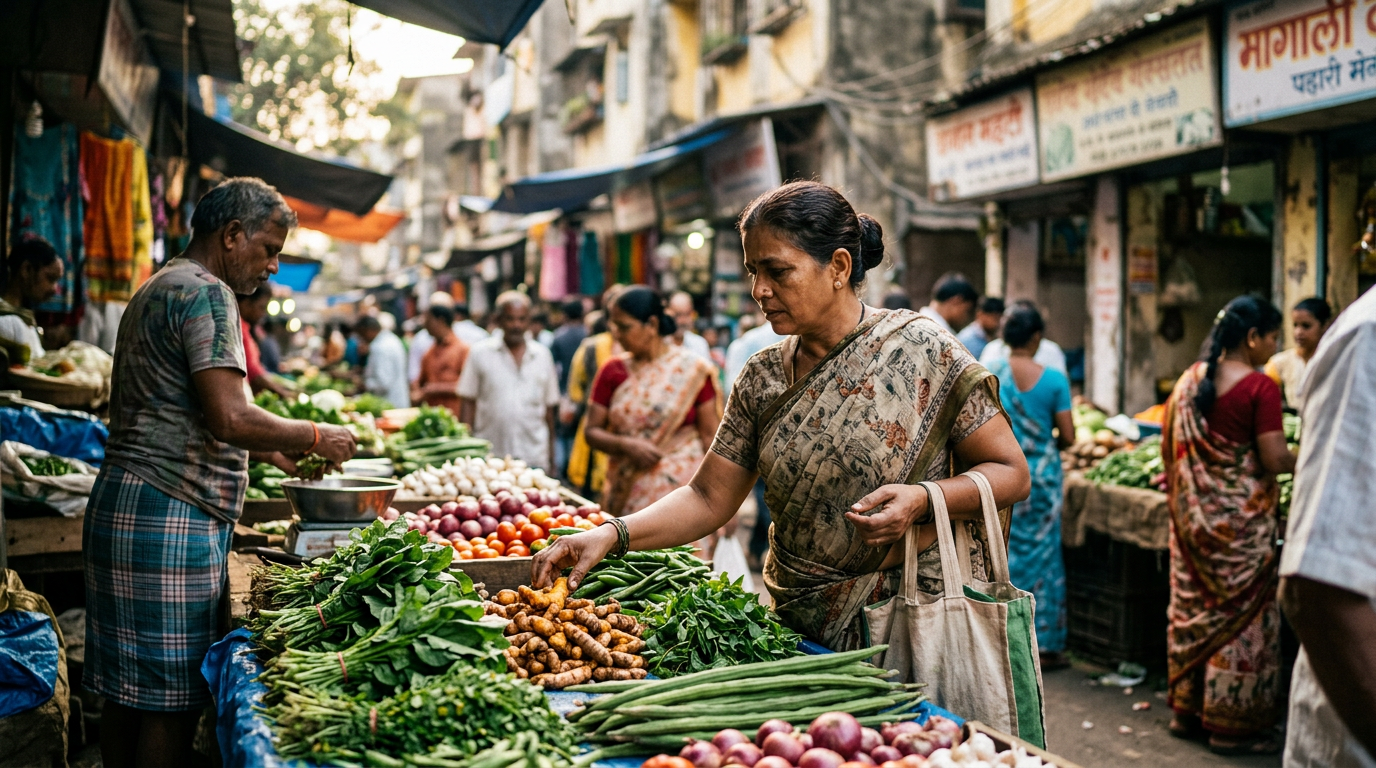
If you step off the local train at Dadar during peak evening rush, your body absorbs far more than just the kinetic energy of a million commuters. Between breathing in vehicular exhaust on the Western Express Highway, grabbing a quick deep-fried medu vada at a station stall, and working through ten-hour desk marathons in BKC or Mindspace Airoli, urban life places the human body under persistent physiological strain. Over months and years, that stress translates into sluggish digestion, persistent joint aches, brain fog, and chronic fatigue. Finding a practical, simple anti-inflammatory diet guide that works with actual Indian groceries—rather than Western grocery lists packed with blueberries, kale, and salmon—is often the turning point for restoring steady vitality.
Chronic inflammation is not an abstract medical condition reserved for clinical textbooks. In the Mumbai Metropolitan Region (MMR), it is an everyday reality shaped by humidity, industrial pollutants, disrupted sleep cycles, and diets dominated by refined industrial seed oils. Taking control does not require expensive imported health foods or extreme fasts. It begins by understanding how local, seasonal, and indigenous ingredients available right at your local market can calm systemic inflammation from the inside out.
What Chronic Inflammation Looks Like in the MMR (and Why It Hits Harder Here)
Inflammation itself is a vital bodily defense. When you scrape your knee on the uneven pavements of Bandra or catch a seasonal monsoon viral bug, acute inflammation mobilises white blood cells to repair the damage. The trouble starts when the switch stays on indefinitely. In medical circles, this is known as low-grade chronic systemic inflammation, a primary driver of type 2 diabetes, fatty liver disease, cardiovascular plaque, and autoimmune flare-ups.
For those living between Colaba and Kalyan, environmental triggers amplify dietary ones. Air quality indexes routinely hover in the "unhealthy" category through winter, loading the bloodstream with fine particulate matter (PM2.5). When these airborne oxidants meet a daily diet laden with reused vanaspati from roadside snack stalls, sugar-spiked cutting chais, and late-night delivery meals, the liver and endothelial lining remain in a perpetual state of emergency.
"Most working professionals in Mumbai do not suffer from caloric deficiency; they suffer from micronutrient starvation combined with lipid toxicity. When we switch patients from inflammatory refined seed oils to traditional cold-pressed fats and local wild greens, their inflammatory markers—specifically hs-CRP—routinely drop within eight to twelve weeks."
Recognising the signs is the first step toward recovery. You might notice persistent puffiness in your face upon waking, afternoon crashes around 3:00 PM that require an extra cup of sugary tea, stubborn acid reflux, or lingering knee stiffness when climbing railway overbridges. These are not inevitable markers of aging; they are cellular distress signals calling for dietary intervention.
The Core Pillars of an Anti-Inflammatory Eating Pattern
An anti-inflammatory lifestyle is defined by balance, consistency, and digestive ease. Rather than tracking rigid macronutrient counts, focus on three biological objectives every time you sit down for a meal:
- Quelling Oxidative Stress: Inundating your tissues with polyphenols, flavonoids, and carotenoids from deeply pigmented local produce to neutralise free radicals.
- Optimising the Omega-6 to Omega-3 Ratio: The standard urban Indian diet skew heavily toward inflammatory omega-6 fatty acids (found in sunflower, corn, and soy oils), often reaching an alarming ratio of 30:1. An anti-inflammatory target brings this closer to 4:1 through flaxseeds, walnuts, wild fish, and pasture-raised A2 ghee.
- Protecting the Gut Barrier: Hyper-permeability of the intestinal lining (frequently aggravated by emulsifiers, refined flours, and chronic stress) allows bacterial endotoxins into the bloodstream, triggering systemic inflammatory cascades. Fiber, resistant starches, and fermented foods repair this mucosal shield.
For more detailed reading on gut barrier restoration, take a look at our [INTERNAL_LINK: gut health remedies for urban living].
Local Mumbai Superfoods That Fight Inflammation Daily
You do not need to hunt down expensive imported acai bowls at upscale cafes in Juhu or Pali Hill to heal your body. The richest medicinal foods have sat quietly in local vegetable markets for centuries. Integrating them into your weekly sabzi and dal rotations creates an effective culinary defense system.
1. Golden Spices and Fresh Roots
While dried turmeric powder sits in every masala dabba across Ghatkopar and Thane, fresh root turmeric (amba haldi and regular kacchi haldi) floods local vegetable markets every winter for as little as ₹80 to ₹120 per kilogram. Curcumin, alongside the essential volatile oils present in the fresh rhizome, inhibits NF-kB, a primary inflammatory signaling pathway. Pair it with freshly grated ginger and cracked black pepper to maximise bioavailability.
2. Moringa (Shevga) and Native Greens
Drumstick pods and drumstick leaves (moringa) grow prolifically across Maharashtra. Moringa leaves contain isothiocyanates, compounds that suppress inflammatory enzymes with a potency comparable to pharmaceutical counterparts. Alongside moringa, traditional leafy greens like chaulai (amaranth), shepu (dill), and tender methi (fenugreek) provide rich reserves of lutein, folate, and magnesium.
3. Indigenous Millets over Dwarf Wheat
Heavily hybridised modern wheat contains higher amounts of gluten and prolamins that can irritate compromised gut linings. Swapping chapatis for freshly roasted jowar (sorghum) or nachni (ragi) bhakris provides substantial amounts of polyphenols and prebiotic fibers without insulin spikes. A kilogram of whole ragi grain ground at your neighborhood chakki costs roughly ₹55 to ₹70, making it an affordable anti-inflammatory staple.
4. Amla (Indian Gooseberry)
One single amla contains twenty times the vitamin C of an orange. Its naturally occurring tannins protect the ascorbic acid from degrading even when exposed to moderate heat. Consuming one raw amla grated into warm water or eaten with a pinch of rock salt every morning supports cellular glutathione levels, shielding blood vessels from urban smog damage.
Where to Source Clean, Anti-Inflammatory Groceries in MMR
A simple anti-inflammatory diet guide is only as good as your pantry access. Fortunately, Mumbai and Navi Mumbai house exceptional wholesale hubs and direct-from-farm initiatives where you can source fresh, minimally processed staples.
- APMC Market, Vashi (Sector 19): The wholesale beating heart of the MMR's food supply. Head to the spice and grain yards for unpolished indigenous pulses (desi chana, whole moong, kulith), raw walnuts from Kashmir, and cold-storage dried herbs at half the price of high-end supermarket chains.
- Matunga Market (East): Famous for its South Indian culinary supplies, this market is ground zero for fresh drumstick leaves, raw plantains (exceptional for gut-healing resistant starch), cold-pressed sesame oil, and fresh coconut.
- Organic Farmers Markets in Bandra & Juhu: Held every weekend (such as the D'Monte Park market in Bandra West), these community stalls offer certified residue-free vegetables, heirloom red rice varieties, and native wild forest honey. You can find more sourcing locations in our comprehensive [INTERNAL_LINK: guide to mumbai farmers markets].
- Local Neighbourhood Tel Ghanis: Avoid supermarket plastic bottles labeled "Refined Blended Vegetable Oil." Look for traditional wood-pressed (lakdi ghani) oil shops in neighbourhoods like Vile Parle, Girgaon, or Vashi Sector 9. Freshly extracted mustard, peanut, or sesame oil runs between ₹320 and ₹480 per liter and preserves heat-sensitive sterols and vitamin E.
Smart Swaps: Transforming Everyday Mumbai Meals
Adopting an anti-inflammatory diet does not mean abandoning the comforting flavors of Maharashtrian, Gujarati, or South Indian cuisine. It is entirely about changing the processing level and quality of your baseline ingredients. Small, strategic substitutions eliminate systemic triggers while keeping meals satisfying.
Consider the typical workday choices and their anti-inflammatory upgrades:
- The Morning Chai Trap: Standard cutting chai involves low-grade dust tea boiled for twenty minutes with white sugar and dairy milk, forming pro-inflammatory advanced glycation end-products. Swap with: Fresh lemongrass (gavati chaha), crushed ginger, hand-pounded green cardamom, and loose-leaf CTC tea simmered briefly, sweetened with a measured teaspoon of raw jaggery or consumed black.
- The Quick Breakfast: White-poha or rava upma cooked in refined sunflower oil triggers early blood sugar spikes. Swap with: Red-rice poha packed with hand-cracked peanuts, mustard seeds, curry leaves, and sprouted green gram for sustained fiber and micronutrient release.
- The Dabba Lunch: Four refined-flour chapatis, a heavy oil-floating paneer gravy, and white polished rice. Swap with: Two warm jowar bhakris, a deep-yellow sprouted methi or usal sabzi cooked in cold-pressed groundnut oil, and a bowl of hand-set curd sprinkled with roasted jeera powder.
- The 5:00 PM Office Snack: Samosas, toast butter, or packaged salted farsan from the local bakery. Swap with: A handful of roasted makhana (foxnuts) tossed in A2 cow ghee with rock salt and turmeric, paired with soaked almonds and walnuts.
A Realistic 7-Day Anti-Inflammatory Meal Plan for Mumbaikars
This weekly meal template uses everyday pantry staples easily prepared by home cooks or tiffin services across the city. It focuses on zero refined sugars, zero refined seed oils, and high plant diversity.
Monday
- Breakfast: Sprouted moong chilla stuffed with grated carrots and fresh coriander, served with mint-coconut chutney.
- Lunch: Jowar bhakri, regional ridge gourd (turai) sabzi cooked with garlic and cold-pressed peanut oil, and yellow dal tadka.
- Evening Snack: Warm herbal tea with fresh ginger, tulsi, and a handful of lightly roasted pumpkin seeds.
- Dinner: Hearty vegetable-and-lentil khichdi made with unpolished brown or red rice, topped with one teaspoon of pure A2 ghee.
Tuesday
- Breakfast: Steamed idlis made from traditional fermented red rice and urad dal batter, accompanied by fresh sambar rich in drumsticks and shallots.
- Lunch: Whole-wheat or multigrain chapati (wheat + chana flour), dry roasted bhindi sabzi, and a bowl of fresh chaas (buttermilk) infused with hing and curry leaves.
- Evening Snack: Sliced cucumber and carrots with homemade crushed-sesame and garlic dip.
- Dinner: Warm fish curry (pomfret or surmai) prepared with fresh kokum and coconut milk, accompanied by a small bowl of steamed indigenous red rice. (For vegetarians: Stewed tofu or sprouted vatana curry).
Wednesday
- Breakfast: Red rice poha cooked with plenty of onions, green peas, curry leaves, peanuts, and half a squeezed lemon.
- Lunch: Nachni (ragi) roti, methi-dal, sliced radish salad, and a side of fresh fermented amla pickle.
- Evening Snack: Tender coconut water with its tender malai (rich in monolaurin, which calms gut inflammation).
- Dinner: Stir-fried local seasonal vegetables (French beans, cauliflower, carrots) with paneer or tempeh cubes seasoned with ginger, turmeric, and black pepper.
Thursday
- Breakfast: Bowl of warm cooked broken wheat (dalia) porridge prepared savoury with seasonal vegetables and mustard seed tempering.
- Lunch: Two bajra rotis (especially warming in wet or winter months), baingan bharta, and a thick cup of sprouted kulith (horse gram) usal.
- Evening Snack: Roasted makhana spiced with turmeric and pink Himalayan salt.
- Dinner: Light bottle gourd (dudhi) and split moong soup followed by steamed vegetable appe with raw tomato chutney.
Friday
- Breakfast: Two boiled eggs sprinkled with crushed pepper and microgreens, alongside a slice of authentic sourdough or gluten-free ragi toast. (Vegetarian: Sprouted chana chaat with chopped tomatoes and raw mango).
- Lunch: Steamed brown rice, traditional South-Indian style rasam (packed with black pepper, garlic, and tamarind), and a side of stir-fried cabbage with fresh coconut.
- Evening Snack: Stewed apple with Ceylon cinnamon powder.
- Dinner: Grilled or pan-seared locally caught prawns or roasted paneer skewers alongside a large green salad dressed with cold-pressed olive oil and lemon.
Saturday
- Breakfast: Upma made with coarse broken jowar or barnyard millet, loaded with finely diced French beans and roasted cashews.
- Lunch: Sourdough flatbread or jowar bhakri, black chana curry cooked in an iron kadhai, and a cucumber-beetroot salad.
- Evening Snack: Pure organic cacao brewed with almond milk or light A2 milk, sweetened with pure Ceylon cinnamon.
- Dinner: Light mung dal khichdi served with roasted papad (sun-dried, not fried) and a teaspoon of fresh ginger-lemon relish.
Sunday
- Breakfast: Paddu (appe) made from overnight fermented dal batter, accompanied by roasted chana dal chutney.
- Lunch: Festive but clean meal: Aromatic biryani made with indigenous short-grain rice, mixed vegetables or mutton cooked in minimal ghee, served with cucumber mint raita.
- Evening Snack: A handful of walnuts and two dried black figs (anjeer).
- Dinner: Clear vegetable and wild mushroom broth with steamed vegetable momos made using gluten-free wrappers.
Avoiding the Hidden Traps in Mumbai's Commercial Food Scene
Staying on track requires navigating common food traps across the city. Packaged foods at neighbourhood kirana stores often masquerade as wholesome solutions while undermining metabolic health.
Watch out for these three major culprits:
- The "Diet" Farsan and Khakhra Illusion: Walk into any supermarket in Borivali or Chembur and you will spot bags of "roasted diet chivda." Check the ingredients panel: almost all rely on hydrolyzed vegetable protein, maltodextrin, and fractionated palm oil to keep spices adhering to the puffed grains. These additives trigger fast inflammatory responses in the digestive tract.
- The Street-Cart Reheating Cycle: Street food remains an intrinsic element of Mumbai's culture, but the oil at roadside frying stations is often heated, cooled, and reheated over several days. This generates elevated concentrations of polar compounds, aldehydes, and trans fatty acids that stress the cardiovascular system. Keep street fried snacks as rare indulgences rather than daily 6:00 PM routines.
- Office Pantry "Digestive" Biscuits: Branded digestive biscuits market themselves as rich in dietary fiber. In practice, wheat flour makes up only a tiny percentage, while invert sugar syrup, emulsifiers, and hydrogenated palm oil dominate the formula. Replace them with roasted nuts or seeds kept in your desk drawer.
Practical Action Steps to Begin This Week
Attempting to overhaul your entire lifestyle overnight often leads to burnout, especially when balancing demanding work commutes along the Harbour Line or Western Line. Approach this simple anti-inflammatory diet guide by focusing on systematic, achievable upgrades.
Start by auditing your cooking oil. Dispose of refined sunflower, soybean, and cottonseed oils, replacing them with single-seed cold-pressed oils suitable for regional Indian cooking temperatures (mustard oil, cold-pressed groundnut oil, and filtered sesame oil). Next, ensure that at least half of your lunch plate consists of fresh, fibrous vegetable preparations rather than simple starches.
Combine these nutritional shifts with lifestyle baselines: drink plenty of filtered water to help your kidneys flush inflammatory byproducts, and build in 20 minutes of daily brisk movement—whether that is a morning walk along Palm Beach Road in Navi Mumbai, Marine Drive, or laps around Shivaji Park. By swapping ultra-processed food components for local, natural staples, your body can quiet systemic inflammation and thrive, even in the heart of this bustling metropolis.
Keep reading
Signs of Burnout and How to Recover: A Mumbai Survival Guide
Exhausted by long commutes and high-pressure jobs across Mumbai and Navi Mumbai? Learn the signs of burnout and how to recover your physical and mental balance.
Morning Routines for Energy: A Mumbai Commuter's Blueprint
Beat commuter fatigue and heavy coastal humidity with practical morning routines for energy, designed specifically for residents across Mumbai and Navi Mumbai.
Simple Anti-Inflammatory Diet Guide for Mumbai Living
Tackle urban fatigue and gut stress with our simple anti-inflammatory diet guide, customized for Mumbai residents shopping at local markets.