
Signs of Burnout and How to Recover: A Mumbai Survival Guide
Exhausted by long commutes and high-pressure jobs across Mumbai and Navi Mumbai? Learn the signs of burnout and how to recover your physical and mental balance.
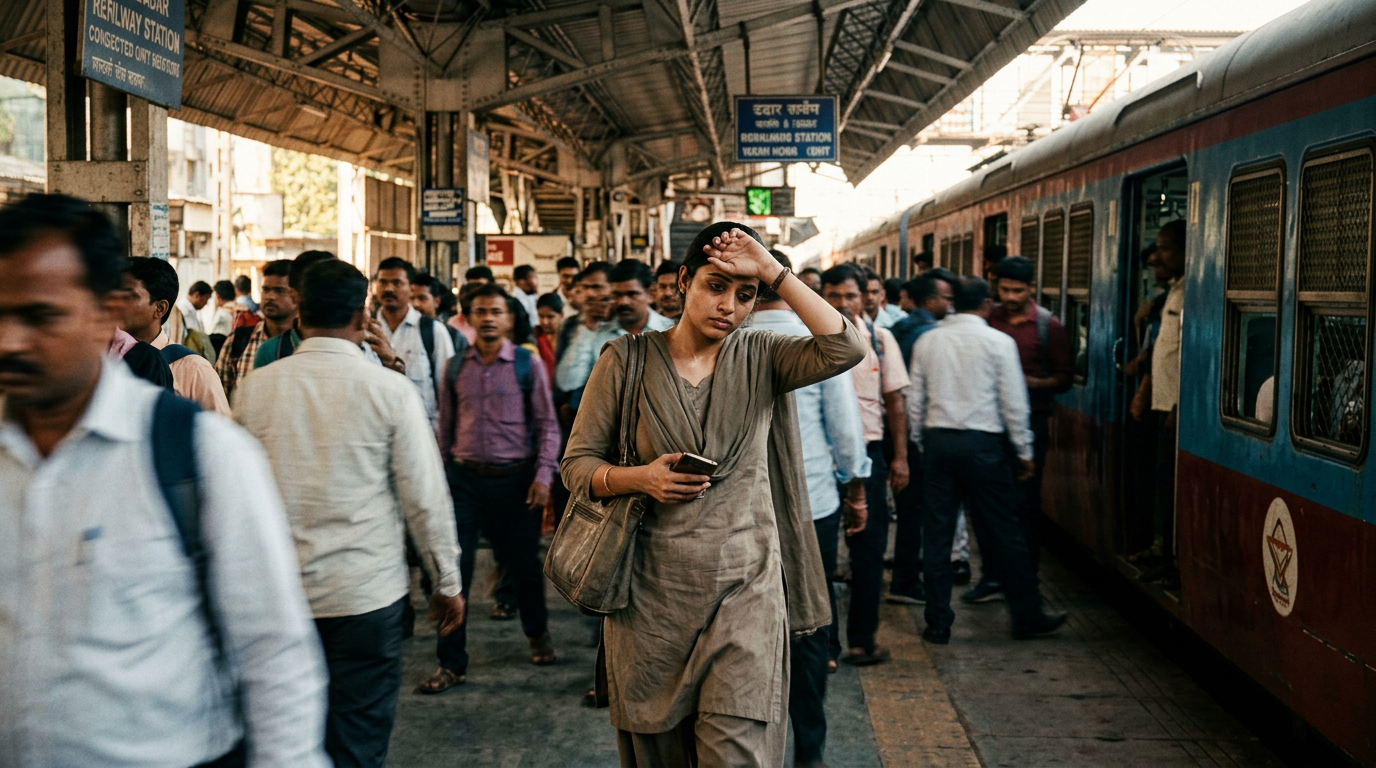
You step off the 8:42 AM fast local at Dadar, your shirt already drenched in sweat, your shoulders aching from bracing against the crowd, and your inbox already pinging with urgent Slack pings. By the time you reach your desk in Lower Parel or BKC, your battery is blinking red. When you constantly operate in survival mode, it becomes difficult to distinguish standard city fatigue from full-blown physical and emotional collapse. Recognizing the early signs of burnout and how to recover from them is not an indulgence in the Mumbai Metropolitan Region (MMR)—it is an absolute medical and professional necessity.
The MMR Pressure Cooker: Why Burnout Hits Differently Here
Burnout exists everywhere, but across Mumbai, Thane, and Navi Mumbai, the condition is amplified by structural stressors unique to our geography. The narrative of the "spirit of Mumbai" has historically romanticized chronic exhaustion, reframing skipped lunches, two-hour one-way commutes on the Western Express Highway, and 14-hour agency workdays as badges of honor. When your daily baseline demands immense cognitive and physical stamina just to cross a junction in Saki Naka or change platforms at Kurla, your central nervous system rarely gets off high alert.
In tech corridors like Airoli and Mahape, as well as finance centers like BKC, the boundary between private life and professional output has deteriorated completely. Remote and hybrid work arrangements have not softened this blow; instead, they have brought the demands of Nariman Point directly into living rooms in Borivali and Kharghar. The constant pressure to justify housing costs, out-earn inflation, and maintain social appearances creates a steady drip of cortisol that quietly depletes your physiological reserves.
Physical Signs of Burnout: When Your Body Refuses to Cooperate
Burnout is not just "feeling stressed." It is systemic nervous system exhaustion that manifests physically long before an emotional breakdown occurs. Many corporate professionals across Andheri East and Vashi ignore these somatic warnings, treating them with antacids, black coffees from Third Wave, and over-the-counter pain medication.
Watch for these bodily red flags that distinguish deep burnout from regular tiredness:
- Unrefreshing sleep: Waking up after seven hours feeling as though you just ran a half-marathon along Marine Drive.
- Gastrointestinal rebellion: Recurrent acid reflux, bloating, and unpredictable digestion that worsens on Sunday evenings before the workweek begins.
- Frequent low-grade illnesses: Picking up every circulating viral bug, seasonal cold, or throat infection passing through air-conditioned office floors.
- Tension patterns: Clenched jaws, migraine spikes behind your eyes, and chronic tightness around the trapezius and shoulder girdle from bracing against desks and traffic.
- Disrupted hunger cues: Craving high-glycemic carbohydrates and fried snacks at 4:00 PM, or conversely, experiencing a total loss of appetite during peak working hours.
Emotional and Cognitive Flags: Cynicism, Detachment, and Fog
On an emotional level, burnout changes how you relate to your environment, your colleagues, and your loved ones. You might find yourself losing patience with an auto driver over a meter refusal at Bandra station, snapping at food delivery riders, or staring blankly at a spreadsheet for forty minutes without processing a single row of data.
The Cynicism Trap
One of the clearest clinical markers of burnout is depersonalization. You stop caring about the quality of your output, you assume every email has malicious intent, and projects that once excited you at your Powai startup now trigger resentment. You feel detached, as if you are observing your work life through a thick pane of glass.
Executive Dysfunction and Mental Fog
Simple decisions—like choosing what to order for lunch or answering a routine WhatsApp message from a family member—begin to feel insurmountable. Memory slips multiply: forgetting meetings, misplacing access cards at the security gate, or reading the same paragraph five times without comprehension. This is not early cognitive decline; it is your prefrontal cortex shutting down non-essential processes to conserve energy.
Behavioral Shifts: Silent Withdrawal and Maladaptive Coping
When inner reserves hit zero, behavior changes predictably. Many professionals in the city mask their distress by oscillating between hyper-productivity and complete paralysis.
Look out for this sequential slide in daily behavior:
- Revenge bedtime procrastination: Staying awake until 2:00 AM mindlessly scrolling Instagram reels because those late-night hours feel like the only time you actually own.
- Caffeine and stimulant over-reliance: Drinking four to six cups of chai or espresso just to stay functional through afternoon stand-ups, followed by alcohol or sedating antihistamines to fall asleep.
- Social cocooning: Cancelling weekend dinners at Bandra or drinks in Belapur because the mere thought of engaging in small talk feels physically draining.
- Workplace avoidance: Procrastinating on critical deliverables until the panic of a deadline overrides the paralysis of burnout, perpetuating a brutal boom-and-bust cycle.
If you recognize three or more of these patterns in your week, you are well past the stage of simple stress. You are dealing with clinical burnout, and you need a systematic recovery protocol.
Immediate Triage: Micro-Recovery Habits for the Daily Grind
You cannot always quit your job, take a three-month sabbatical in Himachal Pradesh, or relocate to an organic farm. Recovery in the real world must happen within the confines of your existing responsibilities. That means engineering daily micro-recoveries into your schedule.
"Recovery does not begin when you go on annual leave; it begins the moment you stop treating rest as a reward you must earn after running yourself into the ground."
— Dr. Radhika Shenoy, Clinical Psychologist, Dadar West
Begin by reclaiming your transit time. If you spend ninety minutes on the Harbour line or stuck in bumper-to-bumper jams near the Kalanagar flyover, stop answering office emails on your phone during that ride. Put your device on "Do Not Disturb," switch to noise-cancelling headphones playing instrumental music or white noise, and let your visual field rest. Treat your commute as a buffer zone rather than an extended workspace. For more actionable habits, check our guide on [INTERNAL_LINK: managing workday stress and mental clarity].
Implement sensory timeouts during the workday. Step away from the fluorescent lights of Mindspace Malad or Nesco Goregaon for ten minutes at mid-day. Sit on a bench, leave your phone at your desk, and look at the horizon. Giving your eyes and auditory processing centers a temporary reprieve reduces autonomic nervous system arousal significantly.
Rebuilding Your Nervous System: Local Sanctuaries and Somatic Rest
True recovery requires activities that shift your body out of sympathetic (fight-or-flight) activation and into parasympathetic (rest-and-digest) dominance. Fortunately, the MMR offers several accessible green and blue spaces where you can reset without spending thousands of rupees.
Green Bathing Without Leaving the City
Chronic urban sensory overload is a direct driver of burnout. Regular contact with natural canopy lowers blood pressure and salivary cortisol:
- Sanjay Gandhi National Park (Borivali): Enter through the main gate early on a weekday morning. Walking the quiet trails toward Kanheri Caves among sal and teak trees offers an immediate drop in sensory noise.
- Central Park and Kharghar Hills (Navi Mumbai): With vast open lawns and walking tracks set against the Parsik Hill range, this remains one of the quietest morning spaces in the entire metropolitan region.
- Maharashtra Nature Park (Mahim/Dharavi): A surprising 37-acre ecological haven tucked right next to the Mithi River, ideal for an hour of quiet birdwatching and slow walking.
- Jewel of Navi Mumbai (Nerul): A flat, pedestrian-only perimeter around the lake that allows for uninterrupted movement without the chaos of road traffic.
Affordable Somatic Practices
Instead of high-intensity workouts that elevate cortisol further, opt for restorative movement. Consider signing up for traditional, breath-centered classes at institutions like The Yoga Institute in Santacruz (one of the oldest organized yoga centers in the world, with monthly programs starting around ₹1,500–₹2,500). Practicing gentle asana, pranayama, and guided Shavasana trains your nervous system to tolerate stillness again.
Workplace Boundary Architecture: Breaking the Always-On Cycle
You cannot recover from burnout if the tap that drained you remains wide open. In Indian corporate culture, boundaries are rarely offered voluntarily; you have to construct and defend them with calm, professional consistency.
Start with communication windows. Establish clear expectations regarding your availability on messaging platforms. If your company uses WhatsApp for operational coordination, turn off read receipts and archive work groups at 7:30 PM. Unless your contract explicitly designates you as on-call emergency personnel, late-night messages can almost always wait until 9:30 AM the following morning.
When negotiating workloads with management, speak in terms of trade-offs rather than emotional exhaustion. Phrases like "I am completely burnt out" are unfortunately often dismissed by legacy managers as a lack of resilience. Instead, frame the conversation around operational efficiency: "To deliver Project A with the necessary rigor before Friday, I need to push Project B to next sprint or delegate the reporting segment. Which priority should we focus on?" This forces leadership to confront capacity limits objectively. Read more in our resource on [INTERNAL_LINK: setting healthy boundaries at work].
When to Seek Professional Support in Mumbai and Navi Mumbai
Self-care, green walks, and sleep hygiene are critical baseline interventions, but severe clinical burnout frequently shades into clinical depression or generalized anxiety disorder. If you experience persistent hopelessness, panic episodes during commutes, or an inability to function at home, professional intervention is non-negotiable.
The MMR has an extensive network of qualified mental health professionals, ranging from private practitioners to institutional clinics:
- Hospital-Based Psychiatry and Psychology: Tertiary hospitals like P.D. Hinduja Hospital (Mahim), Kokilaben Dhirubhai Ambani Hospital (Andheri West), and Apollo Hospitals (Belapur) house dedicated behavioral health departments for comprehensive diagnostics.
- Non-Profit and Subsidized Services: Organizations like the Tata Institute of Social Sciences (TISS) resource centers, MPower (outposts in Kemps Corner and suburbs), and Samaritans Mumbai provide accessible, sliding-scale counseling services.
- Private Therapy Benchmarks: Standard rates for qualified clinical psychologists (RCI-registered) in areas like Bandra, Juhu, and Powai typically range between ₹2,000 and ₹4,000 per 50-minute session. In Navi Mumbai and Thane, private fees generally sit between ₹1,200 and ₹2,500 per session.
Seeking therapy is not an admission of defeat; it is simply bringing in a qualified specialist to recalibrate a nervous system that has spent too many years running on empty.
Take Your First Step Toward Recovery Today
Burnout does not resolve on its own, nor does it disappear after a single weekend buffet in Alibaug or Lonavala. Healing is a deliberate, day-by-day reclamation of your energy, your boundaries, and your physical health. You do not have to abandon your ambitions or leave the city you love, but you must abandon the belief that your worth is measured by how close you can push yourself to the breaking point.
Pick one small adjustment today: cancel one non-essential obligation this weekend, set your phone to greyscale after 9:00 PM, or take a quiet thirty-minute walk through your nearest neighborhood park without headphones. Your body has carried you through the demands of this city for years—it is time you finally gave it the rest it deserves.
Keep reading
Morning Routines for Energy: A Mumbai Commuter's Blueprint
Beat commuter fatigue and heavy coastal humidity with practical morning routines for energy, designed specifically for residents across Mumbai and Navi Mumbai.

Simple Anti-Inflammatory Diet Guide for Mumbai Living
Tackle urban fatigue and gut stress with our simple anti-inflammatory diet guide, customized for Mumbai residents shopping at local markets.

Mumbai Morning Routines for Energy: Your Local Guide to a Better Day
Feeling drained before your day even starts? We get it. Here are powerful, realistic morning routines for energy, tailored specifically for the hustle of Mumbai and Navi Mumbai life.