
Simple Anti-Inflammatory Diet Guide for Mumbai Living
Tackle urban fatigue and gut stress with our simple anti-inflammatory diet guide, customized for Mumbai residents shopping at local markets.
Between catching a crowded fast local from Borivali to Churchgate, dodging bumper-to-bumper traffic on the Western Express Highway, and inhaling coastal humidity mixed with construction dust, your body takes a quiet beating every day. Often, this physical strain manifests as stubborn joint stiffness, brain fog around 3:00 PM, perpetual digestive bloating, or dull skin. While high-stress urban life is a hallmark of living across the Mumbai Metropolitan Region (MMR), chronic systemic distress does not have to be your default state. This simple anti-inflammatory diet guide is built specifically for our local markets, regional food culture, and daily routines, helping you dial down internal heat without relying on imported, overpriced Western pantry items.
Understanding Chronic Inflammation in an Urban Coastal Setting
Inflammation is fundamentally a protective survival response. If you scrape your knee on an uneven pavement outside Dadar station, your immune system dispatches white blood cells to repair the tissue, creating temporary redness and swelling. That is acute, healthy inflammation. The trouble begins when your immune system encounters relentless low-grade stressors—particulate air pollution in Chembur, irregular sleep schedules, refined palm oil in office canteen samosas, and sky-high cortisol from demanding work environments in Lower Parel or Bandra-Kurla Complex (BKC).
Under these conditions, your immune defenses never fully switch off. Instead, inflammatory cytokines leak into the bloodstream, damaging healthy arterial linings, destabilizing blood glucose, and creating persistent metabolic distress. Over months and years, this silent cellular burn contributes to conditions common in urban India, including non-alcoholic fatty liver disease, early-onset cardiovascular complications, Hashimoto's thyroiditis, and severe insulin resistance.
Fortunately, what you put on your steel thali at home directly dictates which cellular pathways you activate. By systematically removing inflammatory catalysts and crowding your plate with local phytonutrients, wild-caught omega-3s, and traditional fermented foods, you can reset your baseline vitality within a few weeks of mindful eating.
The Mumbai Pantry: Local Anti-Inflammatory Superfoods
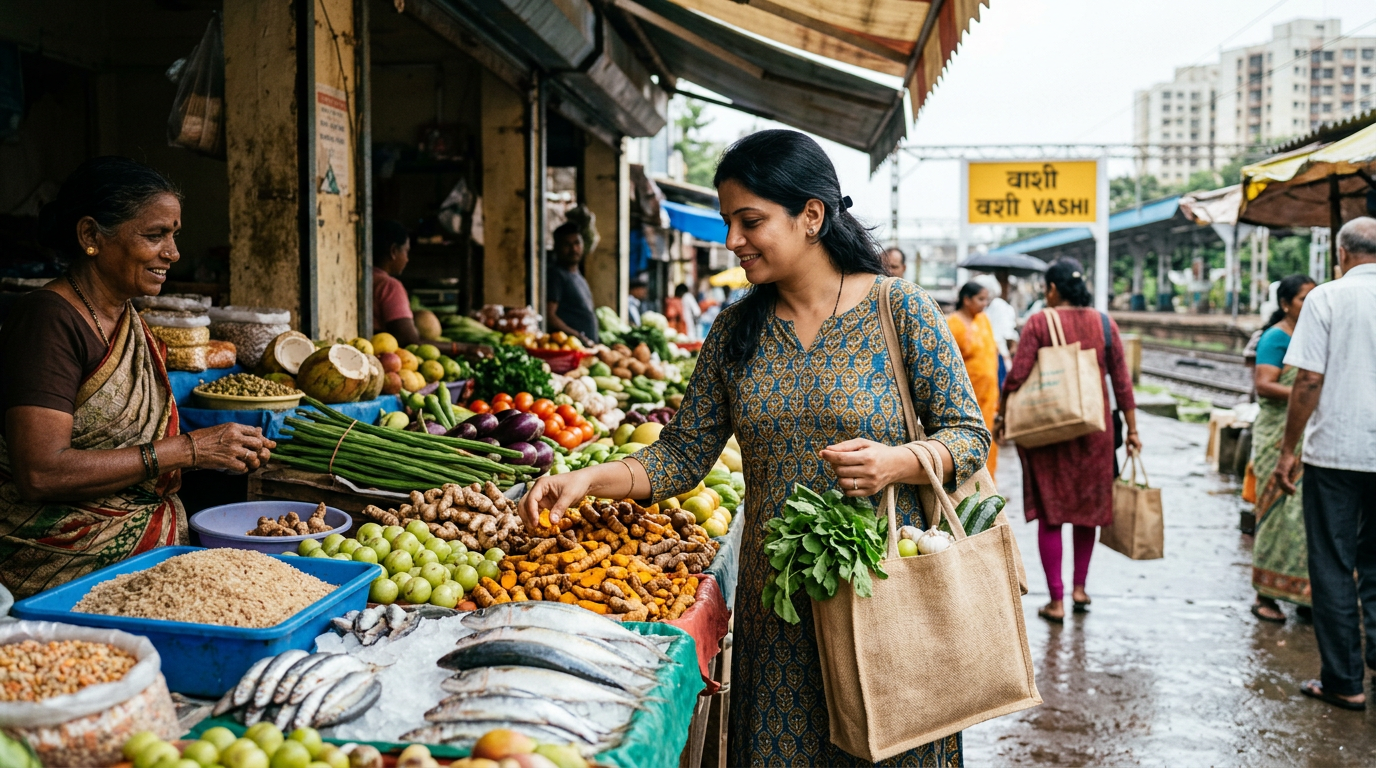
Too many dietary plans force you to hunt for expensive goji berries, chia seeds, and kale at boutique supermarkets in Bandra or Juhu. Real, biological healing happens through accessible, regionally adapted staples that our grandmothers understood intuitively. Here are the core ingredients to source from your local subzi mandi or the agricultural wholesale hubs like APMC Market in Vashi.
1. Native Spices and Bioactive Roots
The foundation of an anti-inflammatory kitchen rests on spices treated as botanical medicine rather than mere coloring agents:
- Salem Turmeric (Haldi): Raw turmeric root (kachi haldi) appears in local vegetable carts throughout late winter and spring. It contains high levels of curcumin, a compound proven to modulate inflammatory markers like TNF-alpha and interleukin-6. Always pair turmeric with freshly crushed black pepper and a healthy lipid, which increases curcumin absorption by up to 2,000 percent.
- Fresh Ginger (Adrak): Loaded with gingerols and shogaols, fresh ginger calms gastric inflammation, speeds gastric emptying, and protects against post-prandial gut fermentation. Grate it into daily rasam or warm morning infusions.
- Wild Kokum (Garcinia indica): Sourced straight from the Konkan belt, dried kokum rinds deliver hydroxycitric acid and garcinol, powerful antioxidants that outshine many standard laboratory supplements for cooling systemic acidity.
2. Indigenous Cold-Pressed Oils
Industrial vegetable oils undergo chemical extraction, deodorization, and bleaching, leaving behind oxidized polyunsaturated fatty acids that spark inflammation. Replace them with wood-pressed (kachi ghani) oils easily sourced from local mills in Girgaon or Matunga:
- Cold-Pressed Mustard Oil: Naturally packed with balanced monounsaturated fats and glucosinolates, which support lymphatic circulation and liver clearance pathways.
- Filter Groundnut and Sesame Oil: Stable at high cooking temperatures, rich in sesamol and vitamin E, and aligned with indigenous coastal cooking traditions.
- Pure A2 Desi Cow Ghee: Composed of butyric acid, a short-chain fatty acid that repairs damaged microvilli along the intestinal wall, curbing leaky gut and systemic reactions.
"You do not need an organic label from California to heal your gut. The freshest medicine in Mumbai is sold off handcarts in Lalbaug and Dadar Market every single morning: leafy moringa, raw turmeric, and indigenous coconut."
Marine Superfoods: Fresh Catch from Sassoon Dock to Navi Mumbai
Western diets champion Atlantic salmon for its high concentration of eicosapentaenoic acid (EPA) and docosahexaenoic acid (DHA). But Mumbai sits right on the Arabian Sea, giving us direct access to some of the planet's most potent anti-inflammatory marine life without paying ₹1,800 per kilogram for imported farmed fish.
Visit Sassoon Dock in Colaba at dawn, the iconic Bhaucha Dhakka (Ferry Wharf), or the busy fish markets of Khar Danda and Sector 9 Vashi to source these rich, local wild species:
- Rawas (Indian Salmon): A clean, fatty fish with broad flaky flesh. Sauté it lightly with green chilies, turmeric, and cold-pressed coconut oil rather than frying it to a crisp in oxidized sunflower oil.
- Bangda (Indian Mackerel): One of the most concentrated, affordable sources of omega-3 fatty acids available on the western coast. Priced between ₹150 and ₹300 per heap depending on the day's landing, bangda offers intense cardiovascular and neurological protection.
- Tarli (Indian Oil Sardine): Small, short-lived fish that accumulate virtually no heavy metals or microplastics. Cook them into a spicy, kokum-infused Konkani curry for rapid anti-inflammatory benefits.
- Surmai (King Mackerel / Indo-Pacific Kingfish): Rich in selenium and bioavailable protein, perfect for rebuilding muscle tissue after strength training.
Preparation matters just as much as freshness. The traditional coastal practice of deep-frying fish coated in refined rava (semolina) destroys delicate fatty acids and generates advanced glycation end-products (AGEs). Shift toward steaming fish in banana leaves with green coriander-chutney marinades or simmering them gently in traditional earthenware pots with [INTERNAL_LINK: local seasonal eating habits].
Everyday Inflammatory Traps in Mumbai Street and Office Culture
It is impossible to suppress chronic inflammation solely by adding turmeric to your routine if your daily habits continuously introduce dietary toxins into your system. City life normalizes several invisible drivers of metabolic distress:
The Reheated Commercial Frying Oil Hazard
Every time you indulge in a quick roadside snack outside railway stations—be it a piping-hot vada pav, bhajiya, or sev puri—you ingest oils that have been kept at smoking temperatures for hours. Commercial stall operators rely heavily on cheap, industrially hydrogenated palm oil or low-grade cottonseed oil. Repeated heating breaks down these triglycerides into free radicals, cyclic fatty acids, and acrolein, compounds that directly injure the epithelial barrier of your gut and accelerate arterial plaque formation.
The Refined Maida and Sugar Spike
The standard suburban workday often runs on cutting chai, commercial white bread maska, and processed biscuits around 11:00 AM and 4:30 PM. Each cutting chai contains roughly 8 to 12 grams of refined white sugar, triggering immediate insulin spikes. Sustained high insulin levels keep your liver in fat-storage mode and block natural detoxification enzymes, driving systematic low-grade joint and gut flare-ups.
Late-Night Food Delivery Dependency
Given that professionals routinely log off from offices in Andheri East or Thane after 8:30 PM, dinner often defaults to hyper-palatable takeaway meals from food delivery apps at 10:00 PM or later. Commercial restaurant cooking almost universally relies on monosodium glutamate, excessive sodium, and refined sauces to mask sub-par ingredients. Consuming heavy, processed meals just before bed ruins your slow-wave sleep cycles, preventing nocturnal cellular cleanup (autophagy) and leaving you waking up puffy and stiff.
Smart Food Swaps for the MMR Routine
Adopting this lifestyle does not require you to prepare entirely separate meals from your family. Instead, make intelligent, progressive substitutions that preserve the comfort of Maharashtrian, Gujarati, and North Indian home staples while elevating their anti-inflammatory profile:
- Swap Refined Wheat Phulkas for Ancient Millet Bhakris: High-gluten commercial wheat flour can trigger subtle intestinal permeability in sensitive individuals. Replace it with warm bhakris made from jowar (sorghum), bajra (pearl millet), or nachni (ragi / finger millet) bought freshly ground from your local chakki. Ragi is rich in polyphenols and delivers exceptional calcium without aggravating inflammation.
- Swap White Polished Rice for Single-Polished Indrayani or Wada Kolam: Heavily processed white rice spikes blood sugar rapidly. Traditional regional varieties like unpolished Wada Kolam from Palghar retain their mineral-dense outer bran layer, stabilizing post-meal glycemic response.
- Swap Sweetened Chai for Herbal Kadhas and Fresh Chaas: Refresh yourself mid-afternoon with traditional buttermilk tempered with roasted cumin seeds, crushed curry leaves, rock salt, and freshly chopped mint. The natural probiotics in homemade dahi re-inoculate the microbiome, cooling gastric irritation caused by humid Mumbai heat.
- Swap Morning Biscuits for Soaked Spiced Nuts: Swap glucose biscuits for soaked Mamra almonds, raw walnuts, and pumpkin seeds lightly toasted in A2 cow ghee with a pinch of sendha namak (rock salt).
A Practical 7-Day Mumbai Anti-Inflammatory Meal Plan
This balanced seven-day outline leverages ingredients readily available from local vendors in your neighborhood, keeping preparation realistic even if you balance a hectic work commute.
Day 1 to Day 3: Cooling the Digestive Tract
- Morning Ritual: 250 ml warm water with crushed fresh ginger, 1/4 teaspoon freshly grated Salem turmeric root, and two drops of cold-pressed coconut oil.
- Breakfast: Sprouted moong and methi cheela cooked on an iron tawa with cold-pressed sesame oil, accompanied by homemade fresh mint-coriander chutney.
- Lunch: Warm jowar bhakri, a rich bowl of drumstick (shevga) and tomato saar, steamed pumpkin sabzi, and a cup of spiced homemade chaas.
- Evening Snack: A fistful of roasted makhana (foxnuts) seasoned with black pepper, rock salt, and turmeric, alongside green tea or black coffee without sugar.
- Dinner: Fresh rawas or paneer cubes lightly pan-seared with turmeric, crushed pepper, and lemon juice, paired with a bowl of clear vegetable-ginger broth.
Day 4 to Day 5: Rebuilding Gut Integrity
- Morning Ritual: Overnight soaked methi (fenugreek) water with 5 soaked almonds and 2 walnut halves.
- Breakfast: Red poha tossed with abundant fresh curry leaves, mustard seeds, crushed peanuts, green peas, and fresh lime juice.
- Lunch: Unpolished brown rice or hand-pounded Wada Kolam rice served with black-eyed peas (chawli) curry, sautéed bitter gourd (karela) with fresh coconut shavings, and cucumber slices.
- Evening Snack: Tender coconut water (nariyal paani) from your local street vendor along with the soft, electrolyte-rich internal malai.
- Dinner: Steamed bangda fish curry made using a kokum and coconut milk base, accompanied by a small portion of steamed red rice, or a rich bowl of sprouted green gram soup with steamed sweet potatoes.
Day 6 to Day 7: Sustained Cellular Recovery
- Morning Ritual: Freshly squeezed white pumpkin (ash gourd / petha) juice with a pinch of rock salt and freshly crushed black pepper to balance gut pH.
- Breakfast: Warm nachni (finger millet) porridge cooked in water or diluted pure A2 cow milk, topped with toasted sunflower seeds and a trace of raw organic jaggery.
- Lunch: Bajra bhakri with traditional Maharashtrian pithla (chickpea flour gravy) cooked with plenty of garlic, accompanied by raw grated radish and a dollop of fresh cultured butter (makkhan).
- Evening Snack: Steamed sweet corn on the cob rubbed with fresh lemon and black salt, or a small bowl of boiled chana chaat with raw onions and tomatoes.
- Dinner: Large bowl of mixed vegetable khichdi prepared using equal parts yellow moong dal and broken brown rice, tempered in A2 ghee with cumin, whole black peppercorns, and freshly grated ginger.
Pair this whole-food approach with smart daily hydration. Humidity across coastal Thane and south Mumbai accelerates insensible electrolyte loss, so drinking structured minerals via fresh lemon water and unsweetened coconut water prevents stress hormones from climbing unnecessarily.
Navigating Restaurant Menus from Bandra to Belapur
Adhering to a healthy diet in Mumbai does not mean turning into a hermit. Whether you are conducting client lunches in BKC or dining out with friends along the buzzing lanes of Bandra West, you can maintain your metabolic goals with a few strategic ordering choices:
1. Choose Tandoor and Coastal Coastal Grills
Scan coastal and seafood menus (like Mahesh Lunch Home, Gajalee, or Highway Gomantak) for dishes prepared on the tawa or in the clay tandoor. Opt for tandoori pomfret, surmai tawa fry without deep rava crusting, or chicken cooked in clean, herb-heavy marinades instead of cashew-heavy, cream-laden commercial gravies.
2. Demand Cooking Modifications Politely
Most quality restaurants across Powai, Lower Parel, and Vashi are happy to accommodate dietary requests. Ask your server to have your vegetables or proteins sautéed in plain butter, pure ghee, or simply steamed, bypassing generic commercial vegetable oils. Politely decline complimentary bread baskets made with refined flour and ask for a fresh plate of sliced cucumbers, carrots, and onions with green chilies instead.
3. Rebalance the Next Morning
If social dining leads to an accidental indulgence in fried snacks or sugary desserts, avoid extreme compensatory measures like dry fasting or excessive treadmill running. Simply return to your baseline the next morning: drink warm ginger-infused water, eat clean homemade [INTERNAL_LINK: gut health recovery habits], and walk briskly for 30 minutes in your local neighborhood garden, such as Central Park in Kharghar or Shivaji Park in Dadar.
The Complementary Pillars: Sleep, Commute Stress, and Sunlight
Dietary adjustments operate in synergy with physical recovery. You cannot completely offset five hours of fragmented sleep and constant transit stress with turmeric and mackerel alone. The unique lifestyle patterns of the MMR require protective lifestyle adjustments alongside your meals:
- Offset the Humid Commute: Long drives or humid train rides dehydrate mucosal membranes, triggering low-grade inflammatory stress. Keep a stainless steel or copper bottle filled with filtered water and a pinch of pink rock salt with you at all times. Avoid plastic bottled water that has been baking in the sun outside suburban convenience stores, as high temperatures leach estrogenic phthalates straight into your drinking water.
- Prioritize Circadian Synchronization: Mumbai's night culture easily tempts residents into staying awake past midnight. Exposure to artificial blue light suppresses natural melatonin production, an essential nocturnal antioxidant that clears neural inflammation. Aim to sleep by 10:30 PM, keeping your bedroom dark and well-ventilated against coastal moisture.
- Capture Morning Sun on the Coastline: Low vitamin D3 levels plague urban Indians despite our tropical coordinates, often because we move between air-conditioned flats, cabs, and corporate towers. Spend twenty minutes between 7:30 AM and 8:30 AM walking along Marine Drive, Carter Road, or the Palm Beach Road promenade in Navi Mumbai to trigger native vitamin D synthesis, one of the master regulatory hormones governing systemic inflammatory expression.
Reclaim Your Vitality One Plate at a Time
Resolving chronic inflammation does not require a dramatic overhaul of your finances or your cultural identity. Healing takes root when you shift away from industrial, ultra-processed convenience items and return to the vibrant, regionally rooted bounty of Maharashtra’s coasts, farms, and traditional spice cabinets.
Begin by swapping refined cooking oils for cold-pressed mustard or groundnut oil this week. Introduce fresh wild mackerel or Konkani kokum saar to your weekend lunch. Swap evening biscuits for spiced roasted makhana and watch your energy stabilize across long working afternoons. Your body is remarkably resilient—when you supply it with unadulterated, biologically appropriate fuel, it responds by lowering inflammation, clarifying your mind, and restoring real physical endurance.
Ready to take your personal wellness journey further? Assess your current pantry staples today, make your first conscious grocery haul at your nearest neighborhood mandi, and track your digestion, energy, and joint comfort over the next fourteen days. The path to long-term vitality starts right here in our city.
Keep reading
Morning Routines for Energy: A Mumbai Commuter's Blueprint
Beat commuter fatigue and heavy coastal humidity with practical morning routines for energy, designed specifically for residents across Mumbai and Navi Mumbai.
Mumbai Morning Routines for Energy: Your Local Guide to a Better Day
Feeling drained before your day even starts? We get it. Here are powerful, realistic morning routines for energy, tailored specifically for the hustle of Mumbai and Navi Mumbai life.
Mumbai Morning Routines for Energy to Beat the 8:17 Virar Fast
Feeling drained before you even board the local train? These Mumbai-specific morning routines for energy will help you reclaim your mornings and power through your day.