
A Simple Anti-Inflammatory Diet Guide for Mumbaikars
Tired of persistent joint pain or feeling bloated after a weekend in Bandra? It might be chronic inflammation. Here's a simple anti-inflammatory diet guide for Mumbaikars.
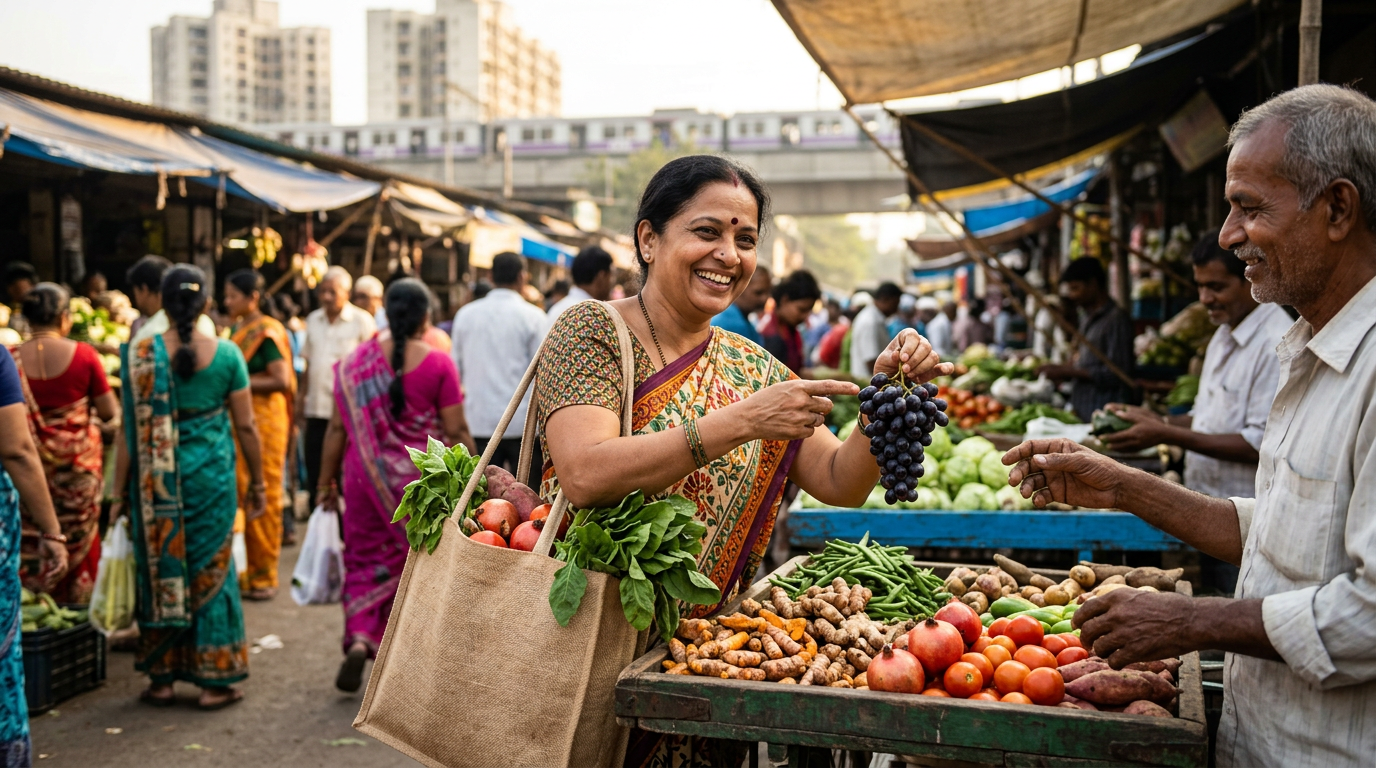
That persistent feeling of fatigue as you board the 8:52 AM local from Thane, the dull ache in your joints after a long week, or the skin issues that flare up without warning — many of us Mumbaikars write these off as byproducts of city life. The stress, the pollution, the demanding schedules. But what if there's a common, underlying culprit we can actually control? We're talking about chronic inflammation. And the most powerful tool you have to fight it is on your plate. This practical anti-inflammatory diet guide is designed specifically for us, navigating the beautiful chaos of Mumbai and Navi Mumbai, using the incredible resources right at our doorstep.
Understanding Inflammation: The Mumbai Connection
First, let's be clear: not all inflammation is bad. When you twist your ankle running along Carter Road, the swelling and redness are signs of acute inflammation — your body's essential healing response. The problem begins when this response doesn't switch off. This is chronic, low-grade inflammation, a silent process linked to a host of modern health concerns, from heart disease and diabetes to autoimmune conditions and persistent fatigue. For those of us living in the Mumbai Metropolitan Region (MMR), several factors can keep this inflammatory fire smouldering. The daily exposure to vehicle emissions on the Western Express Highway, the cortisol spike from a stressful day at your office in BKC, and, crucially, our dietary choices. While a plate of hot Kanda Bhaji during the monsoon is one of life's simple joys, a consistent diet high in processed foods, sugar, and unhealthy fats can contribute significantly to this underlying inflammatory state. It's not about demonising the occasional vada pav; it's about understanding the cumulative effect of our daily habits and tilting the balance in our favour.
The Building Blocks: Your Anti-Inflammatory Kitchen Staples
Creating an anti-inflammatory plate doesn't require exotic ingredients flown in from across the globe. In fact, the foundation of this diet is already rooted in traditional Indian cooking. The key is to focus on whole, unprocessed foods, and thankfully, our local markets are overflowing with them. Think colour, freshness, and flavour. Your goal is to fill your plate with foods that actively cool inflammation.
The Power Trio: Haldi, Adrak, and Lehsun
Our cuisine has championed these for centuries. Turmeric (haldi), with its active compound curcumin, is a potent anti-inflammatory. A pinch in your daily dal or sabzi is a great start, but for a real boost, try a warm glass of haldi doodh before bed. Ginger (adrak) is another powerhouse, perfect for soothing digestion and reducing inflammation, whether it's in your morning chai or grated into a curry. Garlic (lehsun) completes the trifecta, known for its immune-boosting and anti-inflammatory properties. Using these fresh is always better than powdered versions, so make friends with your local sabziwala in Pali Market or Matunga.
Go Green (and Orange, and Red)
The mantra is to eat the rainbow. Dark leafy greens like spinach (palak) and fenugreek (methi) are packed with antioxidants. Brightly coloured vegetables like bell peppers, carrots, and beets provide a spectrum of vitamins and inflammation-fighting compounds. A simple kachumber salad (cucumber, tomato, onion) with your lunch is an easy and effective way to increase your raw veggie intake. Prioritise seasonal produce for the best flavour, price, and nutrient profile. What's available in abundance at the Vashi APMC market is usually your best bet.
Sourcing Your Superfoods in Mumbai and Navi Mumbai
Knowing what to eat is one thing; knowing where to find the best quality is the real Mumbai hack. The city offers a fantastic range of options, from sprawling wholesale markets to niche organic stores.
Fresh Produce and Spices
For the freshest, most vibrant vegetables and fruits, nothing beats a trip to a local market. While supermarkets in Powai or Andheri offer convenience, the quality and price at places like Dadar's vegetable market or the farmer's markets that pop up in places like Bandra West and Thane are often superior. For Navi Mumbai residents, a weekend trip to the APMC market in Vashi can stock you up for the week. When it comes to spices, avoid pre-packaged powders that may have been sitting on shelves for months. Seek out local spice shops (you'll find excellent ones in Lalbaug) where they grind whole spices for you on the spot. The aroma and potency are worlds apart.
Healthy Fats and Quality Proteins
Healthy fats are crucial for taming inflammation. Stock up on nuts and seeds like almonds, walnuts, and flaxseeds, which are readily available at any dry fruit store or larger grocers like Nature's Basket. For cooking, consider switching to cold-pressed oils. Good quality cold-pressed coconut oil, groundnut oil, or even traditional ghee (in moderation) are far better choices than refined vegetable oils. For non-vegetarians, fatty fish is a fantastic source of omega-3s. While pomfret and surmai are delicious, oily fish like Indian mackerel (bangda) are particularly high in these beneficial fats. You can get the freshest catch from Sassoon Docks if you're an early riser, or from your trusted local fisherwoman.
"People in Mumbai often blame the pollution or the water for their health issues, but they overlook the profound impact of daily dietary choices. Shifting from processed, high-sugar foods to a diet rich in whole, anti-inflammatory ingredients found right in our local markets can be transformative for energy levels, skin health, and overall well-being."
– Dr. Ananya Sharma, a leading nutritionist based in Khar.
Foods to Limit: Navigating Mumbai's Culinary Temptations
This isn't about deprivation. It's about awareness and making conscious choices most of the time. In a city bursting with incredible food at every corner, from the khau gallis of Ghatkopar to the high-end bakeries of Bandra, inflammatory foods are everywhere. The key is to identify the main culprits and reduce their frequency.
- Sugar and Refined Grains: This is perhaps the biggest challenge. The sugar in your cutting chai, the maida in your morning toast or pav, the biscuits from the office canteen, and the celebratory desserts all contribute to inflammation. Try to limit added sugars and swap white bread, pasta, and rice for their whole-grain counterparts like brown rice, whole wheat rotis, or millet-based breads.
- Processed and Fried Foods: Those convenient packaged snacks, instant noodles, and deep-fried treats are often loaded with unhealthy fats (trans fats and omega-6 fatty acids), preservatives, and sodium, all of which drive inflammation. The monsoon craving for bhajiyas is real, but maybe make it a weekly treat rather than a daily habit. Consider investing in an air fryer for a healthier way to get that satisfying crunch at home.
- Certain Oils: Highly processed vegetable oils like soybean, corn, and sunflower oil are very high in omega-6 fatty acids. While we need some omega-6s, the modern diet provides them in excess compared to anti-inflammatory omega-3s, creating an imbalance. Stick to the healthier fats mentioned earlier.
Remember, it's about an 80/20 balance. Enjoy your favourites mindfully and occasionally, but make anti-inflammatory choices your daily default.
A Sample Anti-Inflammatory Day for a Busy Mumbaikar
So, what does this look like in practice for someone with a 90-minute commute? It's simpler than you think. This plan focuses on easy-to-prepare, dabba-friendly meals.
- Early Morning (7:00 AM): Start your day not with a caffeine jolt, but by hydrating and kick-starting your digestion. A glass of warm water with lemon and a pinch of grated ginger works wonders. Alternatively, a warm turmeric latte (haldi doodh with a dash of black pepper to aid absorption) is a comforting, anti-inflammatory start.
- Breakfast (8:30 AM): Before you rush out the door from your apartment in Kharghar, have a breakfast that provides sustained energy. A bowl of poha loaded with peas, onions, and peanuts is a classic choice. Another great option is a moong dal chilla (savoury lentil pancake) with mint-coriander chutney. Both are quick and packed with nutrients.
- Lunch (1:00 PM): Your tiffin is your best friend. Pack a balanced meal of brown rice or a couple of millet bhakris, a portion of dal (try adding palak or methi to it), a simple vegetable sabzi (think seasonal gourds, beans, or cauliflower), and a generous serving of kachumber salad.
- Mid-Afternoon Snack (4:00 PM): This is the crucial moment to avoid the office samosa run. Keep a small container of roasted makhana (fox nuts), a handful of almonds and walnuts, or a piece of seasonal fruit like a banana or guava at your desk. This will curb the 4 PM slump and keep you energised for the commute home.
- Dinner (7:30 - 8:00 PM): Aim to eat a lighter meal at least 2-3 hours before you sleep. A large bowl of hearty vegetable and lentil soup is an excellent option. If you're non-vegetarian, a piece of grilled fish with a side of sautéed vegetables is perfect. For vegetarians, a simple paneer or tofu stir-fry with lots of colourful bell peppers and broccoli works well.
Beyond the Plate: Lifestyle Habits to Cool Inflammation
Diet is the cornerstone, but your lifestyle plays an equally important role. To truly manage chronic inflammation, you need a holistic approach that suits the Mumbai context.
Stress Management
Let's face it, living here is stressful. The crowded trains, the traffic jams, the constant noise — it all adds up. Chronic stress leads to high cortisol levels, which fuels inflammation. You don't need a month-long retreat to manage it. Start with small, consistent practices. Use your commute time productively by listening to guided meditations or calming music instead of endlessly scrolling. Practice 5 minutes of deep belly breathing when you feel overwhelmed at work. Consider joining a weekend yoga class; there are excellent studios across the city, from Bandra to Chembur. [INTERNAL_LINK: best yoga studios in mumbai]
Prioritise Sleep
In the 'city that never sleeps,' getting enough quality rest is a revolutionary act. Sleep is when your body undergoes critical repair and detoxification processes. Poor sleep is a major driver of inflammation. Aim for 7-8 hours per night. Create a relaxing bedtime routine: turn off screens an hour before bed, read a book, and make sure your bedroom is dark and cool. It might be difficult with the sounds of the city, but even small improvements in sleep hygiene can have a big impact.
Incorporate Movement
Regular, moderate exercise is a powerful anti-inflammatory. This doesn't mean you have to spend a fortune on a gym membership in Juhu. It's about finding movement you enjoy and can stick with. A brisk walk or jog along Marine Drive or Worli Sea Face, a weekend trek in the Sanjay Gandhi National Park, or simply taking the stairs in your building are all fantastic options. Even 30 minutes of consistent movement each day can significantly lower inflammatory markers in the body.
Your First Step Towards a Healthier Mumbai Life
Tackling chronic inflammation might seem like a daunting task, but it's entirely within your control. It begins in your own kitchen, with the choices you make every day. The beauty of this anti-inflammatory diet guide is that it relies on the foods and flavours that are already a part of our culture. It’s not about a radical, restrictive diet; it’s about a mindful shift towards whole, fresh, and nourishing foods that our local markets so generously provide. By reducing your intake of inflammatory processed foods and embracing the power of spices, vegetables, healthy fats, and a balanced lifestyle, you can reclaim your energy, soothe your aches, and build a more resilient foundation for your health. Ready to get started? Don't try to change everything at once. Pick one or two simple swaps to incorporate this week. Maybe it's adding a vegetable sabzi to your dinner every night or trading your sugary afternoon chai for a cup of green tea. What’s the first small change you’re inspired to make? Share your commitment in the comments below!
Keep reading
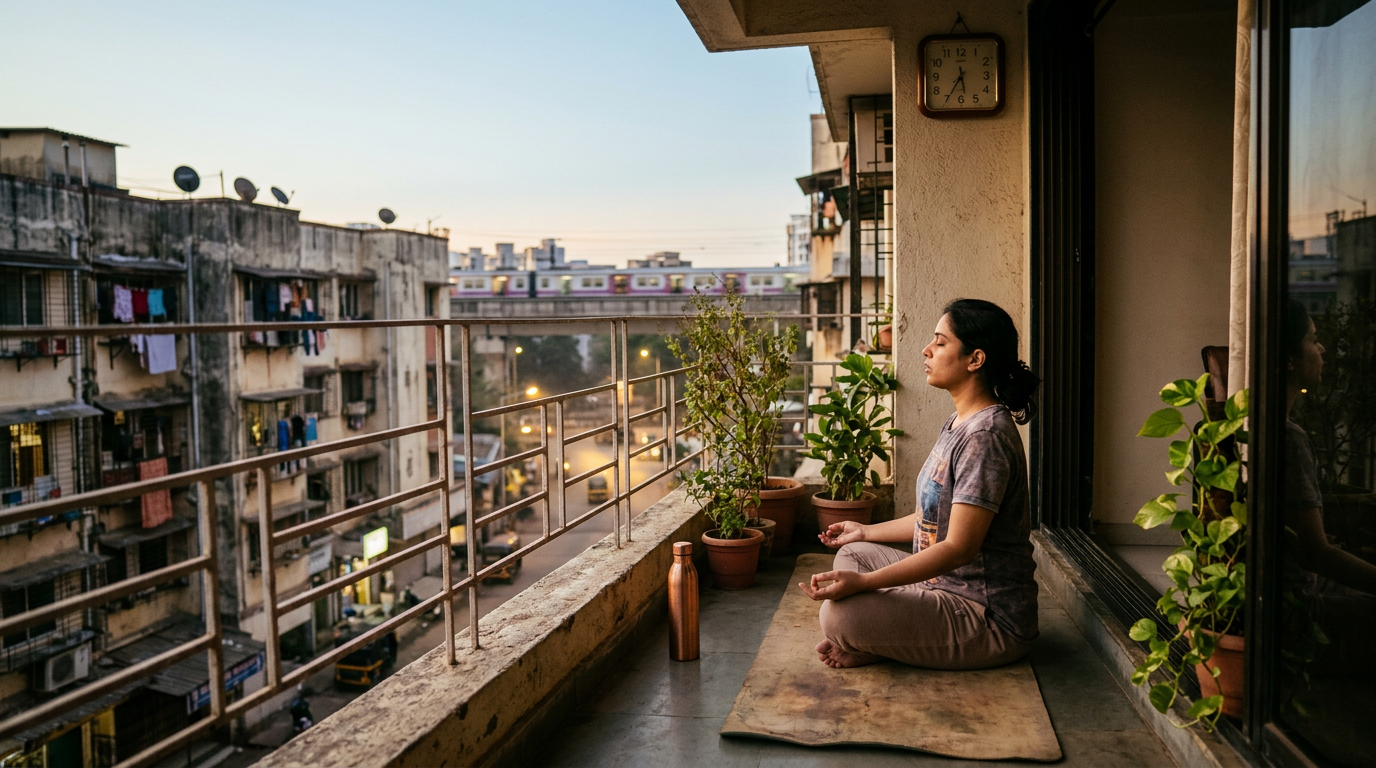
Mumbai Morning Routines for Energy to Beat the 8:17 Virar Fast
Feeling drained before you even board the local train? These Mumbai-specific morning routines for energy will help you reclaim your mornings and power through your day.
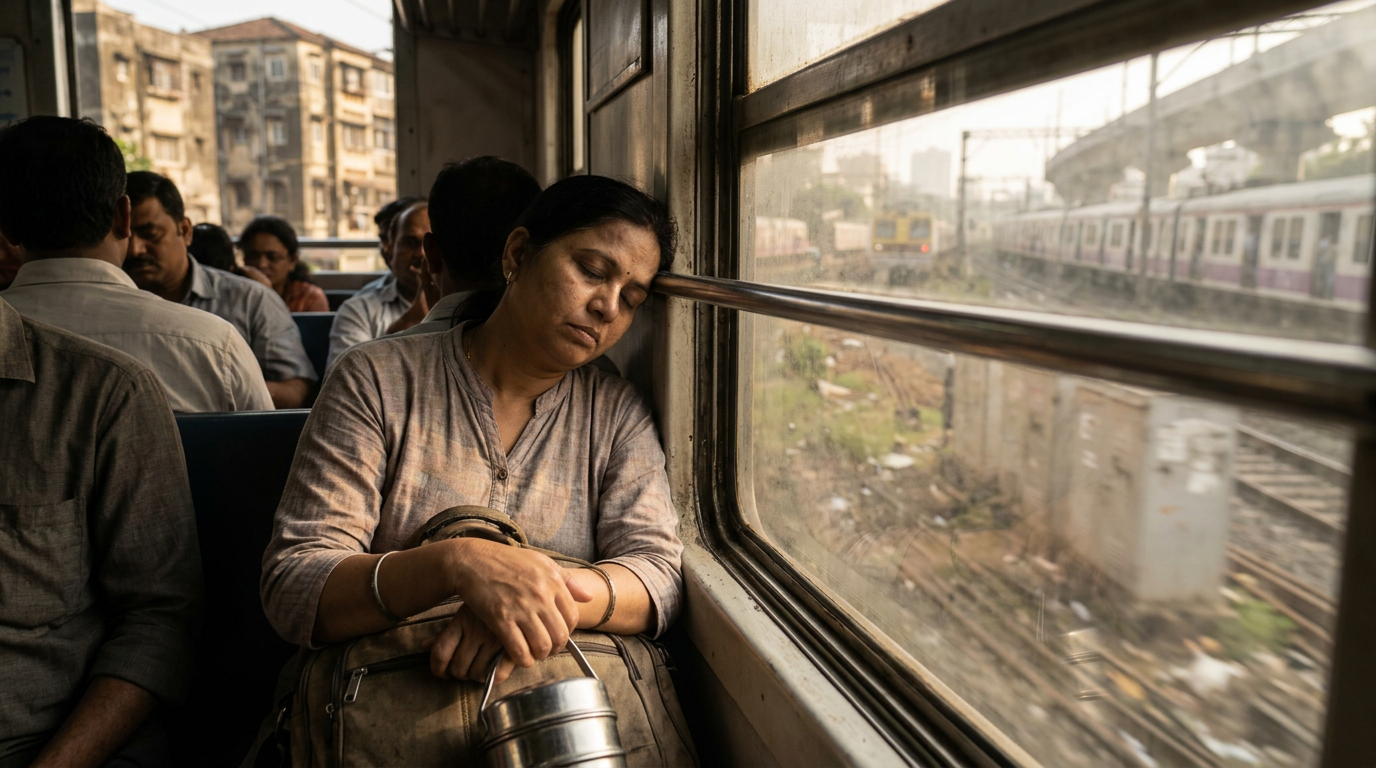
Recognising the Signs of Burnout: A Mumbai Recovery Guide
Are the crowded local trains and endless BKC meetings leaving you exhausted? We explore the common signs of burnout Mumbaikars face and offer local tips for recovery, from Bandra to Navi Mumbai.
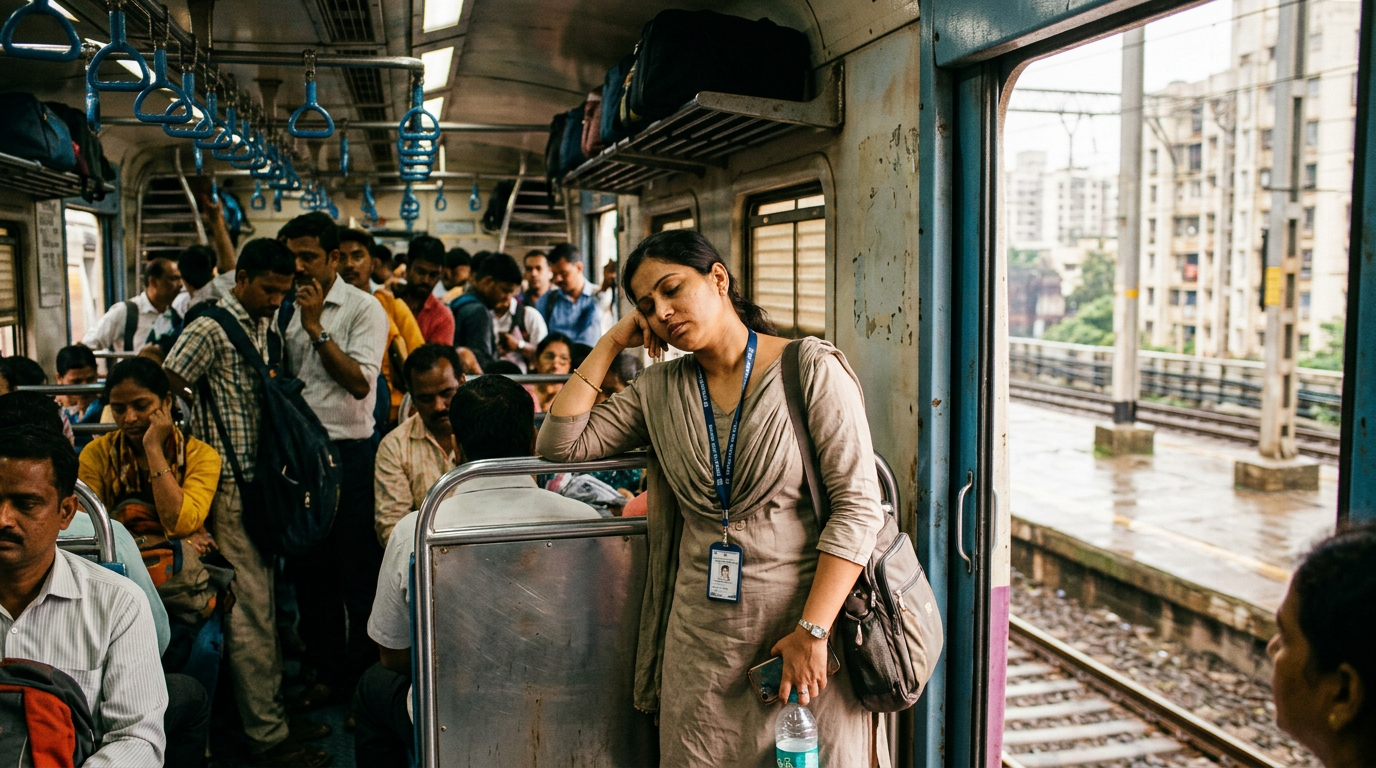
Beat Burnout in Mumbai: 7 Signs & Your Recovery Guide
Is the Mumbai hustle leaving you drained? From chronic fatigue to cynicism, learn to spot the signs of burnout and discover city-specific recovery tips to reclaim your well-being.