
Spotting the Signs of Burnout in Mumbai: A Guide to Recovery
Constantly tired from the local train commute and endless work calls? You might be experiencing burnout. Here's how to identify the signs and get back on track in Mumbai.
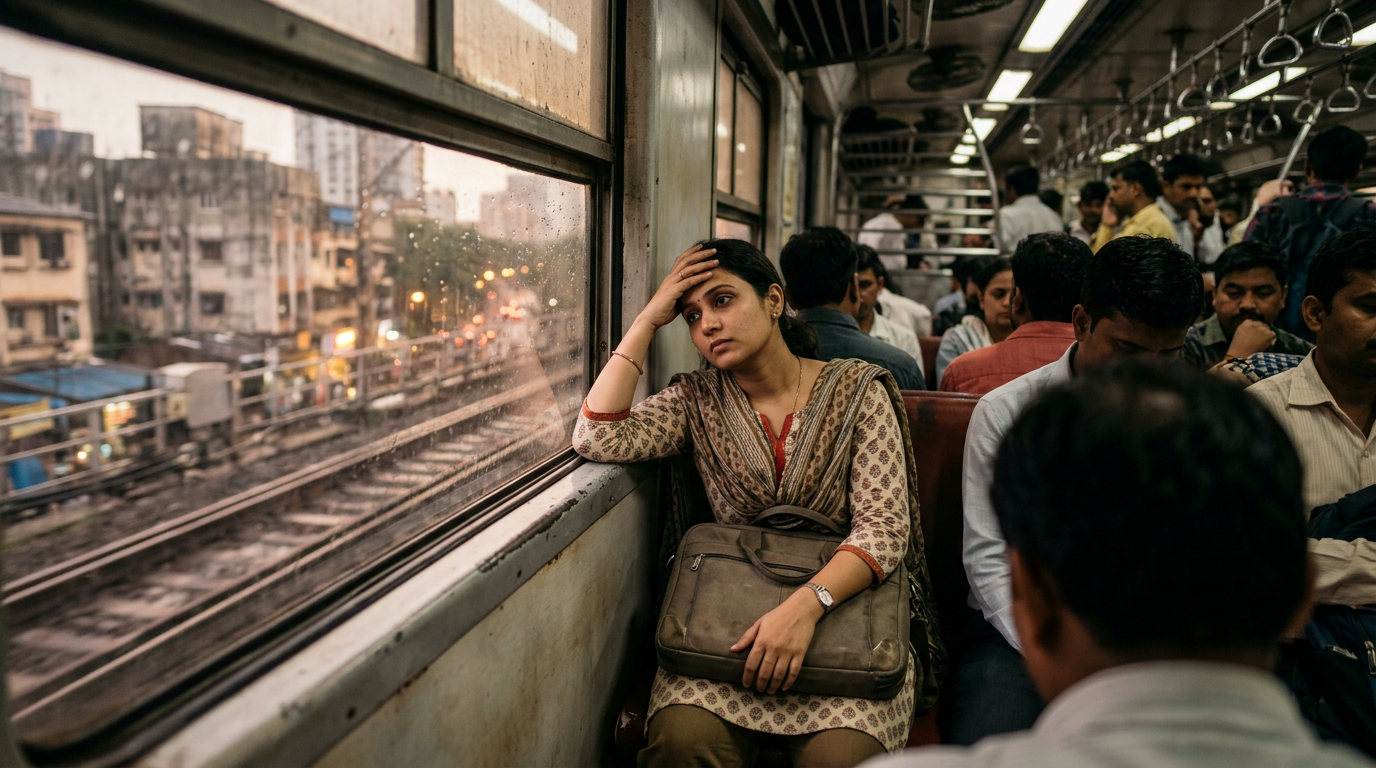
That feeling. The one that hits you on a Tuesday morning when the 8:32 AM fast local from Thane is already a sweatbox and you haven’t even reached your office in Lower Parel. It’s more than just tiredness; it’s a deep, soul-level exhaustion. You might brush it off as just another part of the “Mumbai spirit,” but what you’re feeling could be the classic signs of burnout. It’s an increasingly common condition in our high-octane city, where the pressure to perform is as relentless as the pre-monsoon humidity. Recognizing it is the first, most crucial step toward reclaiming your energy and well-being.
What is Burnout? It’s More Than Just a Bad Week in BKC
Many of us use the term “burnout” casually after a particularly demanding week. But according to the World Health Organization (WHO), it’s a legitimate occupational phenomenon resulting from chronic workplace stress that has not been successfully managed. It’s not just about feeling stressed; it’s about feeling spent. Think of it this way: stress is like navigating the chaotic traffic circle at Sion. It’s high-energy, frantic, and you’re over-engaged, desperately trying to find your exit. Burnout, on the other hand, is the feeling of being stranded on the Eastern Freeway at 2 AM with an empty fuel tank. There’s no energy, no engagement—just a hollow sense of emptiness and a feeling of being completely stuck. Burnout is characterized by three main dimensions:
- Feelings of energy depletion or exhaustion.
- Increased mental distance from one’s job, or feelings of negativism or cynicism related to one's job.
- Reduced professional efficacy.
This isn't something a weekend of binge-watching on Netflix or a Friday night out in Bandra can fix. It’s a deeper state of emotional, physical, and mental exhaustion. The pressure cooker environment in many Mumbai offices, from the finance hubs in the Bandra-Kurla Complex (BKC) to the tech parks in Airoli and Powai, can create the perfect storm for burnout to take hold if we aren't careful.
The Emotional Signs: When the Mumbai Spirit Fades
Before burnout manifests physically, it often starts as a slow emotional drain. These feelings can be subtle at first, easy to dismiss as just being “in a mood.” But when they persist, they are significant red flags that your emotional reserves are running dangerously low.
A Pervasive Sense of Cynicism
Do you find yourself rolling your eyes in meetings (even on Zoom)? Do you feel disconnected from the work that once excited you? This cynicism is a core component of burnout. It’s a defense mechanism. When you feel emotionally exhausted, detaching yourself from your work and colleagues feels like a way to conserve energy. You might find yourself making cynical jokes about your clients, your company’s mission, or the entire industry you work in. That passion you once had for your creative agency job in Andheri West now feels like a distant memory, replaced by a sense of futility.
Emotional Exhaustion and Numbness
This is the hallmark of burnout. It's the feeling of having nothing left to give. The thought of your daily commute from Virar or Panvel fills you with a sense of dread. You feel overextended and emotionally drained, unable to cope with the demands of your life. It’s not just about work; this exhaustion can spill over into your personal life. You might feel too tired to engage with your family or friends, preferring isolation. That Sunday morning cricket game with friends at Shivaji Park or a family walk along Carter Road feels like a monumental effort you simply can't muster.
Physical Manifestations: Your Body Is Keeping Score
The mind and body are intricately linked. When you’re mentally and emotionally exhausted, your body often bears the brunt. The relentless pace of Mumbai life can already be tough on our physical health, and burnout significantly amplifies these effects. Ignoring these physical signals is like ignoring the warning horn of an approaching local train—it will eventually run you over.
Chronic Fatigue and Sleep Disturbances
This isn't the kind of tiredness that a good night's sleep or a strong cutting chai from a roadside vendor near Churchgate station can fix. It's a bone-deep weariness that lingers day after day. You might wake up feeling just as tired as when you went to bed. For many, burnout leads to insomnia. You lie awake for hours, your mind racing with work-related anxieties and a never-ending to-do list. Or, you might fall asleep easily but wake up multiple times during the night, unable to get the restorative deep sleep your body and brain desperately need. This sleep deprivation creates a vicious cycle, worsening your emotional exhaustion and cognitive function during the day.
Weakened Immunity and Physical Pains
Are you catching every cold that goes around the office? Do you suffer from persistent headaches, muscle pain, or stomach issues? Chronic stress, a precursor to burnout, wreaks havoc on your immune system, making you more susceptible to infections. The constant state of high alert floods your body with cortisol, which, over time, can lead to inflammation and a host of physical problems. Many Mumbaikars complain of stress-induced acidity, back pain from long hours at a desk, and tension headaches that become a near-daily occurrence. It’s your body's way of screaming for a break.
Behavioural Red Flags: Changes in Your Daily Habits
Burnout doesn't just change how you feel; it changes how you act. You might not even notice these shifts yourself, but friends, family, or colleagues may point them out. These behavioural changes are often coping mechanisms, albeit unhealthy ones, for dealing with overwhelming exhaustion and cynicism.
Social and Professional Withdrawal
Remember when you used to look forward to post-work plans or weekend get-togethers? If you’re experiencing burnout, you might find yourself consistently turning down invitations. The idea of socialising, even with close friends at a favourite pub in Powai or a cafe in Juhu, feels draining. You prefer to be alone, not because you're an introvert, but because you lack the energy for social interaction. This withdrawal also happens at work. You might start coming in late, leaving early, or taking more sick days. You may stop contributing in meetings and avoid taking on new projects, a behaviour known as 'presenteeism'—you’re physically there, but mentally checked out.
Increased Reliance on Unhealthy Coping Mechanisms
When you feel overwhelmed and depleted, it’s natural to seek comfort. For some, this might mean an extra glass of wine or beer after work to “unwind.” For others, it could be a nightly ritual of ordering greasy, comforting food from Swiggy or Zomato because the thought of cooking is too much to handle. Some might even turn to smoking or other substances to numb the feelings of stress and exhaustion. While these may provide temporary relief, they ultimately exacerbate the problem, contributing to poor sleep, low energy, and a general decline in physical and mental health. This is a slippery slope and a clear sign that you’re not coping in a sustainable way.
The Mumbai Grind: Unique Triggers in the Maximum City
While burnout is a global phenomenon, living and working in the Mumbai Metropolitan Region (MMR) comes with its own unique set of stressors that can fast-track the path to exhaustion. Understanding these local triggers is key to building resilience against them.
“I used to love the energy of this city. Now, it just feels like noise. I spend three hours commuting from Kharghar to my ad agency in Bandra. By the time I get home, I have no energy left for my family, let alone myself. My entire life has become about work and travel. I feel like I'm running on fumes.”
- A 34-year-old Senior Art Director
This sentiment is all too common. Here are some of the primary triggers:
- The Commute of Attrition: Whether you’re packed into a Central line local, inching along the Western Express Highway in traffic, or navigating the potholed roads during monsoon, the daily Mumbai commute is a significant source of chronic stress and physical exhaustion. It eats into personal time, shortens sleep, and starts and ends your day on a stressful note.
- Sky-High Costs and Performance Culture: The astronomical cost of living, particularly housing in desirable areas, creates immense financial pressure. This translates into a hyper-competitive work culture where long hours and constant availability are often seen as badges of honour. The pressure to secure that promotion or hit that target to afford rent and maintain a certain lifestyle is a relentless driver of stress.
- A Scarcity of Personal Space and Quiet: From crowded apartments to perpetually noisy streets and public spaces, finding a moment of genuine peace and quiet in Mumbai is a luxury. This constant sensory overload can prevent your nervous system from ever truly relaxing and resetting, contributing significantly to mental fatigue.
Starting Your Recovery: Practical Steps for Mumbaikars
Recovering from burnout is not an overnight process. It requires a conscious and deliberate effort to change your habits, mindset, and environment. The good news is that it is entirely possible, even within the chaos of Mumbai. It begins with small, intentional steps.
Step 1: Acknowledge and Create Distance
The first and most difficult step is to admit to yourself that you are burnt out. Stop telling yourself to “just push through.” Once you’ve acknowledged it, the next step is to create some real distance. This means taking a proper break. And no, a weekend isn't enough. Try to take at least a week off work. A “digital detox” during this time is highly recommended—no work emails, no LinkedIn, no Slack. Use this time to do nothing, or to do things that bring you joy without pressure.
Step 2: Reclaim Your Time and Space in the City
You don't always need to escape the city to find peace. Mumbai and Navi Mumbai offer pockets of calm if you know where to look. Re-integrate these into your routine:
- Embrace the Outdoors: Start your day with a quiet walk along Marine Drive or Worli Sea Face before the city wakes up. In Navi Mumbai, the long stretch of Palm Beach Road or the Central Park in Kharghar are excellent options. On weekends, a visit to the Sanjay Gandhi National Park in Borivali or the Karnala Bird Sanctuary near Panvel can be incredibly restorative.
- Plan Micro-Getaways: Utilise your weekends for short trips. The Ro-Ro ferry from Bhaucha Dhakka to Mandwa makes Alibaug an easy and refreshing getaway. A short drive to Lonavala, Karjat, or Igatpuri can provide a much-needed change of scenery.
- Rediscover Hobbies: Engage your mind and body in something completely unrelated to work. Join a pottery studio in Bandra, a weekend theatre workshop in Dadar, a Zumba class in Vashi, or a local trekking group that explores the Sahyadris. [INTERNAL_LINK: best hobby classes in mumbai]
Building Resilience: Long-Term Strategies for a Balanced Life
Recovery is about immediate relief, but building resilience is about long-term prevention. You need to fundamentally change your relationship with work and your approach to self-care to avoid falling back into the burnout trap. This means creating a sustainable lifestyle that works for you in the Mumbai context.
Set and Enforce Firm Boundaries
The “always-on” culture is a major contributor to burnout. It's time to reclaim your off-hours. This is challenging but non-negotiable.
- Define Your Workday: Decide on a hard stop time and stick to it. Mute work notifications on your phone after hours. Let your colleagues and superiors know that you will not be available after a certain time unless it is a genuine emergency.
- Learn to Say No: You don't have to say yes to every project, task, or social invitation. Over-committing is a direct path to exhaustion. Politely declining when your plate is already full is a sign of self-awareness, not weakness.
- Take Your Breaks: Don't eat lunch at your desk. Step away, even if it's just for 15-20 minutes. Walk around the building, listen to a song, or just sit in silence. These small pauses can make a big difference.
Prioritise Your Physical and Mental Health
Your well-being should be a non-negotiable item on your daily agenda.
- Fuel Your Body: If you're too exhausted to cook, consider a healthy tiffin service. Many services in Mumbai now offer nutritious, home-style meals, which are a far better alternative to daily takeaways. [INTERNAL_LINK: healthy tiffin services mumbai]
- Move Your Body: Find a form of exercise you genuinely enjoy. It could be joining a Cult.fit centre, practicing yoga at a local studio in Chembur or Thane, swimming, or simply committing to a brisk walk in your neighbourhood park.
- Seek Professional Support: There is no shame in seeking help. Talking to a therapist or a counsellor can provide you with tools and strategies to manage stress and recover from burnout. Many therapists now offer online sessions, making it incredibly convenient for busy schedules. Finding a qualified professional in your area is easier than ever.
Living in Mumbai is a marathon, not a sprint. The city demands a lot, but it also offers incredible opportunities for growth, connection, and recreation. Burnout is a serious signal that your current pace is unsustainable. It’s a warning light telling you to refuel and change your strategy. By recognizing the signs, understanding the local triggers, and taking deliberate steps toward recovery, you can not only overcome burnout but also build a more resilient and fulfilling life in this incredible, maddening, and ultimately rewarding city.
If these signs of burnout feel uncomfortably familiar, please don't ignore them. Your well-being matters. Start today by taking one small, manageable step. What will it be? Share your thoughts or first step with us in the comments below.
Keep reading
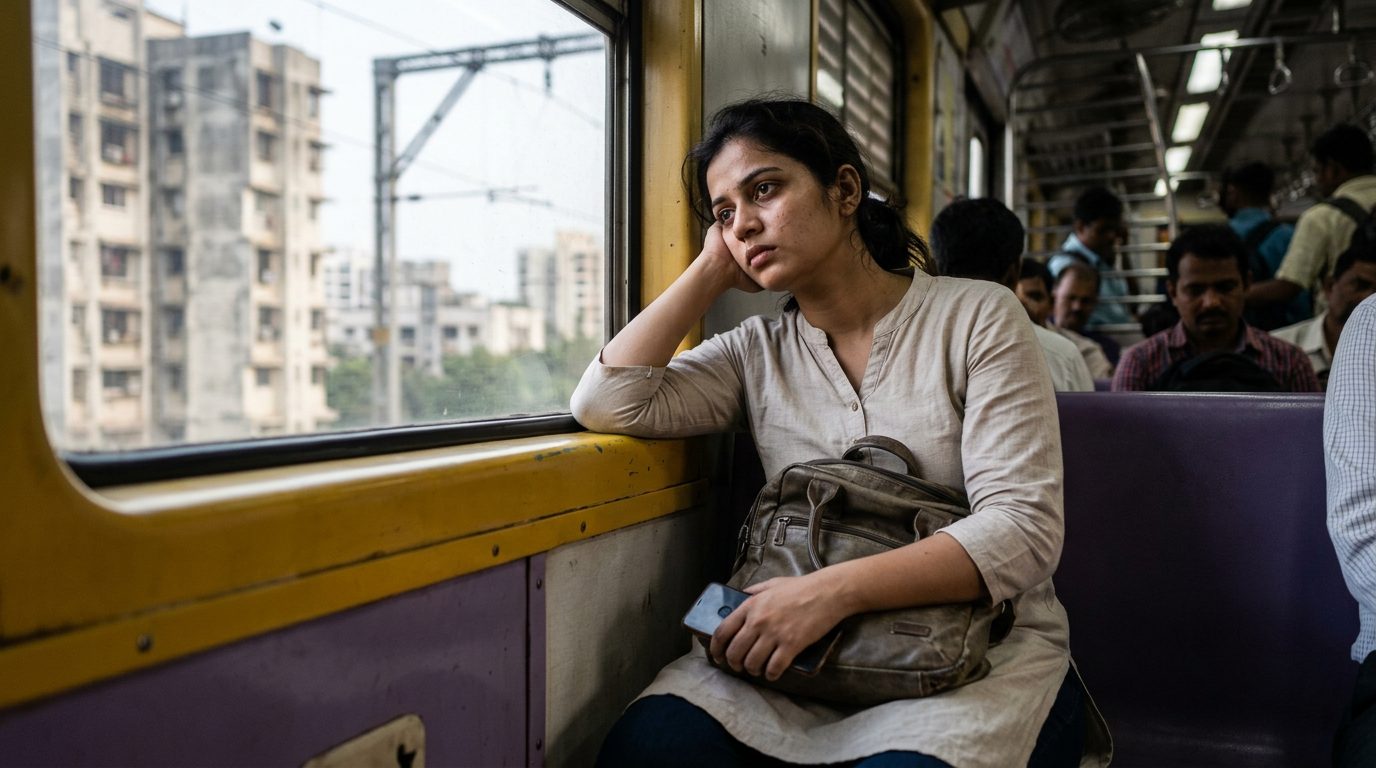
Spotting the Signs of Burnout in Mumbai: Your Recovery Guide
Is the Mumbai grind wearing you down? From the Virar fast to BKC deadlines, we explore the crucial signs of burnout and offer a practical guide to recovery in our city.
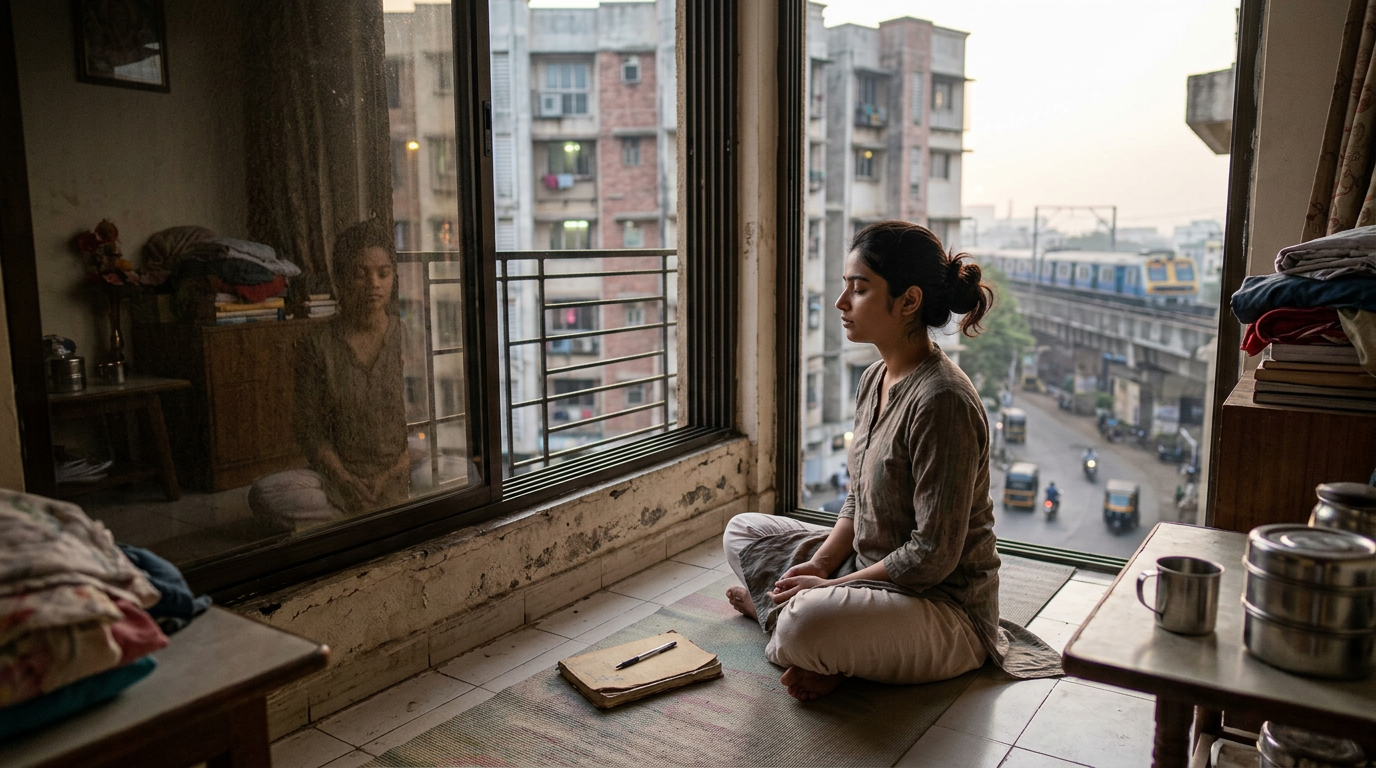
Mumbai Morning Routines for Energy: Beat the Local Train Rush
Feel drained before you even reach CSMT? This guide details Mumbai-specific morning routines for energy, helping you start your day with focus and vitality, ready for anything the city throws at you.

A Simple Anti-Inflammatory Diet Guide for Mumbaikars
Tired of persistent joint pain or feeling bloated after a weekend in Bandra? It might be chronic inflammation. Here's a simple anti-inflammatory diet guide for Mumbaikars.