
Spotting the Signs of Burnout in Mumbai: Your Recovery Guide
Is the Mumbai grind wearing you down? From the Virar fast to BKC deadlines, we explore the crucial signs of burnout and offer a practical guide to recovery in our city.
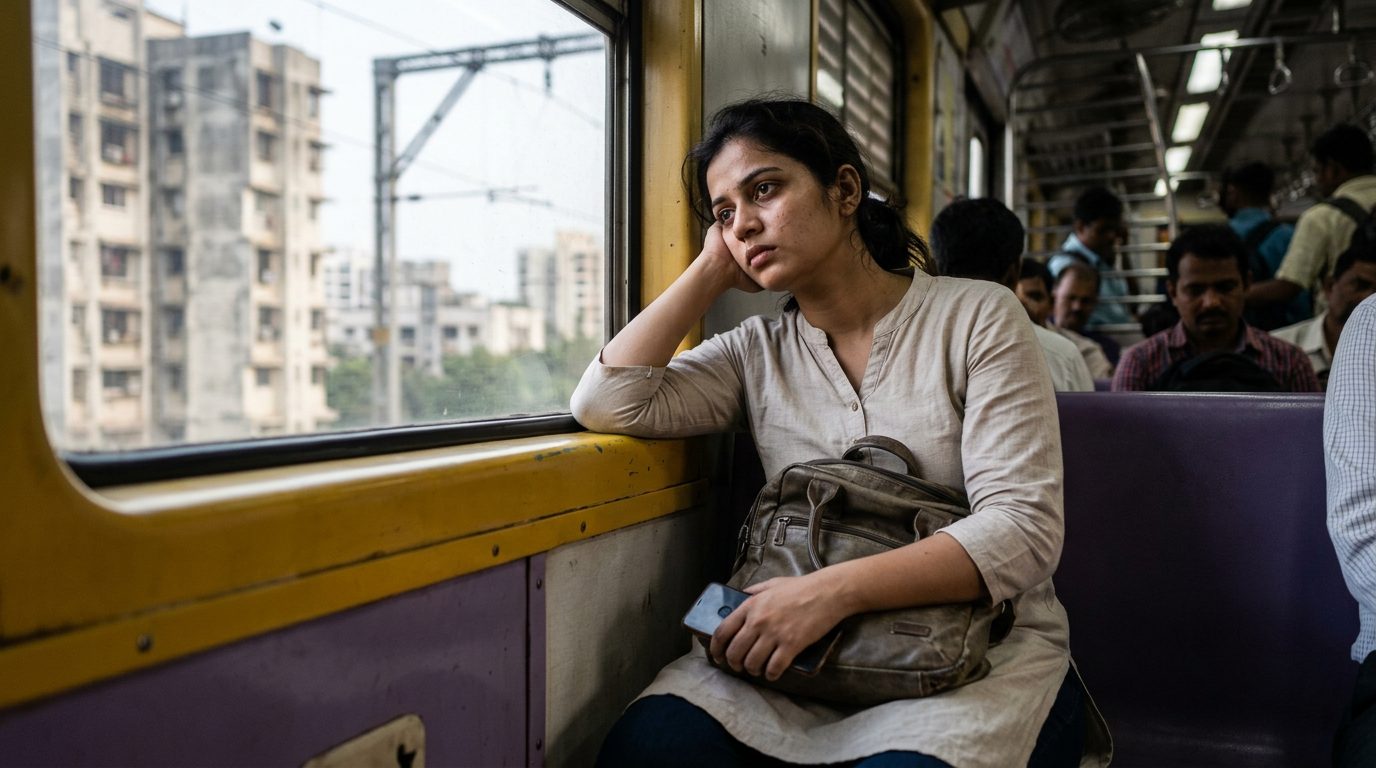
Are You Just Tired, or Is It Burnout? Recognizing the Red Flags in Mumbai
The 7:42 AM Virar fast. Another impossible deadline at the Bandra Kurla Complex office. The perpetual horn symphony on the Western Express Highway. For Mumbaikars, this isn't just a stereotype; it's a Tuesday. We thrive on this city's kinetic energy, its promise of opportunity, its relentless pace. But what happens when that pace starts to break you? When the city's energy drains your own, leaving you exhausted, cynical, and detached? You might be experiencing more than just stress. Recognizing the early signs of burnout is the first, most crucial step toward reclaiming your well-being in a city that never sleeps.
Burnout isn't a simple case of feeling tired after a long week. The World Health Organization defines it as an occupational phenomenon resulting from chronic workplace stress that has not been successfully managed. It's a state of profound physical, emotional, and mental exhaustion. In a high-pressure environment like the Mumbai Metropolitan Region (MMR), the lines between ambitious drive and debilitating burnout can blur easily. Whether you're a tech professional in a Powai startup, a media executive in Lower Parel, or a student juggling classes and a brutal commute from Thane, understanding these signs is non-negotiable for long-term survival and success.
The Physical Toll: When Your Body Keeps the Score
Long before your mind admits defeat, your body often sends distress signals. We're conditioned to push through physical discomfort in Mumbai—attributing a headache to the humidity or an upset stomach to that street-side pani puri. But when these symptoms become chronic, it's time to pay attention. Burnout manifests physically in ways that are often dismissed as part of the daily grind.
Common Physical Manifestations
- Persistent Fatigue: This isn't the kind of tiredness that a weekend of sleep can fix. It's a bone-deep weariness that’s with you from the moment you wake up, even if you’ve had eight hours of sleep. You feel like you're running on an empty battery, and even the thought of the commute from Navi Mumbai to South Bombay feels insurmountable.
- Headaches and Muscle Pain: Are you constantly popping pills for tension headaches during your workday? Do you have persistent neck and shoulder pain from hunching over a laptop in a cramped office? Chronic stress leads to physical tension, which can cause recurring headaches, migraines, and sore muscles.
- Digestive Issues: Your gut is highly sensitive to stress. Burnout can lead to a host of problems, from acid reflux and stomach cramps to changes in appetite. You might find yourself either skipping meals entirely or stress-eating unhealthy food from a nearby takeaway.
- Weakened Immune System: Do you seem to catch every cold that goes around the office? Chronic stress compromises your immune system, making you more susceptible to infections and illnesses. That recurring cough might be more than just the changing weather.
Think about it: that constant, low-grade feeling of being unwell isn't normal. It's your body's way of waving a red flag, telling you that your reserves are depleted. Ignoring these signs is like driving your car with the engine light flashing—eventually, a breakdown is inevitable.
Emotional Exhaustion & Cynicism: When the City Loses Its Magic
Mumbai is a city of passion. We're passionate about our work, our cricket, our vada pav. But burnout systematically corrodes that passion, replacing it with a hollow feeling of emotional exhaustion. This is the core symptom of burnout. It's the feeling of being so emotionally drained by your work and life that you no longer have the capacity to connect with others or engage with your environment.
Remember the feeling of awe watching the sunset at Marine Drive or the excitement of discovering a new cafe in the bylanes of Bandra? Emotional exhaustion makes these experiences feel muted, or worse, like a chore. The city's vibrant energy, once invigorating, now feels overwhelming and irritating. The crowds at Dadar station feel more hostile, the noise more grating. You might find yourself withdrawing from social activities you once enjoyed, preferring to stay home in your flat in Andheri rather than meeting friends in Juhu. This isn't introversion; it's self-preservation in the face of overwhelming depletion.
"The worst part of the burnout wasn't the exhaustion. It was the cynicism. I started my career in advertising in Lower Parel full of ideas and excitement. A few years in, I felt like a cog in a machine, detached from the work and deeply cynical about the industry. Nothing felt meaningful anymore."
This quote from a former colleague captures the second component of burnout: cynicism and depersonalization. You start to feel detached from your job and develop a negative, cynical attitude towards it. Your work, which might have once been a source of pride, now feels like a series of meaningless tasks. This can extend to your interactions with colleagues and clients, leading to a sense of isolation even in a bustling open-plan office.
Reduced Efficacy: The 'Hustle' That Goes Nowhere
One of the cruelest ironies of burnout is that you often work longer and harder, yet accomplish less. This is the third key dimension of burnout: a feeling of reduced professional efficacy. Despite putting in 12-hour days, you feel incompetent and unproductive. The focus that once allowed you to draft a report amidst the chaos of a shared workspace in WeWork BKC is now gone, replaced by brain fog and an inability to concentrate.
Tasks that were once easy now feel monumental. You might find yourself procrastinating on important projects, making careless mistakes, or struggling to come up with creative solutions. This isn't a reflection of your actual ability; it's a symptom of a brain overloaded by chronic stress. The mental resources required for problem-solving, creativity, and executive function are simply not available. For someone whose identity is tied to their professional achievements—a common trait among ambitious Mumbaikars—this feeling of ineffectiveness can be particularly devastating, leading to a vicious cycle of working harder, getting more exhausted, and feeling even less effective.
Step 1 for Recovery: Reclaim Your Time and Space
Recovering from burnout in Mumbai requires a conscious and deliberate effort to push back against the city's 'always-on' culture. It starts with setting firm boundaries to protect your time and energy. This is often the hardest step, as it can feel counter-cultural in many Mumbai workplaces.
Practical Boundary-Setting Strategies:
- Define Your Work Hours (and Stick to Them): Your office might be in Airoli, but its influence shouldn't follow you home to your apartment in Kharghar. Decide on a hard stop time for your workday and honor it. This means logging off Slack, closing your email tab, and physically or mentally stepping away from your work.
- The 'No' RSVP: Mumbai's social and professional calendar is endless. It's okay to say no. You don't have to attend every networking event, every team dinner, or every weekend plan. Prioritize rest. Declining an invitation to protect your mental health is a sign of strength, not a social failure.
- Guard Your Commute: The average Mumbaikar spends hours commuting. Instead of fuming in traffic on the JVLR or checking work emails on the local train, reclaim this time for yourself. Listen to a podcast, an audiobook, or some calming music. Or simply do nothing. Allow your mind to wander. This is your time, not your employer's. [INTERNAL_LINK: Best Podcasts for Your Mumbai Commute]
- Schedule 'Do Nothing' Time: Look at your calendar. It's likely filled with work meetings and social obligations. Intentionally schedule blocks of time with no agenda. This isn't time to run errands; it's time to simply exist. Maybe it's an hour on a Sunday morning to enjoy your chai and the newspaper without any pressure to be productive.
Setting boundaries is about teaching others how to treat you and, more importantly, reminding yourself that your value is not determined by your constant availability or productivity.
Step 2 for Recovery: Find Your Oasis in the Concrete Jungle
Strategic disconnection is vital for a burnt-out mind. You need to find places and activities that allow you to unplug from the stress and reconnect with yourself. Fortunately, even within the bustling MMR, pockets of peace exist. The goal is to find your personal 'off' switch.
- Embrace Nature's Therapy: You don't need to book a flight to find greenery. A weekend morning trek through the lush trails of Sanjay Gandhi National Park or Thane's Yeoor Hills can do wonders. For Navi Mumbaikars, a walk up Parsik Hill in Belapur offers panoramic views and a much-needed break from the urban sprawl. Even a simple walk along the Carter Road promenade, a quiet morning at Priyadarshini Park, or watching the flamingos in Sewri can help reset your nervous system.
- Rediscover Hobbies and Play: What did you love to do before work took over your life? Burnout recovery is the perfect time to rediscover those passions. Join a pottery class in Andheri, a weekend dance workshop in Bandra, or an amateur theatre group. Attend a play at Prithvi Theatre or an intimate concert at the NCPA. The act of engaging in something for pure enjoyment, with no goal or KPI attached, is powerfully restorative.
- Mindfulness and Meditation: You don't need a silent retreat in Igatpuri (though it can be amazing). Start small. There are numerous yoga studios across the city, from Vashi to Juhu, offering drop-in classes for around ₹500-₹1000. Apps like Calm or Headspace can guide you through a 10-minute meditation on your train ride. The goal is to practice being present, observing your thoughts without judgment—a critical skill for managing the mental overwhelm of burnout. [INTERNAL_LINK: Best Yoga Studios in Mumbai and Navi Mumbai]
Finding your oasis is about creating intentional moments of peace and joy that counterbalance the demands of your life. It’s an active process of choosing restoration over distraction.
Step 3 for Recovery: Seeking Professional Support in Mumbai
Sometimes, self-care strategies are not enough. Burnout can be a complex issue, often intertwined with anxiety, depression, or deep-seated professional dissatisfaction. In such cases, seeking professional help is not a last resort; it's a smart, proactive step towards recovery. The stigma around mental health in Mumbai is slowly diminishing, and resources are more accessible than ever.
A good therapist or counselor can provide you with a safe space to unpack the root causes of your burnout. They can equip you with coping mechanisms, help you re-evaluate your career path, and guide you in setting healthier boundaries. It’s an investment in your long-term well-being.
Finding Help in the City:
- Therapy Platforms: Organizations like The Mind Clan, Mpower, and Sukoon have curated lists of qualified therapists across Mumbai and offer both in-person and online sessions. They can help you find a professional who specializes in areas like work stress and burnout.
- What to Expect: A typical therapy session lasts about 50-60 minutes. The cost can vary widely, generally ranging from ₹1,500 to ₹4,000 per session in Mumbai, depending on the therapist's experience and location. Many therapists now offer sliding scale fees to make their services more affordable.
- Career Coaching: If your burnout is stemming from a deep dissatisfaction with your career, a career coach might be beneficial. They can help you identify your strengths, explore alternative career paths, and create a strategy for making a change, whether it's within your current company or in a new field entirely.
Remember, reaching out for help is a sign of profound strength. It’s acknowledging that you don't have to navigate this challenging experience alone. You wouldn't hesitate to see a doctor for a physical ailment, and your mental and emotional health deserve the same level of care and attention.
Your Mumbai Story Doesn't Have to Be a Burnout Story
Mumbai will always be a city of dreams and deadlines, of hustle and heart. It demands a lot from us, but it also offers immense rewards. The key is to find a sustainable way to live and work here, one that doesn't require sacrificing your well-being on the altar of ambition. Recognizing the signs of burnout—the deep fatigue, the growing cynicism, the feeling of ineffectiveness—is your wake-up call.
Recovery is not a destination but a continuous practice of self-awareness and self-compassion. It's about making small, consistent choices that prioritize your health. It’s choosing a walk at Worli Seaface over another hour at the office. It's muting your work WhatsApp group after 8 PM. It’s finally booking that introductory therapy session you've been considering.
Don't wait for a full-blown breakdown to make a change. Your health, your happiness, and your career depend on it. Start today. Pick one small, actionable step from this guide and commit to it. Your future self will thank you for it. What's one change you'll make this week to combat burnout? Share your thoughts and experiences in the comments below; you're not alone in this.
Keep reading
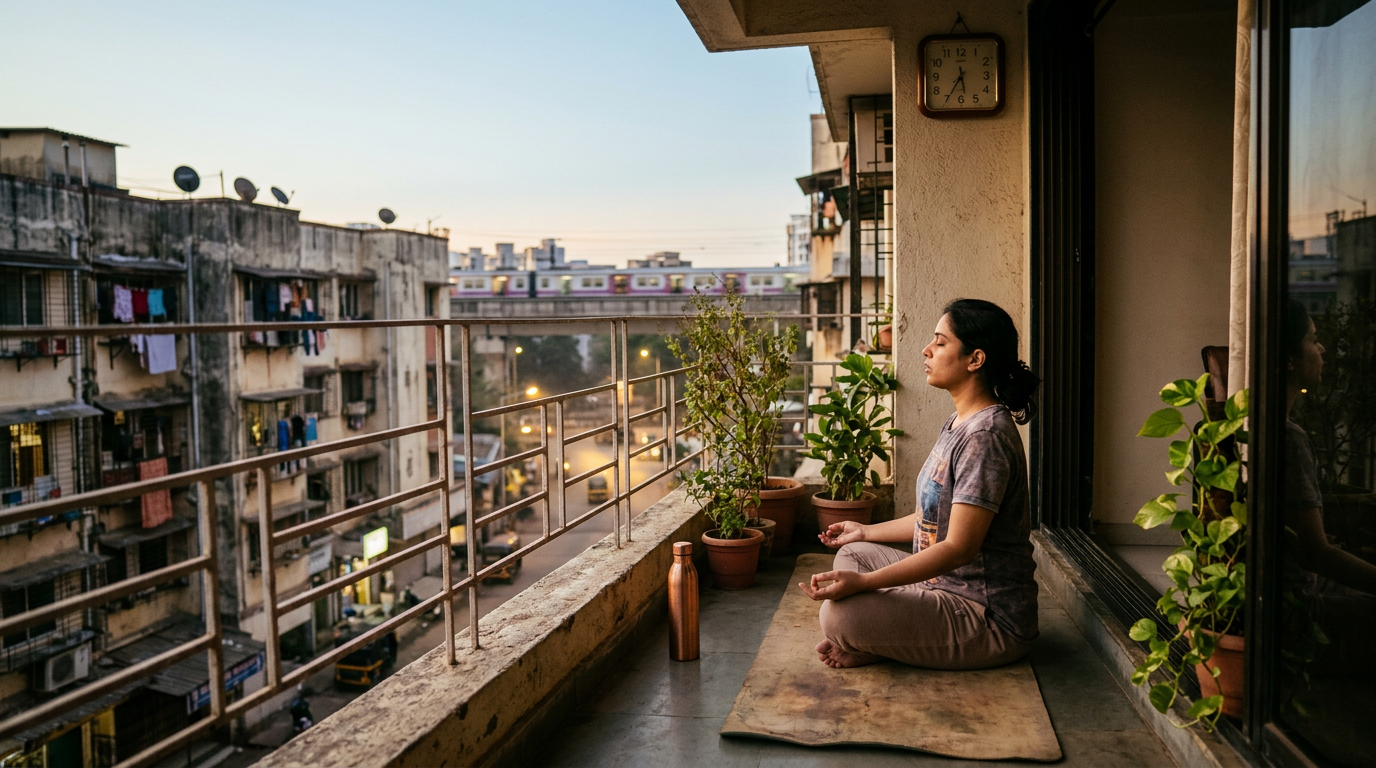
Mumbai Morning Routines for Energy to Beat the 8:17 Virar Fast
Feeling drained before you even board the local train? These Mumbai-specific morning routines for energy will help you reclaim your mornings and power through your day.
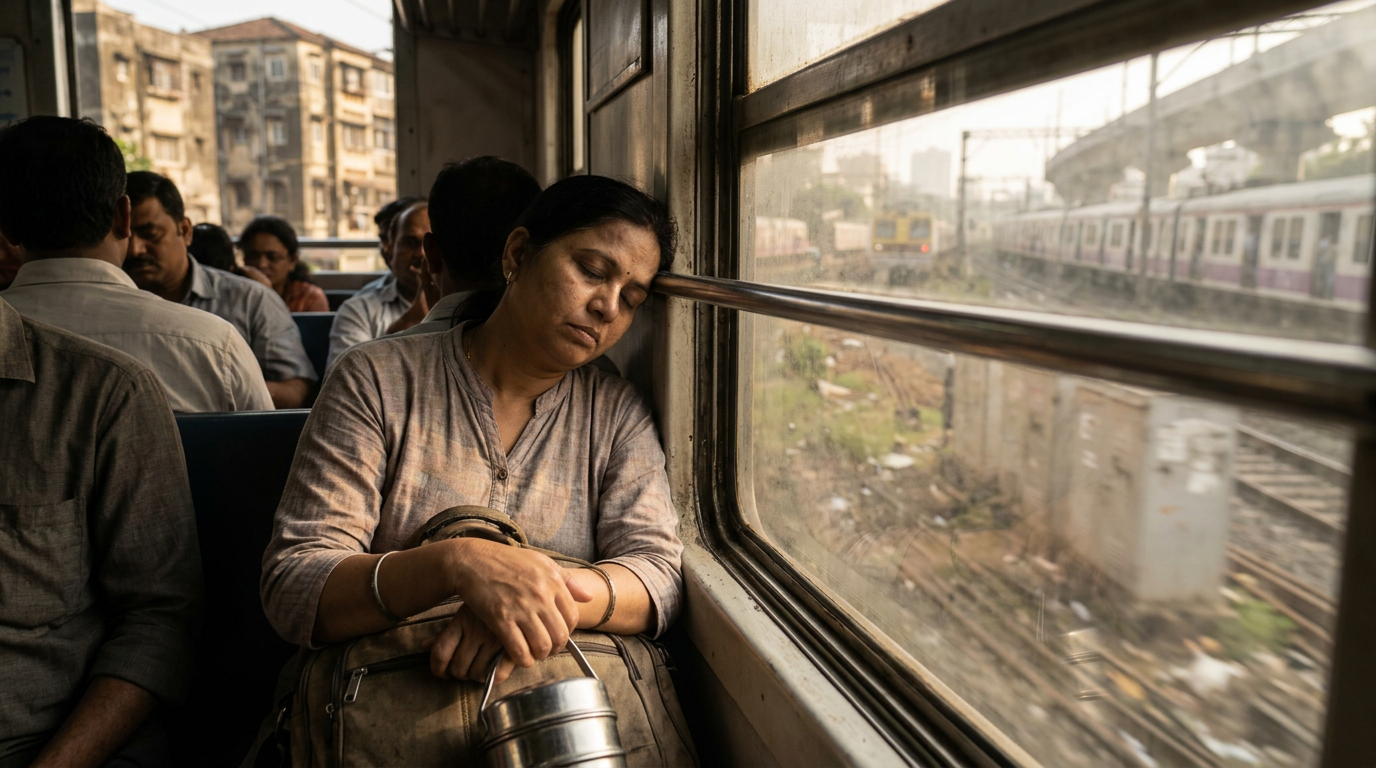
Recognising the Signs of Burnout: A Mumbai Recovery Guide
Are the crowded local trains and endless BKC meetings leaving you exhausted? We explore the common signs of burnout Mumbaikars face and offer local tips for recovery, from Bandra to Navi Mumbai.
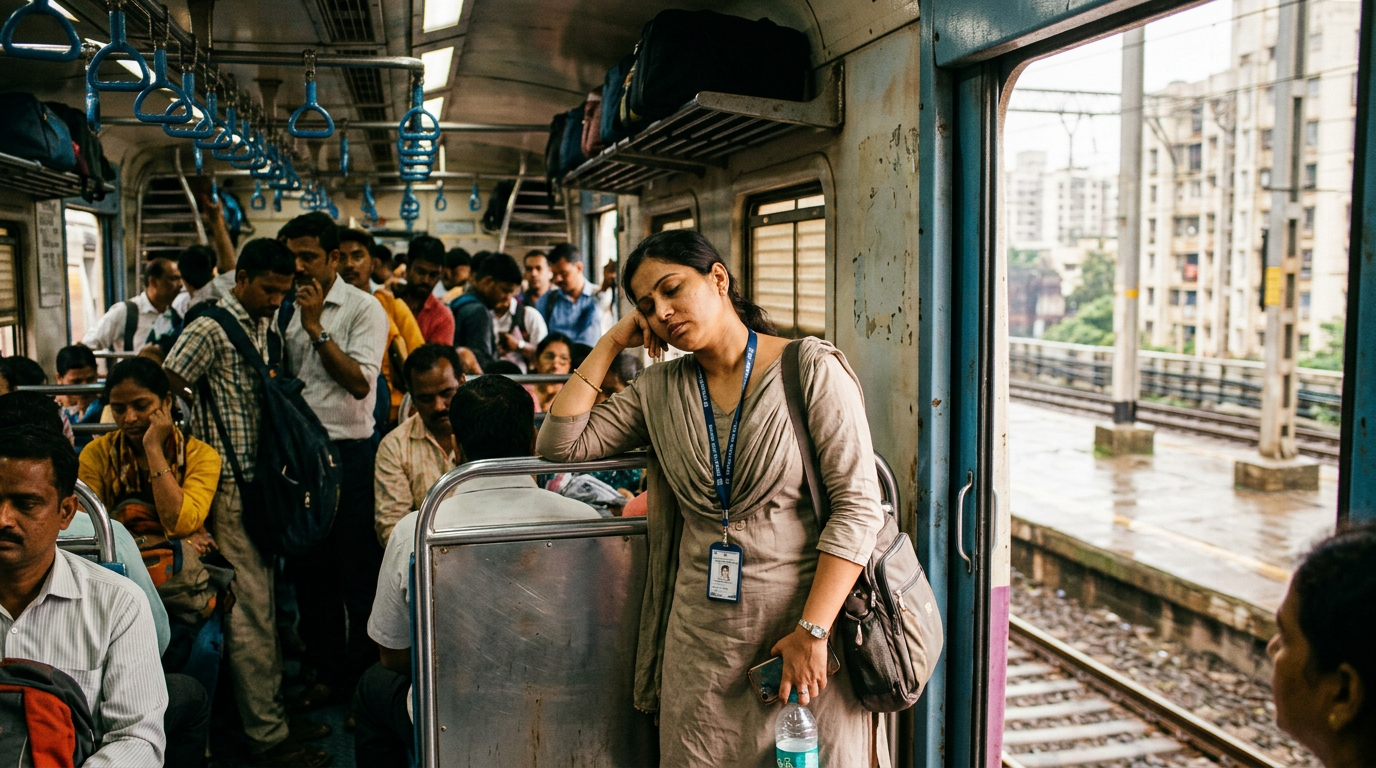
Beat Burnout in Mumbai: 7 Signs & Your Recovery Guide
Is the Mumbai hustle leaving you drained? From chronic fatigue to cynicism, learn to spot the signs of burnout and discover city-specific recovery tips to reclaim your well-being.