
Signs of Burnout in Mumbai: Your Local Guide to Recovery
That constant feeling of being 'drained' isn't just the Mumbai humidity. It could be burnout. We explore the critical signs of burnout and how to reclaim your energy in our city.
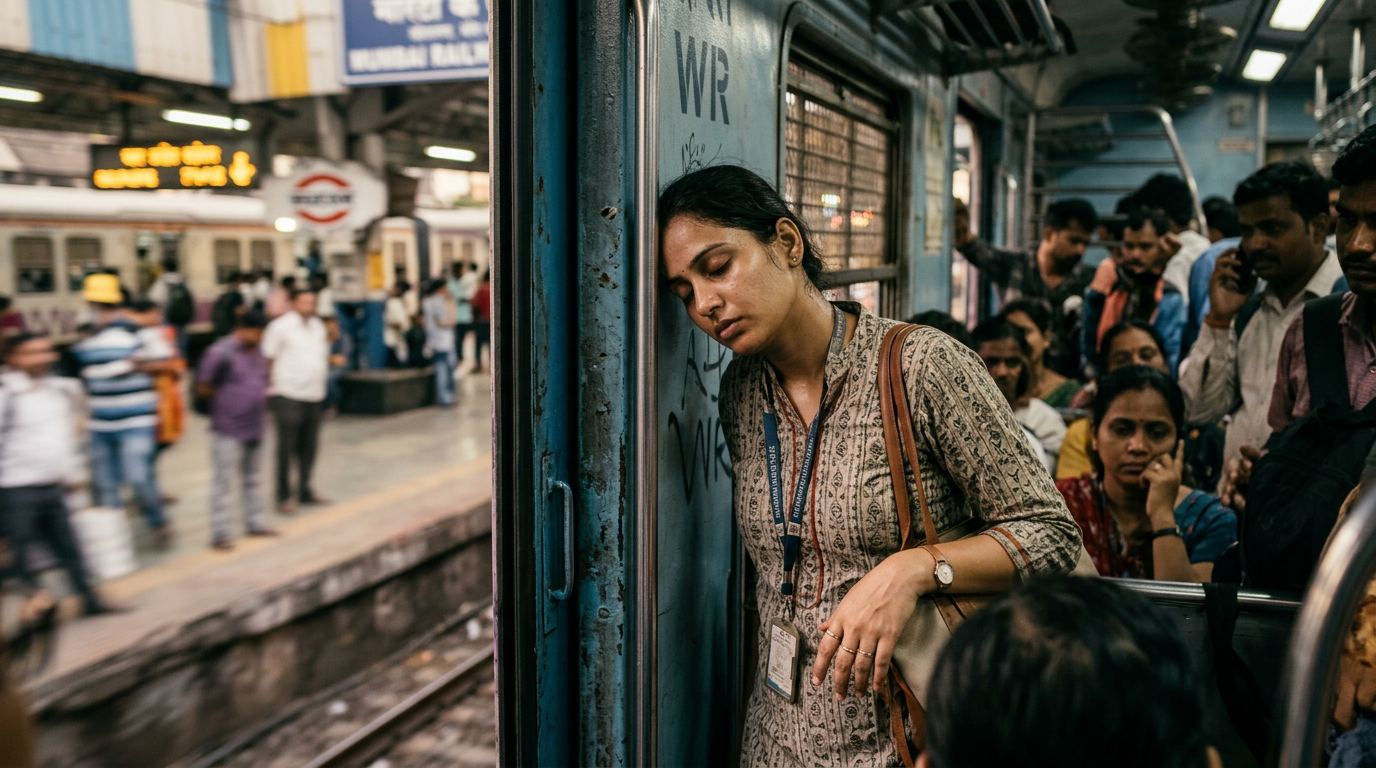
Running on fumes? It’s a familiar feeling for many of us in Mumbai. Between catching the 7:52 AM Virar fast, navigating the sea of people at Dadar station, and meeting impossible deadlines at a Bandra Kurla Complex (BKC) office, it’s easy to feel perpetually drained. But when does that constant tiredness cross the line from simple stress into something more serious? Recognising the signs of burnout is the first, most crucial step toward reclaiming your energy and well-being in a city that demands so much of it. This isn't just about feeling tired; it's a state of profound exhaustion that can impact every aspect of your life.
What is Burnout, Really? More Than a Bad Day at the Office
It's important to understand that burnout isn't just a buzzword for having a tough week. In 2019, the World Health Organization (WHO) officially classified it as an “occupational phenomenon.” It’s defined as a syndrome resulting from chronic workplace stress that has not been successfully managed. The key distinction lies between stress and burnout. Stress is often characterized by over-engagement—a feeling of urgency and hyperactivity. You're stressed, but you're still pushing forward. Burnout, on the other hand, is about disengagement. It's marked by feelings of emptiness, a lack of motivation, and emotional exhaustion.
Think of it this way: Juggling a high-pressure FinTech job in Lower Parel with a gruelling 90-minute commute from Thane is incredibly stressful. You’re constantly on edge, your mind racing. Burnout is what happens months later, when you can’t even muster the energy to care about that big project anymore. You feel cynical about your company's mission and disconnected from your colleagues. The pressure of Mumbai's hustle is a given, but when your internal fire to deal with it goes out completely, that's when burnout takes hold. It's a gradual erosion of your spirit, leaving you feeling hollowed out and questioning what it's all for.
The Sneaky Physical Signs You Might Be Ignoring
Our bodies often keep the score, and in a city as physically demanding as Mumbai, it's easy to dismiss aches and exhaustion as part of the package. However, the physical signs of burnout are persistent and go beyond normal fatigue. Are you sleeping a full eight hours but still waking up feeling like you’ve been hit by a BEST bus? That's a major red flag. This isn't the kind of tiredness that a strong cup of cutting chai can fix; it’s a deep, bone-weary exhaustion that lingers day after day.
Pay attention to these other physical manifestations:
- Frequent Headaches or Muscle Pain: That tension headache that starts on the Western Express Highway and doesn't leave until you're home in Borivali might be more than just traffic-induced stress.
- Changes in Sleep Habits: Insomnia is common, where you lie awake at night despite being exhausted, your mind replaying work scenarios. Alternatively, you might find yourself needing excessive amounts of sleep.
- Stomach or Bowel Problems: The infamous “Mumbai belly” can be exacerbated by chronic stress. If you're experiencing more digestive issues than usual, your nervous system might be in overdrive.
- Lowered Immunity: Are you catching every cold that goes around your Andheri office? Burnout can compromise your immune system, making you more susceptible to illnesses.
It’s a vicious cycle. The physical symptoms make it harder to perform at work and home, which in turn increases your stress, worsening the burnout. Don't just pop a painkiller and carry on; these are important signals from your body asking for a real break.
The Emotional Toll: When the 'Spirit of Mumbai' Fades
Mumbai is known for its resilient, can-do spirit. But one of the most insidious signs of burnout is when that very spirit begins to erode from within. This emotional exhaustion is a core component of the syndrome. It’s a feeling of being so emotionally depleted that you have nothing left to give to your job, your friends, or even your family. The vibrant energy of the city, which you once found invigorating, now feels overwhelming and irritating.
“I used to love the energy of Marine Drive at night. It felt like the city’s heartbeat. Now, when I’m heading home to Churchgate, I just see it as more headlights, more traffic, more noise. The joy is gone. I just feel… empty.”
- A 32-year-old marketing professional in South Mumbai
This emptiness is often accompanied by cynicism and detachment. You might find yourself becoming increasingly critical and negative about your job in a Powai startup that you once were passionate about. You start emotionally distancing yourself from your work and your colleagues, feeling like just another cog in a massive machine. Another key emotional sign is a sense of inefficacy—the feeling that you’re no longer effective at your job. Despite long hours, you feel a lack of accomplishment, which can be crushing to your self-esteem. That promotion you were chasing at your Navi Mumbai IT park office no longer seems worth the effort. This isn't laziness; it's a profound loss of professional purpose and motivation.
Recognising Burnout in Your Behaviour
When you're running on empty, your behaviour inevitably changes. These shifts can be subtle at first but become more pronounced as burnout deepens. One of the first things to go is your social life. You start withdrawing from friends and family. That post-work plan to grab a drink at a pub in Bandra West feels like a monumental effort, so you cancel. The Sunday family lunch in Chembur gets skipped in favour of staying in bed. You isolate yourself because you simply don't have the social or emotional energy to engage.
Your habits at work also transform. Procrastination becomes your default mode. Tasks that you used to handle with ease now feel insurmountable, so you put them off, leading to more stress and guilt. You might also notice a drop in your performance, missing deadlines or making careless mistakes. This is often tied to the cognitive-impairment aspect of burnout—difficulty concentrating and a persistent mental fog that's hard to shake, even after your morning coffee at the office canteen.
Perhaps most concerning is an increased reliance on unhealthy coping mechanisms. This could mean your occasional after-work beer turns into a nightly necessity. Or you find yourself mindlessly ordering high-calorie comfort food from Zomato every night instead of cooking. Some might turn to excessive shopping at a mall in Malad or endless scrolling on social media to numb the feelings of dread. It's an attempt to find a quick fix for a deep problem, a way to escape the feelings of exhaustion and disillusionment, but it only digs the hole deeper.
The First Step to Recovery: Acknowledge and Audit Your Life
You cannot fix a problem you refuse to acknowledge. The most critical step in recovering from burnout is admitting to yourself that what you're experiencing is real and serious. It's not a personal failure or a sign of weakness. It's a legitimate response to unsustainable, chronic stress. In a city that lionizes hustle, this admission can be the hardest part. But it's non-negotiable. Once you’ve named it, you can begin to systematically address it through a personal 'Burnout Audit'.
Take some time, maybe on a weekend, to sit down with a notebook in a quiet café in Fort or by the waterfront in Vashi. Ask yourself these honest questions:
- Identify the Primary Stressors: What are the biggest drains on your energy? Is it an impossible workload? A toxic manager? The soul-crushing daily commute from Kalyan to BKC? Be specific. List every single thing that contributes to your stress.
- Evaluate Your Work-Life Boundaries: Are you truly 'logging off'? Or are you checking work emails on your phone at 11 PM in your Kandivali apartment? Do you take a proper lunch break, or do you eat at your desk? Do your weekends belong to you, or to your laptop?
- Assess Your Support System: Who can you talk to? A trusted friend, a partner, a family member? Often, burnout leads to isolation, cutting us off from the very people who can help. Make a list of your support network.
- Review Your Self-Care Practices: What are you doing for you? And no, collapsing on the sofa to watch Netflix doesn't count as proactive self-care. Think about hobbies, exercise, and moments of genuine rest.
This audit isn't about blaming yourself. It’s about gathering data. It gives you a clear picture of what needs to change, transforming a vague sense of being overwhelmed into a concrete set of problems you can begin to solve. If this process feels too overwhelming, consider reaching out to a professional. [INTERNAL_LINK: mental health resources in Mumbai].
Building Your Mumbai Recovery Toolkit: Practical Steps & Local Resources
Once you’ve audited your situation, it's time to build a practical, localised recovery plan. Mumbai might be the source of the stress, but it also offers a wealth of resources for healing, if you know where to look.
Reclaiming Your Time: Setting Boundaries in a City That Never Sleeps
This is your first line of defense. Start small but be firm. Decide on a hard cut-off time for work and stick to it. Mute your work WhatsApp groups after hours. Use your lunch break for an actual break—step away from your desk, even if it's just for a 15-minute walk around the office block in Andheri East. Learning to say "no" to non-essential tasks or last-minute requests is a superpower. It might feel uncomfortable at first in Mumbai's competitive work culture, but protecting your time is essential for long-term survival.
Finding Your Green Oasis: De-stressing in the Concrete Jungle
Counteract the grey of the city with a dose of green. You don't need a trip to Lonavala to connect with nature. Plan a weekend morning hike through the trails of Sanjay Gandhi National Park in Borivali. Take a long, quiet walk along the Parsik Hill trails in Belapur, offering stunning views of Navi Mumbai. Even smaller green spaces like the Jogger's Park in Bandra, the lush grounds of the Horniman Circle Garden, or a quiet bench at Powai Lake can provide a powerful mental reset. The goal is to consciously seek out quiet and calm amidst the chaos.
Tapping into Local Wellness
The wellness scene in Mumbai is booming. Explore options that fit your budget and temperament. You can find high-end yoga studios in Khar and Bandra, but there are also more affordable community classes. A drop-in class might cost anywhere from ₹400 to ₹800. Consider trying a guided meditation app like Calm or Headspace during your train commute. Many centres also offer workshops on mindfulness and stress reduction. Exploring these options can provide you with tangible tools to manage your mental state. [INTERNAL_LINK: best yoga studios in Navi Mumbai].
Long-Term Strategies: Preventing a Relapse
Recovering from burnout is one thing; ensuring it doesn't happen again is another. It requires a fundamental shift in your lifestyle and your relationship with work. Think of it as creating a 'burnout-proof' life in Mumbai. This isn't a one-time fix but a continuous practice of self-awareness and self-preservation. Integrating a few key strategies into your daily and weekly routine can make a world of difference and help you thrive, not just survive, in the city.
Here are some long-term strategies to consider:
- Mindful Commuting: The daily commute is a major stressor for most Mumbaikars. Instead of getting frustrated by the crowds or mindlessly scrolling through social media, reclaim that time. Listen to an engaging podcast, an audiobook, or calming music. It transforms dead time into 'me time'.
- The Weekend Reset: Guard your weekends fiercely. Dedicate at least one day to activities that are purely for joy and relaxation, with no chores or work allowed. This could be a ferry ride to Alibaug, exploring the street art of Bandra, visiting the Elephanta Caves, or simply reading a book at a quiet café in Matunga.
- Nourish Your Body Properly: The convenience of street food and delivery apps is tempting, but poor nutrition can exacerbate feelings of fatigue. Explore Mumbai's healthy tiffin services or visit a local farmers' market to cook fresh meals at home. A well-nourished body is better equipped to handle stress.
- Re-evaluate Your Career Path: Sometimes, burnout is a powerful signal that you’re on the wrong path. It might be a sign that you need to change roles, companies, or even careers. This is a big step, but if your job is fundamentally at odds with your values and well-being, no amount of yoga will fix the core problem.
Remember, your career is a marathon, not a sprint—especially in a city that's always on the move. Building these sustainable practices is the key to a long and healthy professional life in the Mumbai Metropolitan Region.
Take Back Your Energy, One Step at a Time
The constant pressure, the endless commute, the relentless pace—living and working in Mumbai is not for the faint of heart. But burnout is not a price you have to pay for success or ambition. It is a serious condition with real consequences, but it is also preventable and treatable. By learning to recognise the physical, emotional, and behavioural signs, you empower yourself to act before you hit rock bottom. Recovery isn't about a dramatic escape from the city, but about learning to live in it more sustainably.
Your well-being is not a luxury; it’s a necessity. Mumbaikars are known for their resilience, but true resilience isn't about enduring endless strain—it's about knowing when to rest, recharge, and recenter. Start today. Take one small, manageable step. Maybe it’s leaving your BKC office on time, taking a ten-minute walk around your neighbourhood in Kharghar, or finally calling that friend you've been meaning to catch up with. You have the strength to navigate this incredible city; make sure you're also giving yourself the grace to recover within it.
Keep reading
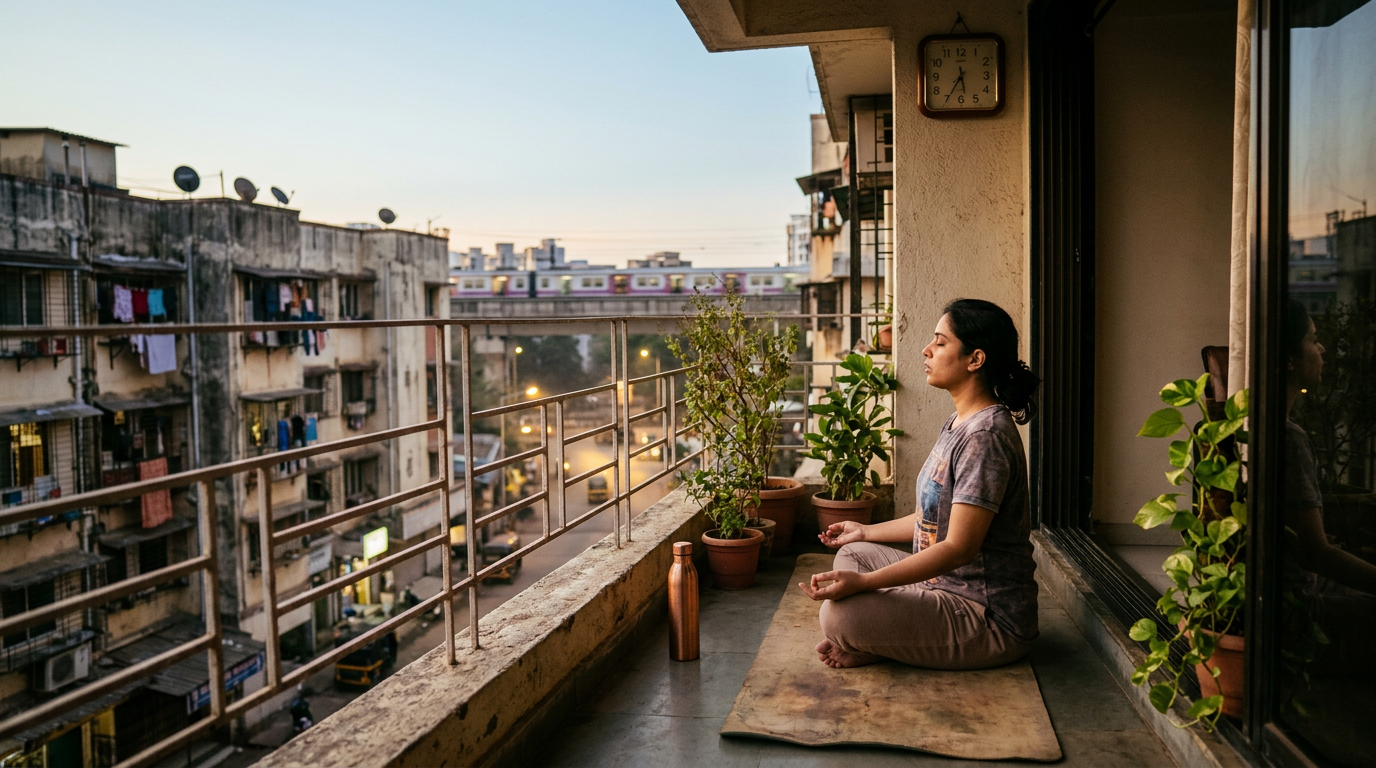
Mumbai Morning Routines for Energy to Beat the 8:17 Virar Fast
Feeling drained before you even board the local train? These Mumbai-specific morning routines for energy will help you reclaim your mornings and power through your day.
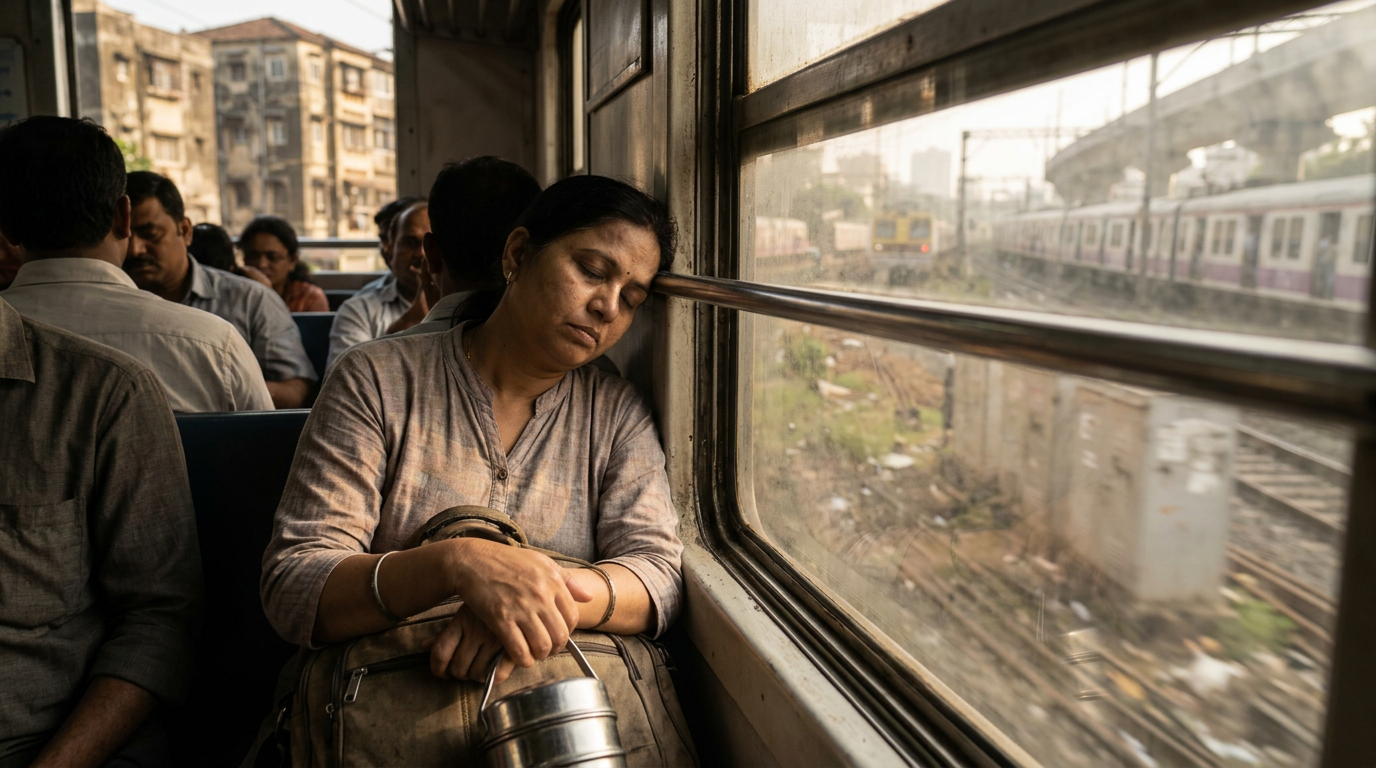
Recognising the Signs of Burnout: A Mumbai Recovery Guide
Are the crowded local trains and endless BKC meetings leaving you exhausted? We explore the common signs of burnout Mumbaikars face and offer local tips for recovery, from Bandra to Navi Mumbai.
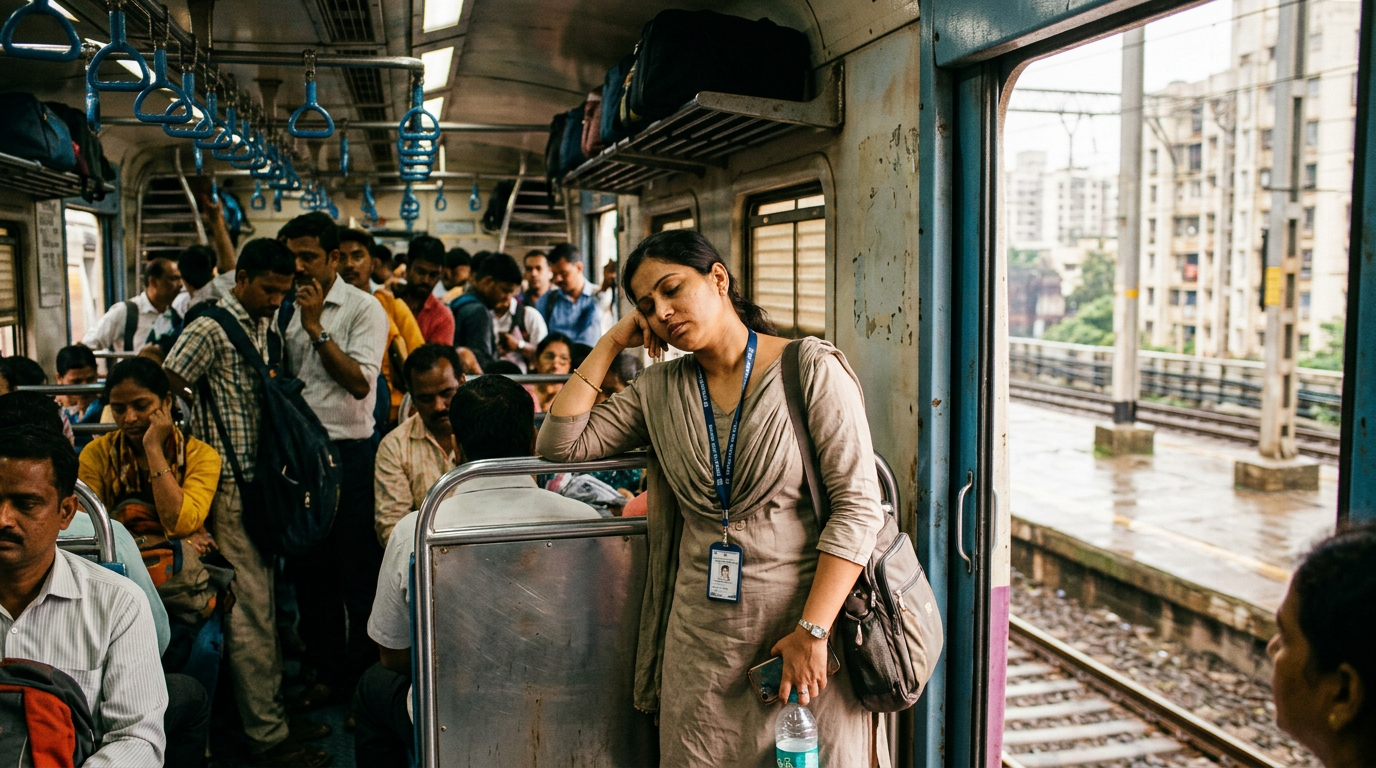
Beat Burnout in Mumbai: 7 Signs & Your Recovery Guide
Is the Mumbai hustle leaving you drained? From chronic fatigue to cynicism, learn to spot the signs of burnout and discover city-specific recovery tips to reclaim your well-being.