
Recognising the Signs of Burnout: A Mumbai Recovery Guide
Are the crowded local trains and endless BKC meetings leaving you exhausted? We explore the common signs of burnout Mumbaikars face and offer local tips for recovery, from Bandra to Navi Mumbai.
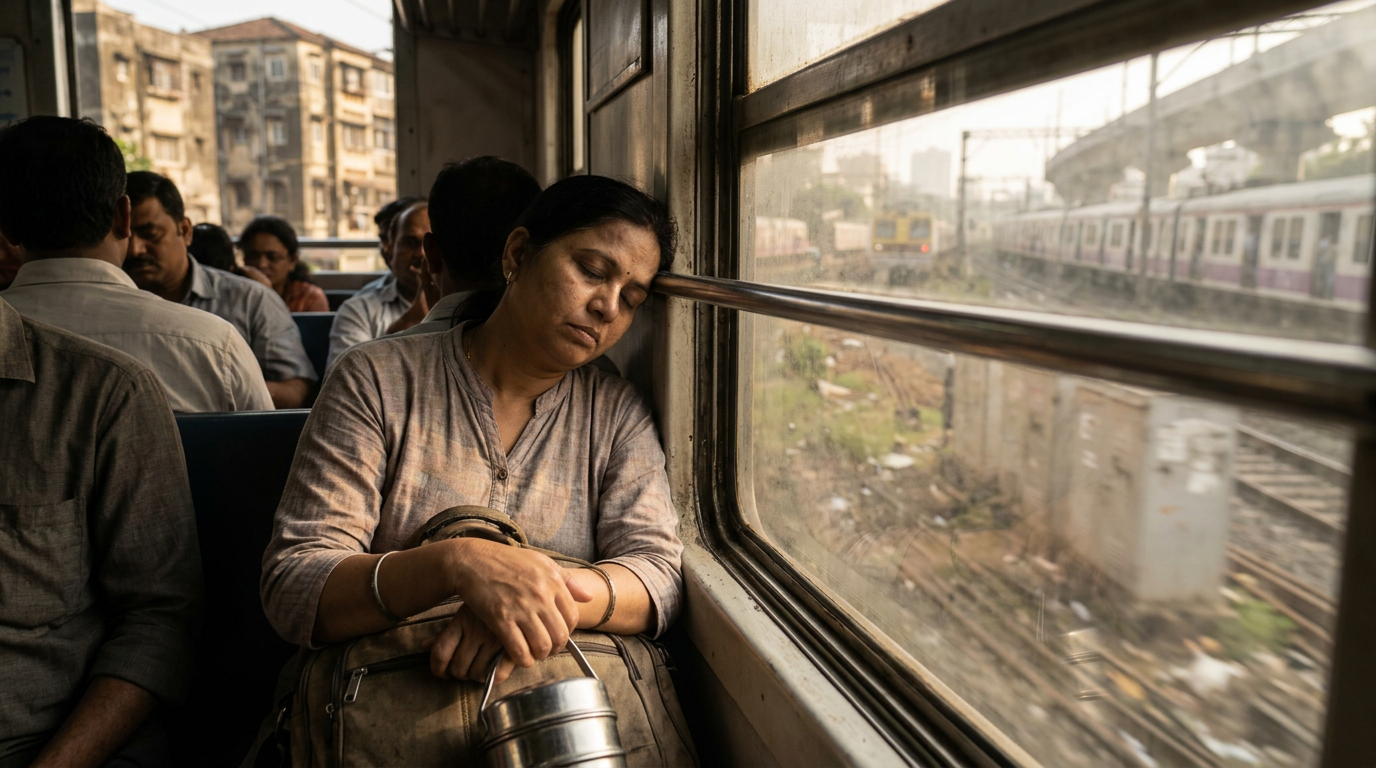
The Unmistakable Strain: Is It Just Mumbai Tired, or Is It Burnout?
You’re staring out the window of the 8:42 AM slow local from Thane, the press of the crowd a familiar, unwelcome hug. Your mind isn’t on the day ahead but on the sheer exhaustion that has settled deep in your bones. It’s more than just feeling tired after a late night. This is a profound sense of depletion that even a strong cutting chai from the station vendor can’t fix. If this sounds familiar, you might be experiencing more than just the daily grind of city life. Learning to recognise the signs of burnout is the first, crucial step toward reclaiming your energy and well-being in a city that famously never sleeps.
What Burnout Actually Looks Like in Mumbai
The World Health Organization defines burnout as an occupational phenomenon, not a medical condition, resulting from chronic workplace stress that has not been successfully managed. It’s characterized by three dimensions: feelings of energy depletion or exhaustion; increased mental distance from one’s job, or feelings of negativism or cynicism related to one's job; and reduced professional efficacy. In Mumbai, this textbook definition takes on a unique, local flavour. We wear our hustle like a badge of honour. The “spirit of Mumbai” often translates to enduring insane commutes, working long hours, and always being “on.” But there's a fine line between resilience and self-neglect.
Consider the creative director at a Bandra ad agency, pulling all-nighters for a pitch, fueled by coffee and the pressure to innovate. Or the fintech developer in the Bandra-Kurla Complex (BKC), battling impossible deadlines while navigating a sea of corporate expectations. Think of the startup founder in Powai, whose identity has become completely enmeshed with their company's success. For them, burnout isn't a single event but a slow, creeping erosion of their physical and emotional reserves. It’s the feeling that even a weekend spent at a mall in Lower Parel or catching a movie doesn't recharge the battery anymore. It's the gradual realisation that the job you once loved now feels like a heavy burden you carry on your daily journey across the Vashi bridge.
The Sneaky Physical Signs You Can’t Ignore
Your body often keeps score long before your mind is willing to admit there's a problem. Chronic stress manifests physically in ways that are easy to dismiss as minor annoyances, especially when you’re busy. But these signals are your body’s early warning system, and it’s time to listen. In the context of our city, these signs can feel like an unavoidable part of life, but they are often red flags for deeper-seated burnout.
Have you noticed any of these persistent issues?
- Chronic Fatigue: This isn’t just feeling sleepy. It's a bone-deep weariness that a good night's sleep doesn't touch. You wake up feeling as tired as when you went to bed, dreading the thought of facing the crowd at Dadar station.
- Frequent Illness: Are you catching every cold that goes around the office in Andheri East? Burnout compromises your immune system, making you more susceptible to infections. That persistent cough might be more than just pollution.
- Headaches and Muscle Pain: Tension headaches that start at the base of your skull or a constantly sore back and shoulders can be direct results of stress. The hours spent hunched over a laptop or gripping the steering wheel on the Western Express Highway take their toll.
- Changes in Appetite or Sleep Patterns: You're either not hungry at all or you're stress-eating everything in sight. At night, you might struggle with insomnia, your mind racing with work worries, or you might find yourself sleeping for 10 hours and still feeling drained.
- Stomach and Gut Issues: That pav bhaji from your favourite Juhu stall suddenly doesn't agree with you. Stress can wreak havoc on your digestive system, leading to issues like acidity, stomach cramps, or irritable bowel syndrome (IBS).
The Emotional and Cognitive Toll: Brain Fog Over the Sea Link
Beyond the physical exhaustion, burnout wages a silent war on your mind. The constant pressure and lack of respite can lead to a state of emotional and cognitive disarray that Mumbaikars often mistake for standard city-induced stress. It’s the feeling of your brain being stuck in traffic, just like your car on the JVLR flyover during peak hours. The mental clarity you once had is replaced by a persistent fog that clouds your judgment and dampens your spirits.
The Cynicism Creep
One of the most telling emotional signs is a growing sense of cynicism and detachment. The projects at your Nariman Point office that once excited you now feel pointless. You might find yourself becoming irritable, snapping at colleagues, or feeling an irrational surge of anger at the person who cuts you off in traffic. This isn't your true personality; it's a defense mechanism. When you're emotionally exhausted, your brain starts to create distance from the source of the stress—your job—as a form of self-preservation. You might feel disconnected from your work, your colleagues, and even the purpose of your career.
Losing Your Mental Edge
Cognitively, burnout can be devastating. You might struggle to concentrate during meetings, find it hard to remember important details, or feel like your creativity has completely dried up. That brilliant idea you were supposed to have for the presentation just won’t come. This isn’t a sign of incompetence; it’s a symptom of a brain that is overloaded and under-rested. The constant barrage of notifications, deadlines, and the general sensory overload of living in Mumbai can leave your cognitive resources depleted, making even simple tasks feel monumental.
The Social Disconnect: Avoiding Plans from Colaba to Borivali
Remember when you used to be the first one to make plans for a Friday night out? Now, the thought of navigating the crowds at a popular pub in Khar or even just meeting friends for dinner feels overwhelming. This social withdrawal is a hallmark of burnout. When your internal resources are depleted, your capacity for social engagement plummets. It’s not that you don’t care about your friends or family; it’s that you genuinely feel you have nothing left to give.
"When my clients in Mumbai describe burnout, it's often not the long hours they mention first," shares a Bandra-based psychologist. "It's the feeling of having nothing left for their loved ones after the commute and workday are over. It's cancelling on friends, feeling irritable with their partner, and losing interest in hobbies that once brought them joy, like playing Sunday cricket at Shivaji Park or attending a concert. They feel like a hollowed-out version of themselves."
This retreat can create a vicious cycle. You feel exhausted, so you isolate yourself. This isolation then fuels feelings of loneliness and detachment, making the burnout even worse. You might turn down invitations to a weekend art walk in the Kala Ghoda district, skip the family get-together in Chembur, or ignore calls from friends. The energy required to be 'on'—to listen, to engage, to laugh—simply isn't there. You crave solitude, not for relaxation, but as a means of escape from any and all demands on your energy, including the pleasant ones.
Starting Your Recovery: Reclaiming Time and Space in the MMR
Recovering from burnout isn't about one grand gesture or a two-week vacation. It’s about making small, sustainable changes to reclaim your time, energy, and sense of self. It begins with the radical act of prioritising your well-being in a city that constantly demands more. Here’s a practical, step-by-step approach to begin your recovery journey, right here in the Mumbai Metropolitan Region (MMR).
- Acknowledge and Audit: The first step is the hardest: admit that you are burnt out. It is not a sign of weakness. Once you've acknowledged it, conduct a ruthless audit of your life. For one week, track where your time and energy go. How many hours are you truly working? How much time is lost to commuting? What activities drain you, and which (if any) recharge you? This isn't about judgment; it's about data collection.
- Set Firm Boundaries: The Mumbai work culture often glorifies being perpetually available. You must actively push back. Define a hard stop for your workday and stick to it. If you work in BKC, this might mean leaving at 6:30 PM, even if your boss is still there. Disable work email notifications on your phone after hours. Politely decline non-essential meetings. Your time is a finite resource; protect it fiercely.
- Redefine 'Productivity': Redefine productivity to include rest. A nap is productive. A walk without your phone is productive. Staring out at the sea from Marine Drive is productive. You are not a machine. Your output depends on your input, and that includes rest, relaxation, and disconnection. [INTERNAL_LINK: work-life-balance-tips-for-mumbaikars]
- Reclaim Your Commute: The daily commute, whether on the local train or in a car, can be a major stressor. Instead of a source of dread, try to transform it. Download podcasts or audiobooks for your drive from Navi Mumbai. Create a calming playlist for your train journey. Use the time to practice mindfulness or simply observe the city without engaging with work emails. It's a pocket of time that can be reclaimed for yourself.
Local Escapes and Digital Detox: Finding Your Zen in the Chaos
One of the best antidotes to burnout is to consciously disconnect and immerse yourself in restorative activities. Luckily, Mumbai and its surroundings offer a surprising number of opportunities to do just that, without breaking the bank or requiring extensive planning.
Find Your Green Oasis
Even in our concrete jungle, nature is accessible. A morning walk or run at the tranquil Sanjay Gandhi National Park in Borivali can feel like entering another world. In Navi Mumbai, the trails around Parsik Hill in Belapur or the serene Pandavkada Falls area in Kharghar offer a quick escape. Even a simple stroll through the Hanging Gardens on Malabar Hill or along the Carter Road promenade in Bandra can help clear your head and lower cortisol levels. Make it a non-negotiable part of your weekly schedule.
Mindfulness and Movement
Engaging your body is a powerful way to get out of your head. Mumbai has a wealth of options. Consider a drop-in yoga class at a well-regarded studio like The Yoga Institute in Santacruz or find a local class in your neighbourhood. A single class can cost anywhere from ₹500 to ₹1,500 and is a great way to reconnect with your body. Alternatively, try a dance class, join a gym, or simply commit to a 30-minute walk every evening. The goal is movement, not performance.
The Quick Getaway
Sometimes you just need a change of scenery. A weekend trip doesn't have to be complicated. Take the ferry from the Gateway of India to Alibaug for a day of beaches and sea air. Drive down to Lonavala or Khandala for a change of altitude and cooler climes. Explore the historic forts and quiet beaches around Vasai. These short trips break the monotony and signal to your brain that life exists outside of your work routine. [INTERNAL_LINK: best-weekend-getaways-from-mumbai]
When to Seek Professional Help: Resources in Mumbai
Sometimes, self-care strategies are not enough. If your burnout is severe, persistent, and accompanied by symptoms of anxiety or depression, seeking professional help is a sign of strength and a crucial step toward recovery. The stigma around mental health is slowly fading in Mumbai, and a growing number of resources are available to help you navigate this difficult period.
Talking to a therapist or a counsellor provides a safe, confidential space to unpack the root causes of your burnout. A professional can help you develop coping mechanisms, learn to set healthier boundaries, and challenge the thought patterns that contributed to your exhaustion. They can provide tools and support that are tailored specifically to your situation.
How do you find a therapist in a city this big? Several online platforms connect users with qualified therapists, many of whom now offer virtual sessions. This flexibility is a game-changer, allowing someone in Panvel to easily connect with a specialist based in Andheri. Word-of-mouth recommendations from trusted friends are also invaluable. When looking, consider the therapist's specialisation, approach, and whether you feel a comfortable rapport. Don't be discouraged if the first one you try isn't the right fit. In terms of cost, therapy sessions in the MMR can range from ₹1,000 to ₹4,000 per hour, but many therapists and clinics offer sliding scale fees based on income, so don't let cost be the primary deterrent.
Burnout is a serious condition that affects thousands of hardworking Mumbaikars. It’s the shadow side of the city's relentless energy. But it is not a life sentence. By learning to recognise the signs, implementing practical recovery strategies, and knowing when to ask for help, you can navigate your way back to health. The spirit of Mumbai is about resilience, and true resilience includes the wisdom to rest and recover. This week, take one small step. Leave the office on time. Take that walk along the Marine Drive. Book that therapy consultation. Your well-being is the most valuable asset you have in this bustling, beautiful city. What's one tip that has helped you combat stress in Mumbai? Share it with our community in the comments below.
Keep reading
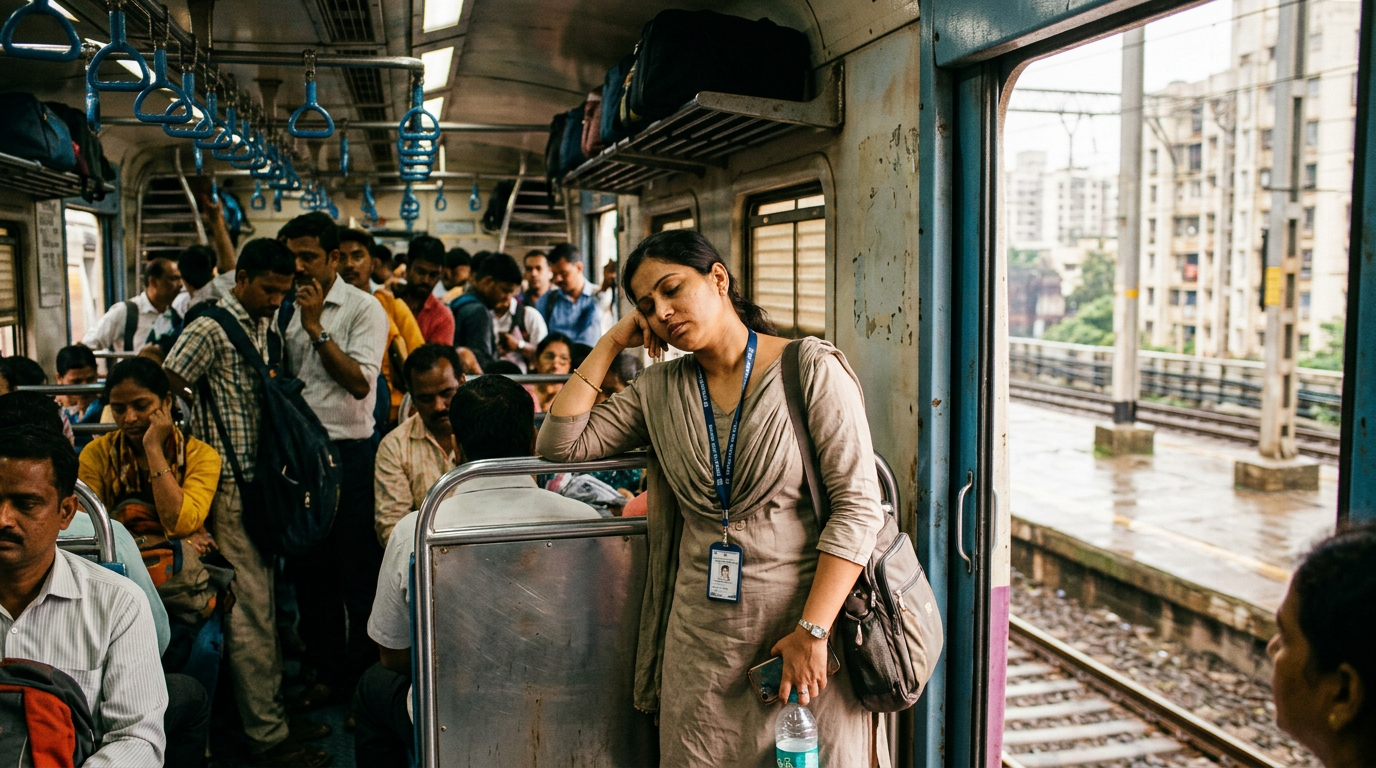
Beat Burnout in Mumbai: 7 Signs & Your Recovery Guide
Is the Mumbai hustle leaving you drained? From chronic fatigue to cynicism, learn to spot the signs of burnout and discover city-specific recovery tips to reclaim your well-being.
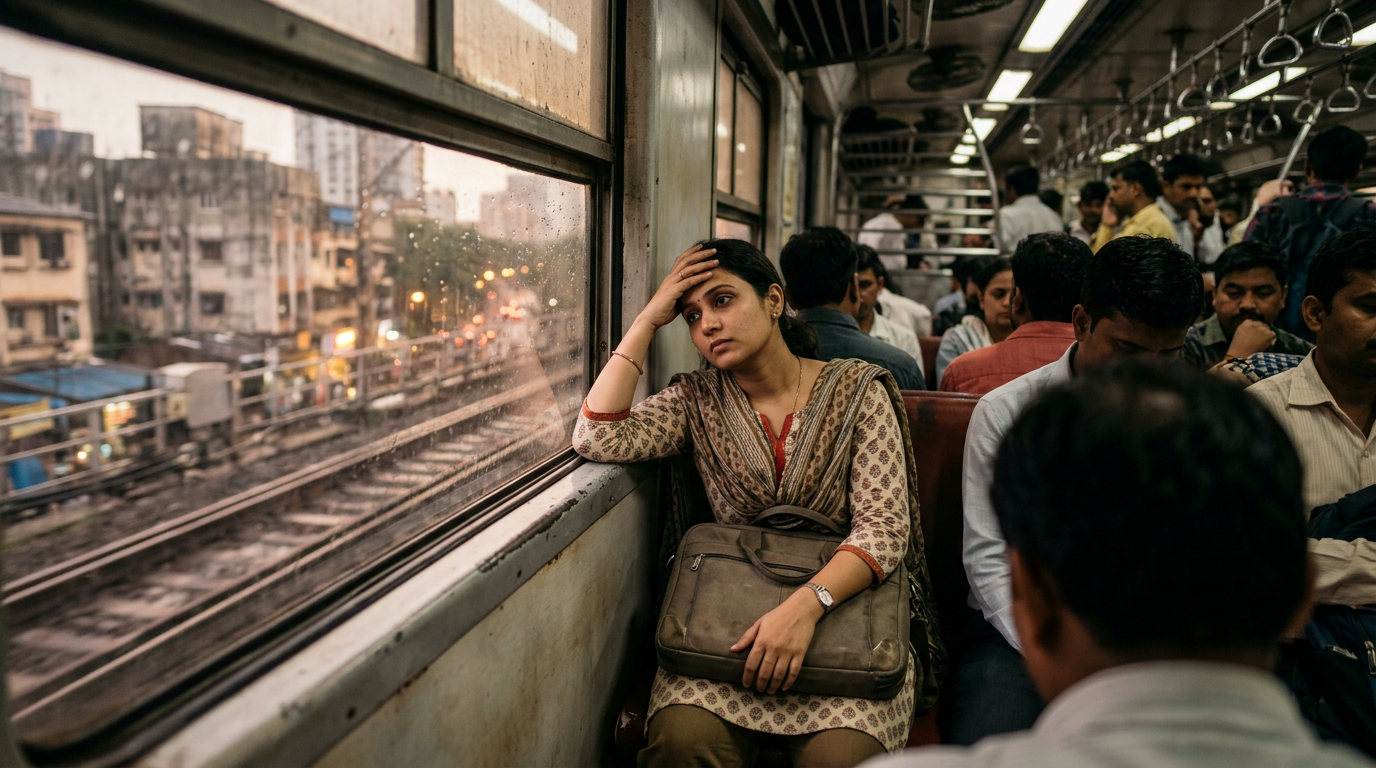
Spotting the Signs of Burnout in Mumbai: A Guide to Recovery
Constantly tired from the local train commute and endless work calls? You might be experiencing burnout. Here's how to identify the signs and get back on track in Mumbai.
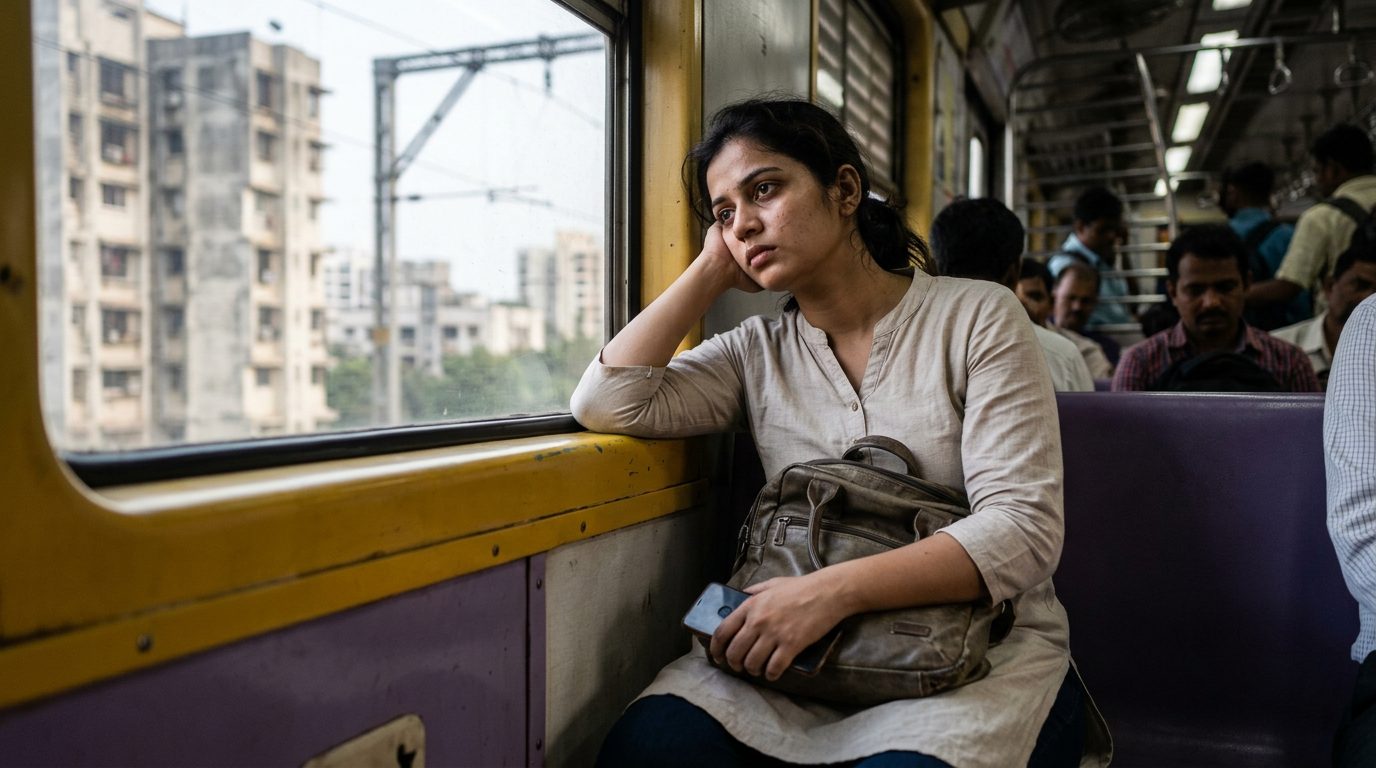
Spotting the Signs of Burnout in Mumbai: Your Recovery Guide
Is the Mumbai grind wearing you down? From the Virar fast to BKC deadlines, we explore the crucial signs of burnout and offer a practical guide to recovery in our city.