
Raising Resilient Kids: A Mumbai Parent's Survival Guide
From packed local trains to intense school rivalries, Mumbai is a tough city. Here’s a practical, local’s guide on how to raise resilient kids who can thrive in the Maximum City.
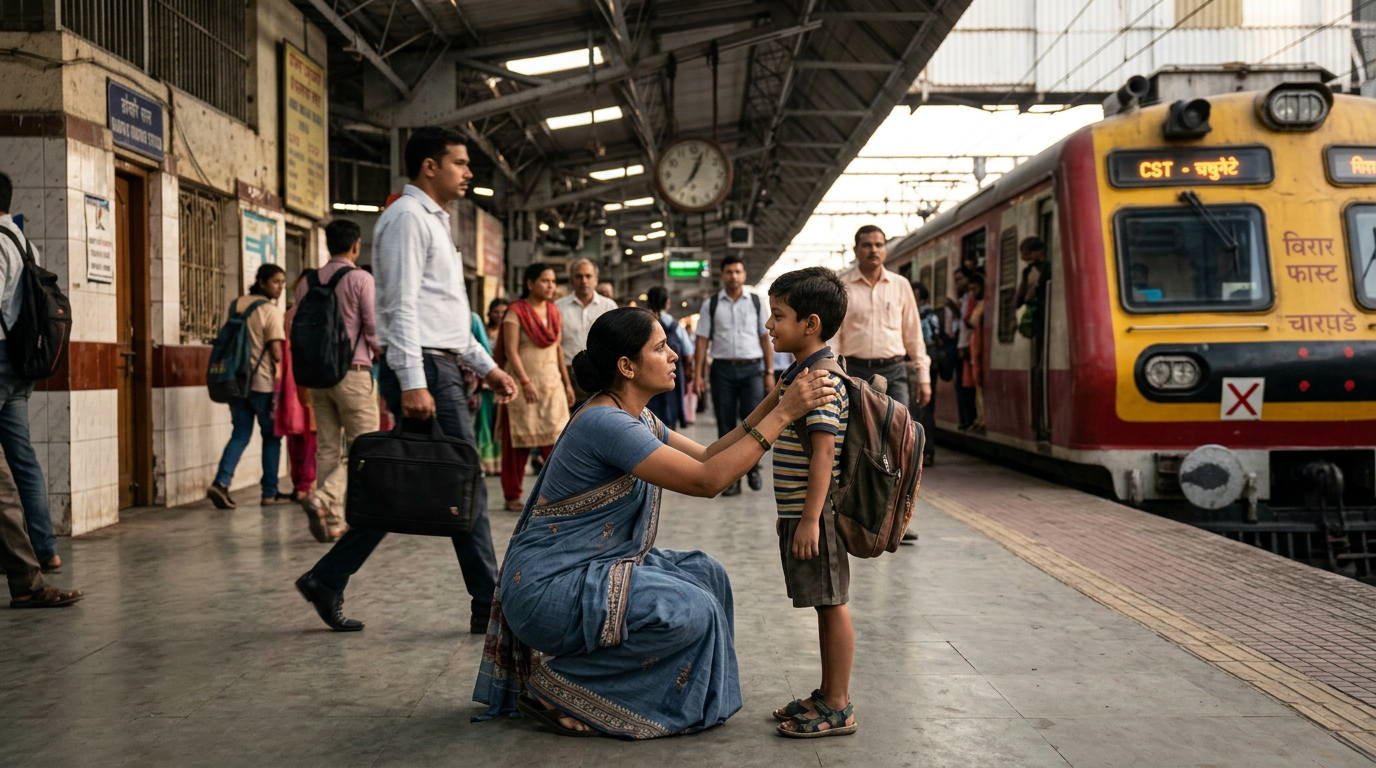
From Virar Fast to School Admissions: Why Mumbai Kids Need Resilience
You’re standing on the platform at Dadar, your child’s hand held tight in yours, as the 9:15 AM fast local pulls in. The crowd surges, an unstoppable human tide. In that moment, as you expertly navigate the chaos to find a foothold, you’re teaching a silent lesson in grit. Or maybe you’re stuck in traffic on the Western Express Highway, late for a birthday party in Andheri, and you’re modelling patience. Life in the Mumbai Metropolitan Region is a daily masterclass in bouncing back. This constant exposure to pressure, competition, and beautiful chaos is exactly why learning how to raise resilient kids isn’t just a parenting trend for us; it’s an essential survival skill. It's about equipping them to handle everything from a missed catch at a cricket match in a Thane society compound to the intense pressure of entrance exams for colleges like St. Xavier's.
Embrace the 'Mumbai Spirit': Turning Setbacks into Strengths
The term 'Mumbai Spirit' often comes up after a crisis – the 2005 floods, the daily grind of commuting – but what is it really? It’s resilience, personified and scaled up to 20 million people. This is our city's greatest lesson. We can teach our children that, just like the city gets back on its feet after a torrential monsoon downpour, they too can recover from their own personal storms. This isn't about ignoring disappointment; it's about framing it as temporary. Did your child not get selected for the annual day play at their school in Powai? Acknowledge the sadness. “I know you’re disappointed you didn’t get the part you wanted. It’s okay to feel that way.” Then, shift the focus. “What did you learn from the audition? Let's practice for the next one, or maybe we can explore the theatre workshop at Prithvi Theatre in Juhu this summer.” By connecting their small, personal setbacks to the larger, visible resilience of their environment, you normalise the act of bouncing back. It stops being a personal failure and starts being a part of life, just like waiting for a delayed Central Line train at Kurla station.
Building Grit Beyond the Four Walls of a Classroom
Academic excellence is drilled into us from the moment we start looking at schools, from the hallowed halls of Cathedral and John Connon in Fort to the sprawling campuses of DPS in Nerul. But true grit is often forged outside, in the real world. Mumbai, with its endless opportunities for structured and unstructured challenges, is the perfect training ground.
From Carter Road to Kharghar Hills: The Physical Test
Encourage physical activity that pushes boundaries. This could be learning to cycle along the relatively quiet Palm Beach Road in Vashi on a Sunday morning, navigating the crowds while skateboarding at the Carter Road promenade, or going for a family trek in the Yeoor Hills in Thane. These activities teach perseverance. The scraped knee from a fall, the breathless climb to the top of a hill for a panoramic view of Navi Mumbai, the frustration of mastering a new skill – these are invaluable micro-lessons in resilience. It’s not about raising an athlete; it’s about teaching the body and mind to push through discomfort to achieve a goal. Even navigating a crowded BEST bus from Bandra station to Hill Road teaches spatial awareness and patience in a way no app ever could.
The Art of Haggling at Crawford Market
For slightly older kids, a trip to a bustling market like Crawford Market, Dadar’s flower market, or the Vashi APMC market can be a brilliant, real-world lesson. Give them a small budget (say, ₹200) and a shopping list. Let them (under your watchful eye) ask for prices, negotiate respectfully, and handle the transaction. They'll face language barriers, deal with vendors who say a firm 'no,' and learn to problem-solve on the fly. It's a low-stakes way to build confidence, communication skills, and the ability to handle rejection – a cornerstone of a resilient mindset. The prize isn't just the bag of vegetables; it's the confidence they gain from navigating a complex social interaction successfully.
Fostering Emotional Intelligence in an Overwhelming City
Mumbai is loud, fast, and emotionally charged. Our children absorb this ambient stress, whether they’re conscious of it or not. Building emotional intelligence (EQ) is the internal equivalent of finding a quiet corner in a chaotic city. It’s about giving them the vocabulary and the space to understand their own feelings and those of others. Instead of a generic “Don’t be sad,” try to be more specific. “I can see you’re feeling frustrated that the Wi-Fi is slow and you can't finish your project.” Or, “It seems like you’re anxious about the math test tomorrow at your school in Chembur. Let's talk about what’s worrying you.”
“We can't shield our children from the pressures of living in a competitive city like Mumbai. But we can give them the tools to process their emotions. A resilient child isn’t one who never feels sad or angry; a resilient child is one who can name those feelings, understand where they come from, and know that they will pass. It’s about emotional regulation, not emotional suppression.” - Fictional quote from a Mumbai-based child psychologist.
Look for opportunities to discuss emotions in daily life. Talk about the characters in a movie you watched at a PVR in Lower Parel, or discuss a conflict they had with a friend in their building in Kandivali. Normalising conversations about feelings makes it easier for them to approach you when they face bigger emotional hurdles later on.
The Gift of 'Productive Failure' in a City Obsessed with Success
In a region where 95% is considered an “average” score and coaching class banners in Andheri and Borivali promise guaranteed success, the concept of failure can be terrifying for parents and children alike. We rush to “fix” things – completing their school project to ensure an A+, calling another parent to resolve a minor tiff. But by doing so, we rob our children of a powerful learning opportunity: productive failure. This means allowing your child to experience the natural consequences of their actions in a safe and supportive environment.
Here’s how you can practice this:
- Lower the Stakes: Let the first failures be small. Forgetting their homework, not studying enough for a unit test, or messing up a recipe they tried to cook. These are not life-altering events.
- Resist the Urge to Rescue: If your child forgets their tiffin box, don't rush from your office in BKC to their school in Santacruz to deliver it. Let them figure it out. They might have to share with a friend or explain the situation to a teacher. They will learn responsibility and problem-solving.
- Focus on the Post-Mortem: After the failure, have a calm, non-judgmental conversation. Don't say, “I told you so.” Instead, ask, “What happened? What could you do differently next time?” This helps them move from blaming others to taking ownership.
- Share Your Own Failures: Talk about a time you messed up at work, a business idea that didn't pan out, or even how you once burned dinner. This models that failure is a universal part of life and learning, not a personal flaw.
Letting your child get a B on a project they did entirely on their own is more valuable for their development than the A+ they get on a project you essentially did for them. [INTERNAL_LINK: managing exam stress for students in Mumbai]
Cultivating Connections: The Power of a 'Building' Community
Resilience isn’t a solo sport. It's built on a foundation of strong, supportive relationships. In Mumbai's vertical living, our most immediate community is often within our own society or building complex. Encourage your children to build these local connections. This is where the magic happens – the impromptu cricket games in the parking lot of a Thane high-rise, the friendships forged while waiting for the school bus outside a complex in Belapur, the shared cycling sessions within the society grounds.
Beyond the building, help them find their tribe. Mumbai offers a dazzling array of options:
- Hobby Classes: Whether it's a robotics class in a center in Powai, a dance class at Shiamak Davar's institute, or a pottery workshop in Bandra, these shared interests create powerful bonds.
- Sports Academies: Joining a local football club on a turf in Malad or a cricket academy at Shivaji Park provides a team environment where kids learn collaboration, sportsmanship, and how to win and lose gracefully.
- Community and Religious Groups: Many local community centers, temples, churches, and mosques have youth groups or activities that provide a sense of belonging and shared values.
- Volunteering: For older kids, volunteering for a beach clean-up at Juhu or Versova, or helping out at a local NGO, can build empathy and a sense of purpose, which are crucial components of resilience.
These networks become their safety net. When they face challenges, they have friends, mentors, and teammates to turn to, reminding them they are not alone. This social support system is one of the most powerful buffers against the stresses of city life.
Fostering Independence in the Maximum City
One of the biggest anxieties for a Mumbai parent is their child's commute. The thought of them navigating a crowded train or bus alone can be nerve-wracking. Yet, fostering age-appropriate independence is critical for building a child’s confidence and resilience. It's a gradual process of letting go.
It starts small. Letting a 10-year-old go down to the society shop to buy bread. Then, letting a young teen take the Metro with a friend from Andheri to Ghatkopar to visit R-City Mall. Maybe it's allowing your 16-year-old to take the local train from Vashi to CST for a college festival. Each step is a calculated risk, but the payoff in self-belief is immense. When a child successfully navigates a part of their city alone, they learn to trust their judgment, solve small problems (like asking for directions or managing their train pass), and see themselves as capable. This is particularly important in our city, where mobility is freedom. Teaching them to use the m-Indicator app, to be aware of their surroundings, and to have a backup plan (like having enough money for a cab or knowing your phone number by heart) are practical life skills that build a resilient, independent young adult. [INTERNAL_LINK: teaching kids about money management in mumbai]
Your Final Call to Action
Raising resilient kids in the Mumbai Metropolitan Region is not about creating hardened, emotionless survivors of the urban jungle. It’s about raising adaptable, emotionally intelligent, and resourceful children who can handle the city's pressures without losing their sense of self. It's about teaching them to be like the resilient mangroves at the Thane Creek Flamingo Sanctuary – flexible, strong-rooted, and able to thrive in a constantly changing environment. You are already giving them daily lessons just by living and navigating this incredible city. By being more intentional – by framing setbacks, encouraging independence, and fostering community – you can equip them not just to survive Mumbai, but to truly thrive in it.
What is one small, concrete step you will take this week to build resilience in your child? Will you let them handle a transaction at the local shop, or have a conversation about a recent disappointment? Share your plans and experiences in the comments below. Let's learn from each other.
Keep reading
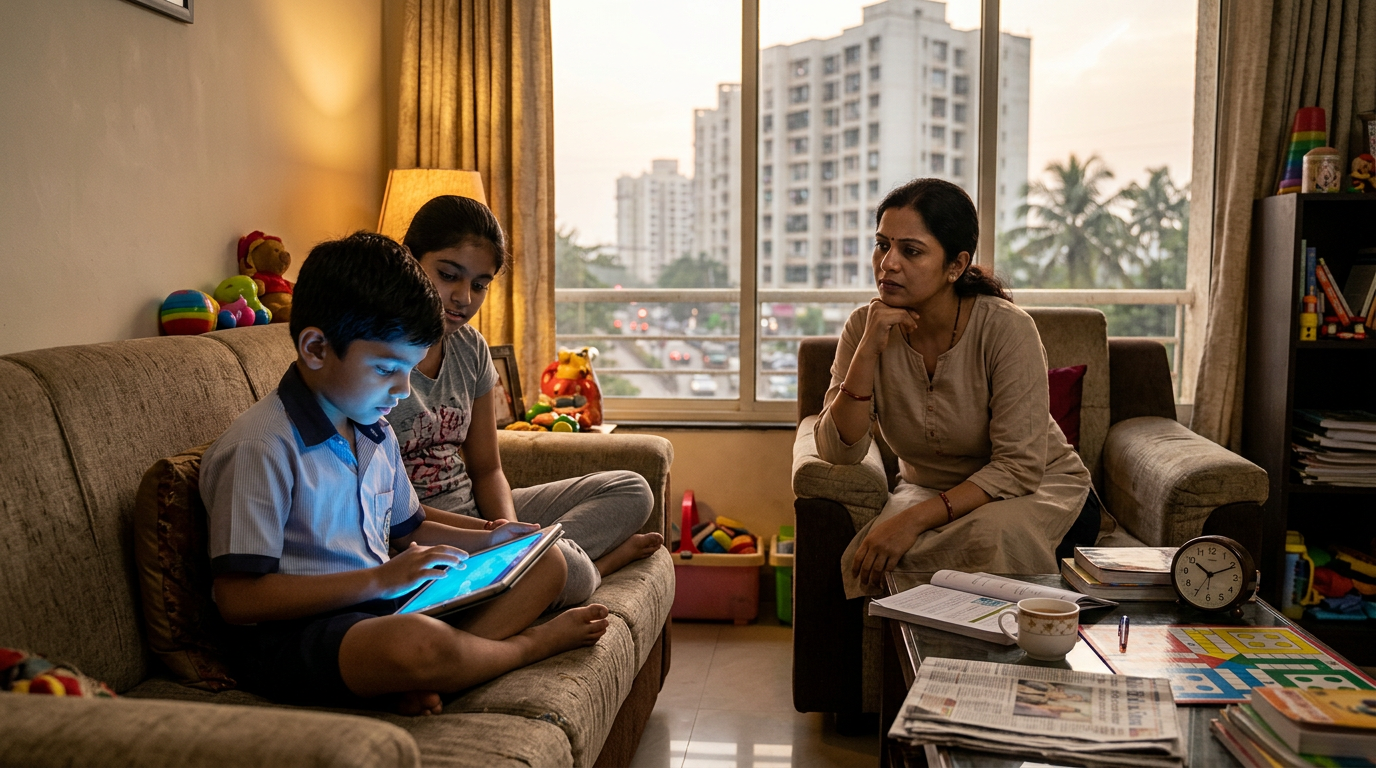
Screen Time Rules That Work for Mumbai & Navi Mumbai Kids
From Bandra to Belapur, Mumbai parents are asking how to manage tablets and phones. Here are screen time rules that actually work for our city's unique challenges.
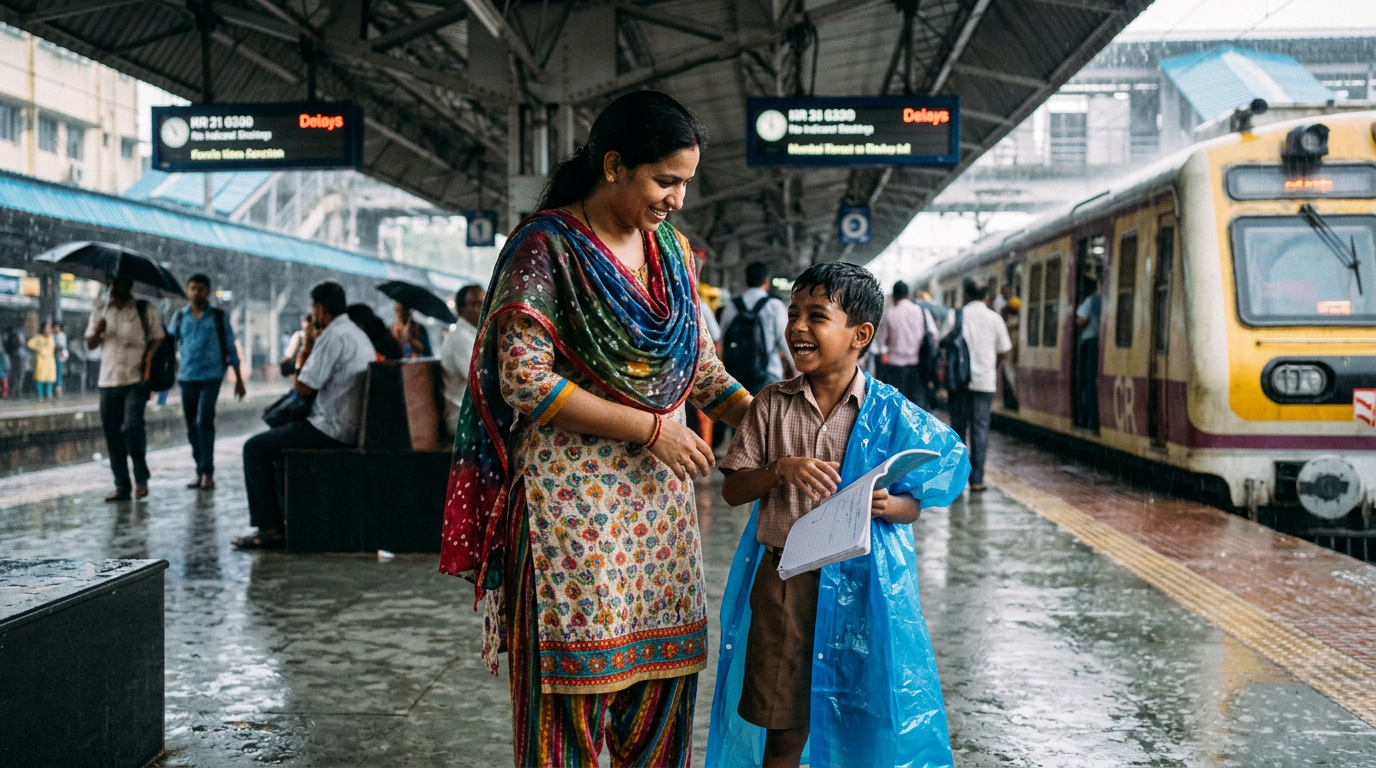
How to Raise Resilient Kids in the Heart of Mumbai
Stuck on the Harbour Line during a downpour? That's just a Tuesday. This guide explores how to raise resilient kids who can thrive amidst Mumbai's unique chaos and charm.
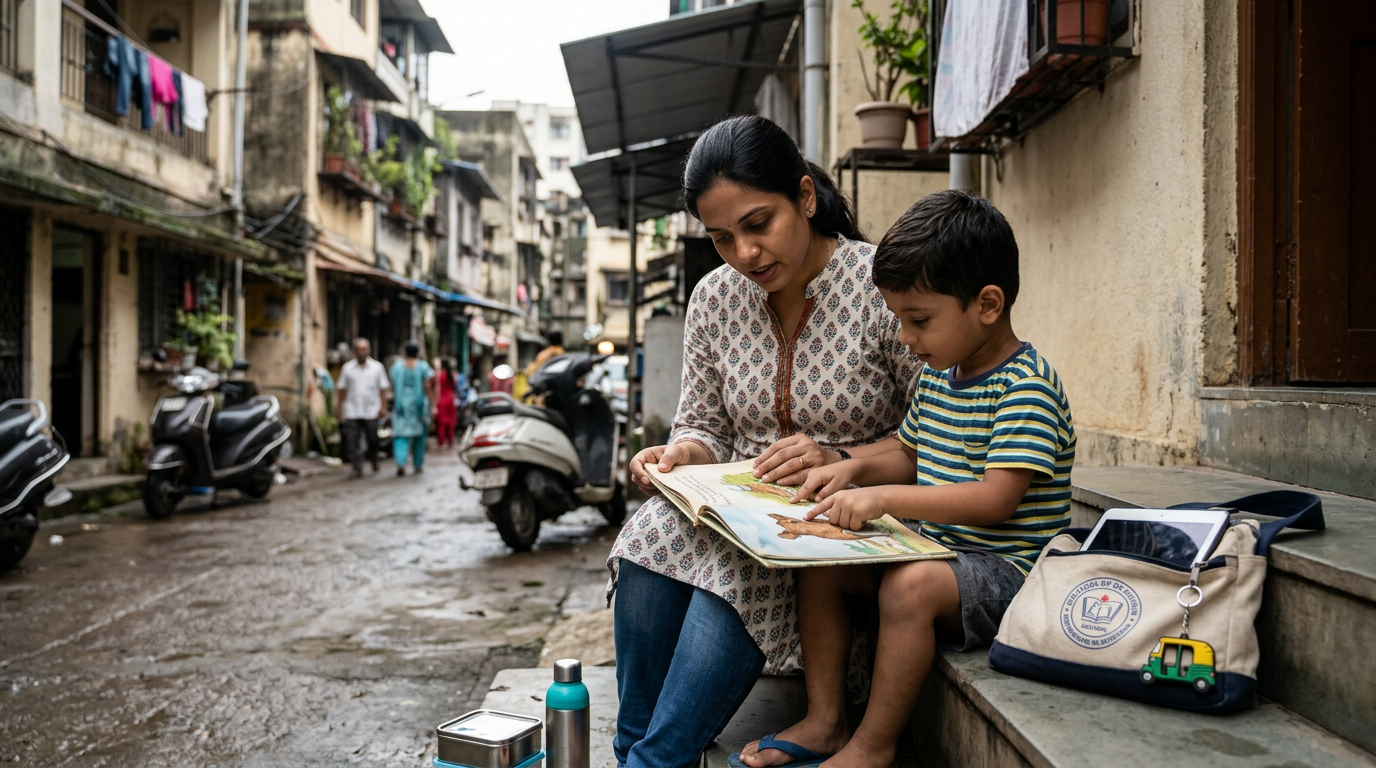
Sensible Screen Time Rules for Mumbai Kids That Actually Work
From tiny apartments in Borivali to monsoon days in Thane, managing screen time in Mumbai is tough. Here are practical screen time rules that work for local families.