
Nurturing Lifelong Reading Habits for Kids in Mumbai
Cultivating consistent reading habits for kids in Mumbai requires smart routines, local bookstore visits, and community libraries across MMR neighborhoods.
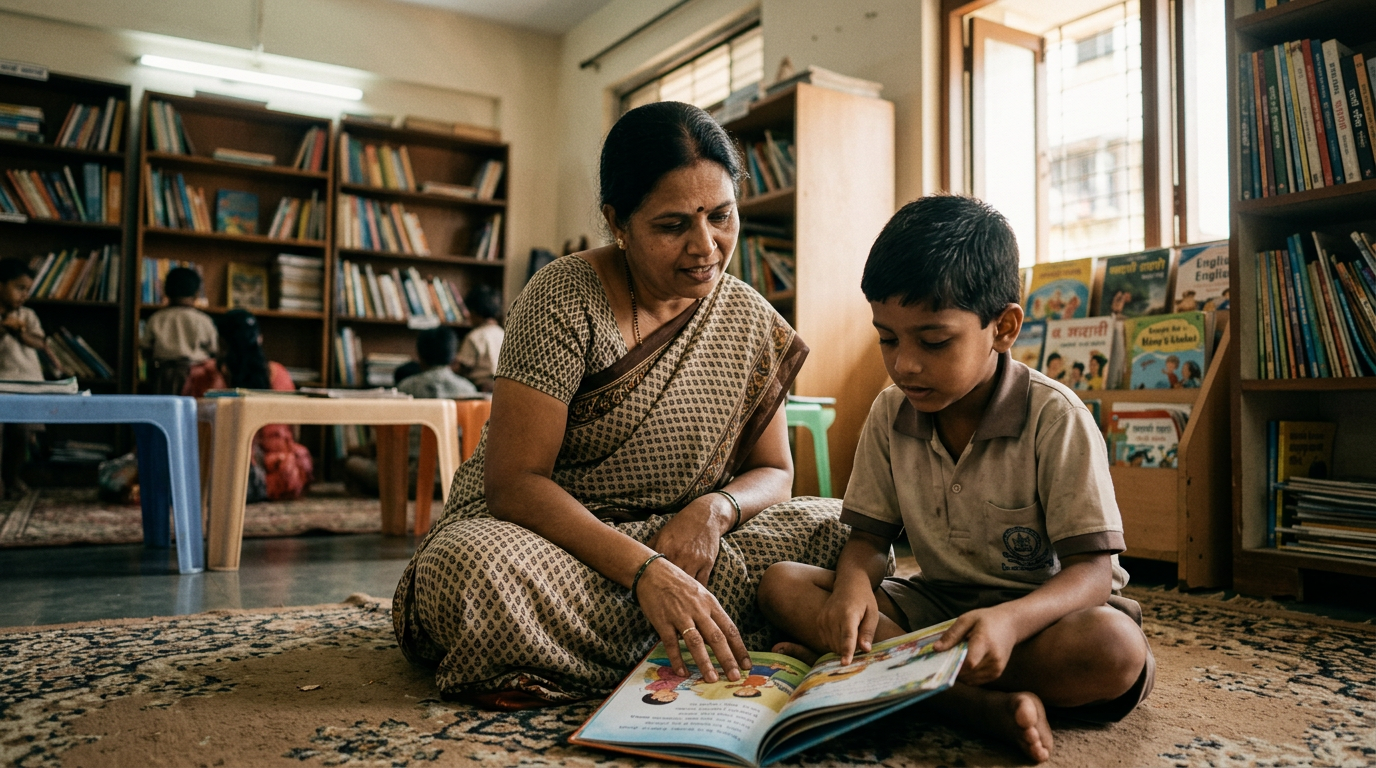
Between early morning school buses crawling along the Western Express Highway, evening tuition runs in Andheri, and the magnetic pull of digital tablets, building consistent reading habits for kids in the Mumbai Metropolitan Region (MMR) often feels like an uphill struggle. Urban parents juggle packed calendars, compact apartment layouts, and fierce academic pressures. Yet, developing a deep love for books remains one of the single greatest cognitive gifts you can give your child. Books foster empathy, sharpen vocabulary, and offer quiet mental decompression from our high-velocity city life.
Cultivating that spark does not require an expansive home library or hours of free time. By tapping into Mumbai’s rich literary heritage—from historic heritage bookstores in South Mumbai to proactive neighborhood lending spaces across Thane and Navi Mumbai—you can seamlessly anchor books into your child’s weekly rhythm. Here is how urban parents across the city are raising passionate, independent readers.
The Screen Battle: Why MMR Kids Read Less and How to Pivot
Most children in Mumbai do not abandon books out of boredom; they abandon them because screens offer frictionless, instant dopamine. In high-density hubs like Lower Parel, Dadar, and Vashi, outdoor play areas can be limited, especially during four torrential monsoon months. Consequently, televisions, mobile phones, and gaming consoles become default indoor entertainment. When a child associates relaxation strictly with glowing pixels, opening a 200-page novel begins to feel like schoolwork.
Breaking this cycle requires changing the environment rather than delivering lectures. Children mirror adult behavior with uncanny precision. If you scroll through Instagram reels while waiting for dinner in your Powai apartment, your child will intuitively prioritize their screen as well. To pivot, introduce simple, non-negotiable household boundaries:
- The 30-Minute Silent Family Reading Window: Designate a fixed window—typically between 8:00 PM and 8:30 PM—where all screens, including parents' phones, go on silent chargers. Everyone reads their own book in the living room.
- Create a Dedicated Reading Nook: Even in a modest 2BHK in Chembur or Goregaon, set up a floor cushion, a soft lamp, and a small wooden crate of front-facing books. Visibility directly drives curiosity.
- Keep Travel Books Handbag-Ready: Instead of handing over a smartphone during long auto-rickshaw rides or gridlocks on the Santacruz-Chembur Link Road, keep a lightweight graphic novel or chapter book within arm’s reach.
For more strategies on managing domestic tech consumption, explore our guide on [INTERNAL_LINK: digital wellness for urban families].
Mumbai’s Best Literary Sanctuaries for Young Readers
One of the easiest ways to ignite strong reading habits for kids is to transform book hunting into an exciting weekend excursion. Mumbai is home to some of the finest independent bookshops in India, each offering an atmosphere that online shopping algorithms can never replicate.
Kitab Khana (Fort)
Located near Flora Fountain inside Somaiya Bhavan, Kitab Khana is widely regarded as the crown jewel of Mumbai’s bookstore ecosystem. High ceilings, warm wooden columns, and an inviting in-house café make it a paradise for families. The dedicated children’s wing sits at the rear, featuring low tables, soft seating, and knowledgeable staff who can recommend everything from bilingual Indian picture books to international award-winners. A Saturday morning visit followed by a quick snack at Fountain Bakery creates an unforgettable literary ritual.
Trilogy Curated Bookshop (Bandra West)
Tucked away near Chimbai Road, Trilogy is run by a bibliophile couple who curate every single title by hand. Unlike commercial retail chains that stock only predictable bestsellers, Trilogy introduces young readers to independent publishers like Tara Books, Tulika, and Duckbill. Their collection of nature writing, regional folklore, and thoughtfully illustrated graphic novels makes it a must-visit for parents wanting to expand their child's horizons beyond standard school-curriculum fiction.
Title Waves (Bandra West)
Boasting sprawling aisles on St. Paul’s Media Complex off Turner Road, Title Waves allows kids to browse unhurriedly. With ample space for prams and cozy corners to test-read pages before purchasing, it regularly hosts weekend storytelling circles and book launches for middle-grade authors.
"A child who steps into a quiet bookstore smelling of fresh paper learns something no screen can teach: that stillness can be an adventure, and that worlds exist quietly waiting to be chosen."
Suburban Havens: Reading Spaces in Thane and Navi Mumbai
You do not need to cross the Sea Link or board a South-bound fast train to find literary havens. The extended suburbs and Navi Mumbai feature fantastic infrastructure for cultivating young book lovers.
In Thane, cultural hubs along Ghodbunder Road and Pokhran Road host vibrant children’s libraries and activity centers. Crossword at Viviana Mall remains a staple for young readers, but smaller community initiatives, such as book clubs run out of residential complexes in Hiranandani Estate, provide consistent peer-driven reading environments.
Across the creek in Navi Mumbai, planned sectors offer breathing room for community libraries. Vashi and Nerul boast long-standing civic and private lending services, such as the well-regarded state and municipal district reading rooms where kids can read vernacular and English classics for nominal yearly fees. In Kharghar, close to the central park, informal parent-led book circles trade books bi-weekly, reducing both clutter and expenditure.
Check out our regional directory of [INTERNAL_LINK: after school enrichment programs in navi mumbai] to find verified storytelling and creative writing clubs near you.
Age-by-Age Blueprint: From Board Books to Young Adult Fiction
A child's reading preference evolves rapidly. Forcing a nine-year-old to read classic British boarding school novels when their peers are consuming fast-paced detective capers or illustrated adventure series will kill enthusiasm quickly. Follow this developmental blueprint to match your selections to their cognitive stage:
- Toddlers & Preschoolers (Ages 1–4): Tactile Exploration
Focus on durable board books, lift-the-flap designs, and rhyme-heavy picture books. Use expressive, animated voices during bedtime reading. Local favorites include Pratham Books’ multilingual series and Tulika's culturally relatable early-learning stories featuring Indian festivals, monsoon puddles, and local streetscapes.
- Early Readers (Ages 5–7): Phonics and Visual Context
Introduce short-chapter books with wide margins, legible typefaces, and illustrations on every spread. Series like Frog and Toad, Sudha Murty’s short animal fables, or simple illustrated retellings of the Jataka tales build confidence without overwhelming developing readers.
- Middle Grade (Ages 8–12): Narrative Agency and Peer Relatability
This is the critical juncture where reading habits for kids either solidify or evaporate. Let children choose their own material entirely—even if that means comic books, Amar Chitra Katha collections, or modern graphic novels like Amulet and Pashmina. Relatable contemporary Indian authors such as Paro Anand, Shabnam Minwalla, and Anushka Ravishankar write engaging stories set in Indian cities that mirror their everyday world.
- Teens & Young Adults (Ages 13+): Complex Themes and Autonomy
Young adults naturally navigate identity, social pressure, and philosophical questions. Respect their choices, whether they dive into dystopian sagas, fantasy world-building, or non-fiction biographies. Engage with them by reading the same title and discussing the themes during Sunday lunch.
The Economics of Raising a Reader in MMR: Buying vs Borrowing
With glossy imported hardcovers often priced between INR 600 and INR 1,500 at major retail chains, stocking a personal home library that satisfies a fast reader can stretch any household budget. Fortunately, Mumbai offers pragmatic, cost-effective avenues for frugal families.
The Flora Fountain Pavement Stalls
For decades, the wide footpaths outside Flora Fountain, extending toward Churchgate and Fort, have served as the city's open-air treasure chest. Here, second-hand sellers sell classic Enid Blyton paperbacks, Roald Dahl titles, Tintin comics, and Young Adult series for as little as INR 80 to INR 200 per copy. Take your pre-teen here on a bright Saturday morning with a fixed budget of INR 500 and let them hunt for titles themselves. The thrill of discovery builds genuine ownership over their reading stack.
Community Lending Libraries and Digital Subscriptions
If storage space is tight in your apartment, memberships are an indispensable solution:
- MCubed Library (Bandra): The Maharashtra Mitra Mandal Library on Princess Street in Bandra West is a beloved community institution with a thoughtfully stocked children’s section, offering affordable annual family plans (typically under INR 2,000 annually).
- British Council Library (Nariman Point / Online): While physical browsing requires visits to South Mumbai, their digital family membership unlocks thousands of contemporary children's audiobooks and interactive ebooks through their intuitive app.
- Doorstep Lending Services: Several private lending clubs deliver cartons of sanitized, age-appropriate books directly to cooperative housing societies in Powai, Malad, Thane, and Seawoods on a bi-weekly rotation, eliminating the commute entirely.
For more budget-conscious urban parenting recommendations, read our detailed breakdown on [INTERNAL_LINK: managing household education costs in mumbai].
Practical Routines: Anchoring Books into Hectic Mumbai Days
Consistency matters far more than volume. Reading fifteen minutes every single day does more for brain development than a forced two-hour marathon every alternate Sunday. Integrating books into an already demanding Mumbai school routine requires strategic habit stacking.
Anchor reading to existing transitions. If your child rides the school bus for forty minutes from Kandivali to Goregaon, establish that the bus ride is reserved for pleasure reading or audiobooks rather than passive staring out of the window. If bedtime frequently devolves into debates over finishing dinner or homework, use storytelling as the ultimate calming buffer. A 15-minute read-aloud session right before the lights go out signals the nervous system to relax after a stimulating day in the city.
Another powerful tactic is the "Reading Date." Once a month, take your child to an open-air café—like those found around Shivaji Park in Dadar, Pali Hill in Bandra, or near the quiet greens of Central Park in Kharghar. Order their favorite beverage, sit across from each other with your respective books, and spend an hour reading together in peaceful companionship. They will quickly learn that reading is an elevated, pleasurable leisure activity, not a chore assigned by a teacher.
Community, Book Clubs, and Literary Festivals in the City
Mumbai's vibrant cultural calendar offers endless opportunities to show kids that reading is a dynamic, social activity rather than an isolated hobby. Connecting with local literary celebrations helps children see the living creators behind their favorite stories.
Every winter, events like the Kala Ghoda Arts Festival feature a dedicated children’s literature pavilion filled with interactive book readings, open-air puppet shows, and illustration workshops led by master artists. Similarly, the Tata Literature Live! festival at the NCPA in Nariman Point and Prithvi Theatre in Juhu regularly hosts the Little Festival, inviting young audiences to interact directly with celebrated children's authors from across the globe.
You can also foster local connections right within your own housing society. Coordinate with fellow parents in your building complex to set up a shared "take-a-book, leave-a-book" shelf in the society clubhouse or lobby. When children see their playground friends trading comic books and swapping adventure series, peer influence works in your favor, turning reading into a shared currency of excitement.
Moving Beyond English: Multilingual Reading in a Cosmopolitan Hub
In a deeply cosmopolitan city like Mumbai, strong reading habits for kids should not be limited strictly to English. While English dominance in formal schooling is the norm across private SSC, ICSE, CBSE, and IB schools, multilingual literacy strengthens cognitive flexibility and anchors children to their regional roots.
Exposing children to vibrant Marathi, Hindi, and Gujarati children's literature expands their cultural perspective. Publishers such as the National Book Trust (NBT) and Pratham Books produce exceptional, affordable illustrated titles in Indian languages. Start with parallel texts—books that present English on one page and Marathi or Hindi on the facing page. Reading local folk tales or everyday stories set in historical Bombay or rural Maharashtra gives urban kids a richer sense of place and belonging.
Start Small, Stay Patient
Transforming your child into an enthusiastic reader is a marathon, not an overnight sprint. There will be weeks when school exams, sports practices, or sheer exhaustion take precedence over books. Do not turn missing a reading goal into a disciplinary issue. Keep high-interest titles visible on coffee tables, continue visiting Mumbai’s storied bookshops, and celebrate every finished chapter.
Pick one local bookstore from this guide, plan an outing this coming weekend, and let your child select whatever captures their curiosity. By pairing local exploration with patient encouragement, you will build reading habits that provide wonder, solace, and wisdom for decades to come.
Keep reading
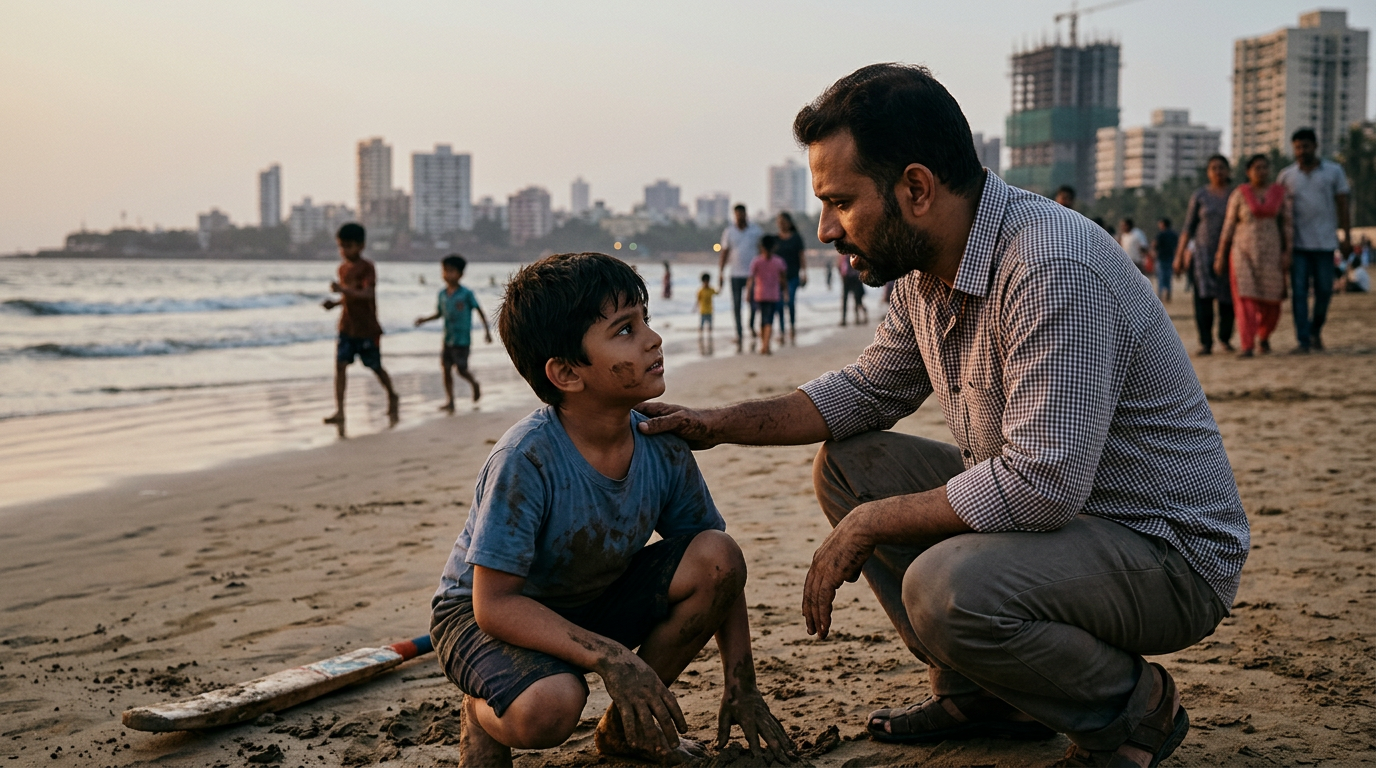
How to Raise Resilient Kids: A Mumbai Parent's Guide
Raising adaptable children in MMR means balancing fierce academic competition with emotional grit. Here is a practical, hyper-local guide for urban parents.
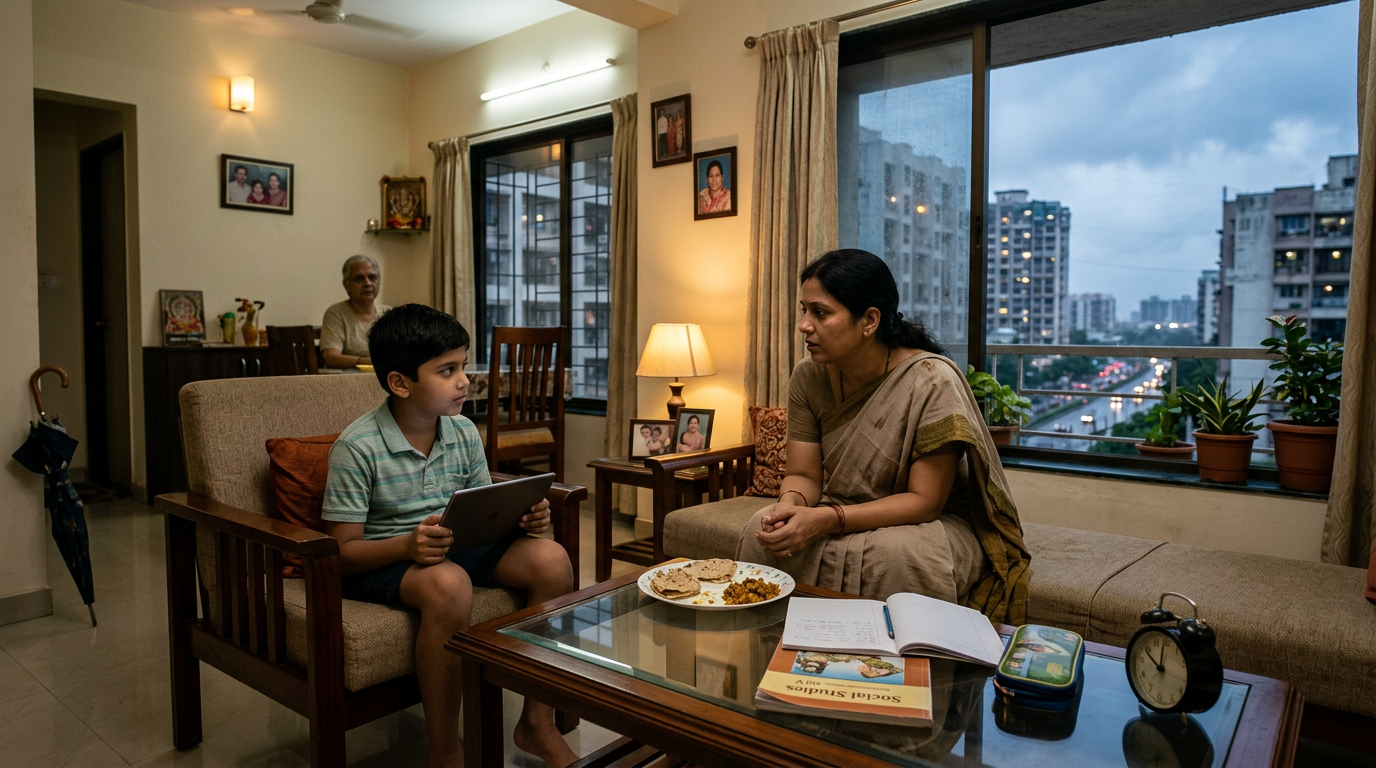
Screen Time Rules That Work for Busy Mumbai Parents
Tired of tablet battles in your Mumbai apartment? Here are realistic screen time rules that work for urban families, complete with MMR-friendly offline alternatives.
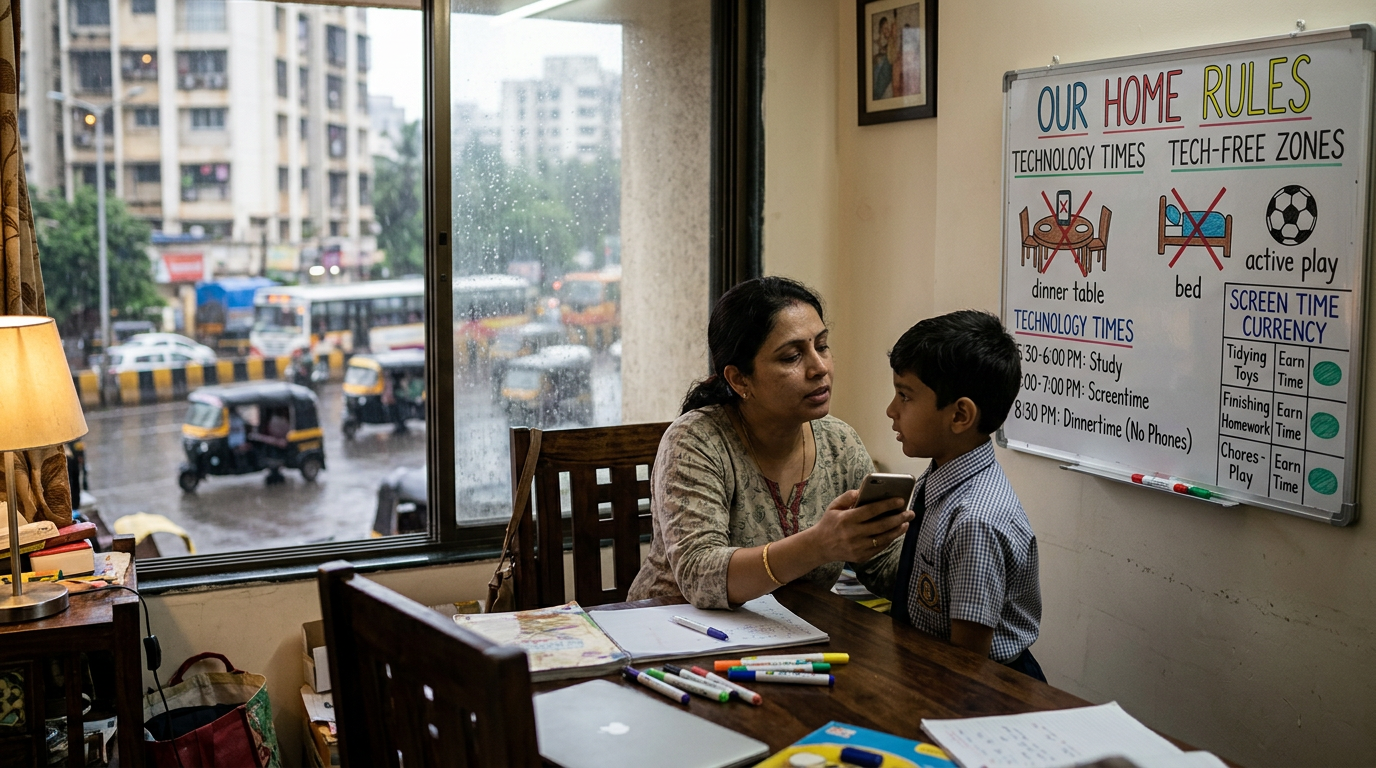
Practical Screen Time Rules for Mumbai & Navi Mumbai Parents
In a city like Mumbai, managing your child's screen time feels like a constant battle. Here are realistic screen time rules that actually work for families in the MMR, from Bandra to Belapur.