
How to Raise Resilient Kids: A Mumbai Parent's Guide
Raising emotionally strong children in Mumbai's hyper-competitive climate isn't about eliminating stress; it's about giving them tools to bounce back from defeat.
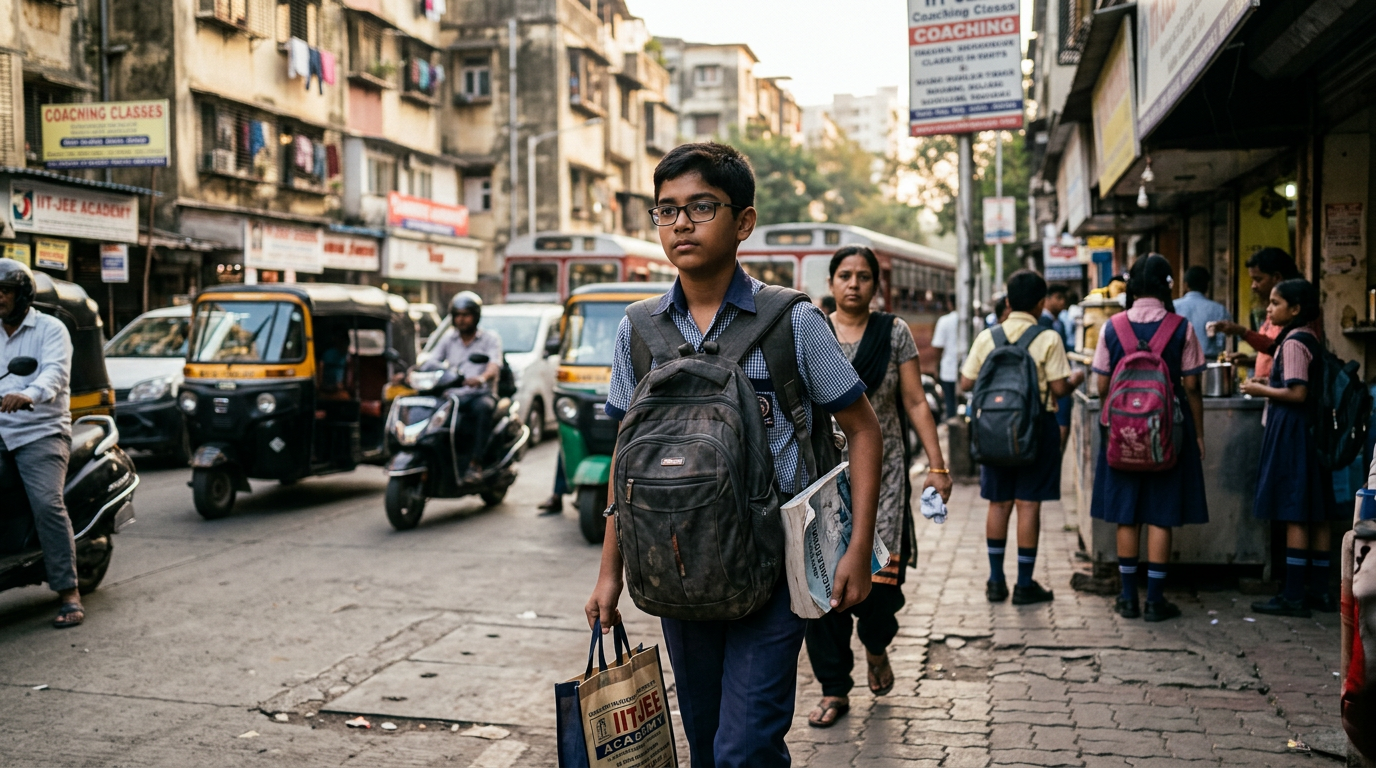
On any given Tuesday afternoon outside coaching classes in Dadar, Thane West, or Vashi Sector 17, you witness the exact same scene: scores of school children carrying backpacks nearly half their body weight, rushing from school to tuition to extracurricular training. Between fierce school admissions, cut-offs topping 98 percent for junior colleges, and the non-stop sensory overload of living in the Mumbai Metropolitan Region (MMR), our children experience pressure at an unprecedented scale. Understanding how to raise resilient kids is no longer just a trending parenting catchphrase; for families living in Mumbai, it has become an indispensable life skill.
The Hyper-Competitive MMR Landscape: Why Grit Matters Here
Growing up in Mumbai or Navi Mumbai provides youngsters with an incredible sense of possibility, but it also immerses them in an unforgiving rat race before they even hit double digits. Whether you live in a high-rise society off Palm Beach Road in Sanpada or an apartment complex in Bandra West, our children absorb ambient adult anxiety. They see parents stressing over school lotteries, entrance exams, and neighborhood comparisons during society Ganpati festivals.
When children grow up in an environment where small mistakes feel catastrophic—such as falling from an 'A1' to a 'B' grade in a terminal exam at an ICSE or CBSE school—they internalize the idea that failure is fatal. Consequently, many develop fragile self-esteem. They perform brilliantly when the path is smooth, but they fall apart emotionally when they face rejection, a harsh critique from a sports coach at Shivaji Park, or a dropped mark on an internal assessment.
True resilience is not about enduring hardship silently or developing a hardened, unemotional shell. Instead, raising resilient kids means fostering their capacity to experience setbacks, sit with the uncomfortable emotions that follow, assess what went wrong without spiraling into self-blame, and make a plan to try again.
Reframing Academic Stumbles in a Board-Exam Obsessed City
In many Mumbai households, academic performance remains the primary yardstick of a child's worth. Parents spend anywhere between ₹60,000 to upwards of ₹2,50,000 annually on private tutoring, test preparation modules, and coaching institutes in Andheri, Borivali, or Nerul. With that level of financial and emotional investment, parental disappointment often leaks out when report cards arrive.
To teach children how to bounce back, we must fundamentally alter our reactions to poor grades and academic disappointment.
Normalize the Stumble Early
When your fifth grader brings home a disappointing mathematics paper, your initial reaction sets their internal dialogue for years to come. If your first response is panic, anger, or comparison with the neighbor's child who attends Kumon classes every evening, your child learns that mistakes are shameful secrets. Ask grounding questions instead:
- "Which questions felt confusing while you were writing?"
- "Do you think you ran out of time, or did you forget the formulas?"
- "What can we do differently during study hours this week to make this clearer?"
Praise Process Over Innate Intelligence
Telling a child "You are so smart" creates anxiety because they fear losing that title the moment they encounter a complex physics problem. Conversely, saying "I noticed how hard you worked on that history timeline, especially when you had to rewrite it after your computer crashed" reinforces agency. Research confirms that children praised for their effort develop an incremental mindset: they view intelligence as a muscle that strengthens through resistance rather than a fixed trait determined at birth.
If your child is currently struggling to balance schoolwork with emotional wellness, reviewing our guidance on [INTERNAL_LINK: managing student stress during board exams] can help you structure balanced daily study routines.
Building Everyday Independence in the Urban Environment
Mumbai parents often confuse protection with love. Because of safety worries, heavy traffic on the Western Express Highway or the Sion-Panvel Expressway, and packed public areas, we tend to over-manage every meter of our children's movements. They are ferried in air-conditioned cars from door to door, accompanied by domestic helpers or family members well into their teens.
While urban vigilance is practical, excessive micromanagement deprives kids of building operational self-reliance. Resilient children believe in their own capability because they possess concrete proof that they can solve problems without their parents standing right behind them.
- Age 7 to 9: Let them manage minor transactions. Have them walk into the local neighborhood dairy in Matunga or Kharghar to purchase milk and bread while you observe from the corner. Let them verify the change in rupees and handle any shortfalls directly with the shopkeeper.
- Age 10 to 12: Assign real household responsibilities. This means tasks whose failure creates a tangible inconvenience, such as laying out the family dinner table, packing their own sports kit for swimming practice at the local gymkhana, or walking the pet dog down the society compound stairs.
- Age 13 and up: Encourage independent transit navigation. Guide them through riding an auto-rickshaw using meter fares, navigating an AC local train during non-peak hours between Vile Parle and Churchgate, or taking an NMMT bus across Navi Mumbai nodes.
When young people navigate the physical city independently, their internal confidence expands. They realize they can interact with the wider world, read directions, advocate for themselves, and manage unexpected transit delays without falling into helplessness.
"Resilience is not forged in a sterile, perfectly curated bubble. It is built when a child faces a messy, inconvenient situation—like a missed school bus or an unexpected monsoon shower—and discovers that they possess the wits and composure to sort it out."
— Dr. Ananya Mukherjee, Child Psychologist, Mumbai
Emotional Regulation Amid Mumbai's Sensory Overload
City living comes with non-stop stimulation: traffic honking on SV Road, crowded housing developments, cramped elevators, and the unrelenting glow of screens. Children living in smaller apartments in central neighborhoods like Lower Parel or Ghatkopar rarely experience quiet solitude. This baseline level of sensory strain lowers frustration tolerance, making kids quicker to throw tantrums or surrender when tasks become difficult.
Teaching emotional regulation is central to how to raise resilient kids. Resilience requires self-soothing when adrenaline spikes.
Start by helping your children identify physiological cues of stress. Teach them to notice when their fists clench, their stomach flutters before an elocution competition, or their breath turns shallow during an argument with a sibling. Instead of commanding them to "calm down"—a phrase that rarely works for anyone—introduce somatic regulation methods that fit into apartment living:
- The 4-7-8 Breathing Technique: Inhale through the nose for four counts, hold the breath for seven counts, and exhale slowly through mouth for eight counts. Five cycles reset the autonomic nervous system.
- Designated Quiet Corners: Even in a modest two-bedroom flat in Mulund or Seawoods, create a small, screen-free reading nook with a floor cushion where children can retreat without judgment when feeling emotionally overwhelmed.
- Validating the Feeling While Setting Boundaries on the Behavior: You can accept all feelings while rejecting destructive actions. Tell them: "It makes sense that you are furious that your cricket match at Oval Maidan was called off due to waterlogging, but slamming the door and shouting at your grandmother is unacceptable."
The Antidote to "Lawnmower Parenting"
In suburban Mumbai, we see an increase in "lawnmower parenting"—moms and dads who mow down every obstacle in a child's path so the child never experiences pain, inconvenience, or disappointment. If a child forgets their project chart, the parent dispatches a courier or drives to school immediately to drop it off. If a child is benched during an inter-school football match at Cooperage Ground, the parent calls the sports coordinator to complain.
While done with protective intentions, this behavior cripples emotional maturation. When we clear every hurdle, children arrive at young adulthood entirely unequipped to manage standard life complications like college rejections, tough bosses, or broken friendships.
Constructive Discomfort vs. Real Crisis
Parents must learn to distinguish between genuine danger and constructive discomfort. Being bullied or subjected to abuse is an emergency requiring swift intervention. Forgetting sports shoes, losing an election for school house prefect, or getting cut from the school annual day dance troupe is constructive discomfort.
| The Situation | Lawnmower Response | Resilience-Building Response |
|---|---|---|
| Child leaves art file at home before submission. | Parent drops everything, drives to school gate to hand it over. | Let the child explain the lapse to the teacher and accept the deduction. |
| Child disputes coach's team selection. | Parent confronts the coach or threatens to withdraw sports fees. | Coach the child on how to ask the instructor directly what skills need work. |
| Friendship dispute in housing society. | Parent vents on the society WhatsApp group to shame other parents. | Listen, role-play communication, and let the kids negotiate terms. |
By stepping back, you convey unspoken faith in your child's competence: "This is hard, but I know you have the strength to handle it." For insights into building healthy emotional connections during these moments, see our article on [INTERNAL_LINK: positive discipline techniques for modern families].
Cultivating Social Capital and Real Community
In high-density metropolises like Mumbai, families can paradoxically live in total social isolation. Many children shuttle between nuclear family apartments, school buses, and private classes, rarely establishing wide social safety nets across different ages and socioeconomic backgrounds.
Resilience grows within community networks. Kids need to realize that their immediate family is not the only place to find support, wisdom, and perspective.
The Value of Mixed-Age Society Play
Encourage your children to participate in unstructured society compound play instead of enrolling them in rigid coaching camps for every waking hour. When an eight-year-old plays cricket down the building driveway in Chembur alongside a fourteen-year-old and a six-year-old, vital lessons happen organically:
- They learn to negotiate house rules (e.g., "one tip, one hand out").
- They learn dispute resolution without adult arbitration when there is an argument over a run-out.
- Older children cultivate patience and responsibility for younger playmates, while younger kids learn to cope with being tagged out without quitting the game.
These chaotic, low-stakes playground squabbles are nature's training ground for psychological fortitude. Children who master compound politics grow into adults who collaborate effectively across difficult corporate teams.
Prioritizing Downtime in Nature Over Packed Schedules
A child whose calendar is as densely scheduled as a corporate executive's has no space to process disappointment. When every minute is accounted for—from morning assembly to late-night coding homework—the brain operates in a chronic state of low-grade alert. Chronic fatigue mimics emotional fragility; an exhausted child cries over trivial challenges simply because their neurological battery is depleted.
Schedule deliberate periods of empty space. Protect your weekends from the runaway escalation of birthday parties, enrichment modules, and shopping mall excursions.
Connect your family with nature throughout the region. Take an early morning walk through the dense canopy of Sanjay Gandhi National Park in Borivali, explore the quiet trails of Kharghar Hills, or spend a breezy, unhurried evening walking along the beach at Juhu or Uran. Nature provides perspective. It reminds children that the world is vast, tranquil, and entirely indifferent to whoever won the spelling bee or which school council seat went to someone else.
Three Practical Family Rituals to Strengthen Emotional Fortitude
You do not need intensive weekend seminars or expensive coaching programs to teach grit. You can weave resilience into everyday household habits across Mumbai apartments through consistent, low-stress rituals.
1. The "Mistake of the Week" Dinner
Once a week, gather around the dining table and have each family member—starting with the parents—share one mistake they made that week and what they learned from it. Did you send an email to the wrong client at your BKC office? Did you burn the tadka while making dal? When your kids see that competent, loving adults make mistakes, admit them without collapse, and clean up the consequences, the terror of fallibility disappears.
2. The Perspective Reframe
When an unexpected problem arises—a canceled holiday to Alibaug because of monsoon weather, or a broken mobile screen—resist the urge to vent loudly. Take a breath and ask your family: "Is this a disaster, an emergency, or an inconvenience?" In almost all daily dilemmas, the issue is simply an inconvenience. Teaching kids to label problems accurately prevents catastrophizing.
3. Financial Realism
Living in Mumbai exposes kids to glaring wealth disparities. Children see classmates taking luxury overseas holidays to Europe during Diwali breaks or flaunting the latest smartphones. Resilient kids understand limits. Involve them in age-appropriate discussions about money, trade-offs, and family savings goals. A child who learns to hear "no, we are not spending on that right now" and handle the social sting without falling into despair develops vital emotional maturity.
The Long View: Raising Adults, Not Just Successful Students
Our true objective as parents is not to present a trophy-laden teenager to college admissions boards at nineteen. Our real mission is to send an emotionally resilient twenty-five-year-old out into the world: someone who can handle being turned down for a promotion, manage a difficult romantic breakup, deal with illness, or rebuild after a financial miscalculation without losing their identity.
Teaching your kids resilience requires you to examine your own fears. Much of the hovering, over-scheduling, and grade anxiety common to Mumbai households stems from our desire to shield our children from the friction of modern life. Yet friction is the exact force that develops emotional traction. Step back slightly this week. Permit them to struggle with that tricky science assignment, let them resolve their argument with their neighborhood playmate, and celebrate their courage when they dust off their knees after an inevitable fall.
Ready to transform your parenting approach? Choose one area this week where you typically rescue your child—whether packing their school bag or resolving an interpersonal squabble—and intentionally step back. Let them take the lead, celebrate their effort, and watch their inner confidence grow.
Keep reading
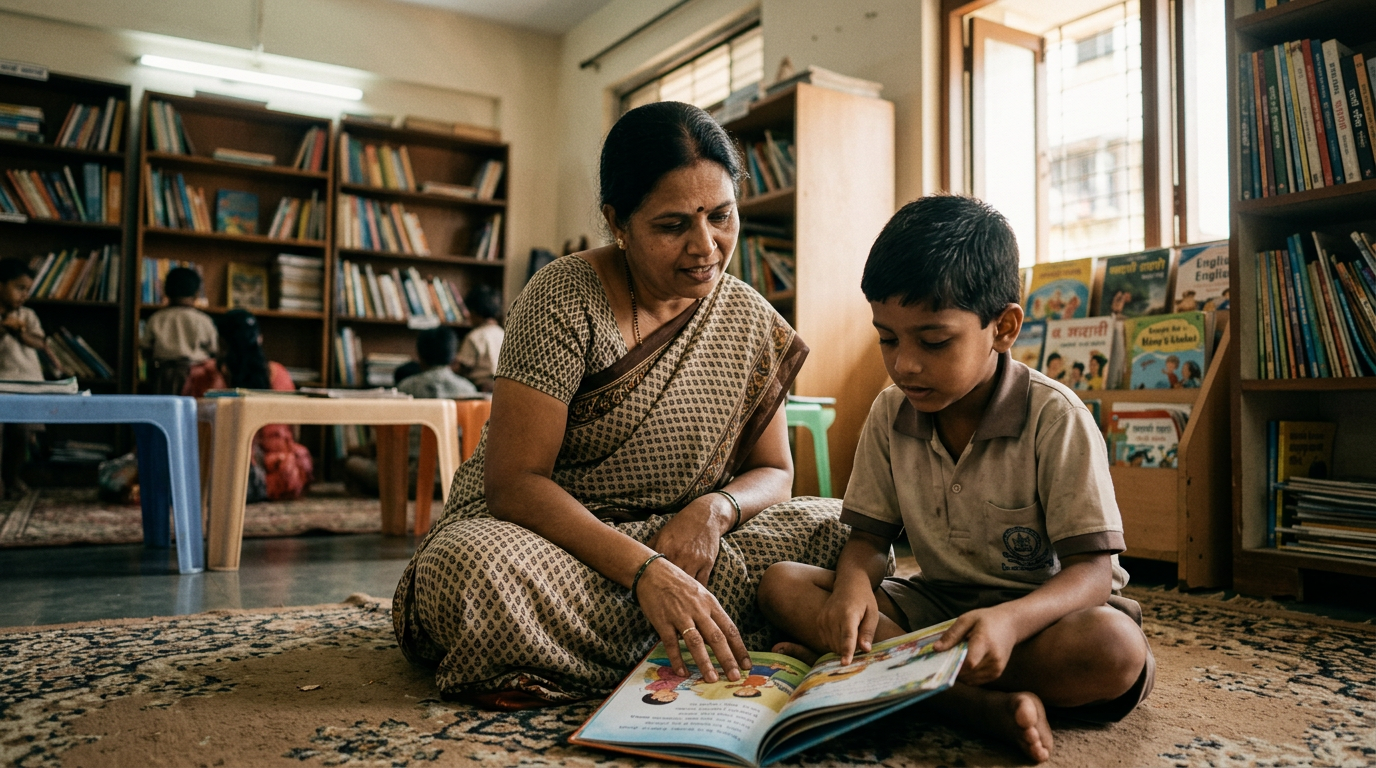
Nurturing Lifelong Reading Habits for Kids in Mumbai
Cultivating consistent reading habits for kids in Mumbai requires smart routines, local bookstore visits, and community libraries across MMR neighborhoods.
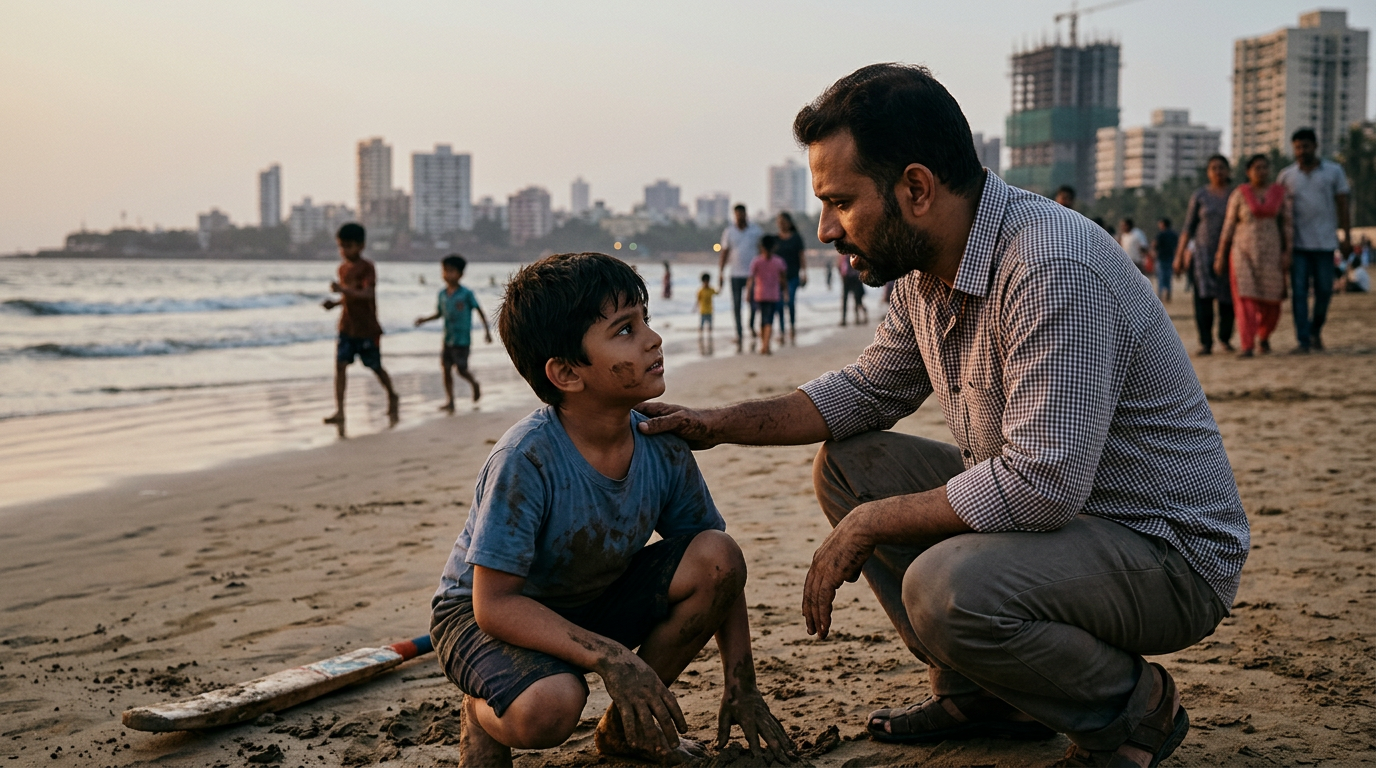
How to Raise Resilient Kids: A Mumbai Parent's Guide
Raising adaptable children in MMR means balancing fierce academic competition with emotional grit. Here is a practical, hyper-local guide for urban parents.
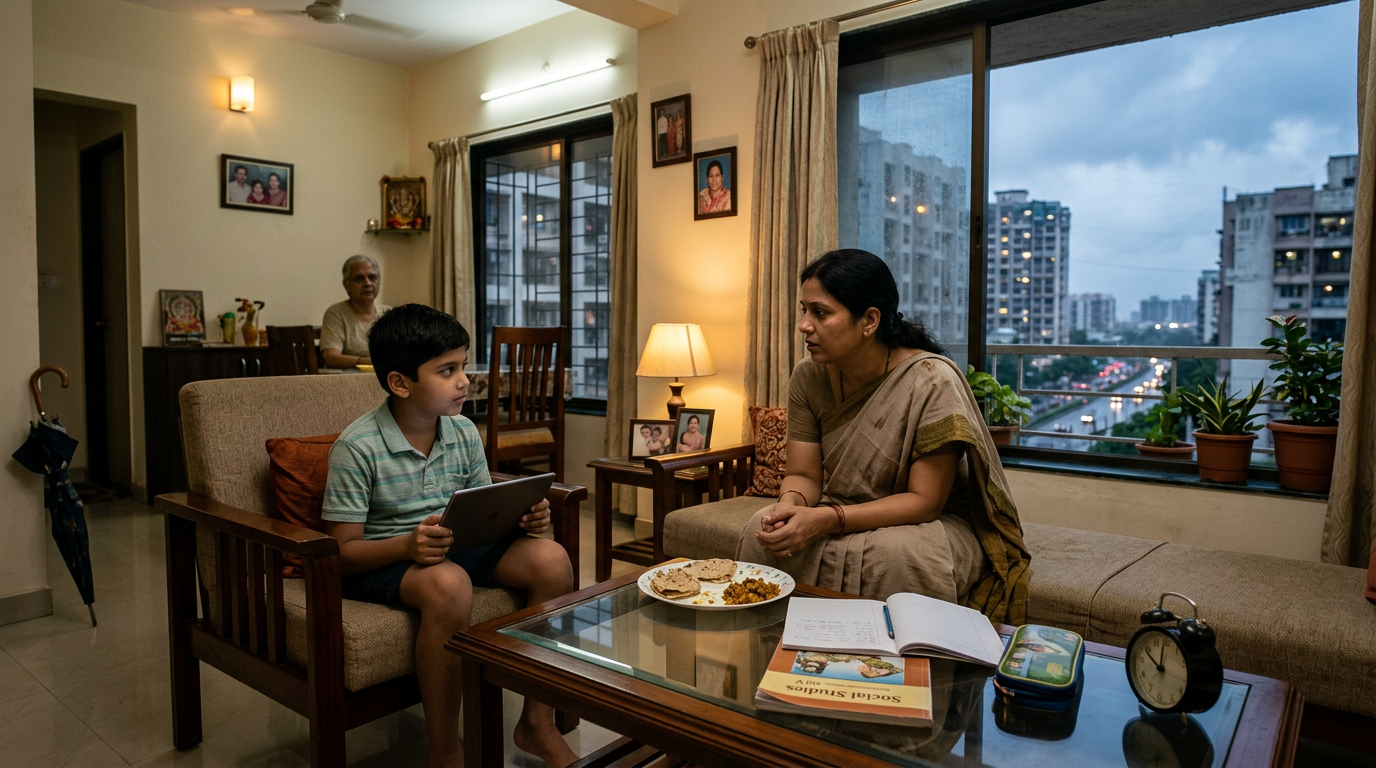
Screen Time Rules That Work for Busy Mumbai Parents
Tired of tablet battles in your Mumbai apartment? Here are realistic screen time rules that work for urban families, complete with MMR-friendly offline alternatives.