Paris Fashion Week 2025: Key Trends Shaping Global Style
The runways have spoken. Our official report breaks down the Paris Fashion Week 2025 key trends, from architectural draping to fluid tailoring, and explores their global impact.
Paris Fashion Week 2025: The Definitive Trend Report
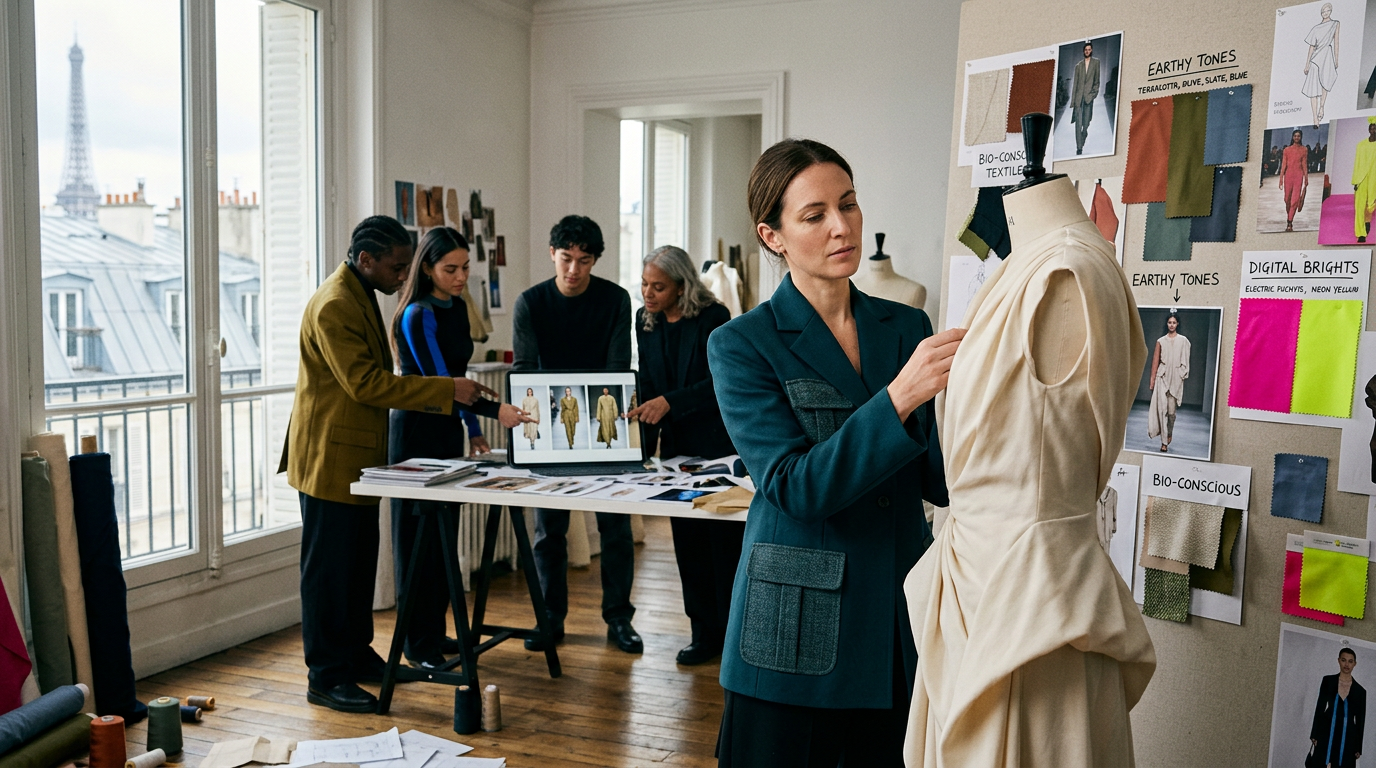
As the final crescendo of fashion month, Paris always delivers a potent mix of heritage and revolution. The city’s hallowed runways become a global stage, setting a definitive tone for the seasons ahead. This year was no exception. The Paris Fashion Week 2025 key trends have emerged not as fleeting whims, but as thoughtful conversations about our modern world—our relationship with craft, nature, and technology. These are not just Parisian ideas; they are global dialogues, echoing in the design studios of Tokyo, the street style of Lagos, and the ateliers of São Paulo. Let's explore the major movements destined to shape wardrobes across the world.
The New Utility: Artisanal Workwear Reimagined
The concept of utility wear is perennial, but for 2025, Paris refined it with an artist’s touch. Forget basic khaki and simple silhouettes; this was about elevating workwear to an object of beauty. We saw chore coats in raw, hand-woven silks, cargo trousers with impossibly precise pleating, and jumpsuits constructed from luxurious, bonded canvas. The beauty was in the details: contrasting topstitching that felt more like embroidery, custom-forged metal hardware, and pockets designed with sculptural intention rather than mere function. This trend feels like a direct nod to the Japanese obsession with perfected utilitarianism, seen in brands like Sacai and Visvim, where every element is considered and crafted. It also connects with the enduring American love for durable, heritage workwear, but filtered through a couture lens. On the Parisian runways, designers proposed that practicality and poetry can, and should, coexist. This isn't about dressing for a factory floor; it's about honoring the principles of functional design with the highest level of craftsmanship. It’s a quiet luxury that speaks volumes about appreciating the things we own.
Sculptural Silhouettes: The Rise of Architectural Draping
Form took center stage this season as designers moved beyond the familiar A-lines and sheath dresses to explore more complex, architectural volumes. Fabric was draped, twisted, and molded into dramatic shapes that challenged the natural contours of the body. Think gowns with sweeping, wave-like folds that seemed to defy gravity, and jackets with sharp, cantilevered shoulders that created an entirely new posture. This trend felt deeply influenced by the avant-garde spirit of the Antwerp Six, but with a polished Parisian finish. Houses known for their structural prowess pushed the boundaries even further, presenting pieces that felt like wearable sculptures. This wasn't about restrictive clothing; clever internal structures and masterful pattern-cutting ensured the garments were surprisingly light and allowed for movement. The effect was powerful and assertive, a form of sartorial armor for the modern woman. This trend is a testament to the technical skill of the atelier, reminding us that fashion can be a powerful art form. For more on the history of this type of design, see our [INTERNAL_LINK: history of haute couture] guide.
A Dual Palette: Earthy Tones Meet Digital Brights
The color story from Paris was a fascinating study in contrasts, reflecting our dual existence in both the natural and digital worlds. On one hand, a rich, grounded palette dominated many collections. These were sophisticated, earthy tones drawn from the natural world: deep terracotta, mossy green, warm ochre, and the color of wet clay. These hues brought a sense of calm and timelessness, resonating with the minimalist sensibilities often found in Scandinavian design. They appeared in monochrome looks or were layered for a tonal, textured effect. But punctuating this earthy calm were electrifying jolts of hyper-saturated, digital brights. An acid green dress, a cobalt blue coat, a flash of magenta on a handbag—these colors felt born from a screen, vibrant and unapologetically modern. This use of brilliant, isolated color is a technique often seen in the dynamic street style of fashion hubs like Lagos and Johannesburg, where color is used to express pure joy and confidence. In Paris, this combination of the earthy and the electric felt incredibly current. It suggests a wardrobe that is both grounded and optimistic, acknowledging our need for nature while embracing the energy of our technological future.
Material Innovation: The Era of Bio-Conscious Couture
Sustainability has officially graduated from a talking point to a core principle of luxury design. This season, the focus was on groundbreaking, bio-conscious materials that merged science with high fashion. We witnessed the arrival of fabrics that were not just recycled, but grown. Designers showcased stunning pieces made from mushroom-derived leather that was supple and buttery, silk alternatives spun from citrus byproducts, and sequins crafted from biodegradable seaweed polymers. This wasn't about sacrificing luxury for ethics; it was about demonstrating that the two are intrinsically linked. The innovation was breathtaking, showing that the future of couture lies in the laboratory as much as the atelier. Stella McCartney has long been a pioneer in this space, but now the entire industry is catching up, with legacy houses investing heavily in R&D.
“We are no longer asking if a material is beautiful. We are asking, ‘Where does it come from, and where will it go?’ The new luxury is a closed loop. It’s about creating desire for objects that are born from and can return to the earth without a trace. That is the ultimate elegance.”This shift represents a monumental change in the industry's mindset. It’s a move towards a regenerative model, where fashion actively contributes to environmental solutions rather than problems. Consumers are increasingly demanding this transparency, and Paris has shown it is ready to lead the charge. Learn more about the movement in our [INTERNAL_LINK: complete guide to sustainable fashion].
Theatrical Textures: A Celebration of Touch and Movement
In a direct counterpoint to the season's sleek utility, a wave of opulent and theatrical textures swept the runways. This was a maximalist’s dream, a joyful exploration of surfaces that demand to be touched and seen. It was about clothes that perform, that catch the light, and that create their own energy through movement. The mood was celebratory and unabashedly glamorous, recalling the high drama of Old Hollywood while also tapping into the festive spirit seen in cultural events like Carnival in Rio de Janeiro. This trend is less about a single silhouette and more about a feeling of extravagant tactility. Key textures included:
- Extravagant Feather Trims: Plumes of ostrich and marabou adorned hemlines, cuffs, and even entire coats, fluttering with every step.
- Liquid Fringe: From fine, thread-like strands to thick, leather-cut strips, fringe was everywhere, creating a mesmerizing sense of motion on skirts, jackets, and bags.
- Luxe Fuzz: Cozy, high-pile textures like mohair, alpaca, and faux fur were rendered in both neutral and vibrant shades, offering a comforting yet statement-making embrace.
- Three-Dimensional Embroidery: Intricate beadwork and thread work that rose from the surface of the fabric, creating a rich, touchable landscape on bodices and gowns.
Redefined Tailoring: The Power of the Fluid Suit
The power suit is not dead; it has simply evolved. For 2025, Parisian designers deconstructed traditional tailoring, softening its rigid lines and injecting a powerful sense of fluidity and ease. The result is a suit that commands attention not through sharp, intimidating shoulders, but through its elegant movement and relaxed confidence. We saw blazers with dropped shoulder seams and flowing, scarf-like lapels. Trousers were cut with generous volume, pooling gracefully around the ankle. Fabrics were key to this trend: lightweight crepes, washed silks, and fine-gauge wools that draped beautifully and moved with the wearer. This evolution feels like a nod to the legacy of designers like Giorgio Armani, who revolutionized tailoring in the 80s, but updated for a contemporary, often gender-fluid, audience. It also reflects a global shift in work culture, where office attire is becoming less about conformity and more about individual expression. This new suit is versatile—it works for a boardroom meeting, an art gallery opening, or a relaxed dinner. It’s a modern uniform that prioritizes comfort without sacrificing an ounce of polish, a concept also seen gaining traction in the sophisticated street style of Seoul.
Accessorize with Soul: The Modern Heirloom
In a world of fast trends, there was a palpable desire for objects with soul and longevity. This manifested in accessories and details that felt like modern heirlooms—pieces designed to be cherished for a lifetime and passed down through generations. The focus was on intricate craftsmanship and personal storytelling. Handbags featured vintage-inspired clasps and kiss-lock closures, often crafted from beautifully patinated brass. Jewelry incorporated uncut stones and artisanal metalwork, celebrating imperfection and the maker's hand. On garments, we saw a return to painstaking details like micro-pleating, delicate smocking, and hand-embroidered monograms. This trend connects to a global appreciation for artisanal skill, from the legendary jewelers of India to the leatherworkers of Florence. It’s a quiet rebellion against disposability, championing the idea that the most precious things are those with a story. How can you incorporate this trend into your own style?
- Invest in One Great Piece: Instead of several trendy bags, save for one timeless, beautifully crafted handbag that will age with grace.
- Seek Out Artisans: Explore smaller, independent jewelry designers who work with unique materials and traditional techniques.
- Personalize It: Add a monogram to a classic trench coat or have a family crest subtly embroidered on a shirt cuff. It transforms a simple garment into a personal treasure.
- Mix Old and New: Wear your grandmother’s brooch on the lapel of a new, fluid blazer. It’s this mix that creates a truly personal and timeless style. Check out our [INTERNAL_LINK: guide to vintage shopping] for tips.
What These Trends Mean For Your Wardrobe
The message from Paris Fashion Week 2025 is clear: the future of fashion is intentional. It's a thoughtful blend of opposites—the practical with the poetic, the natural with the digital, the minimalist with the maximalist. The key trends point towards a wardrobe that is more personal, more sustainable, and more joyful. It's about investing in beautifully crafted workwear, embracing the power of a sculptural silhouette, and finding the perfect balance between earthy calm and digital energy. It’s about choosing materials that are kind to the planet and celebrating the sheer, unadulterated fun of theatrical textures. Above all, it’s about building a collection of modern heirlooms that tell your own unique story. Which of these Parisian trends resonates most with you? How do you see these ideas translating to your city’s style? Share your thoughts in the comments below—we’d love to hear your perspective.
Keep reading
Global Sustainable Fashion Brands Changing the Industry
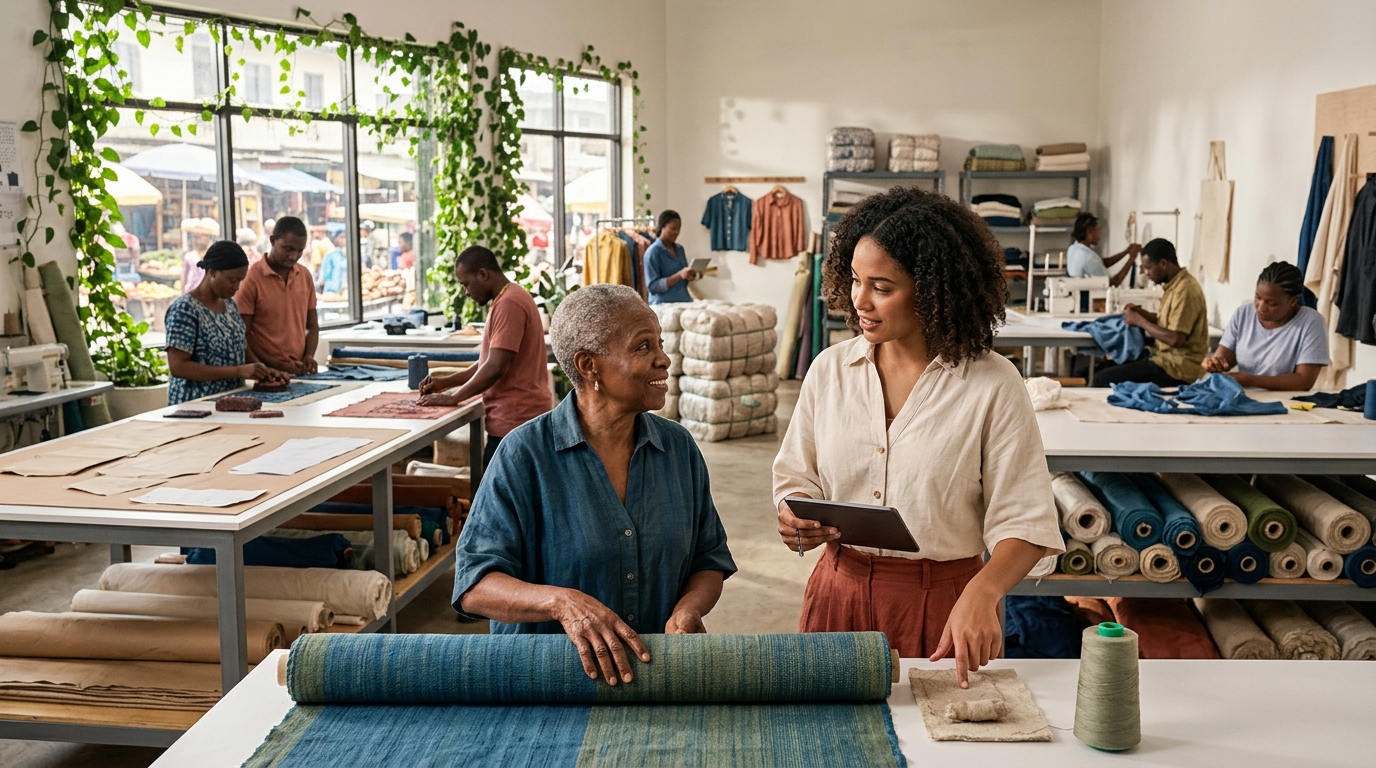
More than a trend, sustainable fashion is a global movement. Explore the innovative sustainable fashion brands leading the charge, from Patagonia's activism to Veja's transparent supply chains.
Sustainable Fashion Brands Making a Global Difference
Tired of fast fashion? We spotlight the innovative and ethical sustainable fashion brands from around the world that are reshaping the industry for the better.
Paris Fashion Week 2025 Key Trends: The Future of Style
The runways of Paris have spoken. From the return of structured elegance to artisanal tech, we’re breaking down the definitive Paris Fashion Week 2025 key trends that will shape wardrobes worldwide.