Paris Fashion Week 2025 Key Trends: The Future of Style
The runways of Paris have spoken. From the return of structured elegance to artisanal tech, we’re breaking down the definitive Paris Fashion Week 2025 key trends that will shape wardrobes worldwide.
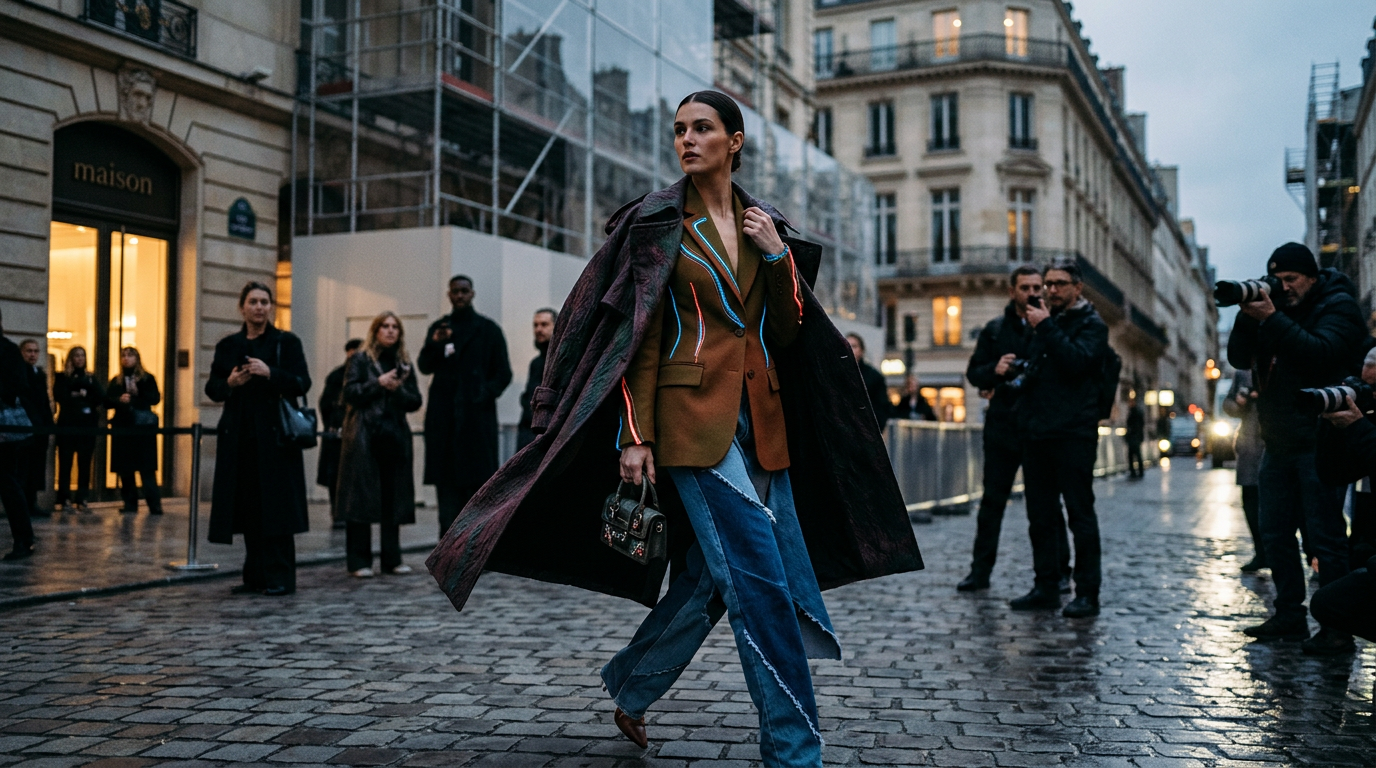
As the final curtain falls on fashion month, all eyes turn to its grand dame: Paris. More than just a collection of shows, Paris Fashion Week sets the sartorial agenda for the world. It’s where heritage maisons enter a dialogue with audacious newcomers, and where artistry meets commerce on a spectacular scale. This season was no exception, offering a compelling vision for the future of our wardrobes. The Paris Fashion Week 2025 key trends signal a collective mood—one that balances pragmatism with fantasy, and technological innovation with a deep respect for human touch. Let’s explore the definitive movements that will be influencing style from Tokyo to Toronto.
The Return of Structured Elegance: Neo-Minimalism Redefined
After seasons of relaxed silhouettes and comfort-first dressing, a powerful shift towards structure and polish has arrived. This isn't the restrictive tailoring of the past, but a new form of architectural elegance. Think razor-sharp blazers with pronounced shoulders at Saint Laurent, nipped-in waists on day dresses at Dior, and perfectly cut trousers that create a long, lean line. The focus is on the craft of garment construction, creating a silhouette that is both powerful and graceful. This neo-minimalism finds its strength in impeccable fit and luxurious, substantial fabrics like dense wools, structured satins, and crisp poplins.
This trend feels like a global response to a renewed desire for formality and intention in how we present ourselves. While Scandinavian style continues to champion a softer, more fluid minimalism, the Parisian version is decidedly more assertive. We saw this in the way designers approached suiting, breaking it down into sophisticated separates that work for a boardroom in New York or an art gallery opening in São Paulo. It’s a quiet confidence, communicated not through logos or loud prints, but through the sheer quality and form of the clothing itself. It suggests an investment in pieces that are timeless, versatile, and command attention without shouting. Explore our guide on [INTERNAL_LINK: how to build a minimalist capsule wardrobe] to get started.
Artisanal Tech: Where Heritage Craft Meets Digital Innovation
Paris has always been the heart of haute couture, celebrating the painstaking work of the human hand. For 2025, designers fused this tradition with cutting-edge technology to create something entirely new. This “artisanal tech” trend isn’t about wearable gadgets; it’s about using technology to enhance and evolve traditional craftsmanship. Loewe, under the masterful direction of Jonathan Anderson, continued to explore pixelation, translating digital imagery into surprisingly tactile knits and prints. Elsewhere, we saw 3D-printed embellishments that mimic delicate lace, laser-cutting techniques applied to leather with surgical precision, and textiles woven with recycled synthetics to create iridescent, otherworldly sheens.
This movement highlights a fascinating global dialogue. Japan, a long-standing leader in textile innovation, has seen its influence permeate Parisian ateliers, with designers adopting advanced weaving and finishing processes. Meanwhile, Indian couturiers known for their elaborate embroidery are beginning to integrate digital mapping to plan and execute complex patterns. The result is a beautiful paradox: clothing that looks futuristic yet feels deeply personal and handcrafted. It challenges our perception of what is natural versus artificial, culminating in breathtaking pieces that are both works of art and feats of engineering. This trend proves that the future of luxury doesn't mean abandoning the past, but rather, augmenting it with the incredible tools of the present.
Color Story: Earthly Tones and Shocking Brights
The color palette presented in Paris was a study in contrasts, reflecting the complex mood of our times. On one hand, there was a deep dive into grounded, natural hues. On the other, an unapologetic embrace of vibrant, electrifying color.
The Grounded Palette: Terracotta, Olive, and Ochre
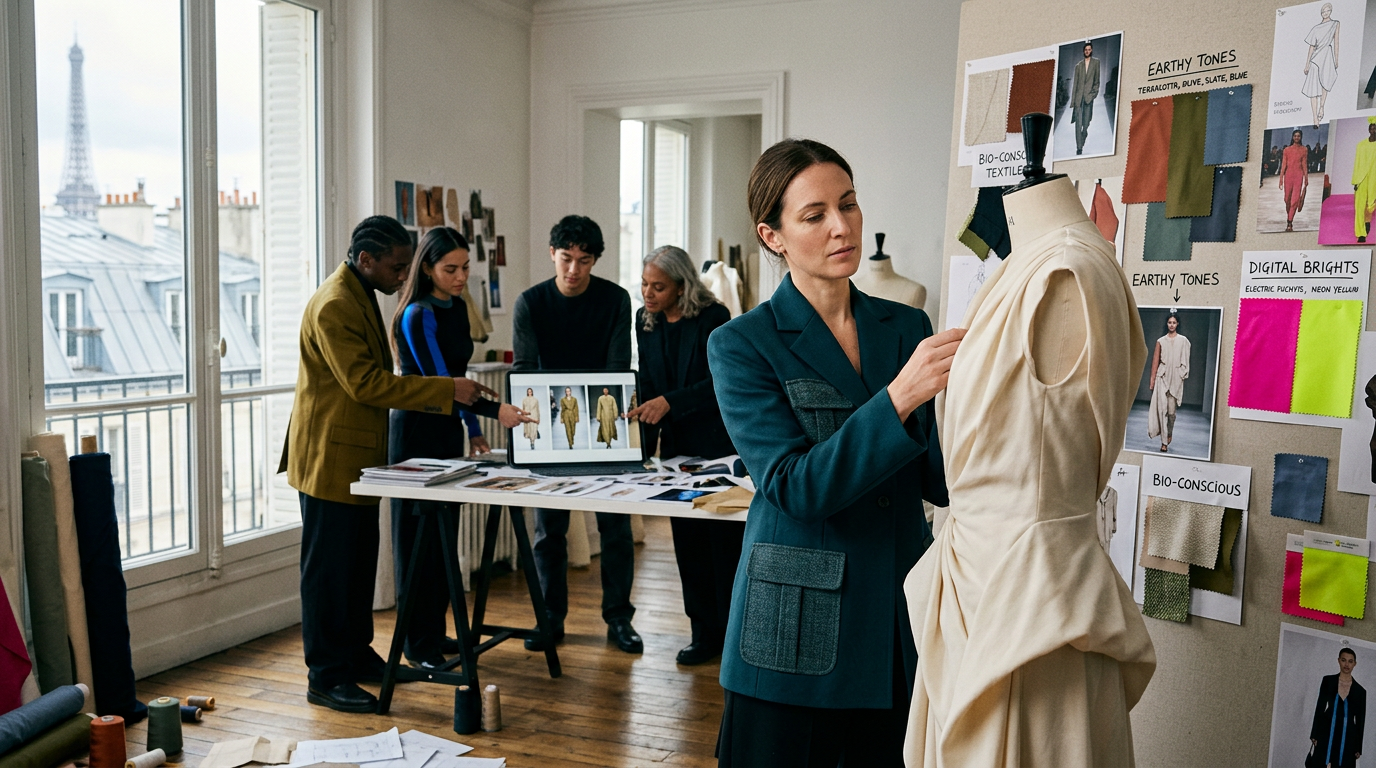
A significant number of collections were rooted in earthy, organic tones. Think of the rich soil of a forest floor, the warm glow of desert clay, and the muted greens of ancient olive groves. Chloé and Hermès showcased this beautifully, with collections dominated by terracotta, ochre, deep khaki, and sophisticated shades of brown. This palette speaks to a desire for longevity and sustainability. These are colors that don't scream for attention but possess a quiet, enduring elegance. They are versatile, seasonless, and connect us to the natural world. This trend aligns with a global consumer shift towards more mindful consumption, favoring pieces that feel timeless and can be integrated seamlessly into an existing wardrobe. It’s a palette that is both calming and incredibly chic.
The Electric Jolt: Cobalt, Magenta, and Chartreuse
In direct opposition to the earthy calm, designers also sent jolts of pure, saturated color down the runway. This was not about subtle accents; it was about full, head-to-toe monochromatic looks in shocking brights. Valentino continued its love affair with powerful color, while other houses experimented with electric cobalt blue, vibrant magenta, and acidic chartreuse. These colors served as a form of “dopamine dressing,” injecting energy, optimism, and a touch of rebellion into the collections. Often rendered in sleek, simple silhouettes, the power was all in the hue. This trend feels like a celebratory statement, a defiant splash of joy that resonates with the vibrant street style of cities like Lagos and Mexico City, proving that bold color is a universal language of confidence.
The Statement Outerwear: More Than Just a Final Layer
In 2025, your coat is not an afterthought—it’s the main event. Outerwear took center stage in Paris, with designers treating coats and jackets as the centerpiece of the look. Silhouettes were dramatic and varied, showcasing an incredible range of creativity. We saw floor-sweeping trench coats with exaggerated lapels, voluminous cocoon shapes that enveloped the body in luxurious wool, and elegant capes that added a touch of old-world glamour. At Balenciaga, the proportions were pushed to their avant-garde limits, while brands like The Row offered a more restrained but equally impactful take on the powerful overcoat.
The global relevance of this trend is undeniable. For those in colder climates, from Moscow to Montreal, a statement coat is a practical necessity and a primary mode of fashion expression for much of the year. Designers are finally giving it the design attention it deserves. Lighter interpretations, like sculptural blazers and embellished bomber jackets, show how this trend can be adapted for milder climates in Sydney or Buenos Aires. The key takeaway is the idea of investment dressing. A beautifully constructed, standout coat is a piece that can define a wardrobe for years to come. Here’s a list of the key outerwear styles we spotted:
- The Floor-Length Trench: A dramatic update on a classic, often in leather or heavyweight cotton.
- The Cocoon Coat: Characterized by rounded shoulders and a voluminous body, offering a chic, protective feel.
- The Modern Cape: Sleek and powerful, worn over everything from suiting to evening gowns.
- The Sculptural Puffer: Insulated jackets reimagined with artistic shapes and unexpected fabrics.
Deconstructed Denim: The Everyday Fabric, Elevated
Denim is a global uniform, a fabric of the people. But on the Paris runways, it was anything but ordinary. Designers approached denim with a couture-like sensibility, deconstructing and reconstructing it into new and exciting forms. Gone are the simple jeans-and-a-t-shirt days; 2025 is about denim as a statement. We saw intricate patchwork creations, where different washes and weights were pieced together to create a rich tapestry of blue. Sculptural denim, championed by designers like Glenn Martens, twisted the fabric into architectural shapes, creating dresses, tops, and jackets that challenged our perception of the humble material. The denim-on-denim “Canadian tuxedo” was also back in full force, but styled with a new level of sophistication—think a tailored denim blazer paired with wide-leg jeans in an identical wash.
This elevation of denim respects its workwear roots while pushing it into the realm of high fashion. The influence of Japan's obsession with high-quality selvedge and artisanal dyeing techniques (known as 'wabi-sabi' aesthetic) was palpable, with many collections featuring raw, unwashed denim that will age beautifully over time. This trend proves that everyday materials can be a canvas for incredible creativity and will likely inspire a new wave of DIY customization and upcycling among fashion lovers worldwide. Get inspired by browsing [INTERNAL_LINK: street style from fashion week].
Accessory Focus: Sculptural Jewelry and Practical Handbags
Accessories completed the story in Paris, with two major shifts in direction. Jewelry became bigger and more artistic, while handbags returned to a place of practical elegance.
Bold, Artistic Adornments
The era of delicate, barely-there jewelry has paused. In its place comes a wave of bold, sculptural adornments that function as wearable art. At Schiaparelli, the surrealist-inspired gold hardware was as integral to the look as the clothes themselves. Across the board, we saw oversized, organic-shaped earrings, chunky metallic cuffs that snaked up the arm, and statement chokers crafted from materials like polished resin, recycled brass, and even hand-blown glass. The emphasis is on unique shapes and substantial forms. These aren't just accessories; they are conversation starters, designed to be the focal point of an outfit. This trend encourages individuality and a collector's mindset, valuing pieces with artistic merit over fleeting trends.
The Practical (But Polished) Handbag
After a long reign, the micro-bag, capable of holding little more than a single key, has officially been retired. In its place is the glorious return of the practical handbag. Designers from Chanel to Celine showcased sophisticated, medium-to-large totes, structured top-handle bags, and elegant crossbody styles that can actually accommodate the necessities of modern life: a phone, wallet, keys, and maybe even a tablet or a book. The focus was on beautiful leathers, clean lines, and minimal hardware. This shift is a welcome dose of reality, acknowledging that for most people around the globe, a handbag needs to be functional as well as fashionable. It’s a trend that will be universally embraced for its sheer common sense and enduring style.
Sustainable Luxury: A Non-Negotiable Mandate
Perhaps the most significant undercurrent of Paris Fashion Week was the industry's deepening commitment to sustainability. What was once a niche topic is now a core tenet for luxury's most powerful players. This was evident not just in the clothes, but in the entire ecosystem of the shows. Many brands are moving beyond simply using organic cotton and are now innovating with next-generation materials.
Here’s what we observed:
- Material Innovation: We saw the increased use of mushroom-derived leather, lab-grown silks, and textiles made from recycled ocean plastics. Stella McCartney, a long-time pioneer in this field, continued to lead the charge with her plant-based material science.
- Supply Chain Transparency: More brands are talking openly about where and how their clothes are made, using QR codes on labels to give consumers access to the garment's journey.
- A 'Buy Less, Buy Better' Mentality: The overall emphasis on high-quality, timeless design implicitly encourages a more sustainable model of consumption.
"We can no longer separate the beauty of a garment from the ethics of its creation. True luxury in 2025 is about responsibility—to the planet and to the people who craft our clothes. It's the only future for fashion."
This mandate for sustainability is a direct response to the demands of a global, eco-conscious consumer. It reflects a universal understanding that the industry must evolve. From European Union regulations pushing for circularity to grassroots movements in Asia demanding better labor practices, the pressure is coming from all directions. This trend is not just about looking good; it's about feeling good about what you wear. For more on this, check out our [INTERNAL_LINK: definitive guide to sustainable fashion].
Looking Ahead: The New Parisian Wardrobe
The Paris Fashion Week 2025 key trends paint a picture of a confident, intelligent, and conscious new wardrobe. It’s a blend of sharp, pragmatic tailoring and bold, artistic expression. It finds beauty in earthy, natural palettes while celebrating the joy of a vibrant color shock. It respects the heritage of handcrafted techniques while embracing the possibilities of technology. Above all, it’s grounded in a new sense of responsibility, proving that style and substance can, and must, coexist. These trends will now trickle down and be interpreted in stores and on streets around the world, from the major department stores to independent boutiques. They offer a rich and varied blueprint for getting dressed in the year to come. Which trend are you most excited to incorporate into your personal style? Share your thoughts in the comments below or join the conversation on our social media channels. For more trend reports, don't miss our breakdown of [INTERNAL_LINK: new york fashion week highlights].
Keep reading
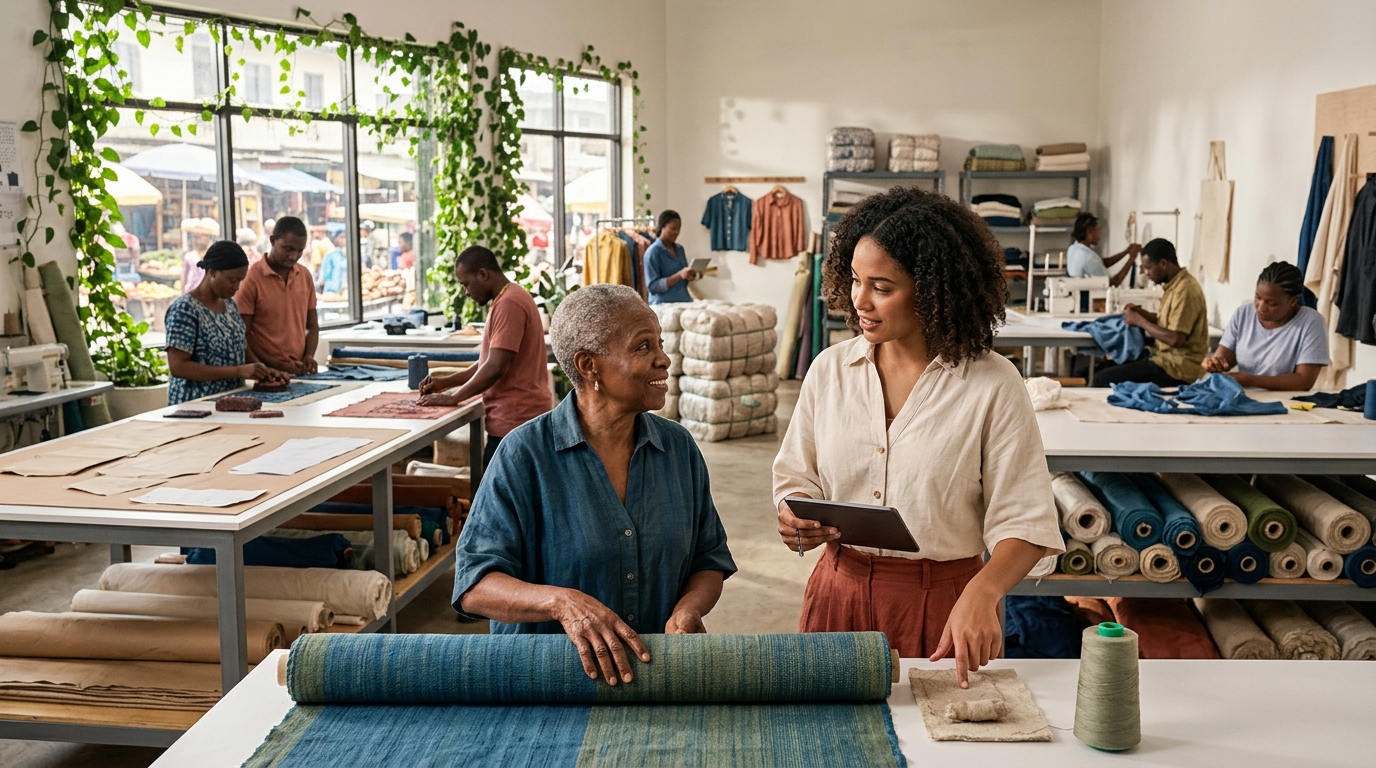
Global Sustainable Fashion Brands Changing the Industry
More than a trend, sustainable fashion is a global movement. Explore the innovative sustainable fashion brands leading the charge, from Patagonia's activism to Veja's transparent supply chains.
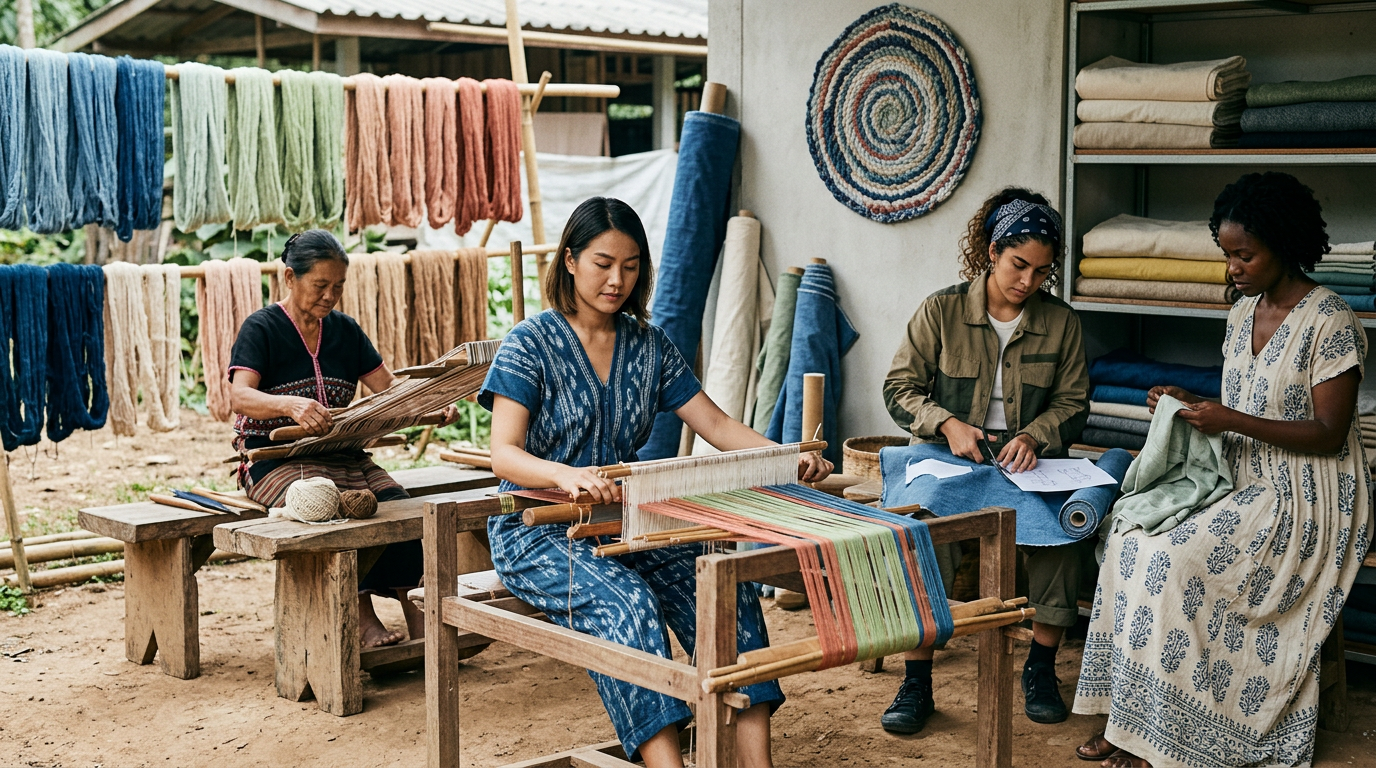
Sustainable Fashion Brands Making a Global Difference
Tired of fast fashion? We spotlight the innovative and ethical sustainable fashion brands from around the world that are reshaping the industry for the better.
Paris Fashion Week 2025: Key Trends Shaping Global Style
The runways have spoken. Our official report breaks down the Paris Fashion Week 2025 key trends, from architectural draping to fluid tailoring, and explores their global impact.