Overcoming Social Anxiety: A Practical Guide for Mumbaikars
In a city of millions, feeling alone is a common paradox. This guide offers practical, Mumbai-specific strategies for overcoming social anxiety and finding your place.
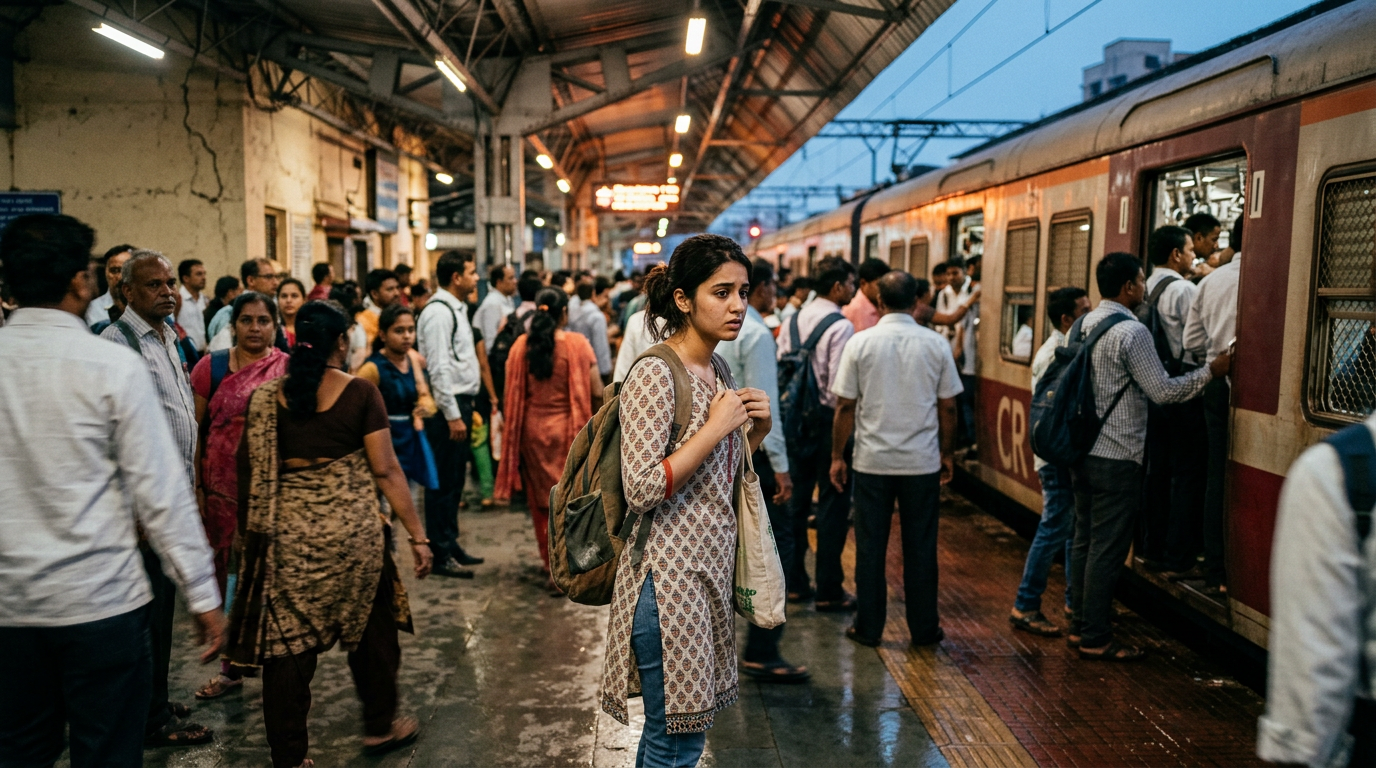
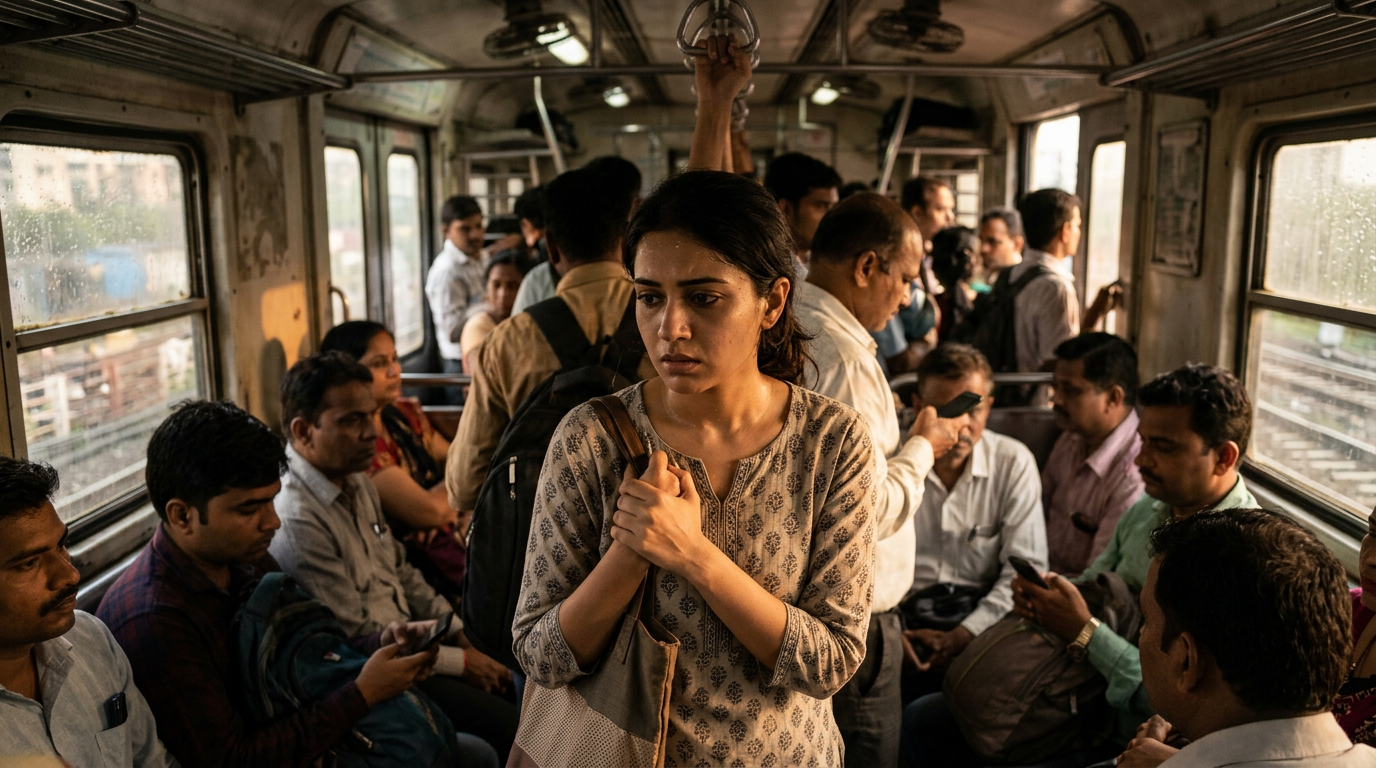
There’s a unique irony to living in Mumbai. You can be physically crushed against a hundred strangers in a 7:42 PM Virar fast and feel utterly invisible. You can sit in a buzzing Bandra cafe, surrounded by chatter and laughter, and feel a profound, isolating silence. For many, this isn't just a bad day; it's the daily reality of social anxiety. The constant energy of the city, which so many thrive on, can feel like a relentless assault. But overcoming social anxiety in Mumbai isn’t about escaping the city; it’s about learning to find your rhythm within it, turning its intimidating scale into a landscape of opportunity.
What Social Anxiety Actually Feels Like in Mumbai
It’s crucial to understand that social anxiety is more than just shyness or being an introvert. An introvert might enjoy a quiet evening at home and feel recharged by it. Someone with social anxiety might desperately want to go out for post-work drinks in Lower Parel but is paralyzed by a deep-seated fear of judgment. It’s the physical, gut-wrenching dread that precedes a social event. In the Mumbai context, this can manifest in very specific ways:
- The racing heart and sweaty palms when you have to speak up in a meeting at your BKC office.
- Repeatedly declining invitations to a friend’s housewarming in a sprawling Thane complex because the thought of making small talk with strangers is exhausting.
- Taking a cab or auto for a much longer route, even paying double, just to avoid the perceived scrutiny of the local train during non-peak hours.
- Sticking to Zomato or Swiggy instead of trying that new restaurant in Powai because ordering in person feels like a high-stakes performance.
- The intense self-consciousness walking through a crowded mall like Seawoods Grand Central or R City, feeling like every single person is watching and evaluating you.
This anxiety is rooted in a fear of being negatively judged, scrutinized, or rejected. It can make you feel like you're under a constant spotlight, where every word and every action is being scored. Acknowledging that these feelings are real, valid, and part of a recognized condition is the first, most powerful step toward managing them.
Start Small: The Solo Mumbai Exploration Method
Jumping into the deep end by forcing yourself to attend a massive party in Juhu is a recipe for disaster. The key to building social confidence is gradual exposure. The goal isn't to become the life of the party overnight, but to slowly expand your comfort zone in low-stakes environments. Mumbai, with its endless nooks and crannies, is the perfect training ground for this. The idea is to be *around* people without the pressure of having to interact with them. This helps your nervous system learn that public spaces are not inherently threatening.
Your Low-Pressure Itinerary:
- Embrace the Waterfronts: Take a solo walk along the Worli Sea Face, Carter Road promenade in Bandra, or Palm Beach Road in Vashi during the early morning or late evening. Put on some music, focus on the sea breeze, and just observe the life around you. There's zero expectation to talk to anyone.
- Become a Cafe Regular: Find a quiet corner in a spacious cafe. Think Fable in Juhu, the Grandmama's Cafe in Chembur, or even the Starbucks at Horniman Circle. Bring a book, your laptop, or a journal. The simple act of ordering a coffee (around ₹250-₹350) and sitting for an hour is a successful social outing.
- Weekday Museum Visits: Museums like the Chhatrapati Shivaji Maharaj Vastu Sangrahalaya or the Bhau Daji Lad Museum are significantly less crowded on a weekday afternoon. You can immerse yourself in art and history, surrounded by the quiet hum of other visitors, which is far less intimidating than a weekend crowd.
- Park Life: Spend an hour on a bench at Priyadarshini Park or the tranquil garden at Hanging Gardens. Watch the world go by. This is about reclaiming public space as your own, a place where you are allowed to simply exist without performing.
Each of these small trips is a victory. It’s you proving to yourself that you can navigate the city on your own terms.
Find Your Tribe: Structured Socializing in the MMR
The terror of most social situations is the dreaded small talk—that unstructured, open-ended conversation that can feel like an interrogation. A powerful strategy is to shift the focus from the conversation to a shared activity. When everyone is busy with a task, interaction becomes more natural and less forced. The Mumbai Metropolitan Region (MMR) is bursting with classes, workshops, and groups centered around common interests.
Instead of a vague 'let's hang out,' you have a clear purpose. You’re not there to be 'interesting'; you're there to learn pottery, play a sport, or discuss a book. Conversation flows from the shared experience. Consider these options:
- Creative Workshops: Sign up for a pottery class in an Andheri studio, a weekend baking workshop in Bandra, or a painting session in a Colaba art space. Your hands are busy, and conversations like "Wow, how did you get your pot so even?" happen naturally.
- Hobby & Interest Groups: Use platforms like Meetup to find groups in your area. You’ll find everything from board game clubs that meet in cafes in Thane and Vashi to amateur photography groups that organize photo walks through the bylanes of Fort.
- Fitness & Movement: Joining a running club that meets at Marine Drive or a yoga studio in Kharghar provides a routine and a community. The initial interactions are simple nods and hellos, which can gradually evolve into friendships built on shared discipline. [INTERNAL_LINK: best yoga studios in Navi Mumbai]
- Book Clubs and Open Mics: Venues like The Hive or the Cuckoo Club often host open mics, poetry slams, and book club meetings. Even if you just go to listen, you are part of a community event with a clear structure and focus.
The cost for these activities can range from a few hundred rupees for a single workshop to a few thousand for a monthly membership, but the investment in your well-being is invaluable.
From Local Trains to Networking: Managing High-Anxiety Zones
Certain environments in Mumbai are designed to test the limits of even the most socially confident person. For someone with social anxiety, they can feel like a final boss battle. But with the right strategies, you can learn to navigate them.
The Local Train Gauntlet
The sensory overload of a crowded local train is immense. Instead of avoiding it entirely, try to manage the experience. Noise-cancelling headphones (a worthy investment from a store like Croma or Reliance Digital) are a game-changer. They create a personal bubble of calm. Focus your attention on a podcast, an audiobook, or the pages of a physical book. This signals to others that you're occupied and reduces your own brain's frantic scanning for social cues and perceived judgments. Start with short, off-peak journeys and gradually work your way up.
The BKC Networking Nightmare
Professional networking events, common in hubs like BKC or Andheri East, are a huge source of anxiety. The pressure to be witty, smart, and connected is intense. Don't go in with a vague goal of 'networking'. Instead, set a small, concrete, and achievable mission. For example: "I will get a drink, speak to two new people for five minutes each, and then I have permission to leave." This frames the event as a task with a clear endpoint, not an endless social ordeal. Prepare one or two open-ended questions beforehand, like "What's the most interesting project you're working on right now?" or "What brings you to this event?" This takes the pressure off you to talk and puts the focus on the other person.
"Exposure therapy isn't about throwing someone into a terrifying situation. It's about building a ladder. In Mumbai, the first rung might be just standing on a train platform for five minutes. The next is getting on for one stop. Each step, no matter how small, recalibrates the brain's fear response. It teaches you, on a fundamental level, that you can handle it."
Re-framing Your Thoughts: Cognitive Tools for a Mumbaikar
A significant part of social anxiety happens in your head. It’s driven by a cycle of negative automatic thoughts. Learning to identify and challenge these thoughts—a core principle of Cognitive Behavioral Therapy (CBT)—is a powerful skill.
One common cognitive distortion is 'mind-reading,' where you assume you know what others are thinking (e.g., "Everyone at this party in Khar thinks I'm awkward and boring"). Another is the 'spotlight effect,' the belief that you are the center of everyone's attention. In a city as dense and fast-paced as Mumbai, the reality is a liberating truth: most people are far too absorbed in their own lives to be scrutinizing you. That person you made awkward eye contact with on the escalator at Phoenix Marketcity? They forgot about you 0.5 seconds later because they were worried about catching their movie on time.
Try this simple, three-step process the next time a negative social thought pops up:
- Identify the Thought: Acknowledge it without judgment. For instance: "My colleagues are all laughing, they must be laughing at me."
- Challenge the Evidence: Act like a detective. What is the actual evidence for this thought? Is there any evidence against it? (e.g., "I can't actually hear what they're saying. They often share inside jokes. One of them smiled at me earlier today.")
- Create a Balanced Thought: Replace the initial hot-headed thought with a more realistic, compassionate one. (e.g., "They are probably laughing at a joke I'm not a part of, which is normal. It likely has nothing to do with me.")
Practicing this, along with mindfulness techniques, can help you break the cycle of anxiety and see social situations with more clarity and less fear. [INTERNAL_LINK: mindfulness techniques for busy professionals]
The Power of the 'Third Place': Your Mumbai Sanctuary
Sociologists talk about the 'third place'—a location that is neither your home (first place) nor your work (second place). These are anchors of community life and crucial for our social well-being. For someone with social anxiety, finding a comfortable third place can be transformative. It’s a spot where you can feel a sense of belonging without the pressure to perform. It’s a place where you are a 'regular'.
Your third place doesn't need to be fancy. It's about familiarity and comfort. In Mumbai, this could be:
- A Local Library: The David Sassoon Library in Kala Ghoda or a community library in a Navi Mumbai node like Belapur offers quiet, solitude, and the gentle presence of others.
- A Bookshop: Becoming a familiar face at an independent bookstore like Kitab Khana in Fort or Title Waves in Bandra. You can browse for hours, and any interaction with staff is brief, purposeful, and friendly.
- An Irani Cafe: The old-world charm of an Irani cafe is built on regulars. The owner at your local Yazdani or Kyani & Co. might eventually greet you with a nod, making you feel recognized and part of the fabric of the place.
- A Specific Park Bench: Having 'your' bench at Horniman Circle Gardens or a quiet spot in Central Park, Kharghar, can create a sense of ownership and safety in a public space.
This isn't about hiding. It's about creating a home base outside of your home, a predictable and safe environment from which you can launch your forays into more challenging social territories.
When to Seek Professional Help in the City
Self-help strategies are powerful, but sometimes, social anxiety is too deeply entrenched to manage alone. There is absolutely no shame in seeking professional help. In a city that champions hustle and resilience, acknowledging you need support is a sign of immense strength. Therapy can provide you with a structured, supportive environment to understand the roots of your anxiety and learn evidence-based coping mechanisms.
Therapists in Mumbai and Navi Mumbai often use Cognitive Behavioral Therapy (CBT), which is highly effective for social anxiety, as it directly addresses the thought patterns and behaviors that fuel the fear. Finding a therapist can seem daunting, but resources like online directories (e.g., iCALL, Tata Institute of Social Sciences) or asking a trusted general practitioner for a referral are great starting points. Many therapists now offer online sessions, removing the barrier of travel.
Be prepared for the financial commitment. A therapy session in Mumbai can cost anywhere from ₹1,500 to ₹4,000, depending on the therapist's experience and location (clinics in Bandra or South Mumbai may be on the higher end). See it as an investment in your long-term happiness and ability to connect with the world. A good therapist won't just listen; they'll give you a practical toolkit to take on the city, one conversation at a time.
Overcoming social anxiety isn't about changing who you are. It’s about removing the fear that prevents you from being who you are. Mumbai is not just a city of crowds; it’s a city of communities, niches, and endless possibilities for connection. The journey from isolation to connection begins with a single, small step. So, what will yours be? Perhaps a quiet coffee in a Vashi cafe, or a walk along Marine Drive at sunset. Your city is waiting for you.
Take the first step today. Choose one small, manageable activity from this guide and commit to doing it this week. You might be surprised at what you're capable of.
Keep reading
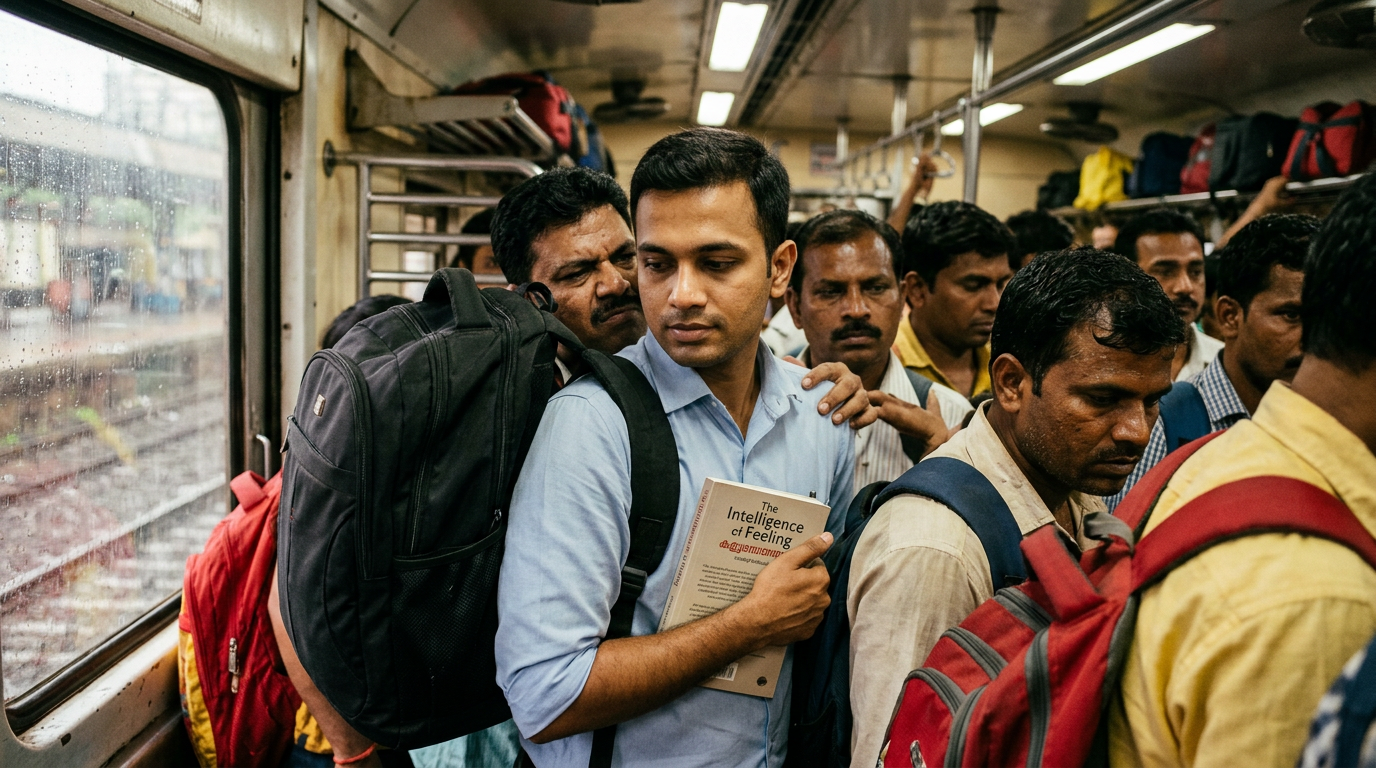
Signs of Emotional Intelligence for Thriving in Mumbai
In a city that never sleeps, emotional intelligence isn't a luxury; it's a survival skill. From packed local trains to high-pressure jobs, these are the signs of EQ in Mumbai.
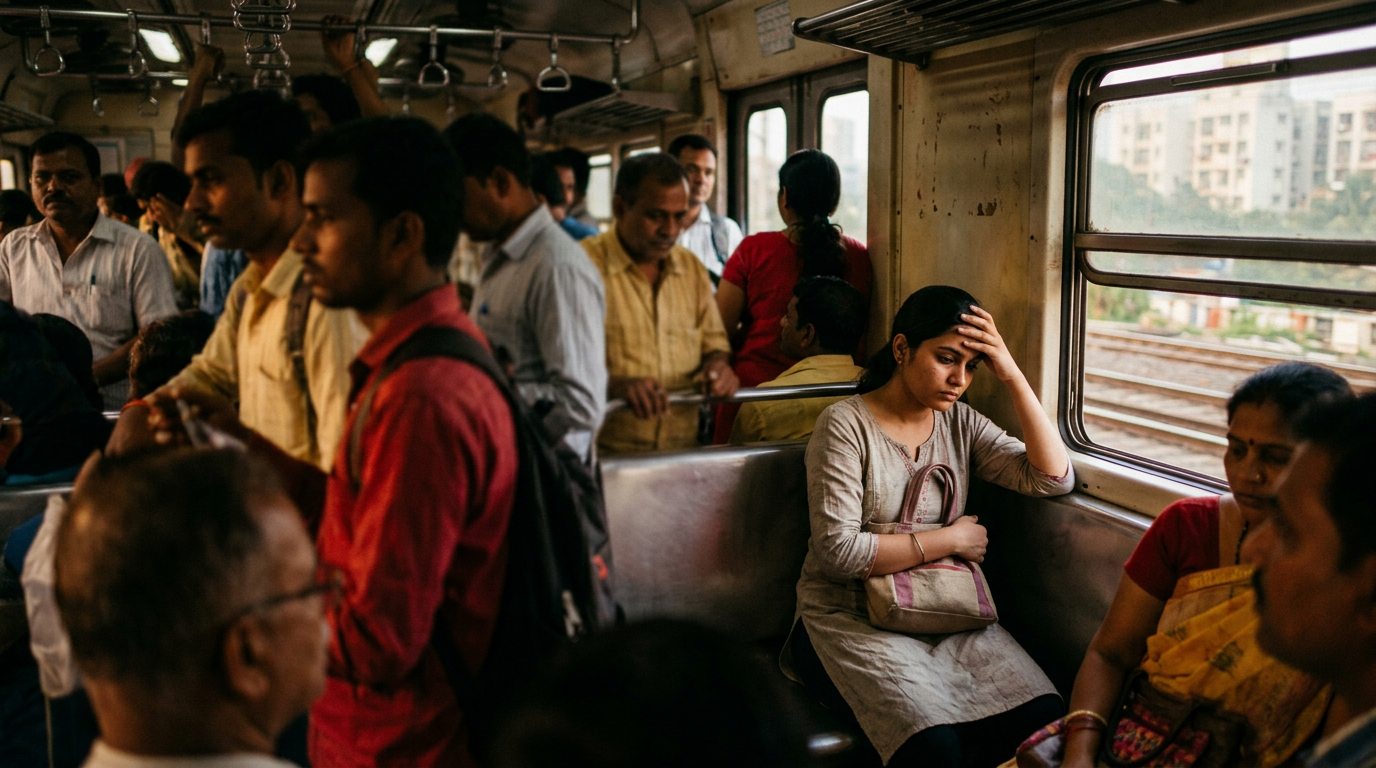
Overcoming Social Anxiety: A Mumbaikar's Practical Guide
Feeling anxious in crowded Mumbai locals or at Bandra parties? Our guide offers practical, local strategies for overcoming social anxiety in the city that never stops.
Overcoming Social Anxiety in Mumbai: A Practical Guide
Struggle with social anxiety in a city of millions? From crowded local trains to bustling cafes in Bandra, this guide offers Mumbai-specific tips to help you reclaim your confidence.