
Signs of Emotional Intelligence for Thriving in Mumbai
In a city that never sleeps, emotional intelligence isn't a luxury; it's a survival skill. From packed local trains to high-pressure jobs, these are the signs of EQ in Mumbai.
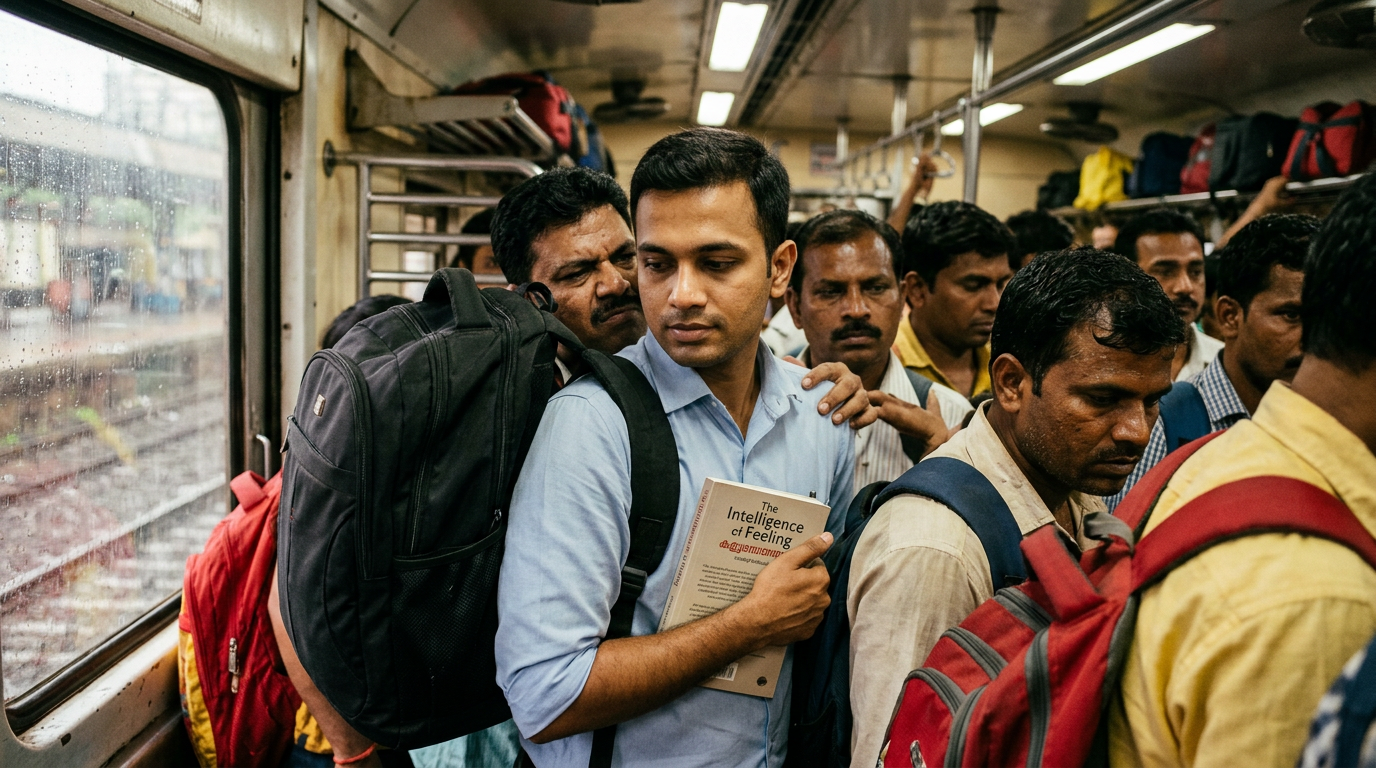
The 8:52 AM fast local to CSMT pulls into Thane station, and it’s already a sea of humanity. You have a crucial meeting in BKC at 10:30, and just as you find a sliver of space to stand, someone’s heavy backpack swings into your side. Do you snap? Do you let it ruin your morning? Your reaction in this tiny, everyday Mumbai moment is a powerful indicator of your emotional quotient. In a city that constantly tests our patience and resolve, the most important signs of emotional intelligence aren't found in textbooks; they're witnessed on crowded platforms, in chaotic traffic, and in high-stakes office meetings. It’s the invisible toolkit that separates just surviving in Mumbai from truly thriving here.
Self-Awareness: Your Internal GPS from Colaba to Vasai
Self-awareness is the foundation of emotional intelligence. It’s the ability to recognise and understand your own moods, emotions, and drives, as well as their effect on others. Think of it as your personal, internal navigation system, guiding you through the emotional landscape of your day. Are you feeling irritable because of your boss's passive-aggressive email, or is it because you only had a cutting chai for breakfast and are stuck in traffic on the JVLR? A person with high self-awareness can distinguish between the two.
In Mumbai, this means knowing your triggers. You know that a packed Virar fast makes you anxious, so you might choose to leave 20 minutes earlier or work from home if possible. You recognise that you get overwhelmed in crowded malls, so you do your weekend shopping at a local kirana store in your Andheri neighbourhood instead of braving the weekend rush at Phoenix Marketcity. It’s about understanding your own limits and patterns. Maybe you realise you’re most creative in the quiet early mornings before the city wakes up, or that a walk along Carter Road after a stressful day helps you clear your head. This isn't about avoiding challenges, but about understanding how you personally react to them. This introspection allows you to anticipate your feelings and manage them proactively, rather than being controlled by them. It's the difference between reacting blindly and responding thoughtfully.
Self-Regulation: Not Losing Your Cool on the Western Express Highway
If self-awareness is knowing you feel angry, self-regulation is what you do with that anger. It’s the ability to control or redirect disruptive impulses and moods. It’s the skill that stops you from laying on the horn for a full minute when someone cuts you off near the Kalanagar flyover. Mumbaikars are masters of the 'adjust maadi' philosophy, but self-regulation is a more conscious, internal version of that. It's the pause between a stimulus and your response.
Consider this scenario: you've just landed at the airport and an auto driver at the stand outside quotes you ₹800 for a trip to Powai that you know should be under ₹300. The knee-jerk reaction is to argue, get angry, and create a scene. The emotionally intelligent response? You take a breath. You calmly state the correct approximate fare or mention using the meter. If the driver refuses, you don’t engage in a shouting match. You confidently say, “No, thank you,” and either move to the next auto or book an Uber, understanding that your peace of mind is worth more than winning that specific argument. This same skill applies when your Zomato delivery is an hour late during a monsoon downpour or when a colleague takes credit for your idea in a meeting. Self-regulation isn’t about suppressing your feelings; it's about expressing them appropriately and choosing your battles wisely. It’s the art of staying graceful under the city’s immense pressure.
Empathy: Understanding the Vashi Local Commuter's Perspective
Empathy is the ability to understand the emotional makeup of other people. In a city of over 20 million, where you’re constantly surrounded by strangers, empathy is the glue that fosters a sense of community. It’s seeing beyond your own bubble, whether that bubble is a sea-facing flat in Bandra or a chawl in Ghatkopar. It’s the ability to put yourself in someone else's shoes, even if they're standing on your feet in the 6:15 PM train to Borivali.
Empathy is remembering that the person who cancelled your meeting last minute might be dealing with a flooded home in Kalyan, not just being flaky. It’s understanding that your domestic help asking for an advance before Diwali has genuine financial pressures you may not fully grasp.
This skill is crucial in the Mumbai workplace. An empathetic manager in a Navi Mumbai IT park understands that their team member commuting from Dombivli has a gruelling two-hour journey each way and might be less productive on days with mega blocks on the Central line. They offer flexibility. An empathetic colleague doesn't judge someone for leaving at 6 PM sharp, knowing they have to pick up their child from a daycare in Thane. Empathy dismantles stereotypes and builds bridges of understanding. It’s about listening to what people are saying—and what they’re not. It’s noticing the tired look on your security guard's face after a 12-hour shift and offering a simple, “Kaisa hai, bhai?” and actually waiting for the answer. In Mumbai, empathy transforms transactions into interactions and neighbours into a community. For more on building connections, check out our guide on [INTERNAL_LINK: making friends as an adult in Mumbai].
Motivation: The Drive That Gets You to Nariman Point by 9 AM
What gets you out of bed to face the Mumbai grind day after day? While a good salary and career prospects are drivers, true emotional intelligence is linked to a deeper, more resilient kind of motivation. This is the drive to achieve for the sake of achievement itself, a passion for the work that goes beyond external rewards. It’s the quality that allows an entrepreneur in a WeWork in Lower Parel to keep going after a funding round falls through, or an artist in Versova to continue creating despite rejections.
This intrinsic motivation is a hallmark of high-EQ individuals. They are optimistic, even in the face of failure. A project at their BKC firm gets shelved? Disappointing, yes, but they see it as an opportunity to learn and apply those lessons to the next one. They missed out on that sea-view rental in Juhu? They re-strategize their house hunt with renewed focus. This resilience is a superpower in Mumbai.
How to Cultivate Intrinsic Motivation in Mumbai:
- Set Clear, Personal Goals: Don't just aim for a 'promotion'. Aim to 'master a new software' or 'lead a project that helps reduce operational costs by 10%'. Make it specific and meaningful to you.
- Celebrate Small Wins: Did you successfully navigate a complex negotiation with a vendor at Crawford Market? Did you finally figure out the bus route from Andheri station to your new office? Acknowledge it. Treat yourself to a vada pav or a coffee at Candies.
- Find Your 'Why': Connect your daily tasks to a larger purpose. Maybe your gruelling finance job allows you to support your family back home. Perhaps your work in an NGO is creating tangible change in a local community. Your 'why' is your anchor during tough times.
- Seek Out Challenges: Don't just stick to the easy route. Volunteer for a challenging assignment. Take a course to upskill. The process of overcoming challenges is a powerful motivator.
This deep-seated drive is what fuels the city's relentless energy. It's the optimism that a better tomorrow is just one local train ride away.
Social Skills: Building Bridges from Bandra to Belapur
Social skill is where all the other elements of emotional intelligence culminate. It's friendliness with a purpose: moving people in the direction you desire, whether that’s agreeing on a new strategy or deciding on a place for dinner. In a city as diverse and interconnected as Mumbai, proficiency in social skills is non-negotiable. It's about building a rapport with the chaiwala outside your office, networking effectively at an industry event at the Jio World Centre, and communicating clearly with your housing society committee in Kharghar.
People with strong social skills are adept at managing relationships and building networks. They find common ground and build rapport with ease. They aren't just 'good with people'; they understand that genuine connection is a currency. In the Mumbai context, this manifests in several ways:
- Persuasion and Influence: Effectively convincing your team to adopt a new workflow, or successfully bargaining for a better price on a rental flat in Chembur without being aggressive.
- Collaboration and Teamwork: Seamlessly working with colleagues who come from different backgrounds and commute from all corners of the MMR, from Virar to Panvel.
- Conflict Management: De-escalating a tense society meeting about a new rule, or mediating a disagreement between two junior colleagues.
- Building Bonds: Remembering small details about people—their kids' names, their favourite cricket team—which turns a transactional relationship into a real one. This is how you build a reliable network of contacts, from a good plumber to a valuable business lead.
Think about the most successful and well-liked people you know in your professional and personal circles. Chances are, they are masters of social skills. They listen more than they talk, they know how to give a compliment that lands, and they make others feel valued. It's a skill you can hone at every social gathering, from a wedding in a banquet hall in Vashi to post-work drinks in Bandra. Looking to improve your social game? You might find our article on [INTERNAL_LINK: best first date spots in Mumbai] helpful.
Putting It All Together: Handling a Mumbai Monsoon Crisis
Let's see how all these signs of emotional intelligence come together in a classic Mumbai scenario: a sudden, heavy downpour floods the tracks, and all local train services are cancelled. You are stranded at your office in Andheri East, and you live in Belapur.
The low-EQ response is panic and blame. You furiously refresh the m-Indicator app, complain loudly to anyone who will listen, and get angry at the city, the BMC, and the universe. You might impulsively jump into a cab that's charging ₹3000, only to be stuck in the same spot for hours, your frustration mounting.
The high-EQ response looks very different:
- Self-Awareness: You acknowledge your anxiety and frustration. 'Okay, I'm feeling stressed about how I'll get home.'
- Self-Regulation: You take a deep breath instead of panicking. You accept the situation is out of your control. You don't waste energy complaining.
- Empathy: You notice your colleague, who is new to the city, is on the verge of tears. You reassure them, sharing your own stories of past monsoon adventures and reminding them that this is temporary.
- Motivation: Your goal is to get home safely, not necessarily quickly. You remain optimistic that you will find a solution.
- Social Skills: You start a conversation with other stranded colleagues. 'Anyone heading towards Navi Mumbai? Maybe we can share a cab to a certain point or find a bus?' You pool information and resources. Someone knows a back road that might be open; another knows a colleague who lives nearby and can offer shelter for a few hours. You build a temporary team to solve a common problem.
This is emotional intelligence in action. It's about being resourceful, resilient, and human in the face of adversity. It’s what helps us navigate not just the literal storms of the Mumbai monsoon, but the metaphorical ones we face in our careers and relationships every day.
Your EQ is Your Greatest Asset in This City
Living in Mumbai is a constant masterclass in human interaction. The city throws everything at you, often all at once. While a sharp intellect and a strong work ethic can get you a job at a top firm in Lower Parel, it's your emotional intelligence that will determine your long-term success and happiness here. It's the skill that helps you build a lasting career, forge meaningful relationships, and maintain your sanity amidst the beautiful chaos.
Recognising these signs in yourself and others is the first step. Like any skill, EQ can be developed with conscious effort. The next time you're in a crowded local or a tense meeting, take a moment. Observe. Are you reacting on autopilot, or are you responding with awareness and intention? That choice, repeated daily, is what builds the emotional fortitude required to not just live in Mumbai, but to fall in love with it, over and over again.
What are some other signs of emotional intelligence you've witnessed in Mumbai? Share your stories and experiences in the comments below!
Keep reading
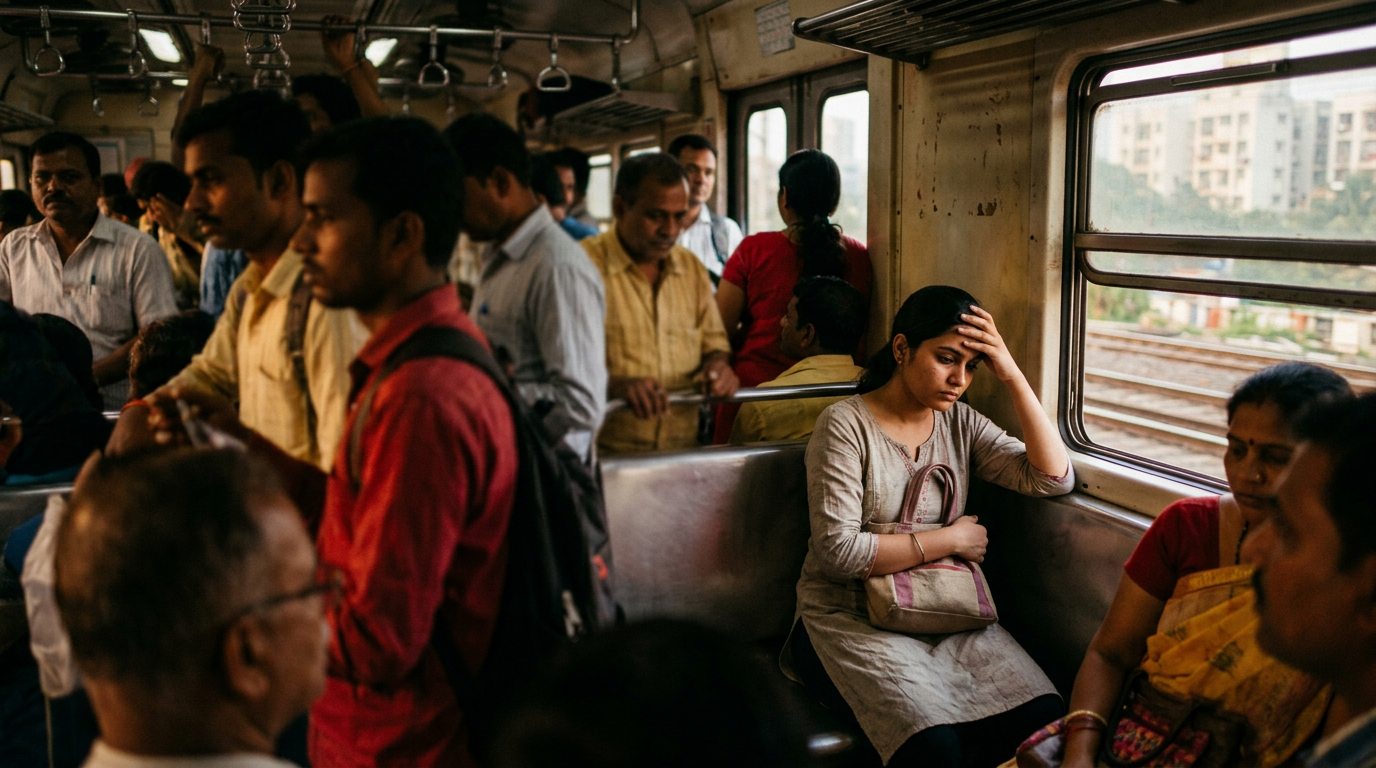
Overcoming Social Anxiety: A Mumbaikar's Practical Guide
Feeling anxious in crowded Mumbai locals or at Bandra parties? Our guide offers practical, local strategies for overcoming social anxiety in the city that never stops.
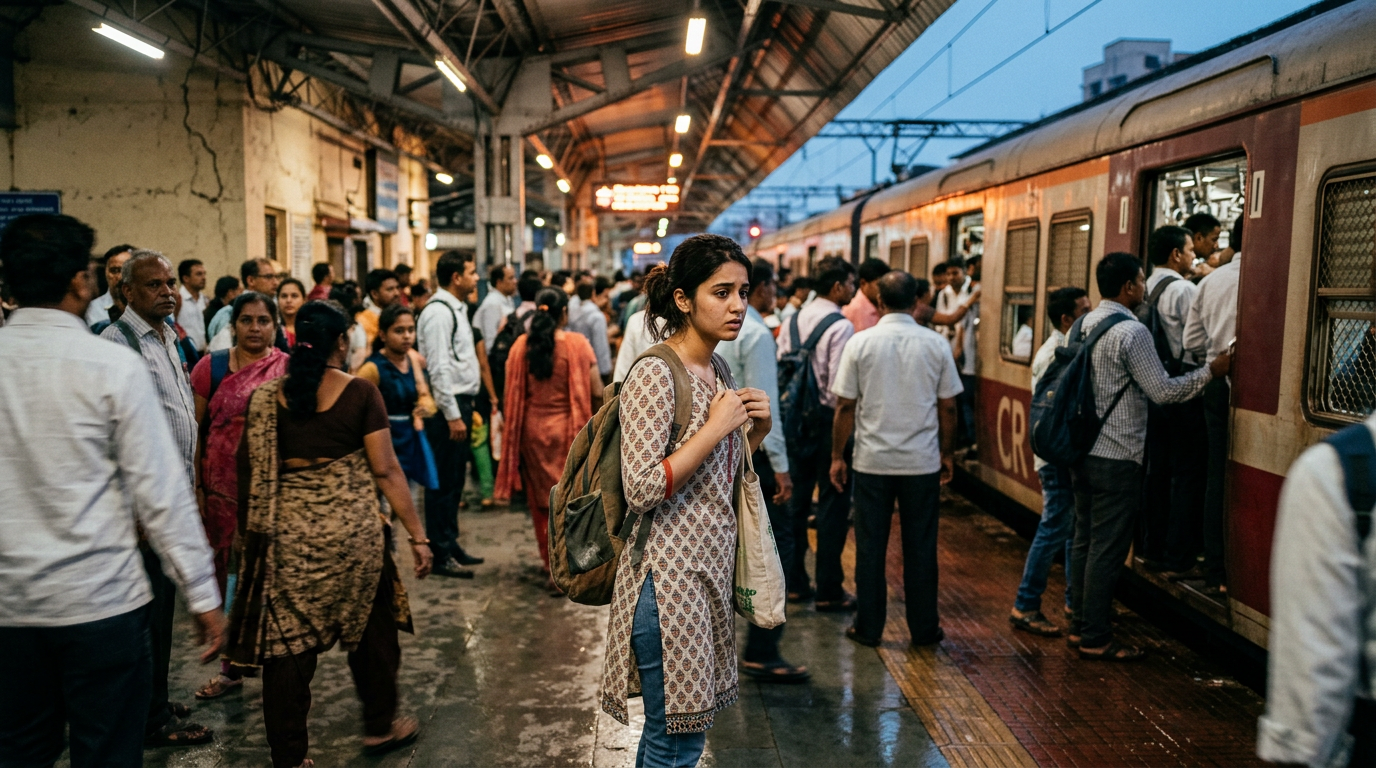
Overcoming Social Anxiety: A Practical Guide for Mumbaikars
In a city of millions, feeling alone is a common paradox. This guide offers practical, Mumbai-specific strategies for overcoming social anxiety and finding your place.
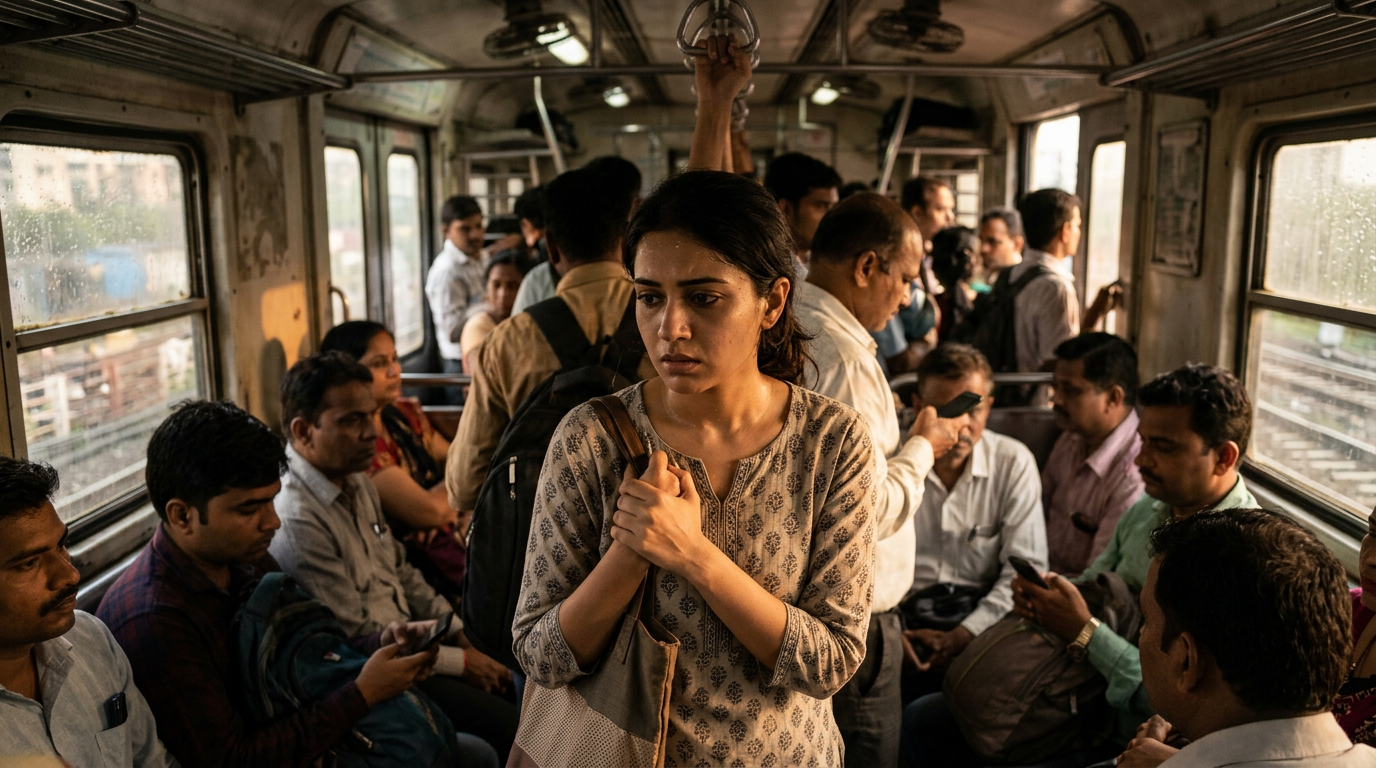
Overcoming Social Anxiety in Mumbai: A Practical Guide
Struggle with social anxiety in a city of millions? From crowded local trains to bustling cafes in Bandra, this guide offers Mumbai-specific tips to help you reclaim your confidence.