
Beat Burnout in Mumbai: 7 Signs & Your Recovery Guide
Is the Mumbai hustle leaving you drained? From chronic fatigue to cynicism, learn to spot the signs of burnout and discover city-specific recovery tips to reclaim your well-being.
Is the Mumbai Hustle Burning You Out?
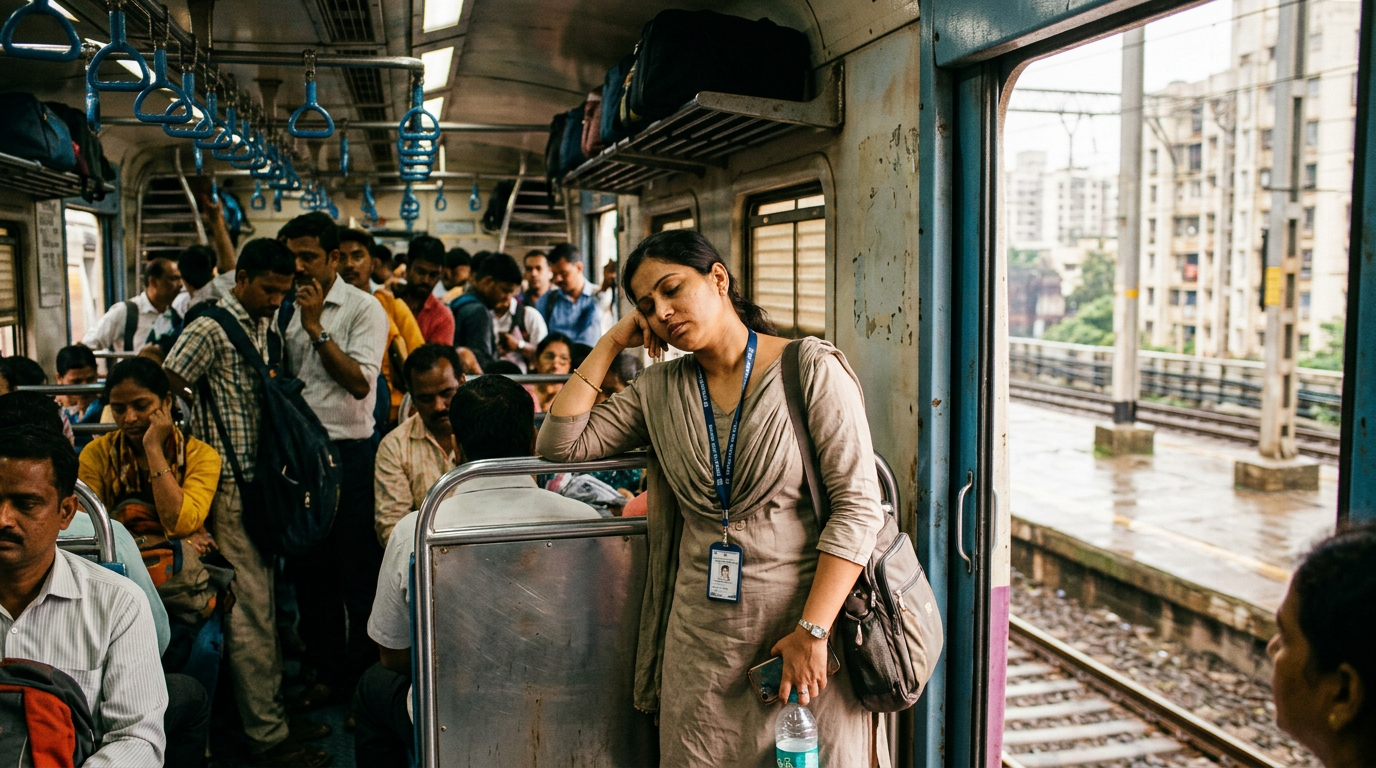
It’s 7:30 AM on a Tuesday, and you’re packed into a Virar fast, somewhere between Borivali and Andheri. The air is thick, the pressure is immense, and you’re already mentally running through the day’s impossible to-do list for your job in BKC. You love the energy of this city, its relentless drive, but lately, it feels less like a motivating pulse and more like a crushing weight. This persistent exhaustion, the growing disconnect from your work, and the feeling that you’re just going through the motions are classic signs of burnout. It’s a state of emotional, physical, and mental exhaustion caused by prolonged or excessive stress, and for many in the Mumbai Metropolitan Region (MMR), it’s becoming the new normal. But it doesn’t have to be your reality. This guide is for you—the ambitious professional in Powai, the creative freelancer in Bandra, the diligent executive in Belapur—to help you recognise the red flags and find your way back to balance right here in our city.
More Than a Bad Week: Understanding Burnout in a Mumbai Context
Let's be clear: burnout isn't just feeling tired after a demanding week or being stressed about a looming deadline. The World Health Organization classifies it as an “occupational phenomenon.” Think of it this way: stress is the frantic rush to board a running train at Dadar station—you’re hyper-engaged, your adrenaline is pumping. Burnout is what happens after months of that same frantic rush; you no longer have the energy to even try to catch the train. You’re disengaged, depleted, and starting to wonder why you’re even making the journey. In Mumbai, the triggers are everywhere. The average commute can easily be two hours each way. The cost of living demands high performance at work. The social pressure to be constantly achieving, whether you’re in a FinTech startup in Thane or a legacy corporation in Fort, is relentless. This unique combination of professional ambition and logistical challenges creates a perfect storm for burnout to take root. It’s the slow fade from “I can do this” to “I can’t do this anymore.” Recognising that this is a systemic issue, not a personal failing, is the first step toward addressing it.
The Red Flags: Key Physical and Emotional Signs of Burnout
Burnout manifests in ways that are easy to dismiss as just “life in a big city.” But these symptoms are your body’s and mind’s way of sending an SOS. Paying attention to them is critical.
The Physical Toll of the Grind
Your body often keeps the score before your mind does. In a city that’s always loud and in motion, it’s easy to ignore these physical whispers until they become screams. Common physical signs include:
- Chronic Fatigue: This isn't just feeling tired. It's a bone-deep exhaustion that a full night's sleep doesn't fix. You wake up feeling as drained as you did when you went to bed.
- Sleep Disturbances: Ironically, despite being exhausted, you might struggle with insomnia or find yourself waking up multiple times during the night, your mind racing about that project deck or the next day's commute.
- Frequent Illnesses: Burnout compromises your immune system. If you’re catching every cold that goes around your Andheri office, it might be a sign your body’s defenses are down.
- Physical Pains: Unexplained muscle pain, backaches, and persistent headaches that you can’t just blame on the relentless honking on the Western Express Highway are common indicators.
The Emotional Drain
The emotional symptoms of burnout are often what impact your work and relationships most profoundly. You might notice:
- Increased Irritability: Finding yourself snapping at colleagues, feeling impatient in queues at the grocery store, or having a shorter fuse with family over minor things.
- A Sense of Dread: That sinking feeling on Sunday evening is no longer just the “Sunday scaries.” It’s a genuine dread about returning to a place that feels depleting.
- Feeling Overwhelmed: Tasks that you used to handle with ease now feel insurmountable. The thought of clearing your inbox feels like climbing Kalsubai without any gear.
The Cynicism Creep: When Your Professional Spark Fades
Perhaps the most insidious sign of burnout is a growing sense of cynicism and detachment from your job. The work you once found meaningful now feels like a series of pointless tasks. The passion that drove you to take that job in the first place has been replaced by indifference. You start to distance yourself emotionally, feeling like a cog in a giant machine, whether that machine is a bustling media house in Lower Parel or a tech park in Airoli. You might find yourself being cynical in team meetings, mentally checking out during brainstorming sessions, and feeling disconnected from your colleagues and the company’s mission.
“I used to love my team,” says a 32-year-old marketing manager from Chembur. “We’d go for chai breaks, celebrate wins. Now, I just put on my headphones and count the hours. I feel completely isolated, even when I’m surrounded by people. The joy is just... gone.”
This detachment is a psychological coping mechanism. When the demands of a job feel overwhelming and unrewarding, your brain starts to create distance to protect itself. You might start calling in sick more often, show up late, or avoid work-related social events like the annual office party at a rooftop bar in Bandra. It’s not that you’ve become a bad employee; it’s that your capacity for engagement has been completely exhausted.
The Performance Plunge: When 'Jugaad' Isn't Enough
Mumbaikars are masters of jugaad—the art of finding clever, resourceful solutions to get things done, often against the odds. It’s a survival skill in this city. But burnout erodes this very capability. It leads to a noticeable decline in performance and a feeling of profound ineffectiveness. You start to doubt your own abilities. Simple tasks take longer to complete, your attention span shortens, and you find it difficult to concentrate. Mistakes creep into your work, deadlines are missed, and you procrastinate on projects you would have once tackled head-on. This isn’t laziness; it’s a symptom of cognitive exhaustion. The mental energy required for problem-solving, creativity, and strategic thinking is simply not there anymore. This feeling of reduced professional efficacy can create a vicious cycle: your performance drops, which makes you feel more stressed and incompetent, which in turn deepens your burnout. [INTERNAL_LINK: productivity tips for remote work in Mumbai] It's a frustrating state where you know you're capable of more, but you just can't seem to access that part of yourself.
Recovery Step 1: Disconnect and Decompress, Mumbai Style
The first step toward healing from burnout is creating space. In a city that’s “on” 24/7, you have to consciously and deliberately disconnect. This isn’t about a grand, expensive gesture; it's about embedding small acts of decompression into your daily life.
Embrace a True Digital Detox
This means more than just putting your phone on silent. After your defined work hours, turn off work-related notifications. Mute the office WhatsApp group. Resist the urge to check your email while you’re on the new Navi Mumbai Metro or waiting for your dinner order. Create a clear boundary between “work time” and “your time.” Let your colleagues know you will be unavailable after 7 PM, for instance, and then honour that commitment to yourself. This small act reclaims hours of your mental energy that is otherwise spent in a state of semi-work.
Reclaim Your Commute
Your commute doesn't have to be an extension of your workday. Instead of answering emails on your phone, use this time for yourself. Get lost in a novel from a local bookstore like Bandra's Title Waves or Fort's iconic Kitab Khana. Listen to a podcast that has nothing to do with your industry. Practice mindfulness by simply observing the city go by without judgment. This transforms dead time into restorative time.
Find Your Pocket of Peace
You don't need to escape to the Himalayas to find tranquility. Mumbai and Navi Mumbai have their own oases. Take a 20-minute walk along the Worli Sea Face or Carter Road promenade. Spend your lunch break at Horniman Circle Gardens. In Navi Mumbai, a quiet evening stroll around the Jewel of Navi Mumbai in Nerul or the sprawling Central Park in Kharghar can do wonders. The goal is to physically remove yourself from your work environment and connect with something else—the sea breeze, the greenery, the open sky.
Recovery Step 2: Rebuilding Your Boundaries
Burnout often thrives in an environment where boundaries are weak or non-existent. In Mumbai's competitive work culture, saying “no” can feel like a career-limiting move. However, learning to set and enforce healthy boundaries is not about being difficult; it’s about being sustainable. A burnt-out employee is of no use to anyone. Here’s how to start rebuilding those essential walls:
- Define Your “Non-Negotiables”: What are the things you need to protect your well-being? It could be an hour for the gym, dinner with your family, or simply leaving the office on time. Identify them and schedule them into your calendar as you would any important meeting.
- Practice Saying 'No' Gracefully: You don't have to be blunt. When asked to take on another task, you can say, “My plate is full with Project A and B right now to ensure they are done well. Could we delegate this, or should we reassess priorities?” This frames the 'no' in terms of quality and strategy, not refusal.
- Communicate Proactively: Don't wait until you're drowning to ask for help. If you see your workload becoming unmanageable, have a conversation with your manager. A good manager would rather help you re-prioritize than see you burn out.
- Block Your Calendar: Physically block out time for lunch and a hard stop at the end of the day in your shared calendar. This visually communicates your boundaries to colleagues who might otherwise schedule meetings over your personal time.
Protecting your time and energy is the most critical long-term strategy for preventing a relapse into burnout. It’s about teaching others—and yourself—that your well-being is a priority.
Recovery Step 3: Re-Engage with Your City (and Yourself)
Burnout makes your world small, often shrinking it to just your home and your office. Recovery is about intentionally expanding it again. It’s time to remember that you live in one of the most vibrant cities in the world and re-engage with activities that bring you joy and have nothing to do with your job title.
- Explore Nature's Doorstep: Join one of the many Mumbai-based trekking groups for a weekend trip to Sanjay Gandhi National Park, or a more adventurous trek to Kalsubai or Harishchandragad. A weekend trek can cost between ₹1,500 and ₹3,000 and is an incredible mental reset.
- Rediscover Your Hobbies (or Find New Ones): Take a pottery class in a studio in Bandra, learn a new dance form at a workshop in Juhu, or join a weekend photography walk through the lanes of Khotachiwadi.
- Savour the City's Flavours: Make it a mission to explore a new cuisine. Go on a food walk in Matunga for incredible South Indian food, explore the culinary delights of Mohammed Ali Road, or find a new favourite seafood spot in Versova.
- Engage with Arts and Culture: Catch a play at the iconic Prithvi Theatre, explore the art galleries in the Kala Ghoda district, or attend a live music performance at a venue in the city. These experiences feed a different part of your soul.
- Give Back: Volunteering for a cause you care about can be incredibly grounding. Many Mumbai-based NGOs need help, offering a powerful way to gain perspective and connect with your community on a deeper level.
The goal is to fill your life with experiences that are rewarding in and of themselves, reminding you that your identity is much larger than your profession.
When to Seek Professional Help in the MMR
Sometimes, self-care strategies aren't enough to pull you out of the depths of burnout, and that is perfectly okay. Seeking professional help is a sign of strength, not weakness. A therapist can provide you with tailored coping strategies, help you identify the root causes of your burnout, and guide you in setting effective boundaries. Many companies in Mumbai and Navi Mumbai now have Employee Assistance Programs (EAPs) which offer confidential counselling services for free. Check with your HR department if this is available to you. If not, the mental health landscape in the MMR is growing. You can find qualified therapists and counsellors in almost every major neighbourhood, from Dadar and Powai to Vashi and Thane, with many offering online sessions for convenience. A typical therapy session in Mumbai can range from ₹1,200 to ₹3,500. Think of it as a critical investment in your long-term health and career sustainability. [INTERNAL_LINK: finding a therapist in Mumbai] A professional can provide a safe space to unload your burdens and build a clear, actionable plan for recovery.
Conclusion: Reclaiming Your Balance in the City of Dreams
Living and working in Mumbai is a marathon, not a sprint. The same energy that can propel you to great heights can also lead to burnout if left unchecked. Recognizing the signs—the exhaustion, the cynicism, the feeling of ineffectiveness—is the first, most crucial step. Recovery isn't about escaping the city; it's about learning to live in it more sustainably. It’s about taking that walk on Marine Drive, saying no to that extra weekend work, rediscovering your love for theatre at NCPA, and, when needed, reaching out for professional help. Burnout is not a final destination. It is a signpost, urging you to reassess your path and reclaim your well-being. By implementing these city-specific strategies, you can not only recover but also build a more resilient and fulfilling life in the heart of the hustle.
What's one small change you'll make this week to combat burnout? Share your Mumbai-specific tips and experiences in the comments below!
Keep reading
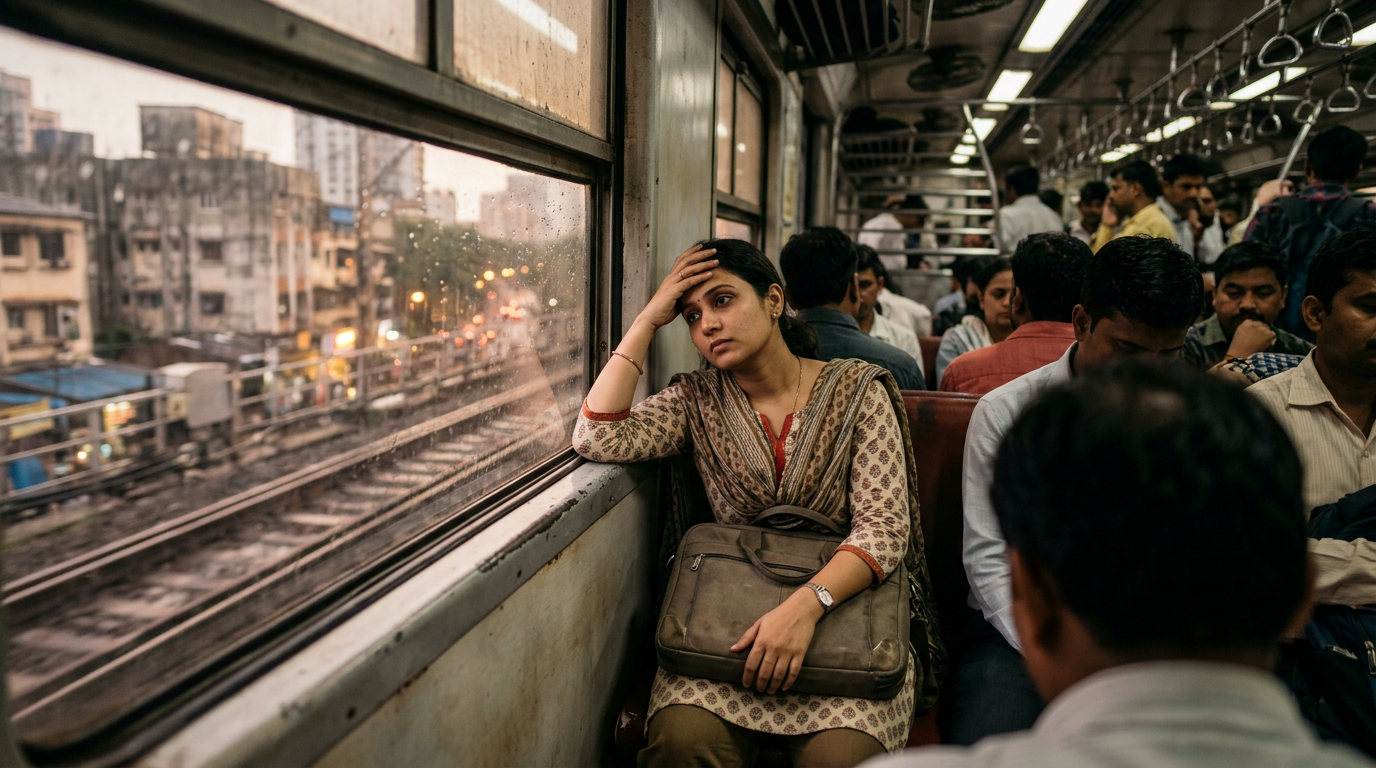
Spotting the Signs of Burnout in Mumbai: A Guide to Recovery
Constantly tired from the local train commute and endless work calls? You might be experiencing burnout. Here's how to identify the signs and get back on track in Mumbai.
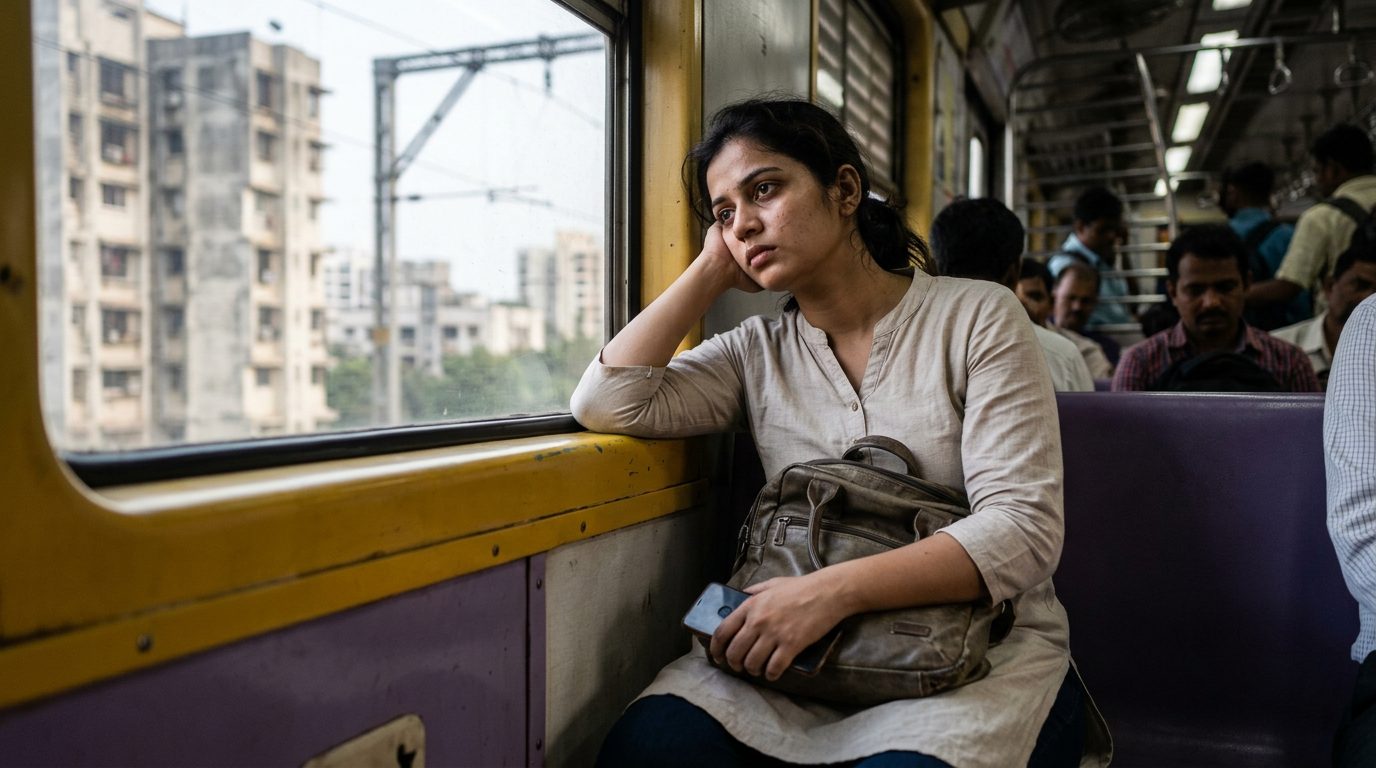
Spotting the Signs of Burnout in Mumbai: Your Recovery Guide
Is the Mumbai grind wearing you down? From the Virar fast to BKC deadlines, we explore the crucial signs of burnout and offer a practical guide to recovery in our city.
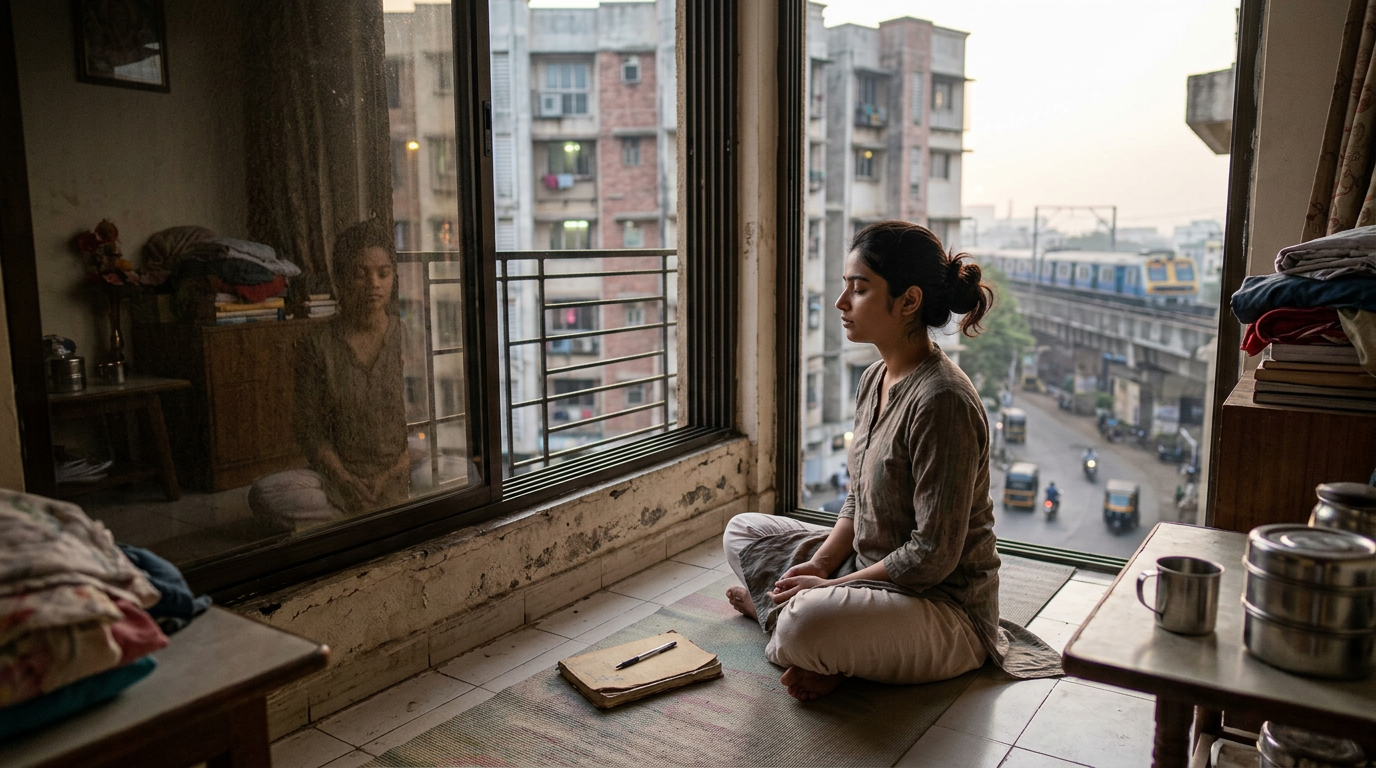
Mumbai Morning Routines for Energy: Beat the Local Train Rush
Feel drained before you even reach CSMT? This guide details Mumbai-specific morning routines for energy, helping you start your day with focus and vitality, ready for anything the city throws at you.