
Your Mumbai Anti-Inflammatory Diet Guide: Eat Well, Feel Great
Tackle chronic inflammation with our Mumbai-specific anti-inflammatory diet guide. Discover local superfoods from Bandra markets to Vashi's APMC that can help you feel your best.
What is Inflammation and Why Should Mumbaikars Care?
Chronic inflammation. It’s a term that gets thrown around a lot in wellness circles, but what does it actually mean for someone living in the Mumbai Metropolitan Region? We’re not just talking about the acute inflammation you get from a twisted ankle after navigating a potholed street in Andheri. That’s your body’s healthy, short-term response to injury. We’re talking about a low-grade, persistent inflammation that can simmer for years, fueled by the unique pressures of our city. Think about the daily stressors: the packed Virar fast, the constant vehicular emissions on the Western Express Highway, the second-hand smoke outside a Charni Road station, or even the psychological stress of meeting deadlines in a bustling BKC office. These factors, combined with dietary choices, can keep your body in a constant state of alert. This chronic inflammation is linked to a host of health issues, including heart disease, diabetes, arthritis, and even mental fog. It’s the reason you might feel perpetually tired, achy, and just not at your best, despite grabbing your usual cutting chai. Understanding and managing it is not a luxury; it’s a necessity for thriving in this energetic but demanding city. An anti-inflammatory diet isn't about restriction; it's about empowerment, using food to build resilience against the very challenges our beloved Mumbai throws at us. It's a proactive step towards long-term health in the city of dreams.
The Foundation: Building Your Anti-Inflammatory Plate in Mumbai
So, how do you start fighting this inflammation? The answer lies on your plate. Forget about complicated, exotic diets that are impossible to sustain. The core principle of an anti-inflammatory diet is simple: eat whole, unprocessed foods. Think of the vibrant, colourful produce you see at the Dadar West sabzi market or the fresh catches at the Versova Koliwada fish market. Your goal is to build a plate that reflects this natural abundance. A great visual guide is the “plate method.” Imagine your plate divided into four quarters:
- Two Quarters (Half the plate): Non-starchy vegetables and fruits. This is your powerhouse of antioxidants and phytonutrients. Think leafy greens, bell peppers, tomatoes, berries, and more.
- One Quarter: Lean Protein. This could be fish, lentils (dal), chickpeas (chana), or organic chicken. Protein is crucial for repair and satiety.
- One Quarter: Complex Carbohydrates & Healthy Fats. This includes whole grains like brown rice, millets (jowar, bajra), sweet potatoes, along with sources of healthy fats like avocado, nuts, or a drizzle of cold-pressed oil.
This isn't a strict formula but a flexible framework. The beauty is that it’s entirely adaptable to a traditional Indian meal. A well-balanced thali with a couple of vegetable preparations (sabzis), a generous portion of dal, a salad (koshimbir), and a millet bhakri instead of a naan fits this model perfectly. The focus is on nutrient density over calorie counting. You’re aiming to flood your system with vitamins, minerals, and compounds that calm inflammation, readily available from your local grocer in Thane or the organic stores in Bandra. [INTERNAL_LINK: a-guide-to-mumbai-farmers-markets]
Power Up with Produce: Your Local Sabzi Mandi Guide
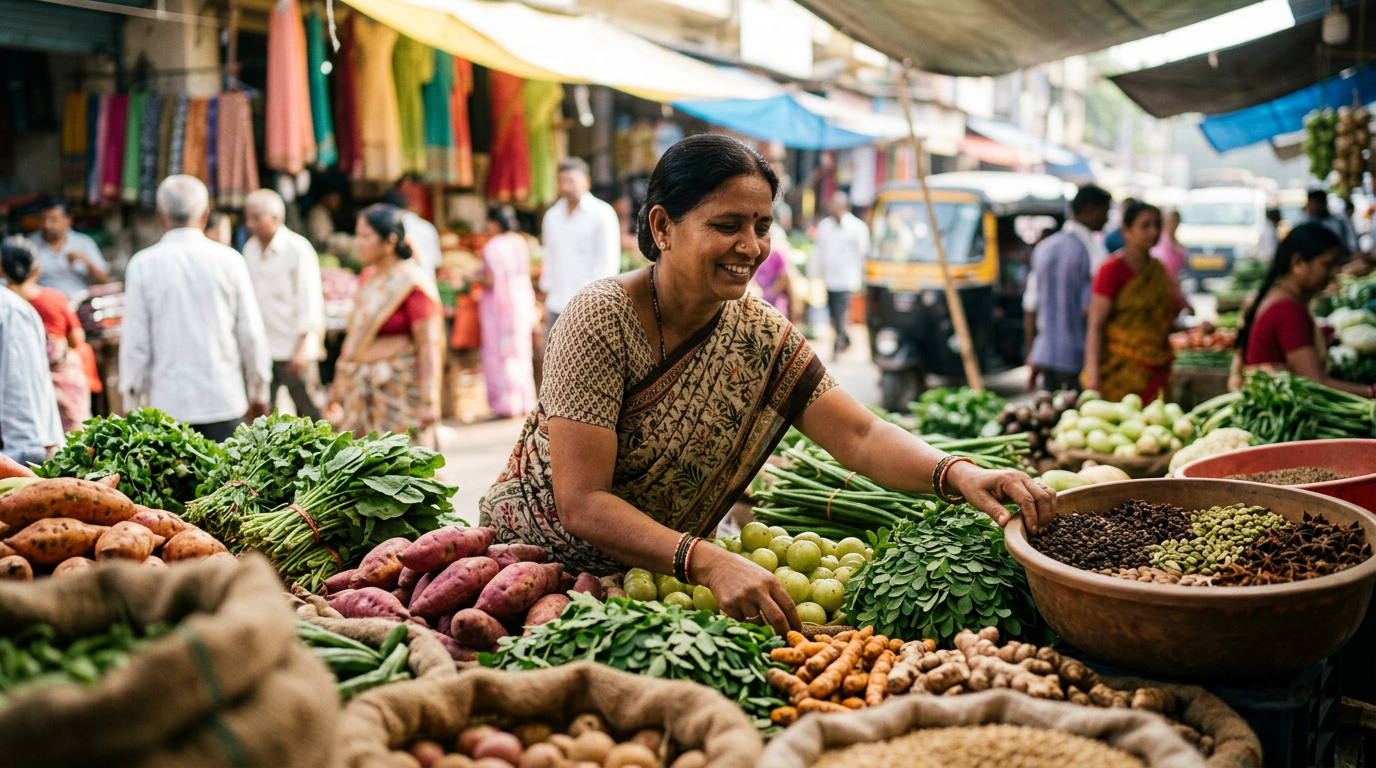
The heart of any anti-inflammatory diet is fresh produce, and thankfully, Mumbai is blessed with an incredible supply chain, from the massive APMC market in Vashi to the friendly neighbourhood bhajiwala. This is your arsenal. Focus on colour and variety to maximize your intake of different antioxidants.
Leafy Greens and Cruciferous Champions
Load up on dark leafy greens. We're talking about spinach (palak), fenugreek (methi), amaranth (math), and seasonal finds like mustard greens (sarson). These are packed with Vitamin K and other anti-inflammatory compounds. Don't forget cruciferous vegetables like cauliflower (phool gobi), cabbage (patta gobi), and broccoli. They contain sulforaphane, a powerful antioxidant. You can find these everywhere, from the carts in Chembur to the shelves of Nature's Basket in Powai. A simple palak paneer (with minimal cream) or a cabbage foogath is a delicious way to get your daily dose.
The Rainbow of Fruits and Veggies
“Eat the rainbow” is excellent advice. Each colour in a fruit or vegetable generally corresponds to different phytonutrients. Red tomatoes are rich in lycopene, orange carrots in beta-carotene, and purple brinjals in anthocyanins. Make a habit of picking up bell peppers (capsicum), beets, and pumpkins. When it comes to fruits, go beyond the banana. Embrace seasonal Indian superfoods like jamun, amla (Indian gooseberry), and pomegranates. When strawberries from Mahabaleshwar are in season, enjoy them! These berries are low in sugar and high in antioxidants. A simple koshimbir or a mixed vegetable sabzi is an easy way to incorporate this variety daily.
Healthy Fats are Your Friends
For decades, fat was unfairly demonized. We now know that the right kinds of fats are not only essential for health but are also potent anti-inflammatory agents. It's about swapping the bad fats for the good ones. In a city where everything is fried, making conscious choices about fats is a game-changer.
Oils, Nuts, and Seeds
Start in your kitchen. Replace refined vegetable oils with healthier options. Cold-pressed groundnut oil, mustard oil, and sesame oil are excellent for Indian cooking. For salads and light sautéing, extra virgin olive oil is a great choice. Cold-pressed coconut oil, a staple in many South Indian households in Matunga, is also a fantastic option rich in medium-chain triglycerides. Next, embrace nuts and seeds. A handful of almonds and walnuts makes for a perfect 4 PM snack instead of a biscuit. Sprinkle flax seeds (alsi) or chia seeds on your oatmeal or yogurt. For the best prices and quality on nuts and seeds, a trip to the wholesale shops in Masjid Bunder is well worth it.
Omega-3 Powerhouses
Omega-3 fatty acids are superstars of the anti-inflammatory world. For non-vegetarians, the best sources are fatty fish. We are lucky to be a coastal city! Look for local varieties like Indian Mackerel (bangda), Sardines (tarli), and Pomfret (paplet). A simple pan-fried bangda with minimal masala or a traditional Goan fish curry made with coconut milk is both delicious and incredibly healthy. Aim for two servings of fatty fish per week. You can get incredibly fresh fish from Sassoon Docks if you're an early riser, or from trusted local vendors in any of the city's fish markets. For vegetarians, walnuts, flax seeds, and chia seeds are the primary sources of plant-based omega-3s.
Spices from Your Masala Dabba: Nature's Potent Healers
Here’s where Indian cuisine has a massive head start. Your humble kitchen masala dabba is a treasure chest of some of the most powerful anti-inflammatory compounds on the planet. You’re likely already using them; the key is to be more intentional.
"Let food be thy medicine and medicine be thy food." - Hippocrates. This ancient wisdom is perfectly embodied in the Indian spice box, used for centuries not just for flavour, but for health and well-being.
The undisputed king is Turmeric (haldi). Its active compound, curcumin, is a potent anti-inflammatory. To increase its absorption by up to 2000%, always pair it with black pepper. The piperine in pepper does the trick. Luckily, most Indian recipes do this naturally! Ginger (adrak) and Garlic (lasun), the base of countless curries, are also famed for their immune-boosting and anti-inflammatory properties. Don't skimp on them. Other powerful spices include cinnamon (dalchini), which can help regulate blood sugar, and cloves (laung), which are packed with antioxidants. Sourcing high-quality, unadulterated spices is key. Consider a visit to the famous Lalbaug Spice Market or find a reliable local spice grinder to ensure you're getting the real deal, not just colour and filler. [INTERNAL_LINK: best-places-to-buy-spices-in-mumbai]
What to Reduce: Navigating Mumbai's Food Temptations
Building a healthy diet is as much about what you add as it is about what you limit. In Mumbai, inflammatory foods are delicious, cheap, and available on every corner. The goal isn't total avoidance—that’s unrealistic and would take the fun out of living here! The goal is moderation and making smarter choices.
The Big Three: Sugar, Refined Carbs, and Processed Foods
These are the primary culprits behind chronic inflammation. The vada pav, while iconic, is a combination of a refined carb (pav) and a deep-fried potato patty. The occasional one is fine, but a daily habit can contribute to inflammation. The same goes for sugary sodas, packaged biscuits, and the mountains of maida in samosas and naan. Start by making simple swaps. Could you have one cutting chai with sugar and one without? Can you swap your white bread sandwich for one made with whole wheat? Instead of reaching for a packaged snack, can you have a piece of fruit or a handful of nuts? Limiting these foods reduces the pro-inflammatory signals in your body.
Eating Out Smartly in Bandra, Fort, and Beyond
Mumbai's food scene is world-class, and you don't have to miss out. Whether you're at a trendy cafe in Bandra West or a classic eatery in Fort, you can make anti-inflammatory choices. Look for keywords like "grilled," "baked," or "steamed" instead of "fried" or "creamy." Many restaurants now have healthy sections on their menus. Prioritize meals that feature a lot of vegetables, like a hearty salad, a Thai curry with brown rice, or a Mediterranean platter with hummus and grilled vegetables. When ordering a thali, ask for whole wheat rotis or bhakris. Places like Sequel, The Village Shop, or Farmer's Cafe have built their brands on healthy, whole-food offerings, making it easier than ever to eat out without compromising your goals.
Putting It All Together: A Sample Anti-Inflammatory Day in Mumbai
What does this look like in practice? It's easier and more delicious than you think. Here's a sample day of eating that is packed with flavour and anti-inflammatory goodness, using ingredients easily found across the city.
- Morning (7 AM): Start your day not with a milky, sugary tea, but with a glass of warm water with lemon and a pinch of turmeric. Follow this with a cup of green tea or a simple ginger-tulsi infusion.
- Breakfast (8:30 AM): A classic Kande Pohe, but with a twist. Be generous with the onions, add green peas and chopped carrots, and garnish with a lot of fresh coriander and a squeeze of lime. The peanuts on top add a crunch and healthy fats. Another great option is a simple vegetable omelette or a besan chilla (gram flour pancake) packed with spinach.
- Mid-Morning Snack (11 AM): A seasonal fruit. A juicy guava (peru) with a sprinkle of rock salt, a bowl of papaya, or a handful of jamuns when in season. This helps you avoid a pre-lunch energy slump.
- Lunch (1:30 PM): A balanced and satisfying meal. Think of a simple home-style thali. A bowl of dal tadka, a serving of a green vegetable like beans or bhindi, a generous salad of cucumber, tomato, and onion (kanda), and two jowar or bajra bhakris. A small bowl of plain dahi (yogurt) on the side is great for gut health.
- Evening Snack (4:30 PM): This is the crucial time to avoid the samosa stall. Have a handful of mixed nuts (almonds, walnuts) or a small bowl of roasted makhana (fox nuts). A glass of unsweetened buttermilk (chaas) is also a fantastic, cooling option for Mumbai's climate.
- Dinner (7:30 PM): Keep dinner light. A great option is a large bowl of lentil and vegetable soup (dal-sabzi ka shorba). For non-vegetarians, a piece of grilled pomfret or pan-seared rawas with a side of sautéed broccoli and garlic would be perfect. If you're craving rice, opt for a small portion of brown rice with your meal.
This is just a template. The key is variety, colour, and focusing on whole foods. Listen to your body and enjoy the process of nourishing it well.
Your Journey Starts with a Single Meal
Adopting an anti-inflammatory lifestyle isn't about a sudden, drastic overhaul that leaves you feeling deprived. It’s not about giving up the foods and experiences that make living in Mumbai so vibrant. Instead, it’s about making a series of small, conscious choices every single day. It starts with adding more vegetables to your lunch, swapping one sugary chai for a green tea, or choosing grilled fish over a fried appetizer when you're out with friends in Lower Parel. Each positive choice is a step towards reducing the inflammatory load on your body, building resilience, and unlocking a new level of energy and well-being. This guide is your starting point. Use it to explore the incredible bounty our city's markets have to offer. Get curious in your own kitchen and rediscover the healing power of the spices in your masala dabba. Your path to feeling better begins now, not in a far-off clinic, but in your local sabzi mandi and on your own plate. What is one small change you will commit to this week? Share your goal in the comments below—we’d love to hear from you!
Keep reading
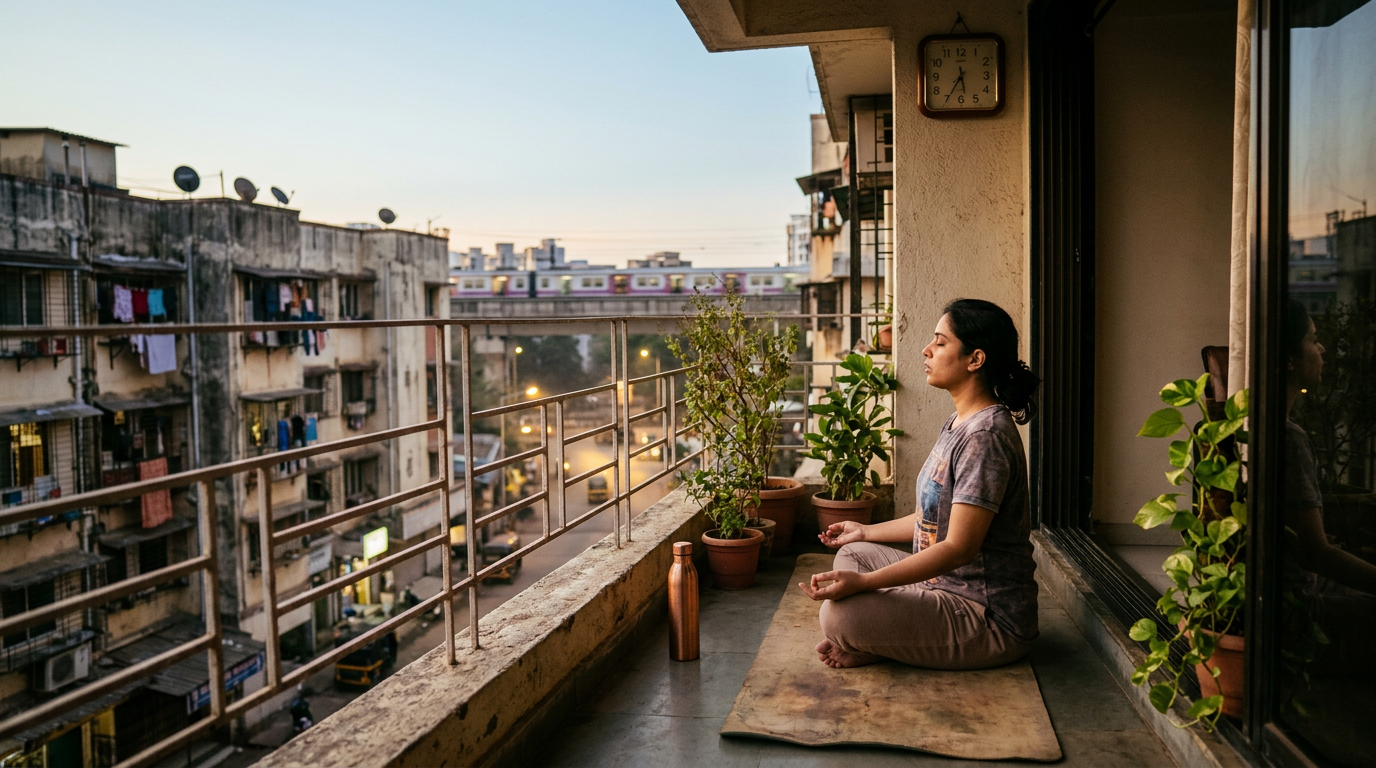
Mumbai Morning Routines for Energy to Beat the 8:17 Virar Fast
Feeling drained before you even board the local train? These Mumbai-specific morning routines for energy will help you reclaim your mornings and power through your day.
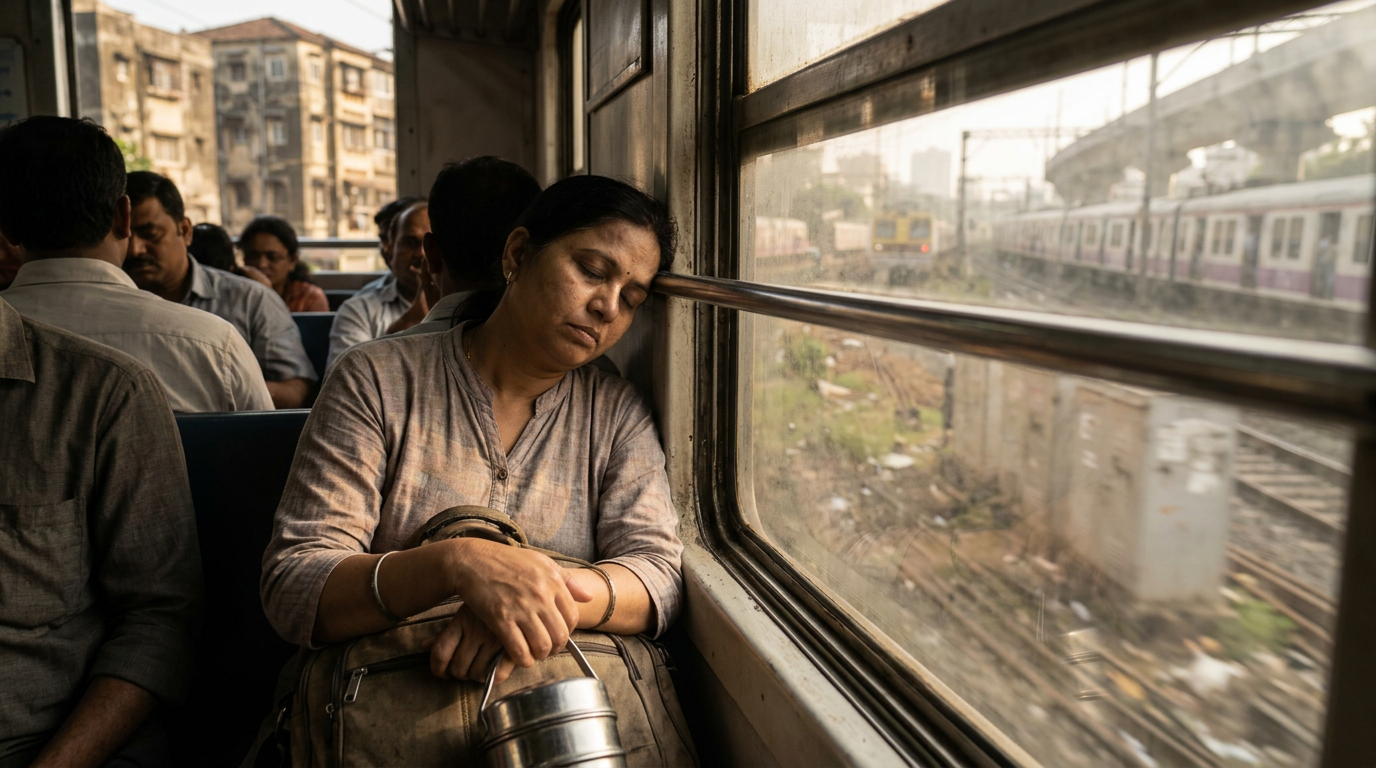
Recognising the Signs of Burnout: A Mumbai Recovery Guide
Are the crowded local trains and endless BKC meetings leaving you exhausted? We explore the common signs of burnout Mumbaikars face and offer local tips for recovery, from Bandra to Navi Mumbai.
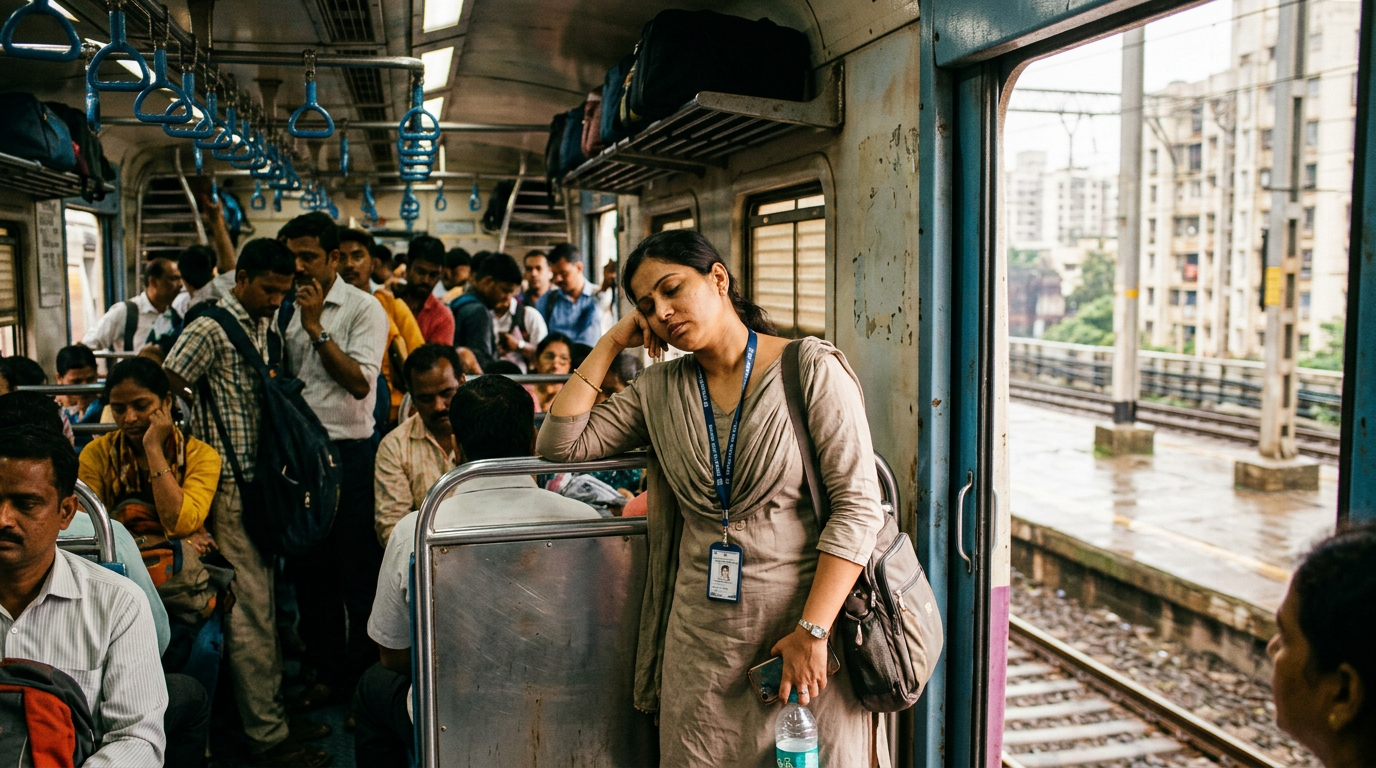
Beat Burnout in Mumbai: 7 Signs & Your Recovery Guide
Is the Mumbai hustle leaving you drained? From chronic fatigue to cynicism, learn to spot the signs of burnout and discover city-specific recovery tips to reclaim your well-being.