
How to Save Money on Groceries: A Realistic Mumbai and Navi Mumbai Guide
Tired of soaring monthly ration bills in MMR? Here is an insider guide to cutting your food expenses across Mumbai, Thane, and Navi Mumbai without sacrificing quality.
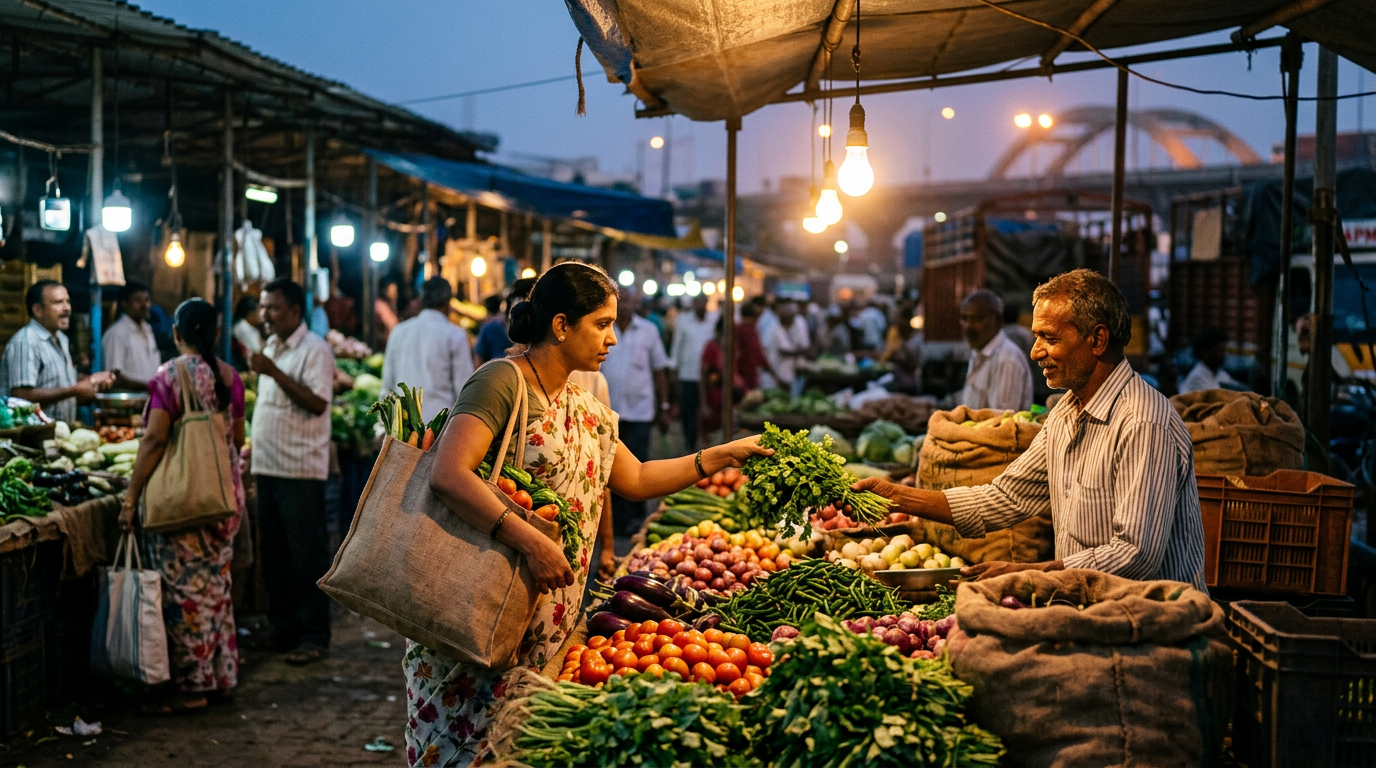
Between astronomical apartment rents in Bandra, highway tolls at the Vashi creek bridge, and unpredictable utility spikes, managing household expenses in the Mumbai Metropolitan Region (MMR) often feels like an Olympic sport. Yet, the silent budget killer for most households isn't always the weekend dinner out; it is the compounding bleed of the weekly grocery bill. If your family of three or four regularly sees ₹18,000 to ₹25,000 vanish into everyday pantry staples, learning how to save money on groceries is the fastest, most sustainable way to inject thousands of rupees back into your bank account each month.
Living in Mumbai or Navi Mumbai provides distinct retail advantages that car-dependent Western cities simply don't have. From the continent's largest wholesale hub right in Turbhe to the sprawling competitive corridors of DMart and local neighborhood mandis, you have levers to pull that can slash your grocery spending by 25% to 40% immediately. The key is knowing which items deserve a weekend trip across the creek, which belong in an organized offline cart, and where digital convenience apps are quietly draining your wallet.
1. The APMC Vashi Blueprint: Bulk Buying Like a Pro
If you live anywhere along the Harbour line, Central line, or Trans-Harbour corridor—from Chembur and Ghatkopar up to Kharghar and Panvel—the Agriculture Produce Market Committee (APMC) market in Vashi is your single greatest financial asset. Spanning hundreds of units across separate grain, spice, onion-potato, and fruit divisions, APMC represents the direct supply pipeline before retail markups hit suburban stores.
Retail supermarkets routinely markup staples such as Kolam rice, premium Basmati, toor dal, and whole spices by 30% to 50% to cover air conditioning, packaging, and commercial real estate leases in high-rent zones like Powai or Lower Parel. At APMC Market-1 (Grain Market), you can buy unpolished pulses, dry fruits, and grains in commercial bags (typically 25kg to 30kg) at foundational wholesale rates.
How to Make APMC Work for an MMR Apartment
Most 2BHK flats in places like Kanjurmarg or Kopar Khairane lack the space to store 30kg gunny bags of chana dal or sugar. The solution lies in building micro-collectives with colleagues, family members, or society neighbours.
- The Multi-Family Split: Pair up with two or three neighbours in your housing society. Buy a 30kg sack of certified HMT or Wada Kolam rice and split it evenly into food-grade airtight containers.
- The Spice and Dry Fruit Run: Almonds, cashews, walnuts, and daily whole spices (jeera, mustard seeds, cardamom) hold indefinite shelf lives when kept dry. Buying dry fruits here once every six months drops prices from roughly ₹1,100 per kilogram in neighbourhood shops down to ₹650–₹750 per kilogram for identical grades.
- Focus on Non-Perishables Only: Never buy seasonal vegetables in wholesale lots unless you are hosting a large event; spoilage in Mumbai's humid coastal climate quickly wipes out any initial price advantage.
For more foundational tips on streamlining your household allocations, check out our guide on [INTERNAL_LINK: monthly budgeting strategies for mumbaikars].
2. Breaking the Quick-Commerce Trap: The 25% Convenience Tax
The rise of 10-minute delivery services like Blinkit, Zepto, and Swiggy Instamart has transformed how residents shop across Andheri, Worli, and Thane. Need two lemons and a packet of coriander for dinner? A rider arrives at your doorstep before your tadka burns. However, this hyper-convenience comes at a staggering financial cost that rarely appears on a single itemized invoice.
Quick-commerce applications rely on micro-warehouses (dark stores) in premium urban pockets, and those operational costs are passed directly to you through dynamic pricing, convenience fees, small-cart penalties, surge charges during monsoon downpours, and default delivery partner tips. A single lemon priced at ₹4 at a street vendor in Dadar frequently sells for ₹12 to ₹15 on an app. When ordered three to four times a week, these minor impulse add-ons generate an extra ₹2,500 to ₹4,000 every month in phantom grocery costs.
"Hyper-convenience is the enemy of compounding wealth. Paying ₹30 in packaging and handling fees for a ₹40 pouch of milk is not a time-saver; it is an invisible lifestyle tax."
To curb this drain, implement a strict three-tier shopping hierarchy:
- The Daily Tier: Reserve your immediate physical footwork for daily items like loose milk, bread, and coriander from the kirana right below your building.
- The Weekly Tier: Run scheduled physical visits to local mandis or mid-sized hypermarkets with an uncompromising shopping list.
- The Emergency-Only Digital Tier: Delete saved payment cards from instant delivery apps. Force yourself to input card details manually whenever you use them; that momentary friction stops impulsive mid-week cart-building in its tracks.
3. The Hypermarket Hierarchy: DMart vs. Star Bazaar vs. Kirana
The Mumbai Metropolitan Region pioneered India's organized value retail boom, and knowing where to position your shopping cart makes an enormous difference. Avenue Supermarts (DMart) launched its empire right out of Powai, and its no-frills, high-volume model remains the gold standard for packaged consumer packaged goods (FMCG).
However, blind loyalty to a single brand can cost you. Strategic shoppers across Thane, Mulund, and Belapur segment their purchases based on store strengths:
- DMart for Branded Dry Goods: When it comes to cooking oils (mustard, sunflower, groundnut), packaged flours, detergents, bathroom cleaning supplies, and packaged snacks, DMart consistently undercuts both MRP and competing hypermarkets by 10% to 25%. A 5-litre tin of sunflower oil that retails for ₹750 elsewhere is often priced at ₹640–₹670 here.
- Star Bazaar for Produce Freshness: Operated under the Tata banner, outlets in places like Andheri West or Korum Mall (Thane) offer superior freshness in their produce sections compared to bulk discounters. If you hit their mid-week "Wednesday Fresh" promotions, you can secure farm-gate pricing on greens and tubers without sacrificing shelf life.
- The Local Kirana for Credit and Continuity: Never underestimate the financial benefit of an established relationship with your local bania or kirana store. Many long-standing grocers in Matunga, Girgaon, or Vashi Sector 9 offer interest-free monthly billing accounts, free door delivery without app surcharges, and hassle-free returns on grain packets that fail visual inspection.
4. Timing the Traditional Mandis: The 8:30 PM Rule
No air-conditioned supermarket can compete with the sheer velocity and pricing dynamics of Mumbai's historic street markets. Whether you shop at the bustling lanes outside Dadar station (Senapati Bapat Marg), the sprawling Byculla vegetable market, or sector markets like Nerul's vegetable strip, the key variable isn't just where you shop—it is when.
Street vendors work on tight capital cycles. Vegetable sellers typically purchase crates at wholesale auctions at 4:00 AM, haul them to their assigned neighbourhood spots, and aim to clear their inventory entirely by nightfall to avoid deadweight loss, municipal confiscation risks, or overnight heat damage.
Mastering the Late-Evening Advantage
Arriving at your local vegetable mandi between 8:30 PM and 9:30 PM transforms the pricing landscape. Produce that traded at ₹80 per kilogram at 9:00 AM—such as bell peppers, okra (bhindi), French beans, or cauliflower—routinely drops to ₹40 or ₹50 per kilogram as vendors slash margins to liquidate remaining stock.
To capitalize on this without bringing home bruised or wilted produce:
- Stick to Hard Produce Late at Night: Root vegetables (potatoes, sweet potatoes, onions, carrots), gourds (doodhi, ridge gourd), and cabbage tolerate late-night clearance cycles exceptionally well with zero loss in nutritional quality.
- Inspect Leafy Greens Thoroughly: Avoid spinach (palak), fenugreek (methi), or coriander that has sat out through humid daytime hours unless you plan to blanch and freeze it immediately that night.
- Cultivate a "Fixed" Vendor: Find one or two vendors who consistently bring fresh stock. Greet them regularly, pay via UPI instantly without haggling over two rupees, and they will naturally set aside the freshest bunches for you while quietly tossing in your green chilies and curry leaves for free.
For more strategies on smart spending habits across MMR, take a look at our breakdown on [INTERNAL_LINK: managing household expenses in high cost cities].
5. Mastering Fresh Protein: Fish, Poultry, and Dairy
Protein sourcing accounts for the single largest chunk of the grocery spend for non-vegetarian and high-protein households in MMR. Buying cleaned, tray-packaged chicken breast or fish fillets from upscale specialty stores or direct-to-consumer apps often costs double the prevailing market rate.
Navigating Mumbai's Coastal Fish Economy
If your household consumes seafood, bypassing retail aggregators can cut your monthly spend in half. Mumbai's historic landing ports—Bhaucha Dhakka (Ferry Wharf) for offshore catch, Sassoon Dock in Colaba, and local landing strips like Khar Danda and Versova Koliwada—offer incredible value if you plan weekend runs.
At Bhaucha Dhakka, buying fresh surmai (kingfish), pomfret, or prawns directly by the basket (vaata) costs roughly 40% less than your neighbourhood fishmonger in Chembur or Borivali. Go in the early morning between 6:00 AM and 7:30 AM with a portable insulated icebox. Buy whole fish, have the port cleaners scale and steak them on-site for a nominal fee (usually ₹30 to ₹50 per fish), portion them into meal-sized bags, and deep-freeze them for the month.
Poultry and Dairy Hacks
For chicken and eggs, skip the glossy plastic-wrapped trays. Neighbourhood butcher shops operating under established municipal licenses charge standard wholesale-linked live rates, which are updated daily. You will consistently save ₹80 to ₹120 per kilogram on skinless chicken compared to pre-marinated or app-delivered alternatives.
On the dairy front, loose pasteurized cow milk from established local dairy cooperatives (like Mahanand, Gokul, or local buffalo khatals across Kurla and Ghodbunder Road) offers richer fat content and lower per-litre costs than ultra-high-temperature (UHT) processed tetra packs that charge you for shelf stability you simply don't need.
6. Seasonal Eating and Weatherproofing Your Kitchen Budget
Coastal Maharashtra experiences severe price dislocations based entirely on weather events. When the monsoon hits its peak between July and August, supply corridors through the Western Ghats can temporarily slow down, driving tomato prices from ₹30/kg to an eye-watering ₹140/kg in the span of seventy-two hours. Similarly, the annual fishing ban (Narali Purnima transition) shifts market demand onto vegetables, driving up rates across the board.
Learning how to save money on groceries requires seasonal adaptation rather than fighting the climate:
- The Tomato Hedge: During winter peak production (December to February), when fresh Nashik and Pune tomatoes drop to ₹15–₹20 per kilo, buy in 10kg batches. Puree them with a pinch of salt, simmer until reduced, and freeze the paste into silicon ice trays. When summer and monsoon spikes inevitably arrive, your base gravy costs remain completely insulated from inflation.
- Embrace Indigenous Pulses: When green vegetables soar during the monsoon, lean on regional legumes like matki (moth beans), chawli (black-eyed peas), and sprouted moong. They offer equal or superior micronutrient profiles at a flat, non-seasonal price point.
- Monsoon Leafy Greens Caution: Heavy rainfall elevates contamination and bacterial decay in open-air leafy greens. Cutting back on palak and methi during peak rains preserves both your stomach and your wallet from avoidable medical bills.
7. The Zero-Waste MMR Kitchen Audit
The cheapest grocery item is the one you already purchased and actually consume before it goes bad. Food waste in Indian urban apartments is largely driven by improper moisture control. Mumbai's persistent relative humidity—often hovering above 75%—causes grains to harbor weevils, onions to sprout prematurely, and bread to grow mold within three days.
Executing an aggressive weekly kitchen audit will immediately capture lost value:
- The Fenugreek and Turmeric Storage Rule: Line your grain storage drums with clean bay leaves (tejpatta) and dried whole turmeric sticks. This time-tested coastal method repels insects naturally without needing chemical fumigants or expensive specialty storage pods.
- De-Moisturize Your Refrigerator: Line vegetable crisper drawers with standard unprinted kitchen paper towels. In coastal cities, refrigerator interiors accumulate heavy ambient condensation every time the door opens; dampness causes coriander and mint to turn into black sludge within forty-eight hours.
- The Sunday Inventory Sweep: Before opening any retail app or stepping out to your local market, pull every half-used packet of dal, lonely carrot, and leftover bell pepper to the front of your shelves. Designate Sunday dinners as "fridge-clearing meals"—khichdi, vegetable pulao, or mixed-vegetable sambar—ensuring your food inventory drops to zero before bringing fresh stock into your apartment.
For more lifestyle optimization strategies tailored to the economic realities of this city, explore our guide on [INTERNAL_LINK: building an emergency fund in mumbai].
Take Control of Your Household Ledger Today
Trimming your grocery expenses across the Mumbai Metropolitan Region does not mean surviving on plain rice or depriving your family of wholesome, delicious food. It is entirely a matter of matching your purchases to the right distribution channels: utilizing the massive wholesale power of APMC Vashi for dry staples, hitting DMart for packaged essentials, timing your local mandis to capture clearance bargains, and unplugging from the expensive illusion of instant convenience apps.
Take charge of your food budget this coming weekend. Pick just two strategies from this guide—whether that means carpooling to Vashi for your quarterly grain run or shifting your vegetable runs to the Dadar evening mandi—and run the experiment for thirty days. When you compare your monthly bank statements, you will discover that living well in Mumbai doesn't have to cost a fortune.
Keep reading
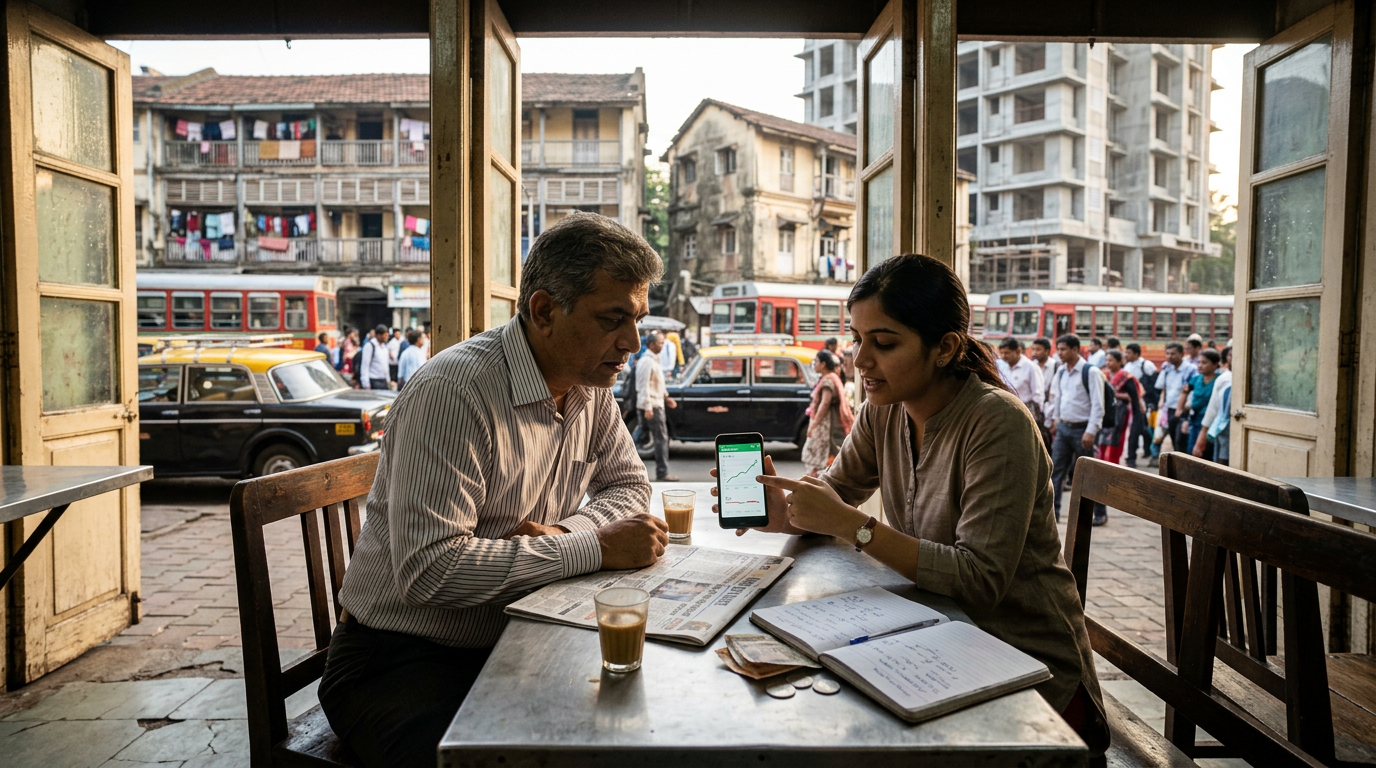
Best High Yield Savings Accounts in Mumbai (2024 Guide)
In a city as expensive as Mumbai, your savings need to work harder. Discover the best high-yield savings accounts that offer up to 7.5% interest, far outpacing traditional banks.
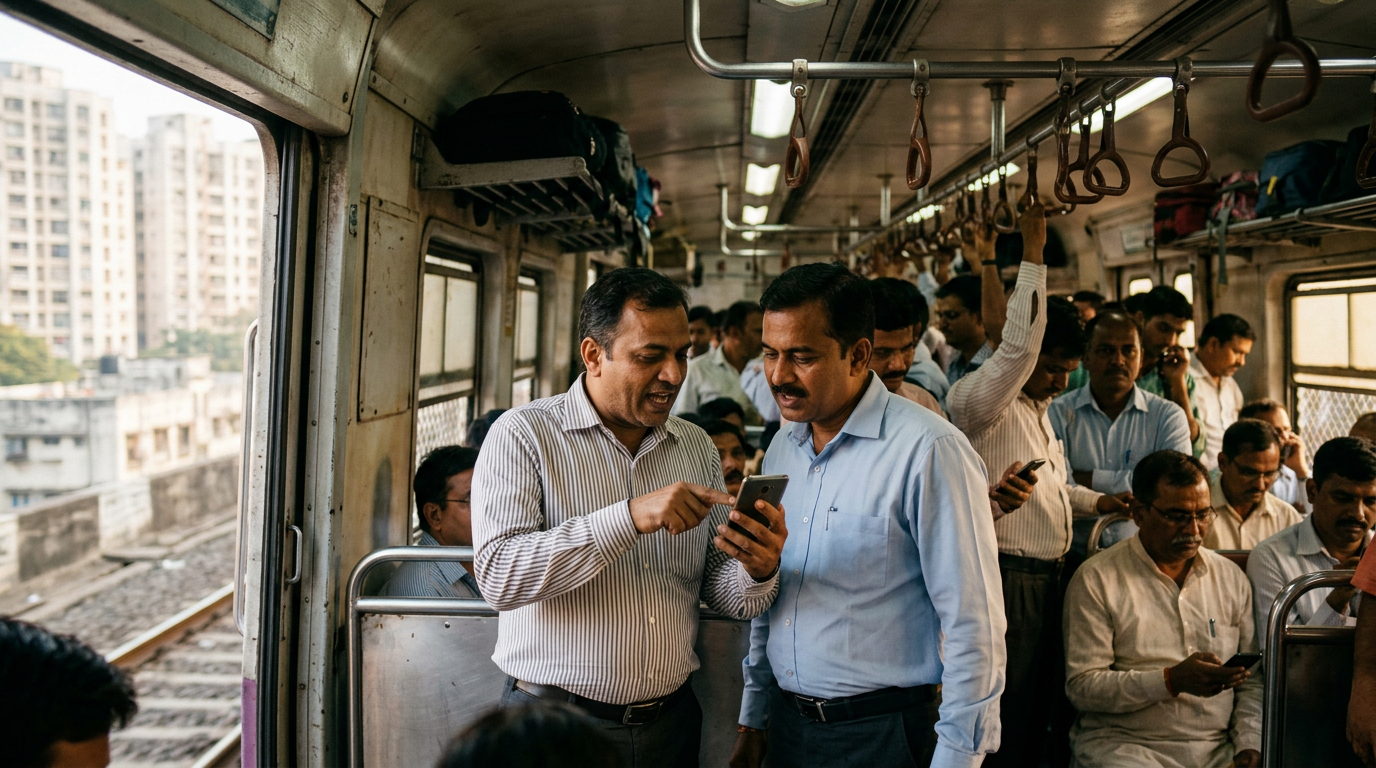
7 Beginner Investing Mistakes Every Mumbaiite Must Avoid
New to investing in Mumbai? This guide breaks down the critical beginner investing mistakes to avoid, from FOMO on hot stocks to underestimating real estate in Thane or Panvel.
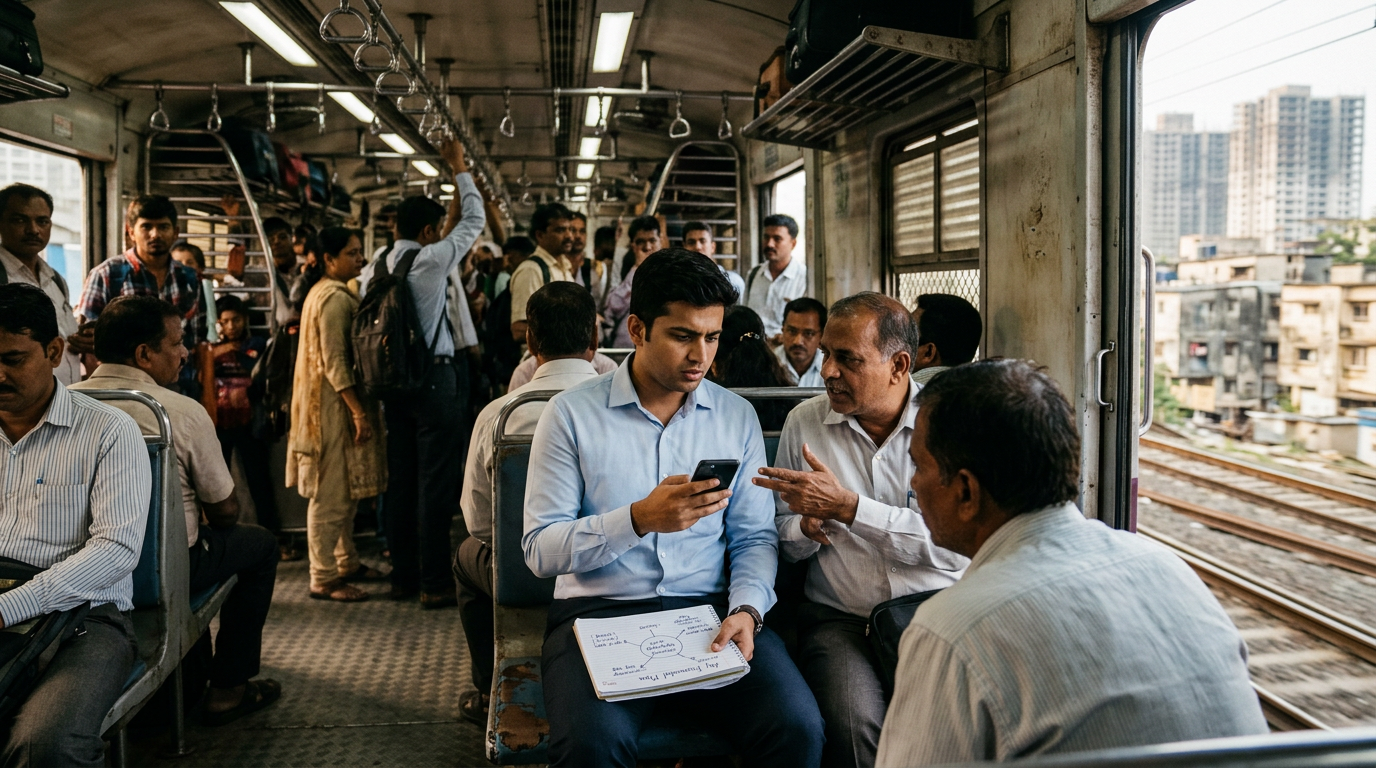
7 Beginner Investing Mistakes Every Mumbaikar Must Avoid
From the Dalal Street buzz to property chatter in Panvel, starting your investment journey in Mumbai is exciting. Avoid these common beginner investing mistakes to build wealth.