
Best High Yield Savings Accounts in Mumbai (2024 Guide)
In a city as expensive as Mumbai, your savings need to work harder. Discover the best high-yield savings accounts that offer up to 7.5% interest, far outpacing traditional banks.
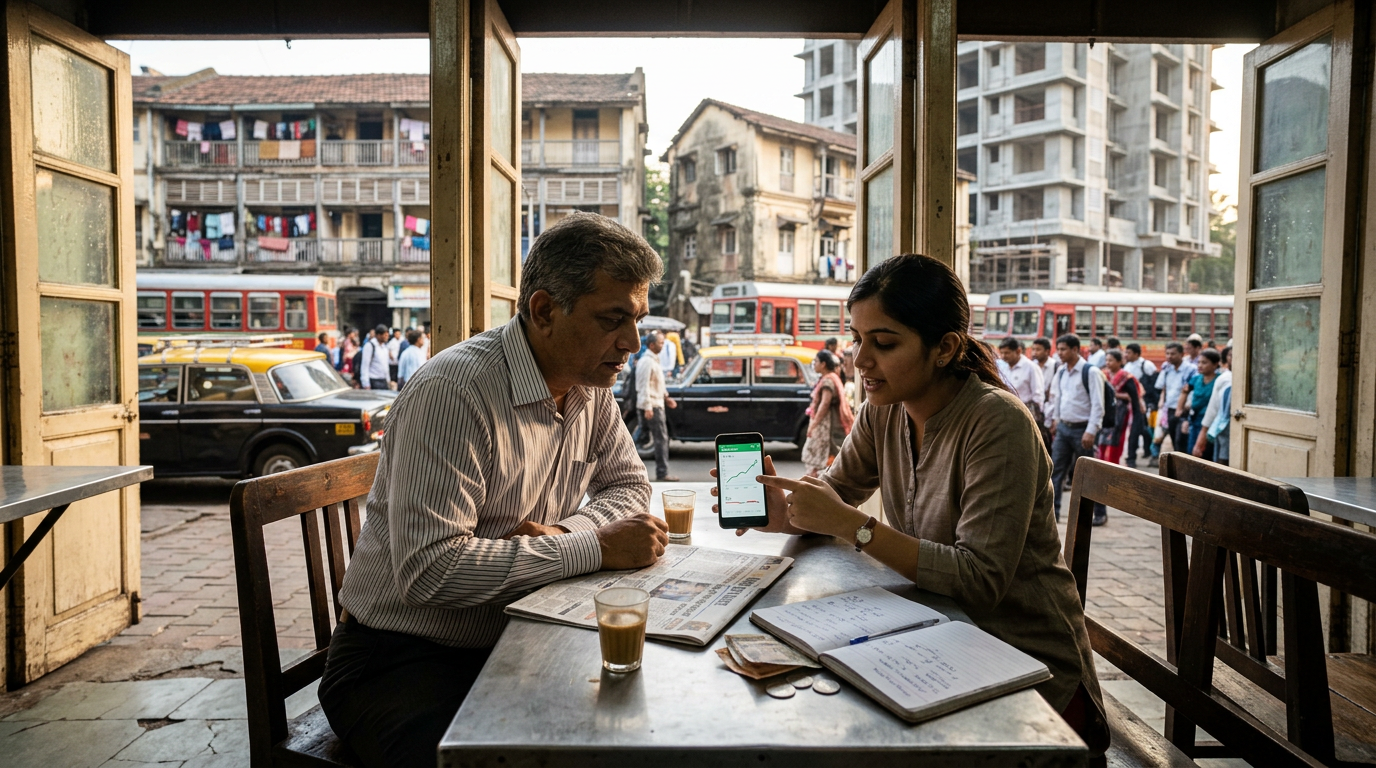
Why Your Standard Savings Account is Costing You Money
Let's be honest. Living in Mumbai is a financial marathon. Whether you're saving for a down payment on a flat in Panvel, funding your startup dream from a coworking space in Andheri, or just building an emergency fund to survive a six-month monsoon, every single rupee counts. Yet, most of us leave a significant chunk of our hard-earned cash in a standard savings account, earning a paltry 2.7% to 3.5% interest. In a city where inflation feels like it’s in the double digits, that’s not just stagnation; it’s a loss. It's time we talked about finding the best high yield savings accounts available right here in Mumbai and Navi Mumbai to make your money work as hard as you do.
What is a High-Yield Savings Account and Why Does it Matter in Mumbai?
Think of a high-yield savings account as a regular savings account on a better diet and fitness plan. It’s still a safe, liquid place to park your money, but it offers a significantly higher interest rate—often between 6% and 7.5% or more. This isn't just a minor upgrade; it's a fundamental shift in how you manage your liquid funds. The difference in earnings can be substantial. For a city with the highest cost of living in the country, this isn't a luxury, it's a necessity.
Let's put it in perspective. Suppose you have ₹3,00,000 saved up for emergencies. In a standard savings account at 3% p.a., you’d earn ₹9,000 in a year. Now, place that same amount in a high-yield account offering 7% p.a. Your annual earning jumps to ₹21,000. That’s an extra ₹12,000. What could that mean for a Mumbaikar? That’s nearly a year’s worth of AC First Class local train passes from Thane to CSMT, a spectacular birthday dinner for your family at a place like Masque in Mahalaxmi, or a solid chunk of your society’s maintenance bill for the year. When your money outpaces or at least keeps up with inflation, you're not just saving; you're preserving your purchasing power against the relentless price hikes on everything from vada pav to rent in Bandra West.
The Contenders: Traditional Giants vs. New-Age Challengers
The banking landscape in Mumbai is diverse, giving you plenty of options. Broadly, they fall into three categories, each with its own set of pros and cons for the city dweller.
Traditional Private Banks
These are the names you see everywhere, from the high-rises of BKC to the main streets of Vashi. Banks like HDFC, ICICI, and Kotak Mahindra Bank offer premium or “pro” versions of their savings accounts that come with higher interest rates or special features. Kotak, being a Mumbai-headquartered bank, has a particularly strong local flavour. Their key advantage is trust and an unparalleled physical network. If your transaction fails at an ATM in Chembur, you know there’s a branch just around the corner. However, their highest rates are often tied to high minimum balance requirements (Average Monthly Balance or AMB) or through 'sweep-in' facilities, which we'll discuss later. Their standard, non-premium accounts rarely offer competitive rates.
Small Finance Banks (SFBs)
You’ve probably seen new branches of AU Small Finance Bank, Equitas, or Ujjivan popping up in suburbs like Borivali and Kharghar. To attract customers and grow their deposit base, SFBs consistently offer some of the highest interest rates on savings accounts. They are fully regulated by the RBI and your deposits are insured by the DICGC up to ₹5 lakh, just like any other commercial bank. For someone whose primary goal is maximizing returns on their savings, SFBs are a fantastic option. The trade-off might be a smaller ATM network or a less polished digital experience compared to the big players, though this gap is closing fast.
Digital Banks / Neobanks
For the tech-savvy crowd working out of WeWork in Powai, digital-first platforms like Fi Money and Jupiter are incredibly appealing. It’s important to understand they are not banks themselves; they are fintech companies that partner with scheduled commercial banks (like Federal Bank) to offer a seamless, app-first banking experience. They often feature zero-balance accounts, insightful spending analytics, and automated savings tools. The interest rates are competitive, inherited from their partner bank. The entire process, from opening an account via Video KYC from your couch in Goregaon to ordering a debit card, is done on your phone.
Beyond the Headline Rate: Features to Scrutinise
A high interest rate is the main draw, but it's not the only factor. A savvy Mumbaikar knows the devil is in the details. Before you jump in, compare these critical features to avoid any unpleasant surprises.
- Interest Calculation Method: Most banks now calculate interest on the daily closing balance, which is good for you. However, the interest is typically credited to your account quarterly. Understand this cycle.
- Tiered Interest Rates: This is a common 'gotcha'. A bank might advertise a flashy 7.5% interest rate, but that rate may only apply to balances between ₹1 lakh and ₹5 lakh. Balances below or above that tier could earn a much lower rate. Read the fine print carefully to see how the rates apply to your specific savings amount.
- Average Minimum Balance (AMB): A zero-balance account is ideal, but many high-yield accounts require you to maintain an AMB of ₹10,000, ₹25,000, or even higher. Failing to do so invites hefty penalties that can quickly wipe out your extra interest earnings. Be realistic about the balance you can comfortably maintain.
- Debit Card and ATM Charges: In a city where you’re constantly on the move, ATM access is key. Check the number of free transactions at both the bank’s own ATMs and other banks’ ATMs. Exceeding the free limit can lead to charges of ₹21 + GST per transaction. Also, look at the annual fees for the debit card itself.
- Digital Experience: How good is the mobile app? Is it intuitive? Can you easily pay your electricity bill (Adani/Tata Power), set up standing instructions for your rent, and manage your investments? A clunky app that forces you to visit a branch for simple tasks negates the convenience, especially when that branch is a 45-minute train ride away.
Choosing the right account means balancing the highest possible return with the features and requirements that fit your lifestyle in Mumbai.
A Closer Look: Top High-Yield Savings Accounts for Mumbaikars
While interest rates change, here are some consistently strong performers that you should consider. Always check the bank's official website for the latest rates and terms before making a decision.
- IDFC First Bank Savings Account: Often a favourite, IDFC First offers a competitive tiered interest rate structure and a reputation for customer-centric policies. They have a decent and growing branch presence across the Mumbai Metropolitan Region (MMR) and a solid digital platform. Their accounts often come with low or zero minimum balance requirements, making them accessible to a wider audience.
- DBS Bank (digibank): A product of Singapore's DBS, digibank is a fully digital bank that offers a seamless mobile experience. Their rates are competitive, and the international brand brings a sense of security. It's an excellent choice for those who are comfortable managing their finances entirely through an app and value features like an all-in-one platform for savings and investments.
- AU Small Finance Bank: As an SFB, AU Bank consistently features among the top for interest rates. They have been aggressively expanding their physical footprint in Mumbai's suburbs, offering a hybrid approach. If your primary driver is getting the absolute best rate on your savings, AU Bank is a must-consider.
- Kotak Mahindra Bank (ActivMoney or 811): Kotak 811 is a popular zero-balance digital account. For higher balances, Kotak offers an 'ActivMoney' feature (an auto sweep-in facility) that automatically moves funds above a certain threshold into a Fixed Deposit, earning you much higher interest while maintaining liquidity. This is a powerful tool for maximising returns without sacrificing access to your cash.
Remember to investigate options like Bandhan Bank, RBL Bank, and Equitas Small Finance Bank as well, as their offerings can be very attractive and may have changed since this article was published. For more complex financial planning, you might want to look at [INTERNAL_LINK: finding a financial advisor in Mumbai].
The Sweep-In Facility: Your Secret Weapon for Maximising Returns
Many Mumbaikars aren't aware of one of the most powerful features offered by banks like Kotak, HDFC, and ICICI: the sweep-in or auto-sweep facility. This feature is a game-changer for anyone who has fluctuating balances in their account, such as freelancers or business owners.
Here’s how it works: You set a threshold for your savings account, say ₹50,000. Any amount above this threshold is automatically 'swept' into a linked Fixed Deposit (FD) for a set tenure, earning you much higher FD interest rates (e.g., 7-7.5%). The magic lies in the liquidity. If your account balance drops below the threshold because you had to pay a hefty car repair bill after navigating potholes on the JVLR, the bank automatically breaks a part of your FD and 'sweeps' the required amount back into your savings account. You only lose interest on the amount withdrawn, for the period it was in the FD. This gives you the best of both worlds: FD-like returns on your surplus cash and savings account-like liquidity.
"The sweep-in facility is the single most under-utilized tool for urban professionals. People leave lakhs of rupees sitting idle, earning next to nothing. Activating this feature is like giving your savings account a promotion. It works quietly in the background, ensuring your money never sleeps." - A Mumbai-based Financial Planner
This is particularly useful when you receive a large sum of money, like an annual bonus or proceeds from a sale. Instead of letting it languish while you decide where to invest, the sweep-in facility puts it to work immediately.
How to Open Your New High-Yield Savings Account: A Step-by-Step Guide
Ready to make the switch? The process is simpler than ever, often not even requiring a trip to a bank branch in Fort or Nariman Point. You can do it all from the comfort of your home.
- Assess Your Financial Habits: Before you begin, take stock. What is the average balance you typically maintain? Are you comfortable with a fully digital experience, or do you prefer having a physical branch nearby for peace of mind? Your answers will help you narrow down the options between a digital-only bank and a Small Finance Bank with a local branch in Thane.
- Shortlist and Compare: Based on your assessment, shortlist 2-3 banks from the categories mentioned earlier. Visit their websites. Create a simple comparison chart: Interest Rate (and its tiers), Minimum Balance Requirement, Debit Card Fees, and unique features like the sweep-in facility.
- Initiate the Process Online: Most banks now allow you to start the application process on their website or app. You'll need your PAN card, Aadhaar card, and a mobile number linked to your Aadhaar.
- Complete Your KYC: This is the identity verification step. Thanks to modern technology, most banks offer a Video KYC (vKYC) option. You'll have a short video call with a bank representative where you show your PAN card and sign on a blank piece of paper. It’s quick, secure, and saves you a trip through Mumbai traffic.
- Fund Your Account: Once your account is approved, you'll need to make an initial deposit. The amount can vary from zero to the minimum balance required for the account type. You can do this via NEFT, IMPS, or UPI from your old account.
- Set Up and Explore: Download the bank's mobile app, set up your login credentials, and start exploring its features. Order your debit card, set up your UPI handle, and don't forget to look for the option to activate any special features like auto-sweep. Consider how this fits into your larger financial picture, including [INTERNAL_LINK: tax-saving investment options for salaried employees].
Stop Leaving Money on the Table
In a city that demands so much from us financially, it’s imperative that our money works just as hard in return. Letting your emergency fund or short-term savings sit in a traditional savings account earning a meager 3% is a missed opportunity you can no longer afford. The difference between a standard account and a high-yield one can amount to thousands, or even tens of thousands, of rupees each year—money that could be used to improve your quality of life, accelerate your financial goals, or simply provide a greater cushion against uncertainty.
The options are plentiful and accessible, from trusted names with clever features to nimble new banks offering chart-topping rates. The process is simpler and faster than ever before. Take 30 minutes this weekend. Pull up your latest bank statement, check the interest rate you’re currently earning, and compare it with the high-yield options available. It might just be the most profitable half-hour you spend all year.
Keep reading
7 Beginner Investing Mistakes Every Mumbaiite Must Avoid
New to investing in Mumbai? This guide breaks down the critical beginner investing mistakes to avoid, from FOMO on hot stocks to underestimating real estate in Thane or Panvel.
7 Beginner Investing Mistakes Every Mumbaikar Must Avoid
From the Dalal Street buzz to property chatter in Panvel, starting your investment journey in Mumbai is exciting. Avoid these common beginner investing mistakes to build wealth.
How to Save Money on Groceries: The Ultimate Mumbai Guide
Feeling the pinch from rising food costs? Our ultimate Mumbai guide reveals practical tips on how to save money on groceries, from mastering wholesale markets to decoding app discounts.