
How to Build a Capsule Wardrobe: A Complete Global Guide
Overwhelmed by a closet full of clothes with nothing to wear? It’s time to learn how to build a capsule wardrobe, a curated collection of essentials that work for your life, from Tokyo to Toronto.
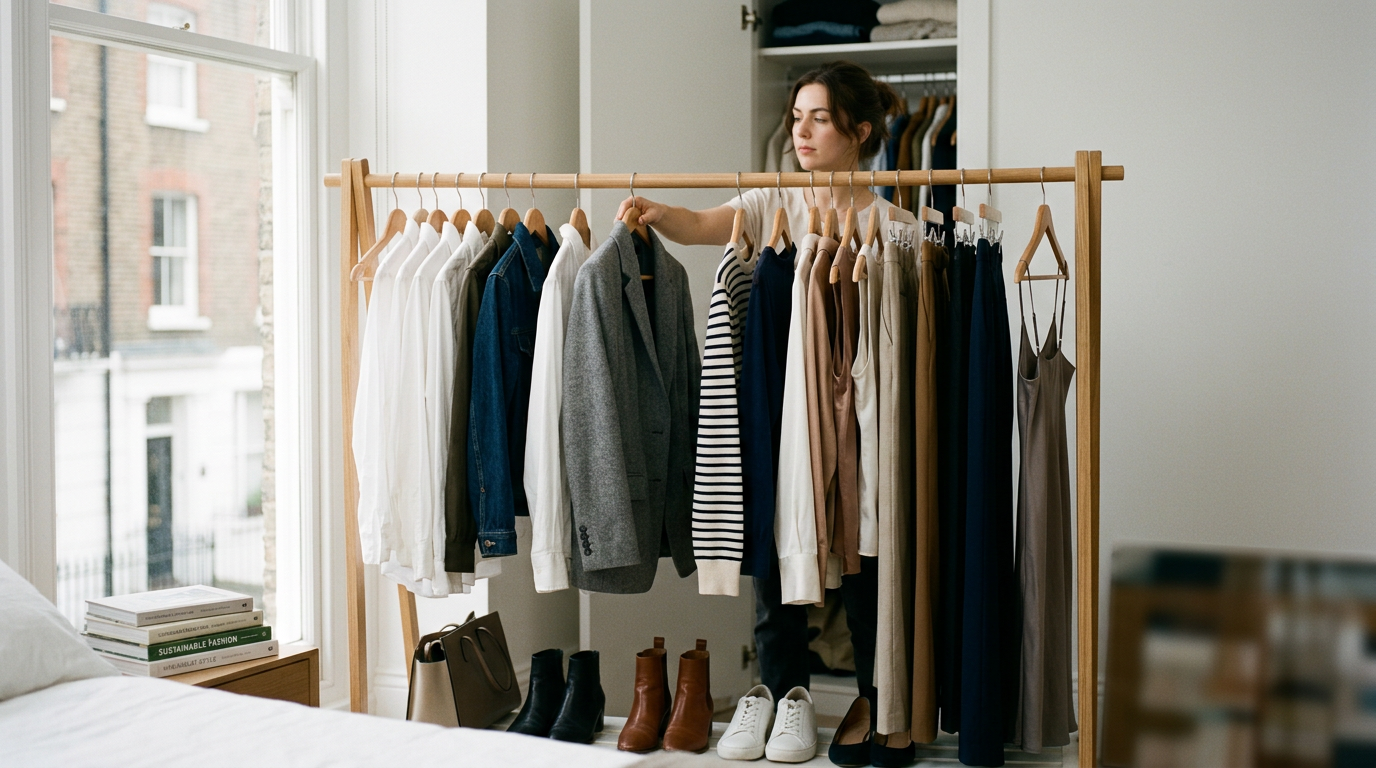
What is a Capsule Wardrobe? Unpacking the Concept
First, let’s clear the air. A capsule wardrobe isn’t about militant minimalism or owning a specific number of items. The viral “37-piece” rule is a guideline, not gospel. At its heart, a capsule wardrobe is an intentional collection of essential, high-quality items that you love to wear, which can be easily mixed and matched. The concept was popularized in the 1970s by London boutique owner Susie Faux and later championed by American designer Donna Karan with her iconic “Seven Easy Pieces” collection in 1985. Their goal was to simplify dressing for the modern woman.
Today, the philosophy remains the same, but its application is beautifully diverse. A capsule wardrobe in tropical Singapore, focusing on breathable linens, silks, and cottons, will look fundamentally different from one built for the four distinct seasons of Stockholm, which requires heavy wool coats and thermal layers. The universal principle is not the what, but the why: every piece serves a purpose, reflects your personal style, and works hard for its place in your closet. It’s about ending decision fatigue and the cycle of trend-driven consumption. Forget the idea that a limited wardrobe is a boring one. Instead, view it as a perfectly curated foundation upon which you can build endless stylish outfits, accessorizing to reflect your mood, location, and personality.
Step 1: The Closet Audit – An Honest Self-Assessment
Before you can build, you must deconstruct. The first, most crucial step is a thorough closet audit. This is more than just a spring clean; it’s an analytical process of evaluating what you currently own against the life you actually live. Prepare yourself for an afternoon of honest reflection. Pull every single piece of clothing, shoe, and accessory out of your closet and drawers. Yes, everything. Seeing the sheer volume is often a powerful motivator.
The Four-Category System
Divide your items into four distinct categories. You can use piles on the floor, boxes, or clothing racks:
- Love & Wear (The Keepers): These are the pieces you reach for constantly. They fit you well, make you feel confident, and suit your current lifestyle. These form the potential core of your new capsule.
- The Maybe Pile (The Purgatory): This is for items you’re hesitant about. Perhaps it was expensive, holds sentimental value, or you think you *should* wear it. Box these items up and store them out of sight for three to six months. If you don’t miss them or reach for them in that time, you have your answer.
- Donate, Sell, or Recycle: Items that don't fit, are damaged beyond repair, or no longer align with your style. Be ruthless but responsible. High-quality pieces can be consigned or sold online, while others can be donated. Textiles that are too worn can often be recycled.
- Store (The Seasonals): This is a key step for anyone living in a place with distinct seasons, like Seoul or Chicago. Pack away heavy winter coats and woolens at the start of spring, and store sundresses and sandals when autumn arrives. This keeps your active closet relevant and uncluttered. For those in more temperate climates like Lisbon or Sydney, this pile might be smaller, reserved for specific-use items like formal wear or ski gear.
This process forces you to confront your shopping habits and paves the way for a more intentional future. It's the essential groundwork for building a wardrobe that truly serves you.
Step 2: Defining Your Personal Style & Lifestyle
A capsule wardrobe is deeply personal. A corporate lawyer in Frankfurt will have vastly different needs from a freelance graphic designer in Melbourne. This step is about bridging the gap between aspirational style—the person you admire on Instagram—and your actual, day-to-day reality. Ignoring this step is the fastest way to build a beautiful wardrobe that goes unworn.
Analyze Your Life
Get specific about how you spend your time. Grab a notebook and jot down your typical weekly activities and the clothing required for each. Consider percentages. Your week might look something like this:
- Work (60%): Business casual office environment. Requires smart trousers, blouses, blazers.
- Home & Errands (20%): Casual and comfortable. Quality knitwear, jeans, practical footwear.
- Social & Evenings (10%): Dinners, events. A versatile dress, stylish tops, heeled boots.
- Fitness & Outdoors (10%): Gym, hiking. Activewear.
Create a Visual Mood Board
Now for the fun part. Start gathering inspiration to distill your aesthetic. Use Pinterest, tear sheets from magazines, or save images on Instagram. Look for recurring themes. Are you drawn to the minimalist, clean lines of Scandinavian fashion, the bohemian ease of a Byron Bay local, or the sharp, architectural tailoring seen in Tokyo? Notice the silhouettes, fabrics, and color combinations that appear repeatedly. This visual exercise will help you identify the core elements of your true personal style, creating a cohesive vision for the wardrobe you’re about to build. Don’t just pin individual items; pin full outfits to see how pieces can work together.
Step 3: Curating a Cohesive Color Palette
Your color palette is the magic ingredient that ensures maximum versatility. A well-chosen palette allows nearly every top to work with every bottom, creating an exponential number of outfit combinations from a limited number of pieces. A classic approach is to structure it in three tiers.
Tier 1: Base Colors (2-3)
These are the neutral workhorses of your wardrobe. They should form the foundation of your core items, like coats, trousers, and expensive investment pieces. Choose shades that flatter your skin tone and feel authentic to you.
- Classic Neutrals: Black, navy, charcoal grey, and white. These are globally recognized as chic and versatile, forming the backbone of wardrobes from Paris to New York.
- Warm Neutrals: Camel, khaki, olive green, cream, and chocolate brown. These tones work beautifully in a variety of settings and can lend a softer, more approachable feel.
- Cool Neutrals: Stone, light grey, muted blues. These are hallmarks of a serene, often Scandinavian-inspired aesthetic.
Tier 2: Accent Colors (2-3)
These are the colors that bring your personality to the forefront. They are used for items like tops, sweaters, and accessories. Your accent colors should complement your base colors. If your base is navy and grey, accents could be anything from a bold crimson red to a soft powder blue. Look to your surroundings for inspiration. This could be the terracotta of Tuscan villas, the vibrant fuchsia of Indian saris, or the deep greens of the Pacific Northwest. These colors inject life and individuality into your capsule.
Tier 3: Hardware & Prints (1-2)
Finally, consider your preferred metallic for hardware—buttons, zippers, and jewelry. Are you drawn to gold, silver, or rose gold? Sticking to one can create a more cohesive look. Then, select one or two timeless prints that you genuinely love, such as Breton stripes, a subtle leopard print, or a classic plaid. These act as honorary neutrals and add visual interest.
Step 4: Making Your Essential List (A Flexible Blueprint)
Now, armed with your lifestyle analysis and color palette, you can create a shopping list of the items your wardrobe is missing. This is not a rigid prescription but a flexible template. The number of items will depend on your lifestyle, climate, and laundry habits. Below is a sample structure—adapt it to your own needs.
"Simplicity is the ultimate sophistication." - Leonardo da Vinci
This sentiment is the guiding principle for your list. Focus on timeless silhouettes in your chosen color palette.
- Tops (9-12 pieces): This is a great category for your accent colors. Include a mix of T-shirts (a high-quality white tee is a global staple), silk or cotton blouses, and sweaters. For materials, think merino wool for cool climates and breathable Tencel or linen for warmer ones.
- Bottoms (4-6 pieces): A pair of perfectly fitting dark-wash jeans, a pair of smart trousers in a base color (black, navy, or camel), and perhaps a versatile skirt or a pair of casual chinos. The silhouette is key; wide-leg trousers are chic in many urban centers, while a slim-fit cut is eternally classic.
- Dresses & Jumpsuits (1-3 pieces): The ultimate “one-and-done” outfit. A little black dress (or navy, or charcoal) is a must, but the style will vary. It might be a knit dress in Oslo or a linen shift in Rio de Janeiro. A jumpsuit can also be a fantastically versatile piece that dresses up or down.
- Outerwear (2-4 pieces): This is the most climate-dependent category. A classic trench coat is perfect for the transitional weather of London or Tokyo. A tailored wool coat is essential for cold winters. In Los Angeles or along the Mediterranean, a leather jacket or a stylish denim jacket might be all you need. Invest the most here, as outerwear is worn repeatedly.
- Footwear (4-6 pairs): Focus on comfort and versatility. A pair of sleek leather sneakers (think brands like Veja or Common Projects), a classic ankle boot, a pair of smart flats or loafers, and a shoe for special occasions. Add sandals or heavy-duty winter boots based on your climate.
Step 5: Smart & Sustainable Acquisition
Building your capsule is a marathon, not a sprint. The goal is to slowly and thoughtfully acquire pieces that will last for years, moving away from the fast-fashion mindset. This is where the mantra “buy less, but better” truly comes into play. A well-made cashmere sweater that lasts a decade is far more valuable than five trendy, pilling acrylic ones.
The Strategic Shopping Plan
Take your list and prioritize it. What is the most urgent gap in your wardrobe? Perhaps it's a quality coat for the coming winter or a pair of versatile trousers for work. Focus on acquiring one piece at a time. Before purchasing, ask yourself: Does this fit my color palette? Does it work with at least three other items I already own? Will I be excited to wear this in a year? This deliberate process prevents impulse buys and ensures every new item is a valuable addition. Many capsule adherents follow a “one in, one out” rule to maintain their curated number: for every new item that comes in, a similar item must go out.
Where to Look: A Global Shopping Guide
Your sources for clothing can be as diverse as your style. It's not just about traditional retail.
- Invest in Brands Known for Quality: For foundational pieces like coats, boots, and denim, research brands with a reputation for durability and timeless design. This is an area where saving up for a higher-quality item pays dividends.
- Discover Local Designers: Whether you're exploring the boutiques in Le Marais in Paris or the independent shops in Seoul's Hongdae district, local designers offer unique pieces that can become your signature accent items.
- Embrace Secondhand and Vintage: The most sustainable item is the one that already exists. Thriving vintage markets in cities like Berlin, Milan, and Tokyo are treasure troves for high-quality, unique pieces with a history. Online platforms like The RealReal, Vestiaire Collective, and Depop have also made global vintage shopping more accessible than ever. Check out [INTERNAL_LINK: sustainable fashion brands to watch] for more ideas.
Conclusion: The Freedom of a Curated Closet
Building a capsule wardrobe is a transformative process. It moves your closet from a source of stress and clutter to a source of calm, confidence, and creative expression. It’s a journey of self-discovery, forcing you to define your personal style in the context of your real life. The result is more than just an organized closet; it’s more time, more money, and more mental space for the things that truly matter. You'll find the daily ritual of getting dressed becomes a simple joy rather than a frantic search.
This is not a project with a finite end. Your capsule will evolve as your life, style, and location change. The principles of intentionality, quality, and personal expression, however, will remain your constant guide. So, why not start this weekend? Open your closet doors, take a deep breath, and begin the audit. The path to a more stylish and streamlined life is waiting.
What's the one item that would be essential in your city's capsule wardrobe? Share your thoughts and tips in the comments below!
Keep reading
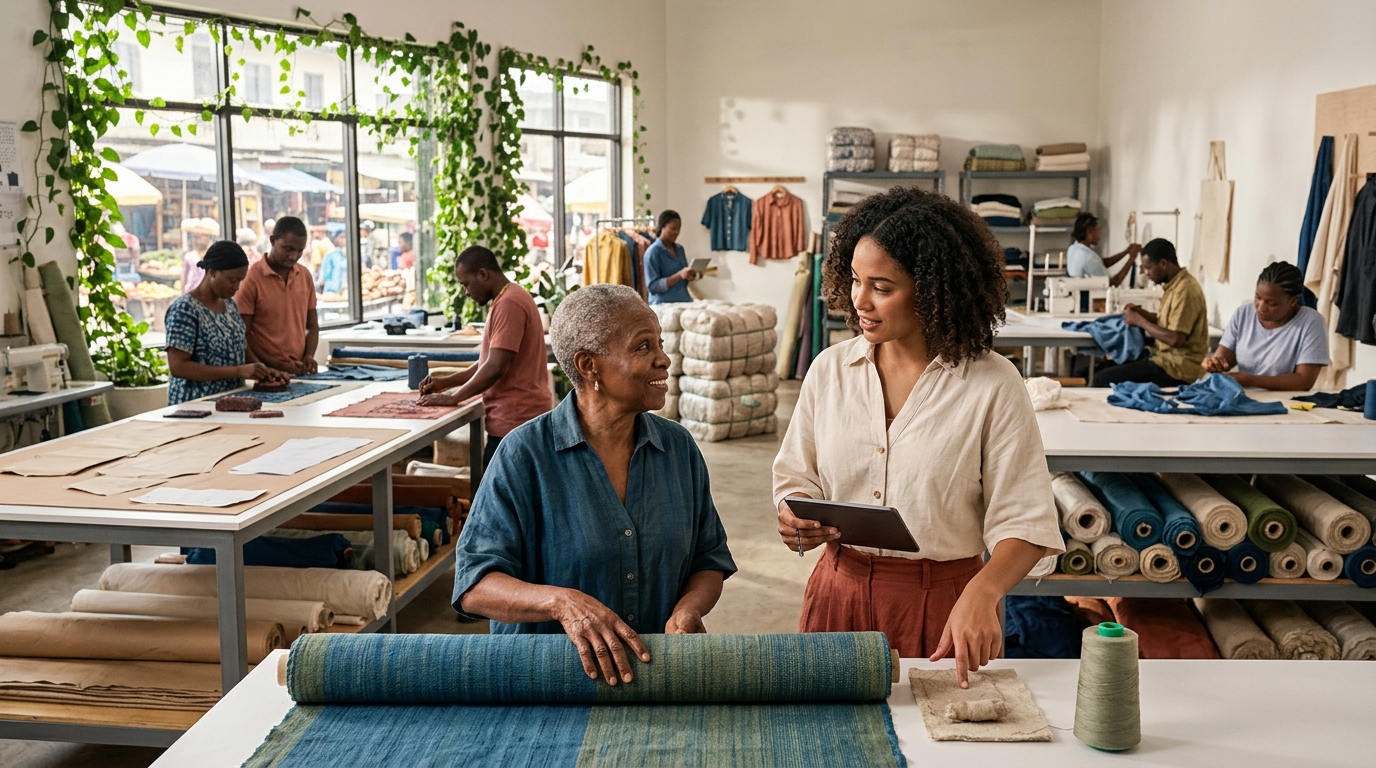
Global Sustainable Fashion Brands Changing the Industry
More than a trend, sustainable fashion is a global movement. Explore the innovative sustainable fashion brands leading the charge, from Patagonia's activism to Veja's transparent supply chains.
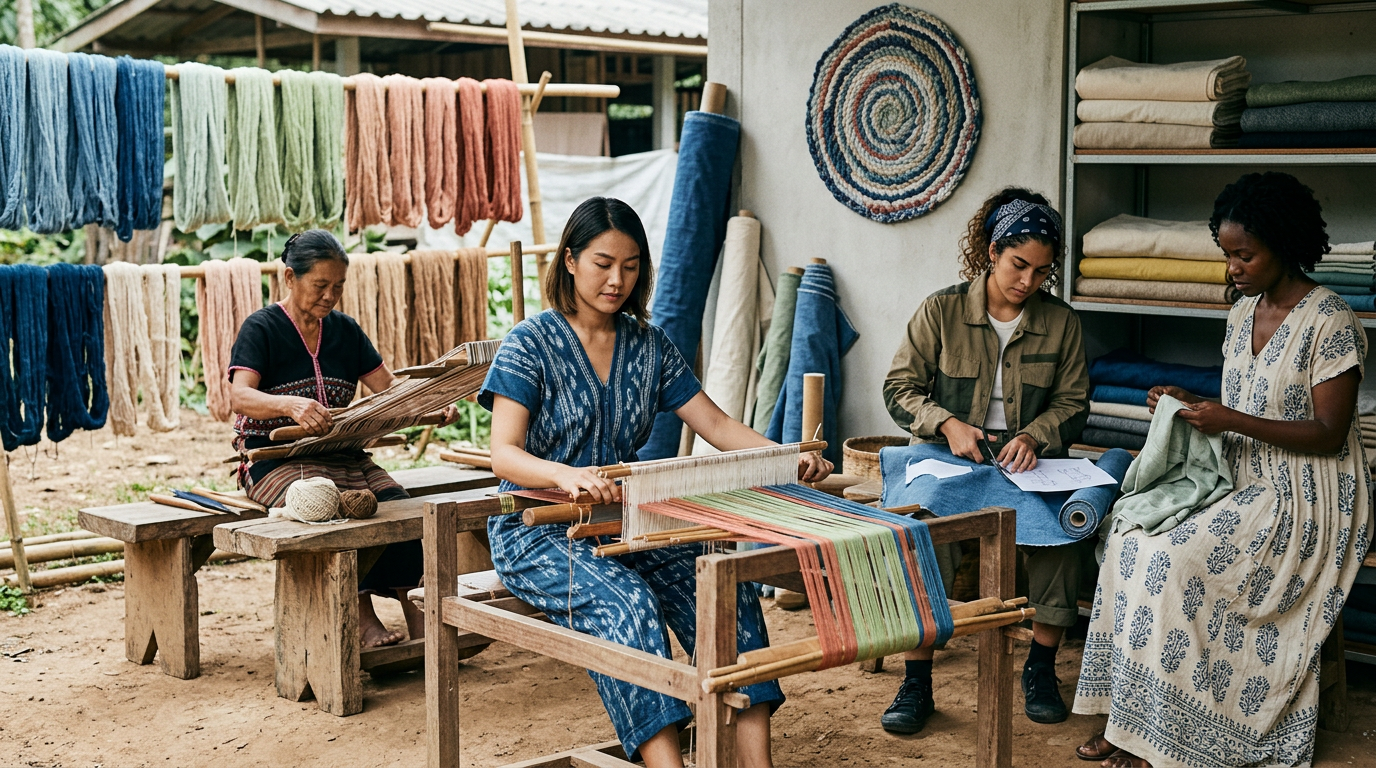
Sustainable Fashion Brands Making a Global Difference
Tired of fast fashion? We spotlight the innovative and ethical sustainable fashion brands from around the world that are reshaping the industry for the better.
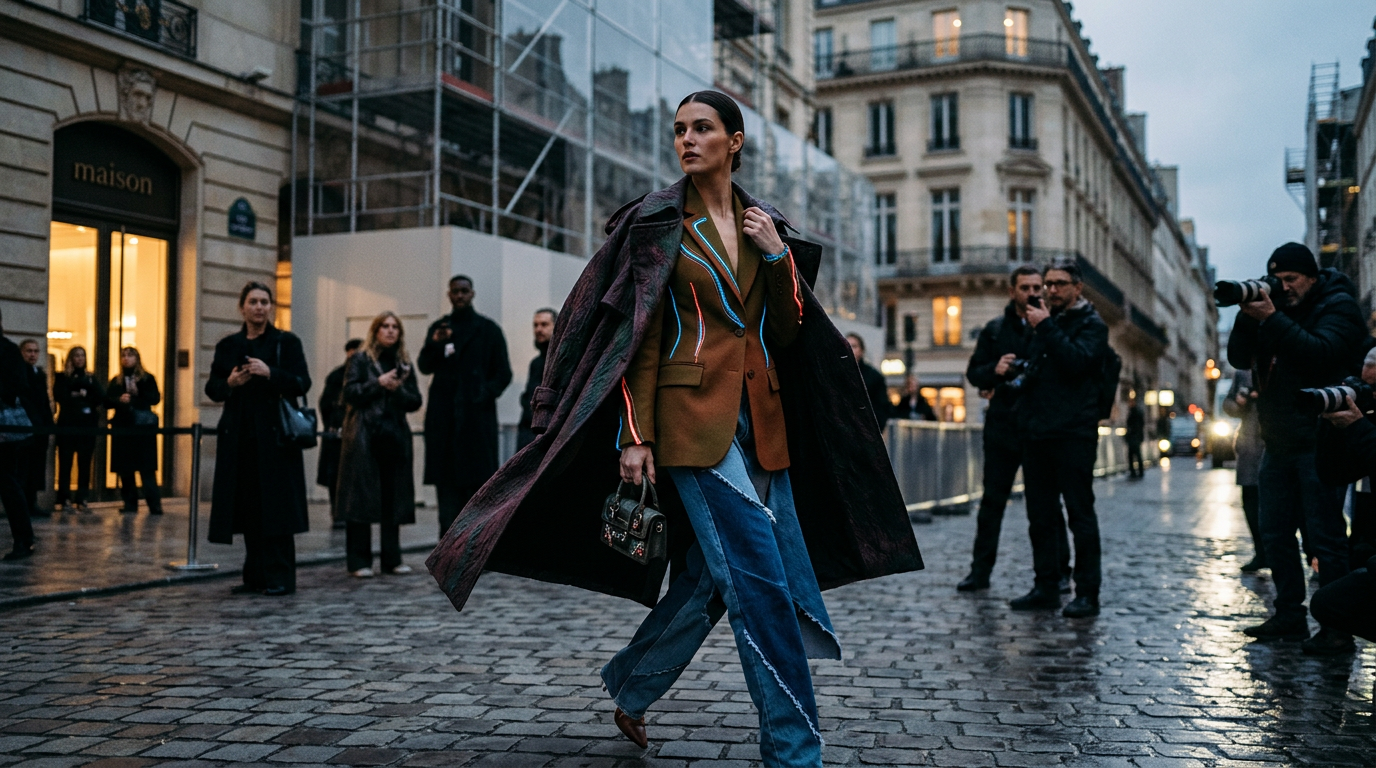
Paris Fashion Week 2025 Key Trends: The Future of Style
The runways of Paris have spoken. From the return of structured elegance to artisanal tech, we’re breaking down the definitive Paris Fashion Week 2025 key trends that will shape wardrobes worldwide.