
The Ultimate Guide to Low Maintenance Indoor Plants for Mumbai Homes
Transform your Mumbai apartment into a green oasis. Discover the toughest, most forgiving low maintenance indoor plants that can handle a Mumbaikar's busy life and our city's unique climate.
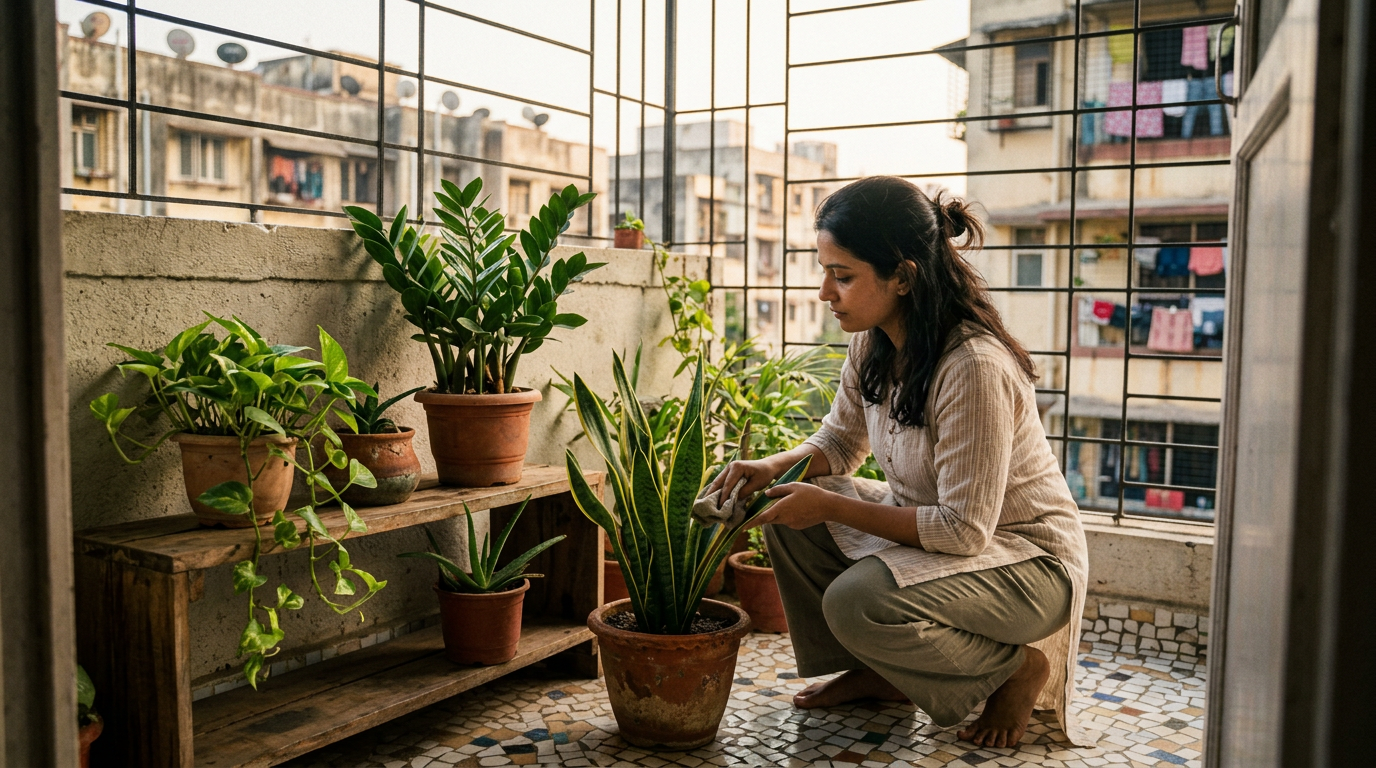
Why Your Mumbai Flat Needs Greenery (That Won't Die on You)
Living in Mumbai is an experience. We navigate crowded local trains, work long hours, and pay a premium for every square foot of our homes. In this concrete jungle, from the high-rises of Powai to the cozy apartments of Dadar, finding a slice of nature can feel like a luxury. But it doesn’t have to be. Bringing plants indoors is more than just a decor trend; it's a way to improve air quality, boost your mood, and make your space feel more like a sanctuary. The problem? The typical Mumbaikar lifestyle isn’t exactly conducive to being a helicopter plant parent. Between long commutes, weekend getaways to Lonavala, and the sheer lack of space, who has the time for fussy foliage? That’s precisely why the demand for low maintenance indoor plants has skyrocketed across the Mumbai Metropolitan Region. These are the plants that forgive you if you forget to water them, don’t throw a tantrum if the sunlight isn’t perfect, and generally thrive on a bit of healthy neglect. They understand your busy schedule. They are, in essence, the perfect roommates for your Mumbai home, asking for very little but giving back so much in return—cleaner air, a touch of serenity, and that satisfying feeling of keeping something green alive against all odds.
The Top 5 Indestructibles: Your Mumbai Starter Pack
Ready to start your indoor garden but terrified of immediate failure? Don't be. Begin your journey with these five incredibly resilient plants. They are tried, tested, and Mumbaikar-approved. You'll see them thriving in homes from Andheri to Kharghar for good reason. They are the definition of 'set it and forget it' greenery.
1. Snake Plant (Sansevieria trifasciata)
Often called 'Mother-in-Law's Tongue,' this plant is virtually indestructible. Its stiff, upright leaves look modern and chic, fitting perfectly in a compact 1BHK in Borivali or as a statement piece in a larger Bandra living room. Snake plants are renowned for their air-purifying qualities, filtering out formaldehyde and benzene. More importantly, they tolerate an astonishing range of conditions. Low light? No problem. Forgot to water it for three weeks? It probably didn't even notice. They are the ideal plant for beginners and frequent travelers.
2. ZZ Plant (Zamioculcas zamiifolia)
If you can kill a ZZ plant, you might have a special talent. With its wide, dark green, waxy leaves, the ZZ plant looks perpetually healthy and polished. It's a slow grower that thrives on neglect. Its underground rhizomes store water, making it extremely drought-tolerant. This is the plant for that corner of your apartment that gets almost no natural light. It will sit there, looking fabulous, asking for a drink only once a month or even less during the monsoon. It's the perfect green companion for a busy professional in the BKC.
3. Money Plant (Epipremnum aureum)
No Mumbai home feels complete without a Money Plant trailing from a high shelf or climbing up a wall. It’s a nostalgic classic, but also a powerhouse of resilience. Believed to bring good luck and prosperity according to Vastu, its practical benefit is its sheer willingness to live. You can grow it in soil or just a bottle of water. It thrives in the bright, indirect light common in most city apartments and will even tell you when it’s thirsty with a slight droop. It's forgiving, fast-growing, and incredibly easy to propagate—just snip a cutting and place it in water.
4. Spider Plant (Chlorophytum comosum)
Perfect for renters and those short on floor space, the Spider Plant is happiest in a hanging basket. Its arching leaves create a beautiful, fountain-like effect, and it produces little 'spiderettes' (baby plants) that you can easily pot to create new plants for free! They are non-toxic to pets, making them a great choice for families with furry friends in Thane or Vashi. They prefer bright, indirect light but are quite adaptable and can handle lower light conditions too. They help purify the air and add a playful, retro vibe to any space.
5. Peace Lily (Spathiphyllum)
For those who want a low-maintenance plant that also flowers, the Peace Lily is the answer. Its elegant white spathes look stunning against its glossy, dark green leaves. The best part? It's a great communicator. When it's thirsty, its leaves will droop dramatically, leaving no room for guesswork. Give it a good drink, and it will perk right back up within hours. It loves the high humidity of Mumbai's climate and prefers low to medium indirect light, making it ideal for brightening up a dim corner.
Beating the Mumbai Climate: Humidity & Light Explained
Mumbai's unique climate presents both opportunities and challenges for indoor gardeners. Understanding how to work with our city's signature humidity and variable light is the key to a thriving indoor jungle. Forget generic advice from other countries; this is about what works in our coastal city.
Embrace the Humidity
For most of the year, and especially during the monsoon from June to September, Mumbai's air is thick with moisture. While this can be a nightmare for our hair and clothes, it's a dream come true for many tropical indoor plants. Species like Monsteras, Philodendrons, Calatheas, and Ferns originate from rainforest floors and absolutely love the high humidity. It means you have to mist them less often, and they are less prone to crispy brown leaf tips. The air in your flat in Chembur or Ghatkopar is already doing half the work for you! The challenge comes during the dry winter months (December to February) when you might notice some plants needing a little extra help. A simple pebble tray filled with water placed under the pot can create a micro-environment of humidity to keep them happy.
Navigating Light in a Concrete Jungle
Finding the right light in a city of tightly packed buildings can be tricky. Your west-facing sea-view apartment in Juhu might get scorching direct afternoon sun, while a ground-floor flat in a Parel society could be in shadow for most of the day.
Here’s how to assess your light:
- Observe the Sun: Spend a day noting how the light moves through your rooms. Where does direct sun hit and for how long? Where do you have bright but indirect light?
- West-Facing Windows: These get intense afternoon sun. It’s perfect for sun-lovers like succulents or a hardy Rubber Plant, but it will scorch delicate plants like Calatheas. Consider a sheer curtain to filter the light.
- East-Facing Windows: Often considered the 'sweet spot', offering gentle morning sun that most plants love.
- North-Facing Windows: Provides the least amount of light, but it's consistent. Perfect for low-light champions like the ZZ Plant and Snake Plant.
- South-Facing Windows: In Mumbai, these get strong, bright light for most of the day, ideal for a wide variety of plants.
Don't be afraid to move your plants around. See which spot they like best. A plant that was struggling near one window might suddenly thrive a few feet away.
Where to Find Your Green Companions in Mumbai & Navi Mumbai
Once you've decided which plants you want, the fun part begins: shopping! The city and its sprawling suburbs have a fantastic range of options, from traditional nurseries to modern online stores.
Traditional Nurseries & Street Markets
- Dadar Flower Market (Phool Gully): While famous for cut flowers, the area under and around the flyover is a treasure trove for plants. You can find a huge variety at wholesale prices if you're willing to brave the crowds and bargain a bit. It’s a true Mumbai experience.
- Bandra & Juhu Street Sellers: Along roads like Linking Road in Bandra or near Juhu Circle, you'll often find carts and makeshift stalls selling a curated selection of popular indoor plants. Prices might be slightly higher, but the convenience is unmatched.
- Thane & Navi Mumbai Nurseries: Areas like Thane West (near Vriksha Nursery) and Vashi (near the station and along Palm Beach Road) have large, dedicated nurseries like GreenLands Nursery. These spots offer a wider selection, including larger plants and a variety of pots and soil mixes. You can expect to pay anywhere from ₹250 for a small Snake Plant to ₹1500+ for a medium-sized Monstera.
Online Plant Delivery
For those who prefer to shop from the comfort of their home in Belapur or Panvel, online plant stores have become incredibly reliable. Websites like Ugaoo, NurseryLive, and The Sill deliver right to your doorstep, often with detailed care instructions. The plants arrive well-packaged, and it’s a great option for finding specific or rare varieties that might not be available at your local vendor. It's a modern solution for a modern Mumbaikar. You can explore a vast catalogue and get everything you need, from the plant itself to the pot and soil, delivered in one go. [INTERNAL_LINK: best online services in mumbai]
Potting and Soil: The Foundation for Success
You’ve brought your new green friend home. Now what? Providing the right home—a suitable pot and the correct soil mix—is crucial for its long-term health, especially given Mumbai's challenging monsoon season. Getting this right from the start prevents a host of common problems down the line.
Choosing the Right Pot
The single most important feature of any pot is drainage. Ensure any pot you buy has at least one hole at the bottom. Without it, water will collect and rot the plant's roots, a common issue in our humid climate. Here’s a quick breakdown of pot types:
- Terracotta (Clay) Pots: These are porous, allowing air and water to move through the sides. This helps the soil dry out faster, making them an excellent choice for Mumbai's wet months. They are perfect for succulents, snake plants, and anyone who tends to overwater. You can find beautiful, affordable ones at Crawford Market or local Kumbharwadas (potter colonies).
- Ceramic & Plastic Pots: These are non-porous and retain moisture longer. They are great for moisture-loving plants like ferns or Peace Lilies. Just be extra careful not to overwater, especially during the monsoon.
The Perfect Mumbai Soil Mix
"Don't just use the red mud (laal mitti) the mali gives you. For indoor plants in Mumbai, that soil becomes like a rock when dry and a swamp when wet. You need to create a lighter, breathing mix. That's the secret!"
That advice, from a nursery owner in Thane, is golden. Standard garden soil is too dense for indoor pots in our city. It compacts easily and holds too much water during humid spells. A good, all-purpose indoor potting mix should be light and airy. You can buy pre-made mixes online, or create your own superior blend:
- 1 Part Potting Soil: The base of your mix.
- 1 Part Cocopeat (Koir): Made from coconut husks, it's fantastic at retaining some moisture while keeping the mix light. It’s readily available and sustainable.
- 1 Part Perlite or Pumice: These lightweight volcanic rocks create air pockets in the soil, promoting drainage and preventing root rot. This is non-negotiable for a healthy Mumbai indoor plant.
This mix provides the perfect balance of moisture retention and drainage to handle everything from a dry winter to a soaking wet July.
Watering Wisdom: A Mumbaikar's Guide
The number one killer of low-maintenance indoor plants isn't neglect—it's too much love in the form of overwatering. Learning when and how to water is the most critical skill you can develop as a plant parent in Mumbai, where the weather's demands change dramatically through the year.
The Only Rule You Need: The Finger Dip Test
Forget watering on a strict schedule like 'every Sunday.' Your plant's needs change with the light, humidity, and temperature. The most reliable way to check if it's time to water is to stick your index finger about two inches into the soil. If the soil feels dry at that depth, it's time to water. If it feels moist, wait a few more days and check again. This simple technique prevents overwatering and helps you get in tune with your plant's actual needs.
Adjusting for Mumbai's Seasons
- Summer (March - May): The heat is intense, and plants will be at their thirstiest. You'll likely be watering more frequently, perhaps once a week or even more for smaller pots in sunny spots.
- Monsoon (June - September): This is where people go wrong. The air is saturated with humidity, and there's less direct sunlight. Plants' water needs decrease dramatically. The soil will stay moist for much longer. You might only need to water once every two to three weeks. Always use the finger dip test!
- Winter (November - February): The air is drier, but the temperatures are cooler, and plant growth slows down. Water needs are moderate, somewhere between summer and monsoon levels.
When you do water, water thoroughly until it runs out of the drainage hole. This ensures the entire root ball gets a drink and flushes out any salt buildup from the soil. Use room temperature water; the BMC tap water is generally fine, but letting it sit out for a few hours can help dissipate some of the chlorine.
Conclusion: Your Green Journey Starts Now
Adding a touch of green to your Mumbai home shouldn't be intimidating. By choosing the right low maintenance indoor plants, you can easily transform your apartment into a more vibrant, calming, and healthy space without adding another chore to your already packed schedule. Start with one or two 'indestructibles' like a Snake Plant or a ZZ Plant from a local nursery in Vashi or Dadar. Pay attention to the simple principles of light and watering adjusted for our city's climate. You’ll be surprised at how rewarding it is to watch something thrive under your care amidst the urban chaos. This isn't about creating a perfect, catalogue-worthy indoor jungle overnight; it's about starting a small, sustainable connection with nature right where you live. What's the first plant you're going to bring into your home? Let us know in the comments below!
Keep reading
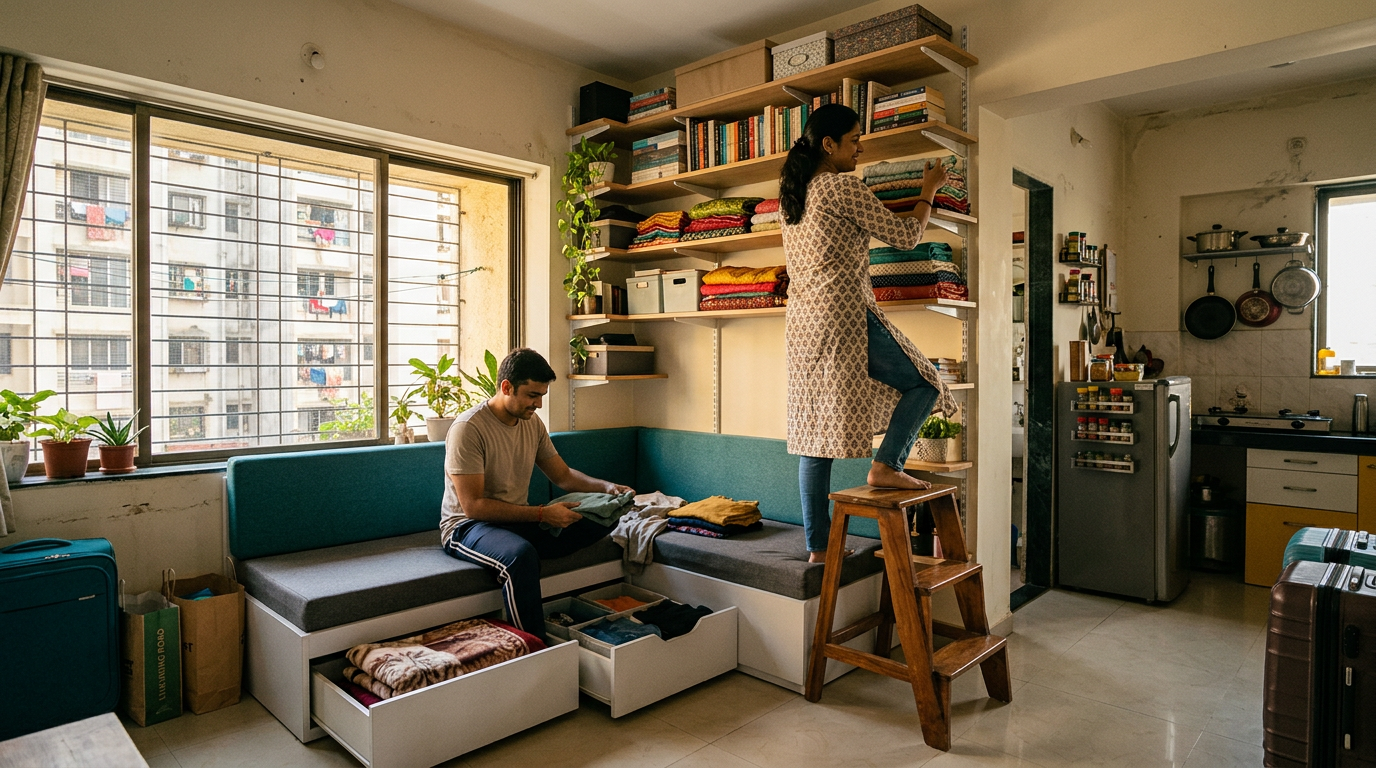
Smart Small Apartment Storage Ideas for Mumbai Homes
Struggling with space in your Mumbai apartment? Our guide offers practical and stylish small apartment storage ideas, from vertical solutions to multipurpose furniture, perfect for any 1BHK.
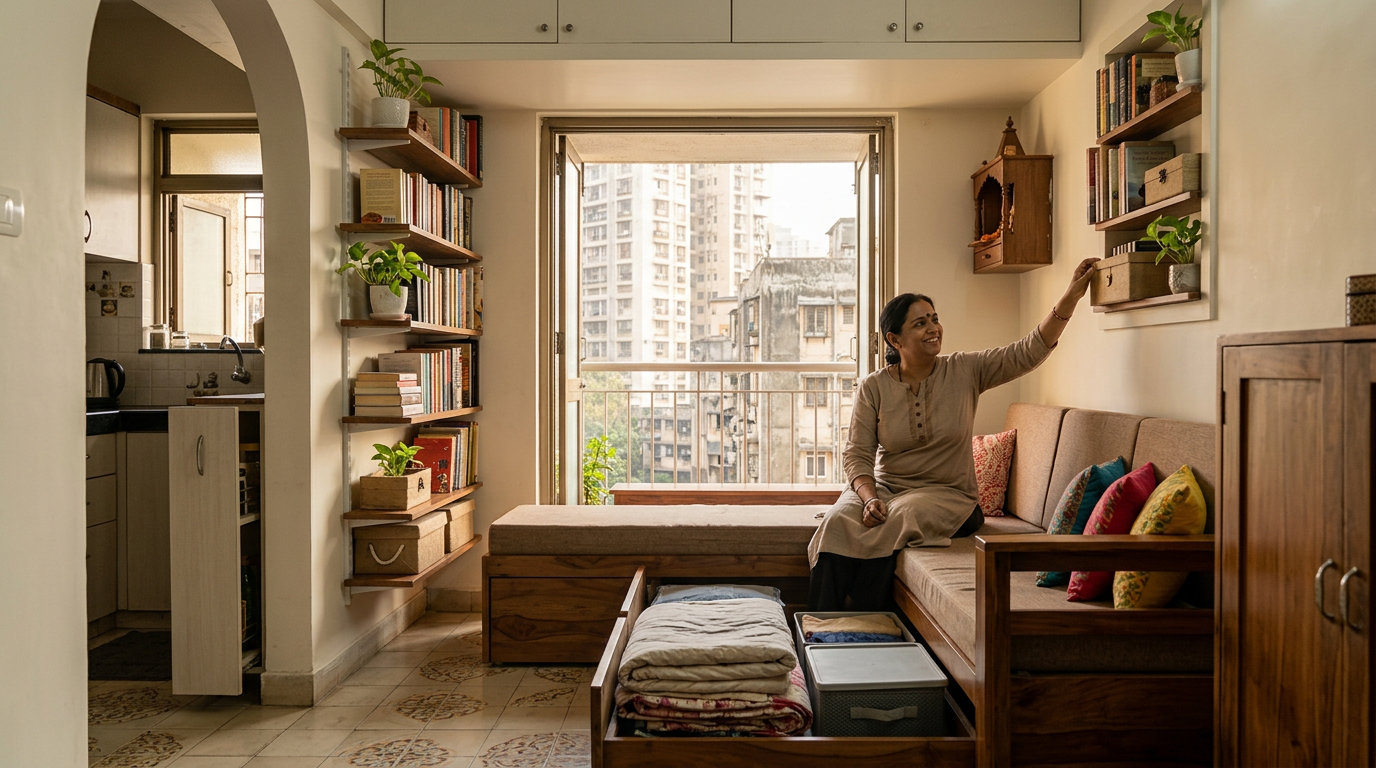
Smart Storage Ideas for Small Mumbai Apartments
Living in the Mumbai Metropolitan Region means getting creative with space. Our guide offers ingenious small apartment storage ideas to help you declutter and maximize every square foot of your home.
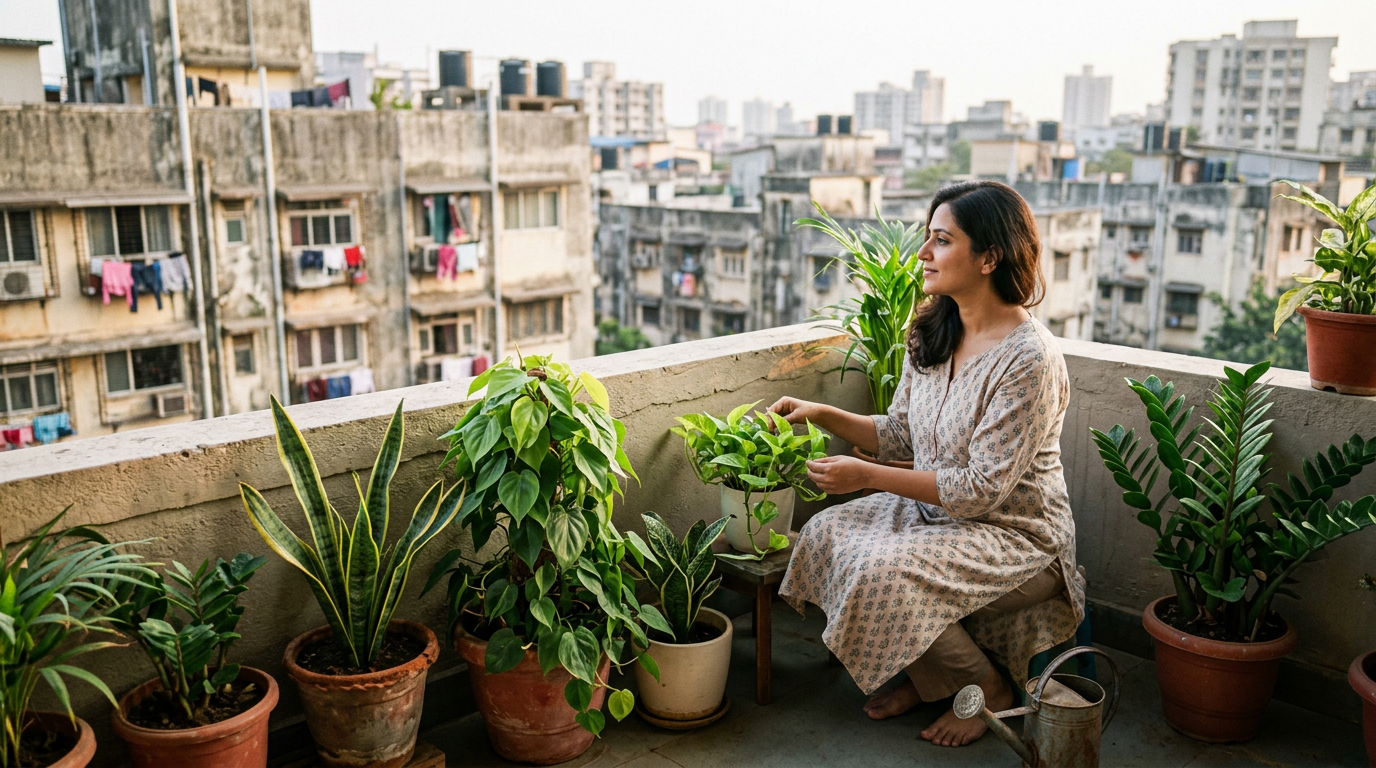
The Best Low Maintenance Indoor Plants for Your Mumbai Home
Want to add greenery to your Mumbai flat without the hassle? We’ve curated a list of the toughest, most beautiful low maintenance indoor plants perfect for busy Mumbaikars.