Paris Fashion Week 2025 Key Trends: The Global Style Report
The runways have spoken. Explore our definitive guide to the Paris Fashion Week 2025 key trends, where global craftsmanship meets futuristic vision and sustainability takes center stage.
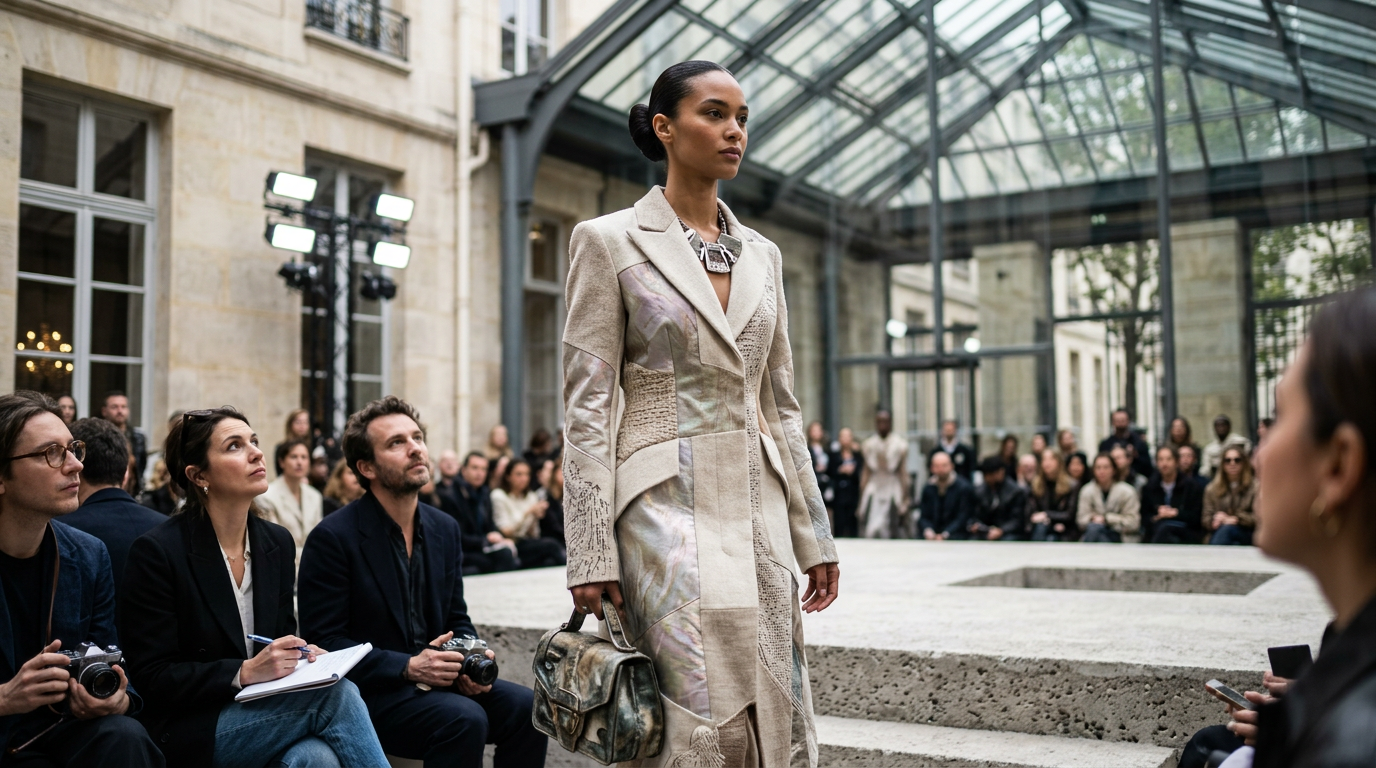
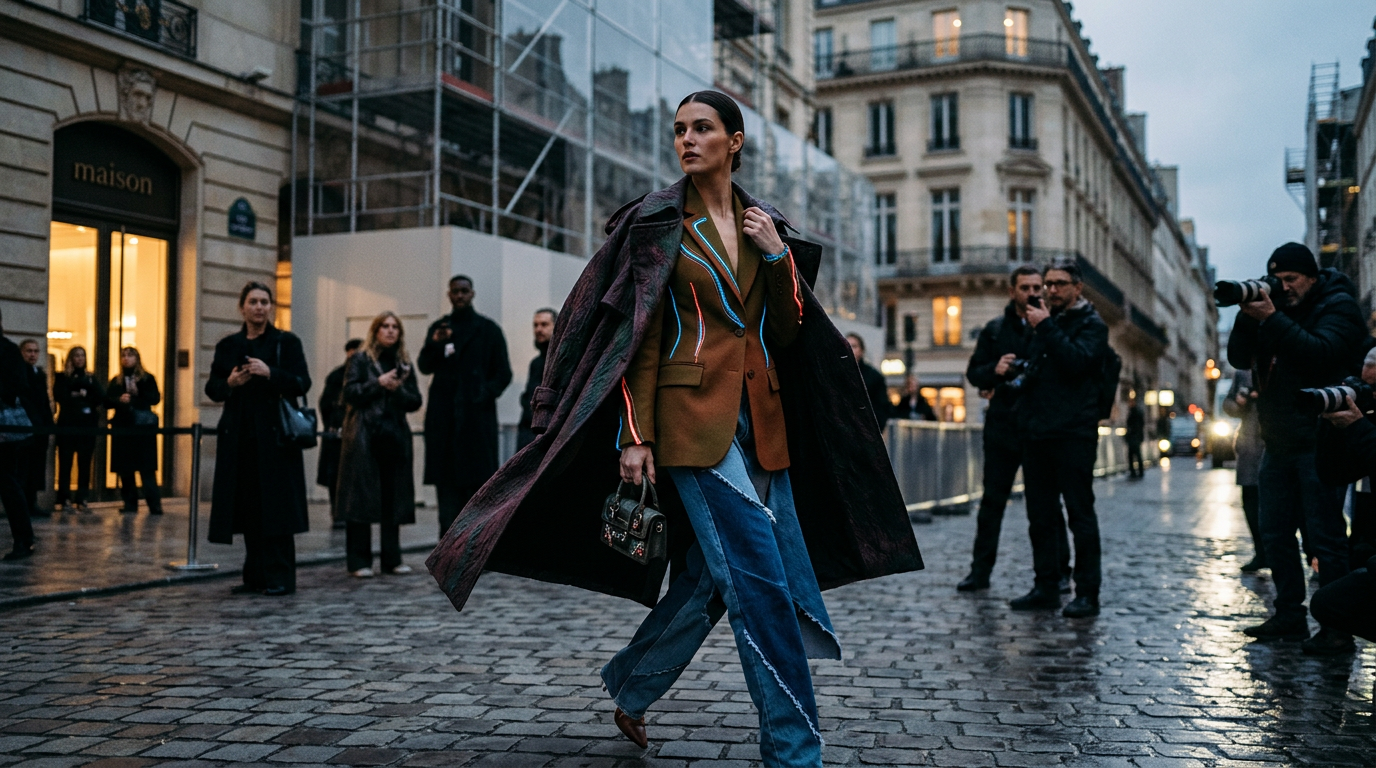
Paris Fashion Week always serves as the grand finale to a whirlwind month of style, but this season felt different. Beyond the magnificent displays in historic venues, a powerful new narrative emerged. The Paris Fashion Week 2025 key trends are not just about a new hemline or a trending color; they signal a deep, industry-wide conversation about culture, technology, and responsibility. We saw a beautiful collision of ideas, where centuries-old craftsmanship from across the globe met with boundary-pushing technology, and where opulent design was thoughtfully balanced with a profound respect for our planet. It’s a vision of fashion that is more thoughtful, more diverse, and infinitely more interesting.
The New Minimalism: Structure Over Statement
For several seasons, "quiet luxury" dominated the conversation, championing understated elegance through neutral palettes and logo-free designs. For 2025, this trend has matured into something more architectural and intellectually rigorous. It’s less about being quietly wealthy and more about being quietly confident in the power of pure form. The focus has shifted from luxurious fabrics alone to the masterful construction of the garment itself. We saw this in the razor-sharp tailoring at legacy houses, where blazers were cut with an almost geometric precision, their lines clean and uncompromising. The shoulders were strong but not overtly padded, creating a silhouette that empowers without shouting.
This evolution draws inspiration from a global pool of minimalist philosophies. You can see the influence of Japanese design principles, particularly the appreciation for negative space (ma) and structural simplicity found in the work of masters like Yohji Yamamoto. There’s also a nod to Scandinavian functionalism, where beauty is inherent in an object's utility and form. The result is a wardrobe of beautifully crafted essentials: the perfect trench coat, a flawlessly draped silk blouse, trousers that fall just so. It’s a style that asks the wearer to appreciate the artistry of the cut and the quality of the material, proving that true luxury is not what you show, but what you understand. This is a long-term investment in style, far from the fleeting nature of micro-trends. Discover more about building a timeless wardrobe with our guide to [INTERNAL_LINK: capsule wardrobe essentials].
Hyper-Texturality: A Feast for the Senses
In direct contrast to the smooth surfaces of the new minimalism, another powerful trend emerged: a profound celebration of texture. Designers invited us to experience fashion not just with our eyes, but with our hands. The runways were a tactile playground, rich with materials that begged to be touched. We saw exaggerated, chunky knits that looked like wearable sculptures, reminiscent of the intricate Aran sweaters from Ireland but scaled up to dramatic proportions. Plush, deep-pile velvets and soft chenilles appeared on everything from evening gowns to day suits, absorbing the light and providing a sense of comforting luxury.
From Traditional Weaves to Tech Fabrics
The exploration of texture was a global affair. We saw designers drawing inspiration from traditional craft techniques worldwide. Fringes, swishing with every movement, evoked the dynamism of flapper dresses but also the intricate detailing of Moroccan Berber rugs. Woven fabrics, inspired by the techniques used to create Colombian mochila bags, were transformed into structured jackets and totes. On the other end of the spectrum, high-tech, bonded fabrics created smooth, almost futuristic surfaces that contrasted beautifully with these more organic materials. One standout collection married rough, unprocessed linen with sleek, neoprene-like panels, creating a fascinating dialogue between the past and the future of textiles. This trend confirms that in an increasingly digital world, there is a deep human craving for physical sensation and the authenticity of craft.
Eco-Conscious Couture: The Rise of Reclaimed and Bio-Fabrics
Sustainability is no longer a niche category; it's a central pillar of modern luxury, and Paris was a testament to this shift. The most forward-thinking designers are now positioning themselves as material scientists as much as artists. The conversation has moved beyond organic cotton to a fascinating new world of bio-innovations and circular design. Upcycling and the use of deadstock (leftover fabrics from previous collections) were prominent, with brands skillfully transforming forgotten textiles into new, desirable pieces. This approach was particularly evident among rising independent designers, who are building their entire brand ethos around resourcefulness and waste reduction.
The real excitement lay in the new generation of materials making their runway debuts. These fabrics are not just less harmful; they are actively innovative and beautiful in their own right. Some of the most talked-about innovations included:
- Mushroom Leather: Derived from mycelium, the root structure of fungi, this material offers a soft, durable, and biodegradable alternative to animal leather.
- Algae-Based Sequins: Traditional plastic sequins are an environmental nightmare. The new alternative is shimmering, biodegradable sequins made from algae, which capture carbon as they grow.
- Fruit and Plant Fibers: We saw luxurious fabrics woven from surprising sources, including orange and pineapple fibers, creating textiles with a unique sheen and texture.
- Lab-Grown Silks: Bio-engineers are now able to replicate the properties of spider silk, one of the strongest and most elastic materials in nature, without harming any spiders.
Digital Weaving and The AI Artisan
The influence of technology went far beyond e-commerce, embedding itself into the creative process itself. Paris showcased a burgeoning relationship between human designers and artificial intelligence, resulting in patterns and forms that would be nearly impossible to conceive by hand alone. Several collections featured intricate, kaleidoscopic prints that were generated by AI algorithms, fed with prompts ranging from 17th-century botanical drawings to satellite images of Earth. The AI's ability to process and recombine visual information on a massive scale created a truly novel aesthetic—complex, yet harmonious.
"We are moving from designers who sketch to designers who code algorithms. The 'hand' of the artisan is now a digital signature, a unique set of data that creates something impossibly intricate yet perfectly reproducible. It's the ghost in the machine, but it's weaving silk."
— Élise Dubois, Digital Fashion Analyst
Beyond prints, 3D printing continued its march from the accessories department into ready-to-wear. We saw structured bodices and architectural peplums that were 3D printed from flexible, lightweight polymers, offering a glimpse into a future of custom-fit, on-demand garment creation. These pieces often had a lattice-like structure that was both strong and delicate, a testament to the precision of the technology. This fusion of code and couture challenges our traditional notions of craftsmanship. It suggests that the artisan of the future may be as skilled with a keyboard as they are with a needle and thread, ushering in a new era of tech-infused creativity.
Global Archives Reimagined: The Power of Heritage
One of the most inspiring trends was seeing designers look to their own unique cultural heritages as a source of profound innovation. This was not about costume or literal appropriation. Instead, it was a deeply personal and respectful process of translation, taking historical motifs, techniques, and stories and reimagining them for a contemporary global audience. A British designer with Nigerian roots might take the patterns of traditional Adire cloth and apply them to a sharply tailored trench coat. A French-Vietnamese creative director could be inspired by the Ao Dai silhouette, deconstructing its elegant lines into a modern two-piece suit. This trend is a powerful counterpoint to the homogeneity that can sometimes pervade global fashion.
This process of cultural reimagination often follows a few key steps:
- Deep Research: Designers are acting as historians and anthropologists, delving into museum archives, studying family heirlooms, and collaborating with local artisans to understand the authentic context of a craft.
- Thoughtful Deconstruction: They identify a core element—a specific embroidery stitch from Eastern Europe, a geometric pattern from Islamic art, a weaving technique from the Andes—and isolate it from its traditional context.
- Modern Reapplication: This isolated element is then applied to a completely modern silhouette. The juxtaposition of ancient craft with a contemporary form, like a bomber jacket or cargo pants, creates something entirely new and exciting.
The "Fluid Form": Genderless Silhouettes Take Hold
The conversation around gender in fashion has evolved significantly. Having moved past the simplistic idea of "unisex" (which often just meant men's clothes for women), designers in Paris are now embracing a truly "fluid" approach to form. This trend is not about erasing gender but about creating garments that honor the human body in all its diversity, free from the rigid constraints of traditional menswear and womenswear. The focus is on drape, volume, and inventive construction that can adapt to different body types. We saw beautiful, flowing trousers with adjustable waistbands, jackets with clever button placements that change the silhouette entirely, and elegant tunics that drape differently on a masculine or feminine frame.
Key proponents of this movement, drawing on a legacy from Belgian and Japanese deconstructionists, are finding new ways to challenge the status quo. Tailoring was a key area of exploration. Blazers featured asymmetrical closures, lapels that could be worn in multiple ways, or were cut with a subtle softness that removed any hint of corporate rigidity. This is fashion as a tool for self-expression, allowing the wearer to decide how the garment should be perceived. It reflects a broader societal shift towards individuality and the rejection of outdated binaries. See how this trend plays out on the streets in our [INTERNAL_LINK: best of Paris street style] report.
Saturated Serotonin: A Bold Rejection of Muted Tones
While minimalism held its ground, the runways also erupted with a joyous and defiant use of color. After seasons of beiges and greys, designers unleashed a wave of rich, saturated hues that felt like a shot of pure optimism. This wasn't just about adding a pop of color; entire head-to-toe looks were drenched in single, vibrant shades. A brilliant cobalt blue, echoing the famous Jardin Majorelle in Morocco, was a standout, appearing on everything from silk evening dresses to leather coats. Fiery, persimmon orange brought a warm, energetic glow, while a deep emerald green felt both luxurious and grounding.
This embrace of bold color is a global phenomenon. It taps into the vibrant visual languages of cultures around the world—from the brilliant powders of the Holi festival in India to the kaleidoscopic textiles of Ghana and the celebratory costumes of Brazil's Carnival. On the runway, these colors were used with intention and confidence. A monochromatic look in a single, saturated hue creates a powerful, unbroken line, making the wearer appear taller and more commanding. It's an incredibly simple way to make a major style statement. This trend is a reminder that fashion can and should be joyful, a way to lift our spirits and project confidence out into the world. It’s a vote for visibility and a celebration of life in full color.
The key trends from Paris Fashion Week 2025 paint a picture of a dynamic and evolving industry. It is a future where technology and tradition coexist, where luxury is defined by consciousness and craftsmanship, and where personal and cultural stories are told through the clothes we wear. It’s about building a wardrobe that is not only beautiful but also intelligent, responsible, and uniquely you.
What are your favorite trends from the Paris runways? Are you embracing the new minimalism or diving into a world of saturated color? Share your thoughts in the comments below and continue exploring the new season with our curated collection of [INTERNAL_LINK: designer accessories 2025].
Keep reading
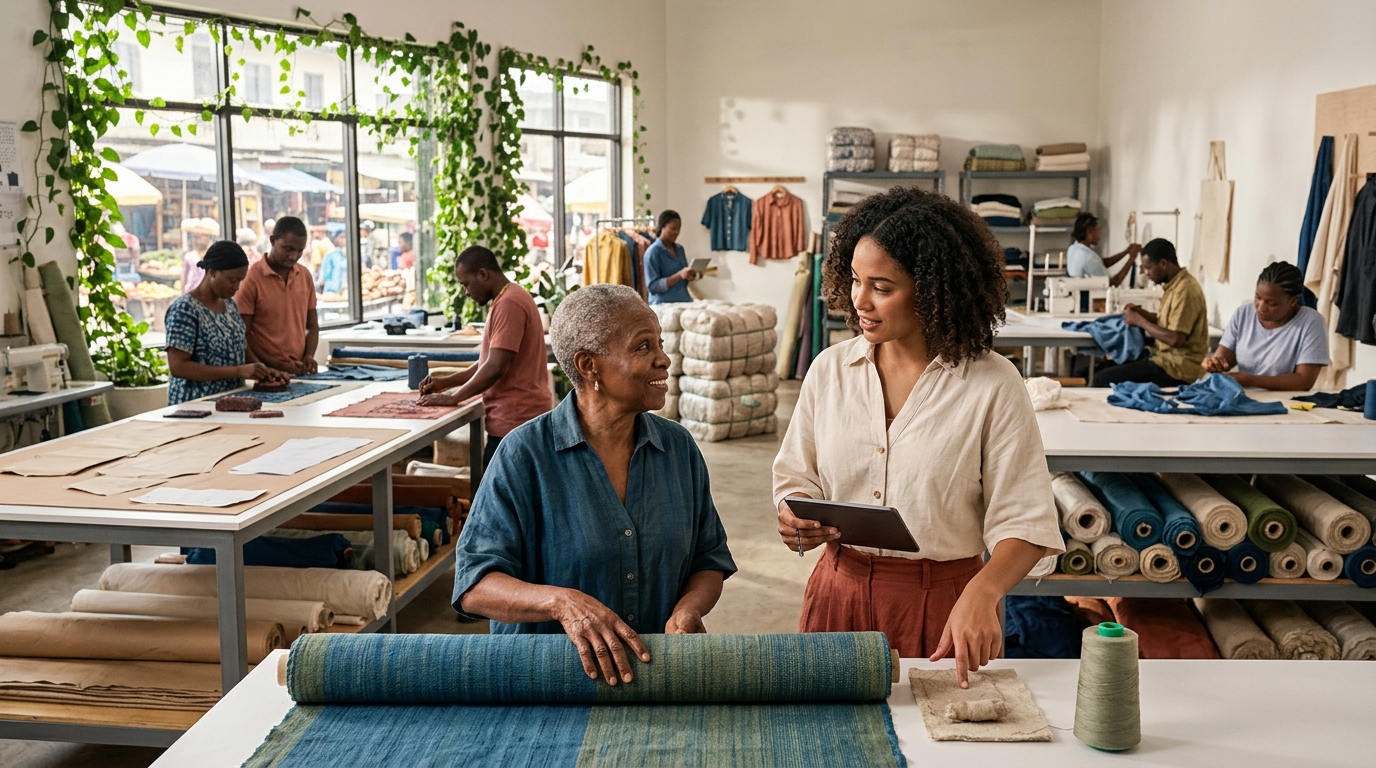
Global Sustainable Fashion Brands Changing the Industry
More than a trend, sustainable fashion is a global movement. Explore the innovative sustainable fashion brands leading the charge, from Patagonia's activism to Veja's transparent supply chains.
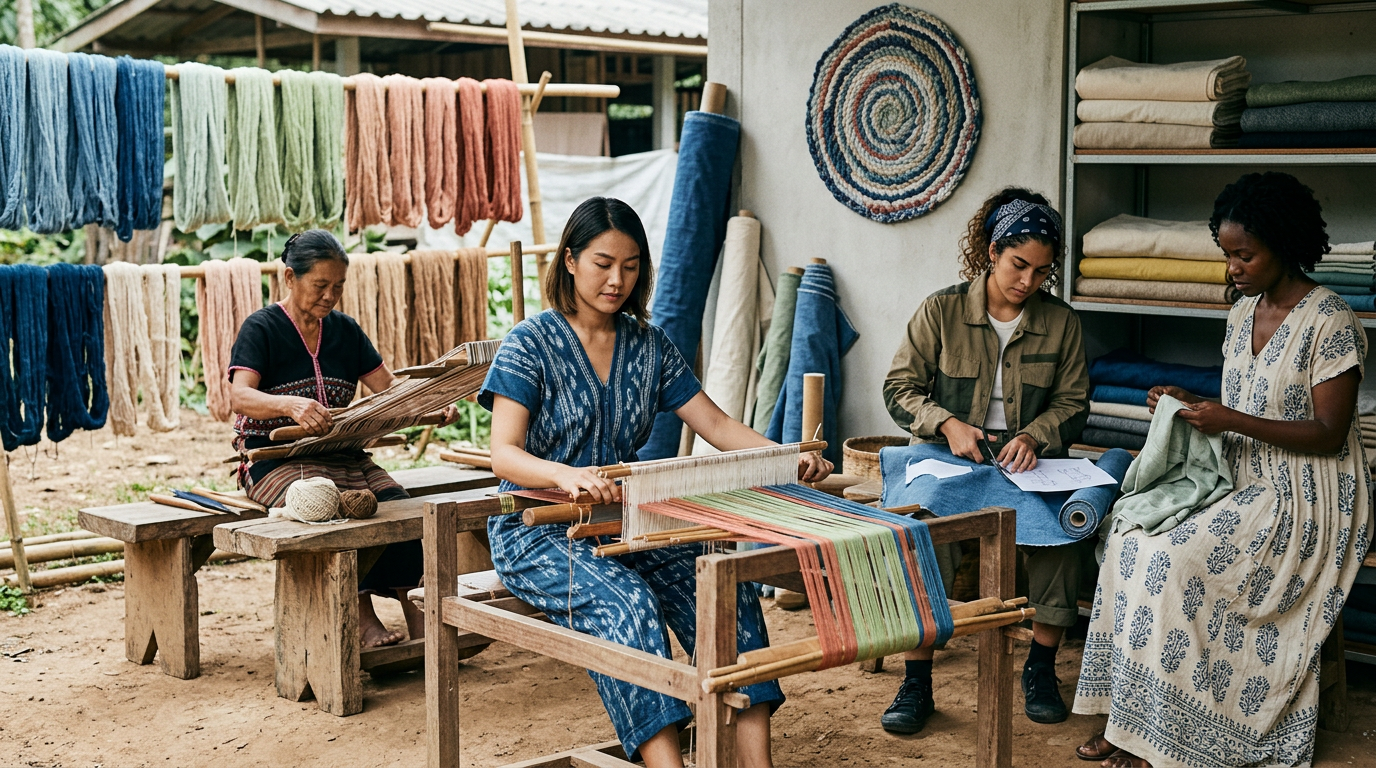
Sustainable Fashion Brands Making a Global Difference
Tired of fast fashion? We spotlight the innovative and ethical sustainable fashion brands from around the world that are reshaping the industry for the better.
Paris Fashion Week 2025 Key Trends: The Future of Style
The runways of Paris have spoken. From the return of structured elegance to artisanal tech, we’re breaking down the definitive Paris Fashion Week 2025 key trends that will shape wardrobes worldwide.