
How to Save Money on Groceries: The Ultimate Mumbai Guide
Feeling the pinch from rising food costs? Our ultimate Mumbai guide reveals practical tips on how to save money on groceries, from mastering wholesale markets to decoding app discounts.
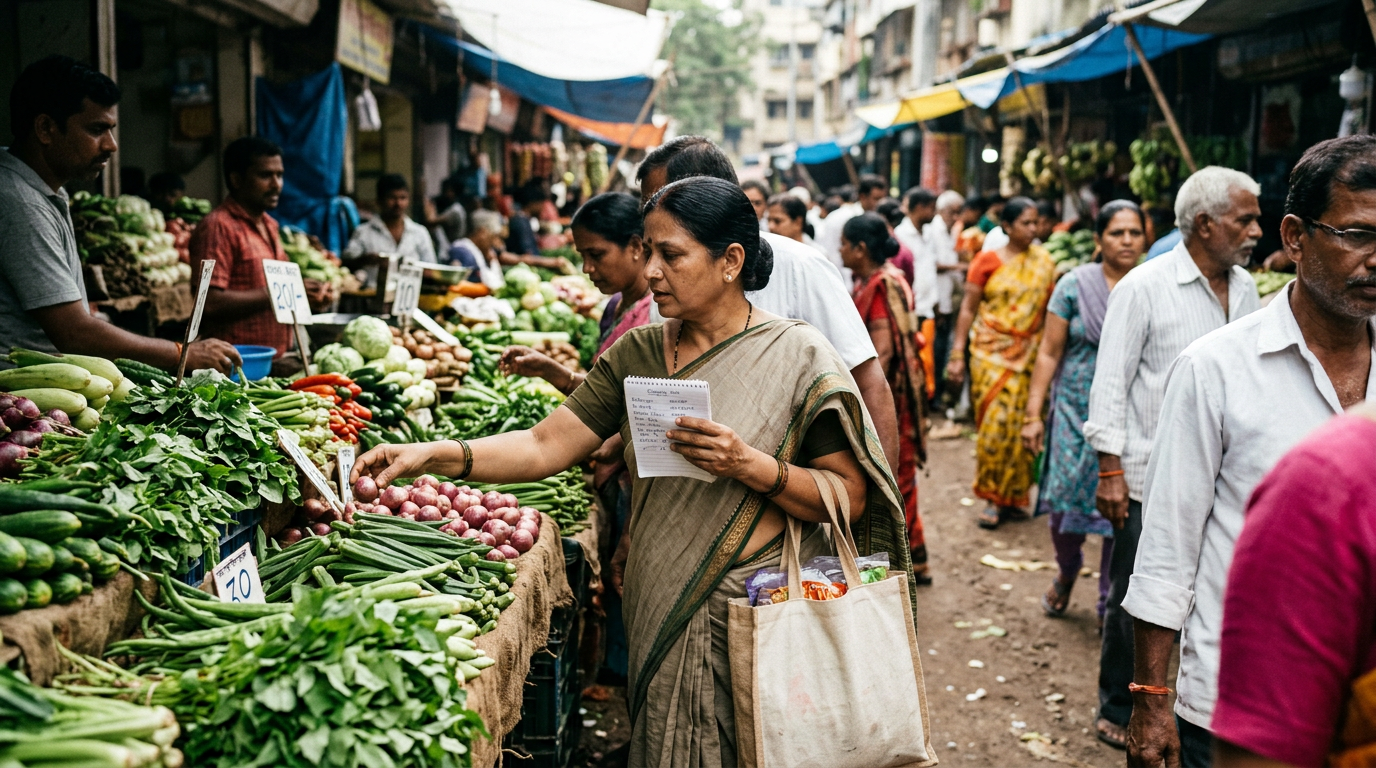
That weekly grocery bill can feel like a bigger shock than the first pre-monsoon humidity wave. One week, your budget is holding strong; the next, a trip to Nature's Basket for some avocados and quinoa has you questioning your life choices. The truth is, figuring out how to save money on groceries is a universal challenge, but in a city like Mumbai, it’s a unique art form. Between the lure of quick-commerce apps and the sheer variety of shopping options, from the gleaming aisles of a Bandra supermarket to the bustling markets of Dadar, a smart strategy is your best defense against overspending.
This isn't about surviving on instant noodles. It’s about being a savvy Mumbaikar who eats well without letting their grocery budget spiral out of control. Let's break down the practical, no-nonsense strategies that work right here in our city.
Master the Art of the List: Your Pre-Shopping Ritual
Before you even think about stepping out of your flat in Andheri or opening a grocery app in Powai, the most significant savings happen right in your kitchen. The absolute foundation of grocery savings is the humble shopping list. Going in blind is a recipe for impulse buys. That attractively packaged gourmet dip? The imported berries on special? They weren't in your plan, and now they're blowing your budget. Start by taking a meticulous inventory. Check your fridge, your freezer, and that small but mighty pantry shelf. What do you actually need? That half-used bottle of soy sauce, a forgotten packet of pasta—account for it all.
Once you have a clear picture, plan your meals for the week. This sounds more daunting than it is. It doesn't have to be a rigid, minute-by-minute schedule. A simple framework like “Monday is dal-rice, Tuesday is a paneer dish, Wednesday is leftover night,” works wonders. This approach transforms your shopping from a random collection of items into a targeted mission. It also drastically reduces the temptation to order in from Swiggy later in the week because you have “nothing to cook.” Your list should be detailed. Instead of “vegetables,” write “onions (1kg), tomatoes (1/2 kg), bhindi (250g).” This precision is your shield against the siren call of the snack aisle. A well-planned list, whether on your phone or a scrap of paper, is the single most powerful tool in your arsenal.
The Great Supermarket vs. Kirana Debate
In Mumbai, your choice of where to shop is vast and can significantly impact your spending. The debate between the sprawling supermarkets like DMart or Star Bazaar and your neighbourhood kirana store is a classic one, with valid points on both sides.
The Case for the Supermarket Chains
Places like DMart, with outlets from Thane to Kharghar, are legendary for their low prices, especially on monthly staples. The business model is built on high volume and low margins, which translates to direct savings for you on items like cooking oil, flour, sugar, pulses, and cleaning supplies. If you're doing a big monthly 'stock-up', have the transport to lug it all back, and the storage space in your apartment, a trip to a supermarket is often unbeatable for packaged goods. Furthermore, they often have their own private-label brands which are significantly cheaper than their mainstream counterparts and are usually of comparable quality. The downside? The sheer variety and deals can lead to buying more than you need, and the vegetable and fruit sections can sometimes be less fresh than more local options.
The Charm of the Local Kirana
Never underestimate the value of your local kirana-wala in Borivali or Chembur. For day-to-day items—a packet of bread, a litre of milk, or the spices you just ran out of—they are convenience personified. While their prices on branded FMCG goods might be slightly higher (MRP, usually), they offer two key advantages. First, you can buy in smaller, more manageable quantities. Need just 100 grams of cashews? No problem. Try doing that at a supermarket. This reduces waste and is easier on the wallet for immediate needs. Second, you build a relationship. Many Mumbaikars still run a 'khata' or tab with their local shop, settling up at the end of the month. This level of trust and personal service is something a hypermarket can't replicate. For fresh items and small-quantity purchases, the kirana often wins.
Embrace the Mandi: Tapping into Wholesale Markets
For the truly committed saver, a visit to a wholesale market is a pilgrimage. This isn't your casual Sunday morning stroll; it's a strategic operation. The most famous, of course, is the APMC Market in Vashi. It's the nerve centre for most of the produce that eventually reaches every corner of the Mumbai Metropolitan Region. Buying here means you're getting fruits and vegetables at prices that are significantly lower—often 30-50% less—than what you'd pay at a retail store. The catch? You generally have to buy in larger quantities (though many sellers do cater to individual buyers, especially on weekends), and the environment is chaotic, to say the least. It's not a place for leisurely browsing.
If Vashi seems too daunting, smaller wholesale markets are scattered across the city. The Dadar West vegetable market, early in the morning, offers fantastic prices. Matunga and Crawford Market also have substantial produce sections where you can get excellent deals if you're willing to haggle and navigate the crowds. The key to successfully shopping at a mandi is to go with a plan. Know the current market rates if possible, take cash, wear sturdy footwear, and consider car-pooling with neighbours from your society in, say, Seawoods or Panvel, to buy in bulk and split the haul. A group trip can make buying a whole crate of tomatoes or a large sack of onions feasible and incredibly economical.
"My neighbour in Belapur and I go to the APMC once a month. We split the cost of a cab, buy staples like onions, potatoes, and seasonal fruits in bulk, and then divide everything. The savings easily cover the transport, and the produce is so much fresher. It's our monthly ritual now."
Decoding Deals and Discounts: From Apps to Loyalty Cards
In our hyper-connected city, saving money on groceries has gone digital. A plethora of apps and online services are vying for your attention, and a smart approach can lead to substantial savings. Quick commerce apps like Blinkit, Zepto, and Swiggy Instamart are magnets for convenience, offering delivery in minutes. While their base prices might sometimes be higher, they are constantly running promotions, flash sales, and bank offers. The trick is to never check out without looking for a coupon code or a specific credit card discount (e.g., "15% off on HDFC Cards"). Use these apps for specific, deal-driven purchases rather than your entire weekly shopping.
For larger, planned orders, platforms like BigBasket and Amazon Fresh are excellent. Their 'subscribe and save' features for recurring items can offer a 5-10% discount, which adds up over time for things you always need, like coffee or diapers. Always compare prices between these platforms before placing a large order. What's on sale on one might be full price on another. Don't forget the loyalty programs of physical stores. The Star Bazaar and Reliance Fresh loyalty cards often give you points that can be redeemed for discounts on future purchases. Being a member can also grant you access to exclusive 'member-only' prices. The key is to consolidate your shopping where possible to maximize points. It requires a little management, but the payoff can be a few hundred rupees off your bill each month.
Timing Is Everything: When to Shop Smartly
When you shop can be just as important as where you shop. Most Mumbaikars do their grocery runs on Saturday or Sunday, which means crowded aisles, long queues, and often, picked-over produce. If your schedule allows, try shopping on a weekday morning or afternoon. The stores are calmer, the staff is more attentive, and you're more likely to find fully stocked shelves with the freshest items. This calmer environment also helps you stick to your list, as you feel less rushed and pressured.
For fresh produce, pay attention to delivery schedules. Most local vegetable vendors and even larger stores get fresh stock on specific days. Ask your local vendor in Juhu or your neighbourhood store in Ghatkopar when their main delivery arrives. Shopping on that day or the day after ensures you get the best quality. Another insider tip is to visit local markets towards the end of the day. Vendors are often looking to clear their remaining stock and are more willing to give you a good price rather than carry the produce over to the next day. You might snag a great deal on vegetables that are perfectly good for cooking that night or the next day. Lastly, embrace seasonality. Strawberries from Mahabaleshwar are cheap and delicious from December to February but ridiculously expensive and-tasting in July. Mangoes are a steal during the summer. Eating seasonally isn't just cheaper; it's also when produce is at its peak flavour. [INTERNAL_LINK: seasonal-eating-in-mumbai]
The Protein Puzzle: Saving on Meat, Fish, and Paneer
Protein is often the most expensive component of a grocery bill. Whether you're buying chicken, fish, mutton, or paneer, there are smarter ways to shop in Mumbai. For fresh fish, nothing beats going directly to the source if you can. The Sassoon Dock in Colaba or the smaller Koli fishing villages dotted along the coastline offer the freshest catch at the best prices, especially early in the morning. For those in Navi Mumbai, the Vashi or Airoli markets are excellent options. If that’s not feasible, find a trusted local fishmonger rather than relying solely on pre-packaged, frozen options which carry a premium.
For chicken and mutton, avoid the attractively packaged cuts in supermarket freezers. Find a reliable local butcher. Not only is the meat fresher, but you can also have it cut exactly to your specifications. Buying a whole chicken is almost always cheaper per kilogram than buying individual parts like breasts or thighs. You can learn to butcher it at home (it's easier than you think with a few YouTube tutorials) and use the carcass to make a nutritious stock for soups and curries, stretching your purchase even further. For paneer, many local dairies or paneer-walas offer fresh, unpackaged paneer that is often cheaper and tastier than the branded blocks. Compare the per-kilo price; you'll often be surprised at the savings.
Beyond the Basics: Reducing Food Waste and Smart Substitutions
One of the biggest hidden grocery costs is food waste. That wilted coriander, the half-used pumpkin, the forgotten veggies in the back of the fridge—it's like throwing cash directly into the bin. In Mumbai's typically smaller apartments, smart storage is key. Learn how to store produce correctly. For example:
- Wrap leafy greens like spinach and coriander in a paper towel before putting them in a bag to absorb excess moisture.
- Store herbs like mint and coriander with their stems in a glass of water, like flowers.
- Don't wash vegetables until you're ready to use them, as dampness encourages spoilage.
Finally, be smart with substitutions. Is that recipe from an international blog calling for kale and asparagus? Both are expensive and often imported. Swap kale for local palak (spinach) or math (moth beans). Swap asparagus for French beans. Is a recipe calling for pine nuts for a pesto? Walnuts or even peanuts make a delicious and much cheaper substitute. Understanding local equivalents for expensive, trendy ingredients can slash your grocery bill without compromising on nutrition or taste. It's about cooking for your context, right here in Mumbai.
The Final Bill
Saving money on groceries in Mumbai isn't about deprivation; it's about being strategic. By combining meticulous planning, shopping at the right places at the right times, and being smart about waste, you can significantly reduce your monthly food expenditure. It allows you to free up cash for other goals, whether that's saving for a down payment on a flat or just enjoying a guilt-free weekend brunch in Bandra.
Start by implementing one or two of these tips. Maybe this week you focus on making a solid list, and next month you plan a trip to a wholesale market. Small changes, consistently applied, lead to big savings. Happy shopping, Mumbai!
What are your best tips for saving money on groceries in the city? Share your secret spots and strategies in the comments below!
Keep reading
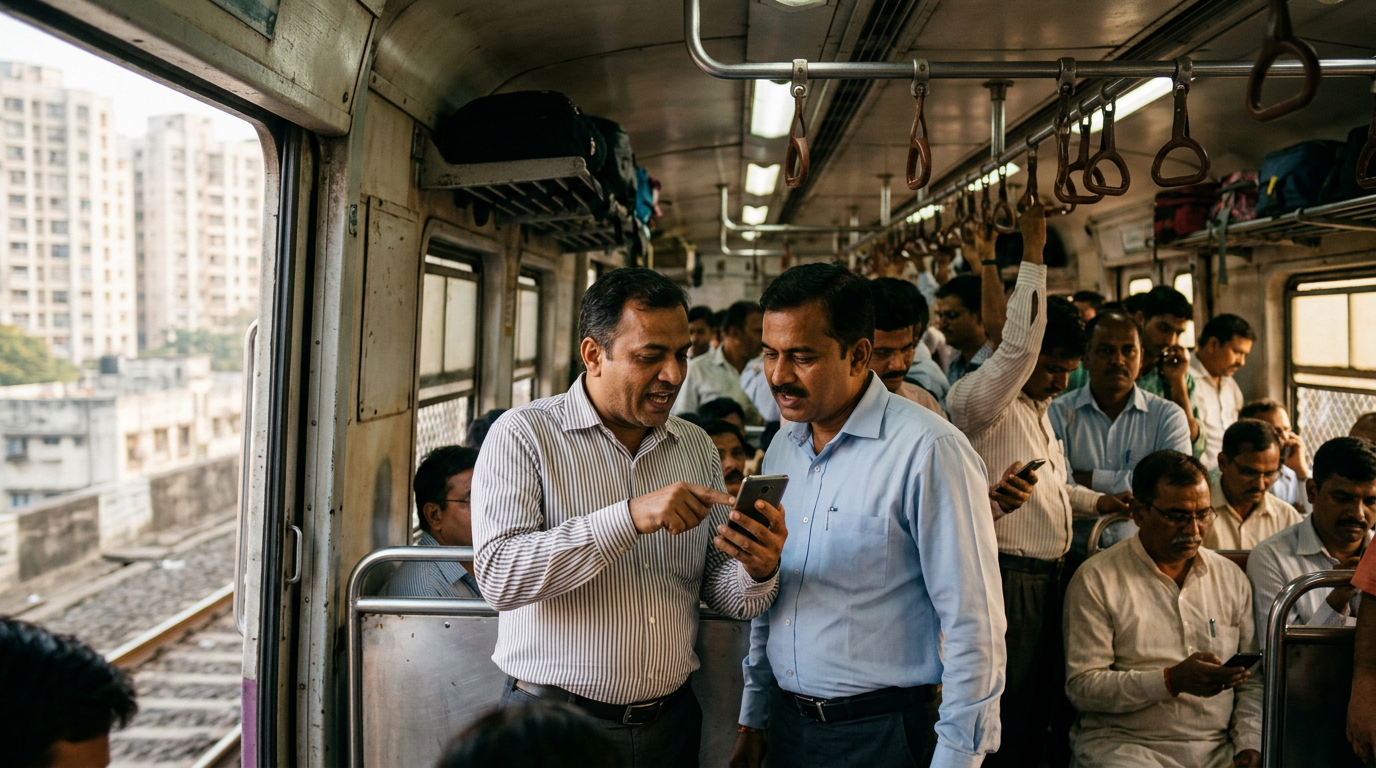
7 Beginner Investing Mistakes Every Mumbaiite Must Avoid
New to investing in Mumbai? This guide breaks down the critical beginner investing mistakes to avoid, from FOMO on hot stocks to underestimating real estate in Thane or Panvel.
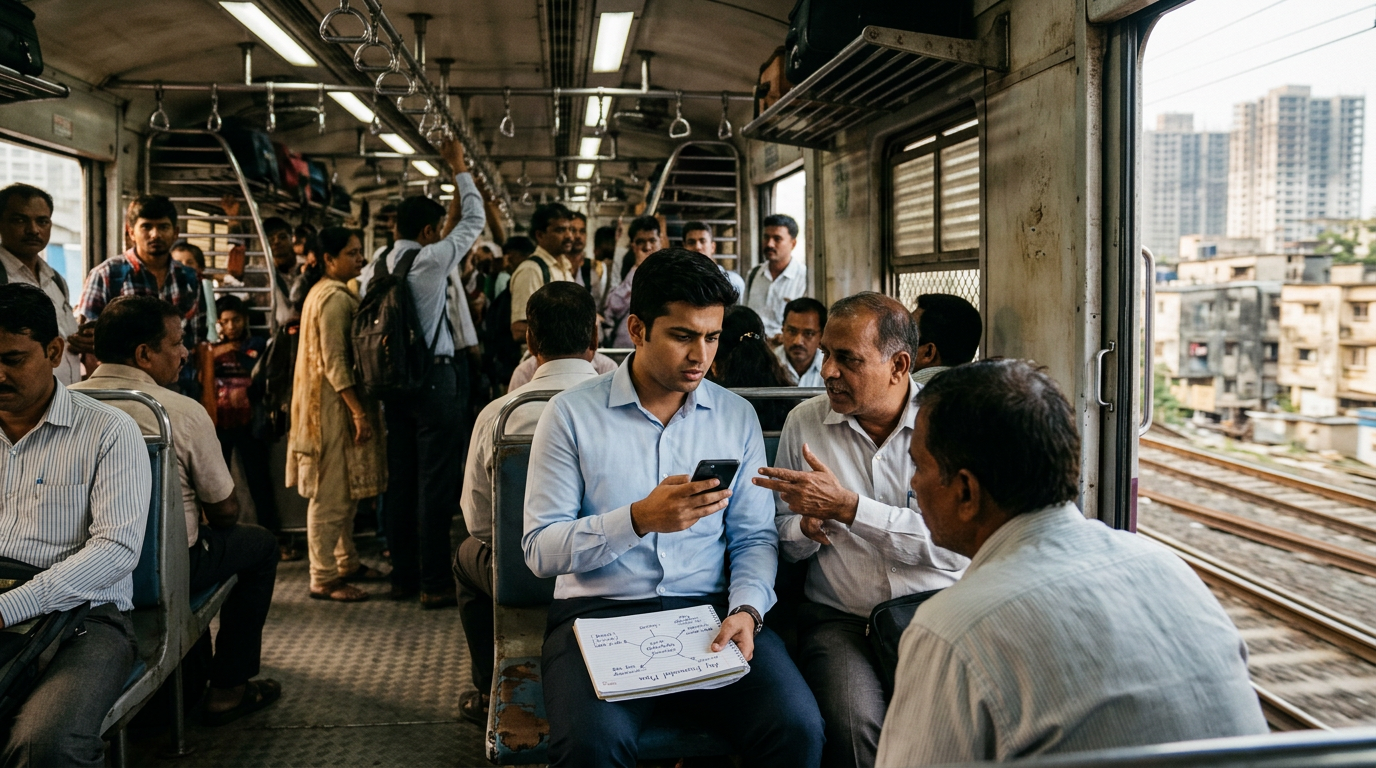
7 Beginner Investing Mistakes Every Mumbaikar Must Avoid
From the Dalal Street buzz to property chatter in Panvel, starting your investment journey in Mumbai is exciting. Avoid these common beginner investing mistakes to build wealth.
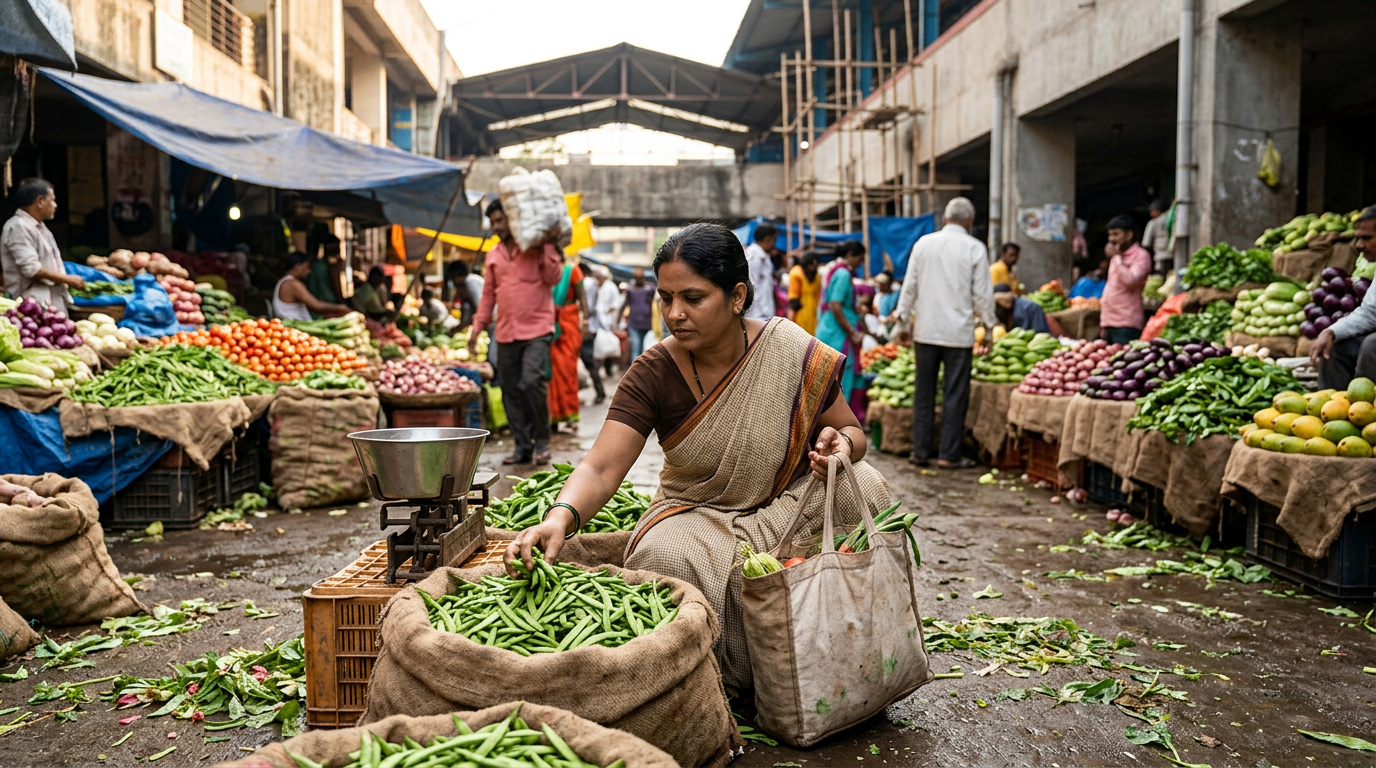
Cut Your Grocery Bill: A Mumbaikar's Guide to Saving Money
From the crowded markets of Dadar to the aisles of DMart in Panvel, grocery costs are rising. This guide offers practical, Mumbai-specific strategies to save money on groceries.