
Cut Your Grocery Bill: A Mumbaikar's Guide to Saving Money
From the crowded markets of Dadar to the aisles of DMart in Panvel, grocery costs are rising. This guide offers practical, Mumbai-specific strategies to save money on groceries.
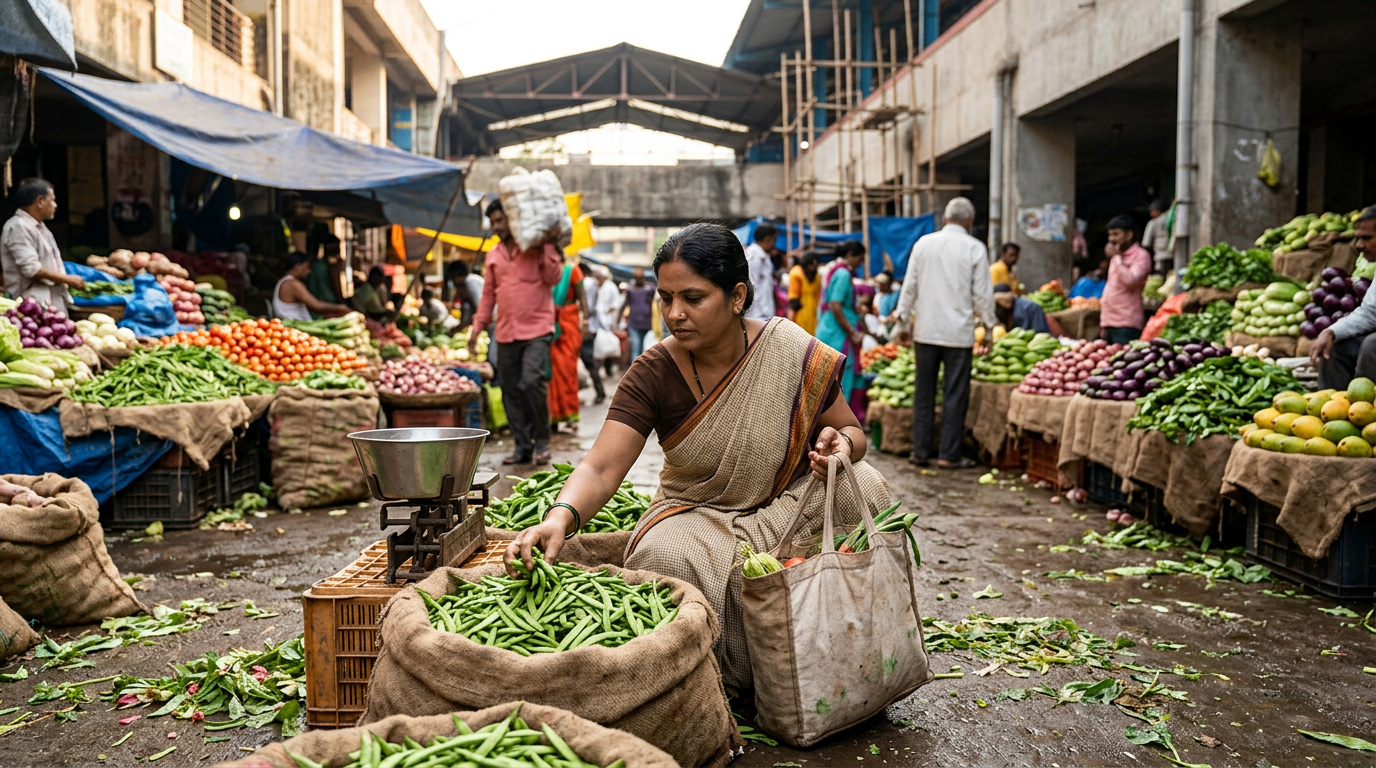
You know the feeling. You’re at the checkout counter at Star Bazaar in Andheri or perhaps Nature's Basket in Bandra, you see the bill, and for a second, you wonder if you accidentally bought a piece of the store itself. With the price of everything from tomatoes to cooking oil seemingly on a relentless upward journey, learning how to save money on groceries is no longer just a good habit—it's a financial necessity for every household in the Mumbai Metropolitan Region. The good news is that with a bit of planning and local know-how, you can significantly reduce your spending without surviving on instant noodles.
The Grand Shopping Debate: APMC vs. DMart vs. Your Local Vendor
Where you shop in Mumbai has the single biggest impact on your grocery bill. Each option offers a distinct trade-off between price, quality, and convenience. Let's break it down.
The Wholesale Champion: Vashi APMC
For residents of Navi Mumbai and those willing to make the trip, the Agricultural Produce Market Committee (APMC) market in Vashi is the holy grail of low prices. This is where retailers and restaurant owners buy their stock. You can find everything from sacks of onions and potatoes to exotic spices and grains at prices that are often 20-30% lower than retail. The catch? You generally need to buy in larger quantities. This strategy works best if you have ample storage space (a luxury in Mumbai) or if you can team up with neighbours or friends to split the bulk purchases. A monthly or bi-monthly trip for non-perishables can lead to massive savings.
The Supermarket Powerhouse: DMart and its Peers
DMart, with its ubiquitous presence from Thane to Panvel, has built its entire business model on low prices. It’s the undisputed king for monthly staples: dal, rice, atta, sugar, oils, and cleaning supplies. Their 'Everyday Low Price' strategy means you don't have to hunt for discounts. Other supermarkets like Reliance Fresh and Star Bazaar are also competitive, often running attractive promotions and offering loyalty programs. The key is to stick to your list, as these stores are designed to encourage impulse buys. A quick trip for milk can easily turn into a ₹2,000 shopping spree if you're not careful.
The Trusty Street-Corner Vendor
Never underestimate the man or woman with the vegetable cart (*thela*) in your lane. For fresh produce, they are often cheaper and fresher than supermarkets because they have lower overheads. Building a rapport can lead to them setting aside the best stock for you. They are perfect for daily essentials like milk, bread, eggs, and fresh vegetables.
Embrace Your Neighbourhood *Kirana* Store
In an age of hypermarkets and instant delivery, the humble *kirana* store can seem old-fashioned. This is a misconception. Your local 'Gupta General Store' in Borivali or 'Shree Ram Provisions' in Ghatkopar is a powerful ally in your quest to save. The primary advantage is the relationship. Your local shopkeeper knows you, your family, and your buying habits. This relationship often translates into tangible benefits that apps can't replicate.
Firstly, there's the convenience of credit. Running a *khaata* (a credit tab) allows for flexibility, especially towards the end of the month. Secondly, they offer hyperlocal, often free, home delivery without a minimum order value—something even the biggest apps struggle with. Need just a quarter litre of oil or 100 grams of a specific masala? The *kirana* store is your go-to. Supermarkets force you into pre-packaged quantities that might be more than you need, leading to waste. By buying exact amounts, you not only save money but also reduce potential food spoilage, a critical factor in Mumbai's humid climate. They are also a great source for local and regional brands that are often cheaper and just as good as their nationally advertised counterparts.
"I've been running my monthly tab at Sharma Ji's store in Chembur for 15 years. He knows exactly which brand of poha my kids like and always gives me the freshest paneer. It's a level of service and trust no app can provide, and it saves me countless trips for small items." - A conversation with a seasoned Mumbai homemaker.
The Art of Strategic Bulk Buying
Bulk buying is a classic money-saving technique, but in a city known for its compact living spaces, it requires a strategic approach. The goal is to buy what you will actually use, not to turn your 1BHK in Powai into a mini-warehouse. The key is to differentiate between what should be bought in bulk and what shouldn't.
What to Buy in Bulk (and Where):
- Grains and Pulses: Rice, atta, dal, chana, and rajma have long shelf lives. A monthly 5kg or 10kg bag from DMart or a local wholesaler is almost always cheaper than buying 1kg packets every week.
- Cooking Oils and Ghee: Buying a 5-litre can of oil is significantly more cost-effective per litre than a 1-litre bottle.
- Spices: Whole spices (and grinding them at home) are cheaper and stay fresh longer. Consider a trip to the spice markets in Lalbaug or the APMC for yearly supplies.
- Cleaning Supplies: Things like laundry detergent, dish soap, and floor cleaners are perfect for bulk buying during sales at Star Bazaar or Reliance Smart.
- Fresh Produce: Unless you're cooking for a large crowd, buying vegetables and fruits in bulk is a recipe for waste.
- Items with Short Shelf Lives: Dairy, bread, and anything with a near expiry date.
- New Products: Never buy a large quantity of a product you haven't tried before. You might not like it.
Navigating the Digital Aisles: Using Grocery Apps Smartly
In Mumbai, convenience is a currency. Instant grocery apps like Zepto, Swiggy Instamart, and Blinkit promise to deliver anything from a packet of chips to exotic mushrooms to your doorstep in minutes. While undeniably magical when you've run out of milk mid-chai, they can be a major budget drain if used unwisely. The combination of delivery fees, marked-up prices on some items, and the sheer ease of ordering can lead to frequent, small purchases that add up quickly.
For planned weekly or monthly shopping, platforms like BigBasket or DMart Ready are better options. They offer a wider range, better prices on staples, and scheduled delivery slots that often have lower fees. Here’s how to use them smartly:
- Compare Carts: Before checking out, take a few minutes to compare the final cart value on two different apps. A few minutes of comparison can often save you a few hundred rupees.
- Use Coupons and Bank Offers: These apps are constantly running promotions. Check for coupon codes and bank-specific discounts before placing an order. [INTERNAL_LINK: best credit cards for cashback in Mumbai]
- Beware 'Dark Stores' Pricing: The 10-minute delivery apps often source from their own 'dark stores'. Prices can be higher than your local vendor. Use them for emergencies, not for your main shopping.
- Meet the Minimum for Free Delivery: If you must order, try to consolidate your needs to meet the minimum order value for free delivery. Don't add unnecessary items just to cross the threshold; instead, plan ahead.
Eat Seasonally, Shop Locally: A Mumbaikar's Guide to Produce
One of the easiest ways to save on fruits and vegetables is to align your diet with the seasons. When produce is in season, it's abundant, and therefore, cheaper and tastier. Trying to buy strawberries in August or cauliflower in the peak of summer will cost you a premium.
In Mumbai, we are blessed with a vibrant cycle of produce. The monsoon brings with it a bounty of gourds and leafy greens. Winter is the time for carrots, peas, and fresh fenugreek (*methi*). Summer, of course, is the glorious season of the Alphonso mango. Following this natural calendar will not only benefit your wallet but also your health. Your local *bhajiwala* (vegetable vendor) is the best guide. Ask them, "*Aaj sasta kya hai?*" (What's cheap today?). Their answer is a direct reflection of what's in season and flooding the markets.
Where you buy also matters. The Dadar West vegetable market, the Matunga market, or the station-side markets in any suburb offer produce that is far fresher and cheaper than what's available in plastic wrap at a supermarket. The key is to go early, especially on weekends, to get the best selection. Learn the art of friendly bargaining—it's part of the culture and expected. Don't aim to low-ball insultingly, but a polite negotiation can often shave 10-15% off the initial quote, especially if you're a regular customer.
Meal Planning: Your Ultimate Weapon Against Food Waste
The most expensive grocery item is the one you throw away. Food waste is a silent budget killer. A bunch of coriander wilting in the fridge, half a bottle of sauce growing mould—it all adds up. The single most effective strategy to combat this is meal planning. It might sound like a chore, but a little planning goes a long way, especially in a busy city like Mumbai.
Here’s a simple process:
- Take Inventory: Before you even think of a list, look inside your fridge, freezer, and pantry. What do you already have? Plan your first few meals around using up what's about to expire.
- Plan Your Meals: For the upcoming week, jot down what you'll have for lunch and dinner. Be realistic. Know you'll be working late on Wednesday? Plan for a quick khichdi or order in, but account for it.
- Create Your Shopping List: Based on your meal plan and inventory, create a precise shopping list. Group items by category (produce, dairy, grains) to make your shopping trip more efficient, whether it's at DMart or your local market.
- Stick to the List: This is the hardest part. Supermarkets are designed to tempt you. Put your blinders on, get what's on your list, and get out.
Beyond the Basics: Advanced Hacks for the Savvy Shopper
Once you've mastered the fundamentals, you can incorporate some next-level strategies to eke out even more savings. These are the habits that separate the amateurs from the pros in the grocery savings game.
Master Unit Pricing
Don't be fooled by packaging. A 'jumbo' pack isn't always cheaper. The only way to know for sure is to look at the unit price – the cost per gram, per 100ml, or per piece. This is usually printed on the shelf tag at supermarkets like Star Bazaar or DMart. A smaller package from a different brand might offer a better price per gram. This simple check takes a few seconds and ensures you are always getting the most product for your money.
Avoid the 'Gourmet Tax'
Stores like Nature's Basket and Foodhall are fantastic for finding imported cheeses, artisanal breads, and exotic ingredients. They are not, however, the place to buy your weekly atta and onions if you're on a budget. Reserve these 'lifestyle' grocery stores for special occasions or for that one specific ingredient you can't find anywhere else. Doing your entire monthly shop here can easily double your grocery bill.
Strategic Brand Agnosticism
We often buy brands out of habit. For many staples like dal, sugar, or even salt, the store brand (like DMart's 'Premia' or BigBasket's 'bb Royal') is often significantly cheaper and of comparable quality. Experiment with letting go of brand loyalty for basic commodities. The savings over a year can be substantial.
Leverage Loyalty Programs and Wallets
If you are a regular at a particular supermarket chain like Reliance or Star Bazaar, signing up for their loyalty program is a no-brainer. The points and a-la-carte discounts add up. Additionally, pay attention to offers on digital wallets like GPay, PhonePe, or PayTM, which often have cashback offers for specific supermarket chains. [INTERNAL_LINK: managing a monthly budget in Mumbai]
Conclusion: Reclaiming Your Grocery Budget
Saving money on groceries in Mumbai isn't about deprivation or eating poorly. It's about being a smart, informed consumer. It’s about knowing when to head to the Vashi APMC for a bulk run, when to rely on your trusty *kirana* for convenience, and when to resist the siren song of a 10-minute delivery app. By combining strategic shopping locations, meticulous meal planning, and a conscious effort to reduce waste, you can fight back against rising prices.
Start by implementing just one or two of these strategies this week. Track your spending and see the difference it makes. You'll not only have more money in your pocket but also the satisfaction of having mastered one of the most essential aspects of Mumbai living.
What are your go-to tricks for saving on groceries in Mumbai? Share your best tips in the comments below!
Keep reading

7 Beginner Investing Mistakes Every Mumbaiite Must Avoid
New to investing in Mumbai? This guide breaks down the critical beginner investing mistakes to avoid, from FOMO on hot stocks to underestimating real estate in Thane or Panvel.

7 Beginner Investing Mistakes Every Mumbaikar Must Avoid
From the Dalal Street buzz to property chatter in Panvel, starting your investment journey in Mumbai is exciting. Avoid these common beginner investing mistakes to build wealth.
How to Save Money on Groceries: The Ultimate Mumbai Guide
Feeling the pinch from rising food costs? Our ultimate Mumbai guide reveals practical tips on how to save money on groceries, from mastering wholesale markets to decoding app discounts.