
Starting a Newsletter Business in Mumbai: A 2024 Guide
Thinking of starting a newsletter business in Mumbai? Our guide covers finding your local niche, from Bandra foodies to Powai techies, and monetizing your content.
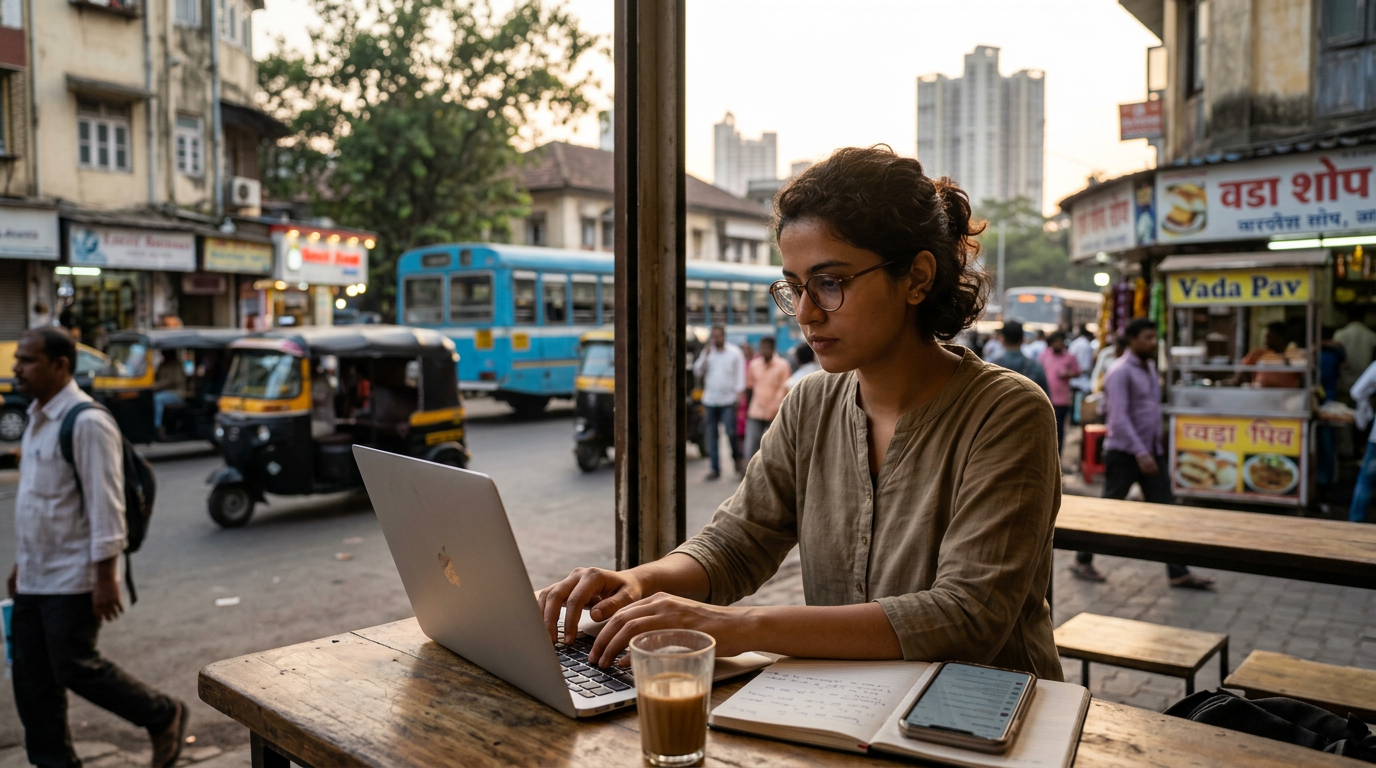
From Your Laptop in Bandra to Thousands of Inboxes Across MMR
Your phone buzzes relentlessly. A dozen WhatsApp groups, endless Instagram stories, and a sea of breaking news alerts. In a city as dynamic as Mumbai, the information overload is real. But what if you could be the calm in the storm? The trusted voice that curates the chaos? That's the power you can wield by starting a newsletter business, a venture you can launch from a café in Juhu, a co-working space in Vashi, or the comfort of your home in Thane. This isn't just about sending emails; it's about building a community and a credible brand right here in the Mumbai Metropolitan Region (MMR).
Find Your Niche: The Secret to Standing Out in a City of Millions
Before you write a single word, you need to answer one question: Who are you writing for? A generic "Mumbai newsletter" is too broad. The magic lies in specificity. Think about the countless micro-communities that make up our city. Your niche could be geographic, interest-based, or professional.
- Geographic Niche: Imagine a weekly email for the residents of Kharghar. It could feature new restaurant openings at Glomax Mall, updates on the Navi Mumbai airport, weekend events at Central Park, and interviews with local business owners. You could create "The Malad Mindset" or "The Borivali Bulletin." This hyperlocal approach builds an incredibly loyal audience.
- Interest-Based Niche: Are you a foodie who knows the best Kanda Bhaji spot in Dadar and the finest new fine-dining restaurant in BKC? Start a food newsletter. Do you spend your weekends trekking in the Sahyadris near Panvel? There's a newsletter for that. Other ideas include a guide to the Marathi theatre scene, a digest of indie music gigs, or a weekly update for Mumbai's growing community of cyclists.
- Professional Niche: Target the thousands of professionals in specific hubs. A newsletter for the tech community in Powai, a weekly analysis for finance professionals in Lower Parel and BKC, or a resource for aspiring actors in Andheri West could be immensely valuable. You become the go-to source for industry-specific news and networking opportunities.
The key is to choose a topic you have genuine passion and expertise in. Your enthusiasm will be contagious and will form the foundation of your content.
Content Strategy: What to Put in Your Mumbai Mailer
Your content is the heart of your newsletter. It's the reason people will trust you with their email address. A successful Mumbai-based newsletter should feature a mix of content that is useful, entertaining, and exclusive. Don’t just report the news; provide a unique perspective that your readers can't get anywhere else.
The 'Masala' Mix
- Original Reporting & Analysis: This is your unique value. Interview the chef of a new Bandra restaurant. Analyze the impact of a new metro line on real estate prices in Goregaon. Review a play at Prithvi Theatre. This content establishes you as an authority.
- Expert Curation: You don't have to create everything yourself. Scour the internet for the most interesting articles, tweets, and Reddit threads about your niche in Mumbai and share the best links with your commentary. For example, a real estate newsletter could curate the top 5 articles of the week about property trends in Navi Mumbai.
- Community Content: Involve your readers! Feature a 'Reader of the Week', run a poll on the best vada pav in the city, or share user-submitted photos of Marine Drive at sunset. This builds a strong sense of community and makes your readers feel like they are part of something special.
A good rule of thumb is the 80/20 rule: 80% of your content should be purely valuable and free, while 20% can be geared towards monetization or promotion. Your primary goal is to build trust, one email at a time.
Choosing Your Platform: The Tech Behind the Talk
You don't need to be a tech wizard from IIT Bombay to start a newsletter. The tools available today are incredibly user-friendly and affordable. The main decision is your Email Service Provider (ESP). Here are a few popular options:
- Substack: Extremely popular and simple. It’s free to start and they only take a 10% cut when you decide to launch a paid subscription. It’s a great all-in-one solution for writing, publishing, and monetizing.
- ConvertKit: A powerful tool with excellent automation features. It's great for creators who might want to sell digital products later on. They have a free plan for up to 1,000 subscribers, after which plans start at around ₹2,500/month.
- Beehiiv: A newer platform that is gaining traction for its growth-focused features and clean interface. Their free plan is generous, and their paid tiers offer advanced analytics and monetization options.
For most beginners in Mumbai, starting with Substack's free plan is a no-brainer. You can build your audience and test your idea without any financial investment. All you need is a simple landing page (which these platforms provide) to start collecting emails. Focus on getting your first subscriber, then your first 100. The technology can scale with you.
Growing Your Audience: Getting Your First 1,000 Mumbai Subscribers
Creating great content is only half the battle. You need to get it in front of the right people. Growing your subscriber list is an ongoing effort that requires a mix of online and offline strategies tailored for the Mumbai landscape.
Offline Hustle
Don't underestimate the power of face-to-face interaction in our city. You can print simple business cards or flyers with a QR code that links to your subscription page. Leave them (with permission) at relevant locations:
- Cafes & Hangouts: Popular spots like Candies in Bandra, the numerous cafes in Versova, or even a local Chai Point in a business park.
- Co-working Spaces: WeWork, 91springboard, and other hubs in BKC, Andheri, and Vashi are filled with your potential target audience.
- Community Events: Attend meetups, workshops, or local festivals related to your niche. If you run a finance newsletter, attend a fintech meetup in Lower Parel.
Online Marketing
Your digital strategy is crucial for scaling. Create a simple promotion plan:
- Leverage Social Media: Share snippets of your newsletter on Instagram, Twitter, and LinkedIn. Use Mumbai-specific hashtags like #MumbaiFoodie, #NaviMumbaiLife, or #ThingsToDoInMumbai. Engage with local influencers and accounts.
- Collaborate: Cross-promote with another Mumbai-based creator or newsletter that has a similar audience but isn't a direct competitor.
- Targeted Ads: Running a small, targeted ad campaign on Instagram or Facebook can be very effective. You can target users by location (e.g., people living within 5km of Powai), interests, and demographics for a budget as low as ₹500 per day.
The key is consistency. Aim to execute one or two of these strategies every single week.
Monetization: Turning Your Passion into Profit
Once you have built a loyal and engaged audience (say, over 1,000 subscribers), you can start thinking about monetization. Rushing this step can alienate your readers, so it's important to provide value first. Here are the most common ways to make money from your newsletter:
"People in Mumbai are willing to pay for value. Whether it's a premium for a sea-facing flat or for high-quality, curated information that saves them time and helps them live a better life in the city. If your newsletter delivers that value, don't be afraid to charge for it."
Primary Monetization Models
- Paid Subscriptions: The most direct model. Offer a premium version of your newsletter with exclusive content, bonus issues, or access to a private community. A price point of ₹99/month or ₹999/year is a common starting point in the Indian market.
- Advertising & Sponsorships: This is a fantastic model for local newsletters. A new cloud kitchen in Andheri, a real estate developer in Panvel, or a boutique in Colaba might pay to advertise in your newsletter to reach a targeted local audience. Rates can range from ₹5,000 to ₹50,000 per issue, depending on your subscriber count and engagement. [INTERNAL_LINK: How to Create a Media Kit]
- Affiliate Marketing: Recommend products and services you genuinely use and love, and earn a commission on sales. This could be anything from recommending a book on Amazon to promoting tickets for an event on BookMyShow.
- Selling Digital Products: Package your expertise into a digital product. A food newsletter could sell an ebook titled "The Ultimate Guide to Mumbai's Street Food." A real estate newsletter could sell a premium report on "Top 5 Investment Hotspots in Navi Mumbai."
You can mix and match these models. Many successful newsletters use a combination of sponsorship and selling their own products to diversify their income streams.
The Business Side: GST, PAN, and Staying Legit
While starting a newsletter feels like a creative project, once you start earning, it becomes a business. It's wise to get the basics right to avoid headaches later. You don't need a full-time CA from day one, but keep these points in mind:
- Business Structure: The easiest way to start is as a sole proprietorship. This means the business is legally tied to you, and your business income is your personal income for tax purposes. It requires minimal paperwork.
- PAN Card: You will need your Personal Account Number (PAN) for all financial transactions and tax filings.
- Bank Account: It's highly recommended to open a separate current account for your business, even as a proprietor. This keeps your personal and business finances separate, which makes accounting much easier. Many banks in Mumbai offer basic current accounts for small businesses.
- GST (Goods and Services Tax): You are only required to register for GST if your annual revenue exceeds ₹20 lakhs for services. So, for the first few years, this might not be a concern. However, if you're taking on large corporate sponsors, they may require you to have a GST number to work with you.
This is not financial advice, and it's always best to consult with a Chartered Accountant (you can find plenty in Dadar or Fort) once you start generating significant revenue to ensure you are compliant with all regulations. [INTERNAL_LINK: Small Business Registration in Maharashtra]
Your Mumbai Story Starts Now
Starting a newsletter business in Mumbai is a unique opportunity to become a trusted voice in one of the world's most exciting cities. You don't need a corner office in BKC or millions in funding. You need a laptop, a clear idea, a deep appreciation for the city's pulse, and the consistency to show up in your readers' inboxes every week. From the heritage lanes of South Mumbai to the bustling new sectors of Navi Mumbai, there are countless stories waiting to be told and communities waiting to be built.
The best part? The barrier to entry is almost zero. You can start today, for free. So, what's the newsletter that you wish existed for your corner of Mumbai? Stop waiting, and start building it. Your first subscriber is waiting.
Keep reading

How to Price Freelance Work in Mumbai: A Local's Guide
Figuring out how to price freelance work can be tougher than a Virar fast local during rush hour. This guide breaks down pricing models for Mumbai's market.
How to Price Freelance Work in Mumbai: A 2024 Guide
Learn how to price freelance work in the competitive Mumbai market. We cover calculating your baseline rate, project vs. hourly fees, and negotiating with local clients.
Best Side Hustles from Home: A Mumbai & Navi Mumbai Guide
Tired of the commute? Explore our guide to the best side hustles from home, tailored for Mumbai and Navi Mumbai residents. Start earning extra income today.