
A Simple Anti-Inflammatory Diet Guide for Better Health
Tired of chronic aches and fatigue? It might be inflammation. This simple anti-inflammatory diet guide offers practical tips and global food examples to help you feel your best.
Understanding Inflammation: More Than Just a Buzzword
Before we explore the foods that fight it, it's important to understand what inflammation actually is. In its purest form, inflammation is a good thing. It’s your body's natural, protective response to injury or infection. When you cut your finger, the redness, swelling, and heat are signs of your immune system rushing to the scene to begin repairs. This is called acute inflammation, and it’s a temporary, essential process.
The problem arises when this inflammatory response doesn't switch off. This is known as chronic inflammation, a low-grade, persistent state of alert that can simmer for months or even years. Unlike the acute version, its signs are often subtle—persistent fatigue, joint stiffness, skin issues, or digestive troubles. Globally, lifestyle factors are major contributors. Diets high in processed foods, chronic stress, and a lack of physical activity can all keep this inflammatory fire burning. This isn't a problem confined to one region; it's a pattern seen in developed and developing nations alike as traditional diets give way to more Westernized eating habits. Recognizing the difference between helpful, short-term inflammation and harmful, long-term inflammation is the first step toward taking control of your health. [INTERNAL_LINK: The Science of Chronic Inflammation]
The Core Principles of an Anti-Inflammatory Diet
At its heart, an anti-inflammatory diet is not a restrictive, short-term plan. It's a sustainable pattern of eating that prioritizes whole, nutrient-dense foods while minimizing those that trigger an inflammatory response. Think of it as supplying your body with the tools it needs to calm itself down. The focus is on abundance rather than deprivation.
The primary goal is to shift the balance away from pro-inflammatory foods. These typically include:
- Refined carbohydrates: white bread, pastries, and white rice.
- Fried foods: french fries and other deep-fried items.
- Sugar-sweetened beverages: sodas and many fruit juices.
- Processed meats: hot dogs, sausage, and cured meats.
- Certain fats: trans fats (found in margarine and many processed snacks) and an excess of omega-6 fats (common in oils like corn, soy, and sunflower).
Conversely, an anti-inflammatory eating pattern emphasizes foods rich in antioxidants, polyphenols, healthy fats, and fiber. These compounds actively work to neutralize free radicals, down-regulate inflammatory pathways, and support a healthy gut microbiome. It’s a philosophy of eating that has been practiced for centuries in various forms across the globe, long before the science caught up.
"Let food be thy medicine and medicine be thy food." — Hippocrates
Building Your Plate: A Global Tour of Anti-Inflammatory Foods
Some of the world's healthiest and longest-living populations have diets that are naturally anti-inflammatory. By looking at these traditional eating patterns, we can find delicious and effective ways to build our own plates.
The Mediterranean Powerhouse
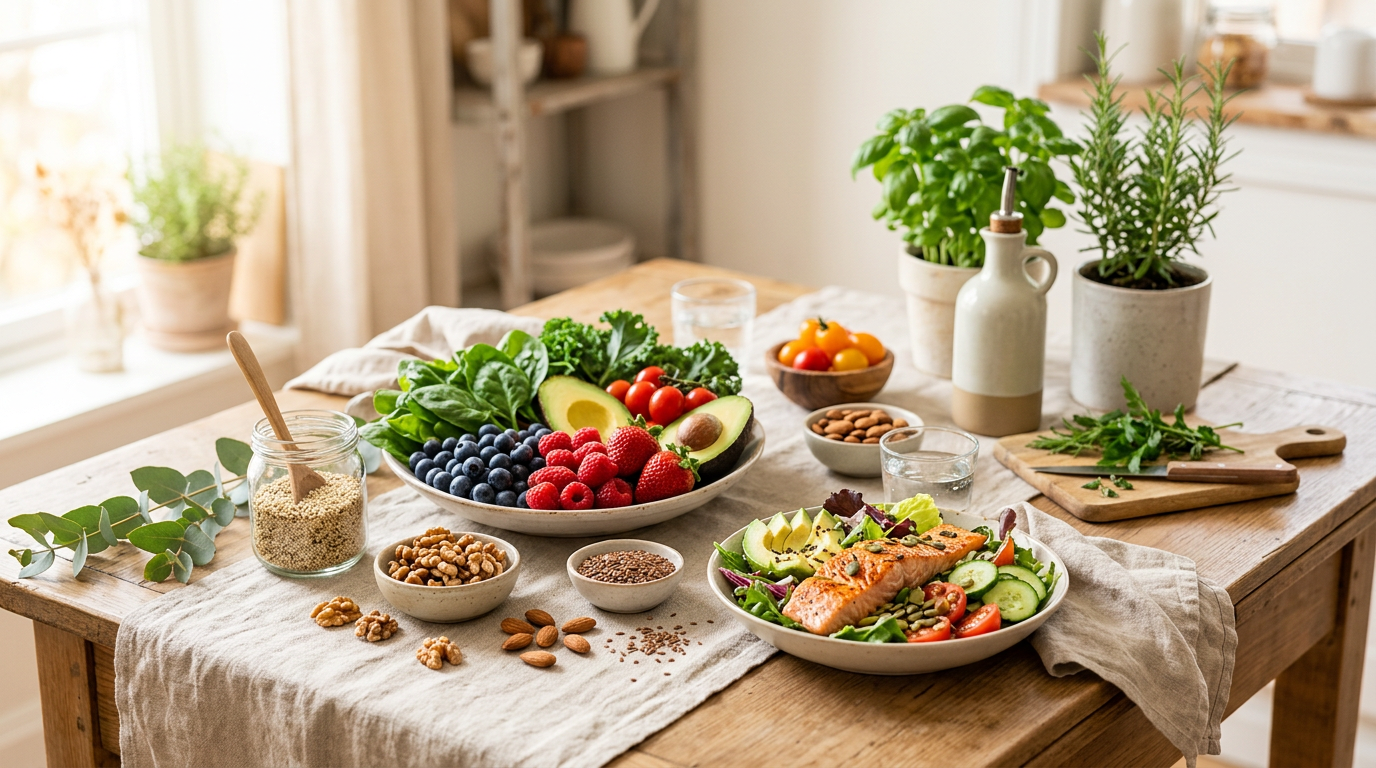
Perhaps the most studied eating pattern, the Mediterranean diet, common in countries like Greece, Italy, and Spain, is a gold standard. Its foundation is built on extra virgin olive oil, a potent source of oleocanthal, a phenolic compound with anti-inflammatory effects similar to ibuprofen. The diet is rich in fruits, vegetables, nuts, legumes, and whole grains. Fish, especially fatty fish like sardines and anchovies, are consumed regularly, providing a powerful dose of omega-3 fatty acids. Red meat is an occasional food, and dairy and wine are consumed in moderation. It’s more than a diet; it's a lifestyle that emphasizes fresh, local ingredients and shared meals.
The Nordic Approach
Moving north to Scandinavia, the traditional Nordic diet offers another powerful model. Adapted to a colder climate, it emphasizes fatty fish like salmon, mackerel, and herring, which thrive in the cold waters of the North Atlantic. Instead of a wide variety of fruits, the diet is rich in dark berries like bilberries, lingonberries, and cloudberries, which are packed with antioxidants to survive the harsh conditions. Root vegetables like carrots and beets, along with cabbages and dense, dark rye breads, provide essential fiber and nutrients. This approach showcases how to build an anti-inflammatory plate using locally available, seasonal foods.
Asian Wisdom: Spices and Fermented Foods
Across Asia, traditional diets offer a treasure trove of anti-inflammatory ingredients. In India, turmeric is a cornerstone of daily cuisine. Its active compound, curcumin, is a powerful anti-inflammatory agent. In Japan and China, green tea is a cultural staple, revered for its high concentration of polyphenols called catechins. And in Korea, fermented foods like kimchi are central to every meal. Kimchi, made from fermented cabbage and spices, supports a healthy gut microbiome, which is intrinsically linked to regulating inflammation throughout the body. These examples show how spices, teas, and fermentation techniques can be potent allies. [INTERNAL_LINK: Health Benefits of Fermented Foods]
Healthy Fats: Separating Friend from Foe
The world of dietary fats can be confusing, but for an anti-inflammatory diet, the concept is quite simple: focus on unprocessed, healthy fats and minimize processed, inflammatory ones. The key lies in the balance between omega-3 and omega-6 fatty acids. While both are essential, modern global diets have become overwhelmingly skewed toward omega-6s, found in processed seed oils (corn, soy, sunflower) and countless packaged foods. This imbalance can promote inflammation.
Your goal is to increase your intake of anti-inflammatory omega-3s. Excellent sources include:
- Fatty fish: Salmon, mackerel, herring, and sardines are champions here.
- Plant sources: Flaxseeds, chia seeds, and walnuts are packed with ALA, a type of omega-3.
Monounsaturated fats are another hero. Extra virgin olive oil, a staple of the Mediterranean, is a prime example. Avocados, originally from south-central Mexico and now a global phenomenon, are another fantastic source of monounsaturated fats, fiber, and potassium. On the other hand, it's critical to avoid artificial trans fats, often listed as "partially hydrogenated oils" on ingredient labels. These manufactured fats, found in many baked goods, snacks, and margarines, are intensely inflammatory and have been phased out in many countries for their proven harm to cardiovascular health.
The Rainbow Connection: Antioxidants in Fruits and Vegetables
One of the easiest and most visually appealing principles of an anti-inflammatory diet is to "eat the rainbow." The vibrant colors in fruits and vegetables are not just for show; they signify the presence of different phytonutrients, many of which are powerful antioxidants. Antioxidants are molecules that protect your cells from damage caused by unstable molecules called free radicals, a key driver of inflammation and aging.
By including a wide variety of colors on your plate, you ensure you're getting a broad spectrum of protective compounds. Think globally for inspiration:
- Reds: Found in tomatoes, red bell peppers, and watermelon. They contain lycopene, a powerful antioxidant linked to heart and skin health.
- Orange and Yellow: Carrots, sweet potatoes, and mangoes are rich in carotenoids like beta-carotene, which the body converts to vitamin A.
- Greens: Leafy greens like spinach, kale (and its Tuscan cousin, cavolo nero), and broccoli are loaded with chlorophyll, lutein, and vitamin K.
- Blues and Purples: Blueberries, blackberries, eggplant, and purple cabbage get their hue from anthocyanins, potent antioxidants known to support brain health. The açai berry from the Amazon rainforest is another famous example.
- White and Brown: Garlic, onions, and mushrooms might seem less vibrant, but they are nutritional powerhouses. Garlic and onions contain allicin and quercetin, while mushrooms offer unique compounds that support immune function.
Aim for at least five servings of vegetables and two servings of fruit daily, trying to incorporate as many different colors as you can throughout the week. [INTERNAL_LINK: A Guide to Antioxidant-Rich Foods]
Spices, Herbs, and Beverages: Your Secret Weapons
While the bulk of your diet should consist of vegetables, healthy fats, and quality proteins, some of the most concentrated sources of anti-inflammatory compounds come in small packages: spices, herbs, and certain beverages. For centuries, cultures around the world have used these not just for flavor but for their medicinal properties.
Turmeric is perhaps the most famous anti-inflammatory spice. A staple in Indian curries and Southeast Asian cuisine, it contains curcumin. To enhance its absorption, always pair it with a pinch of black pepper, which contains piperine. Ginger, used widely in Asian and Caribbean cooking, contains gingerol, which can help reduce muscle pain and soreness. Cinnamon, native to Sri Lanka, is another potent antioxidant that can also help regulate blood sugar.
Don't overlook fresh herbs. Basil, oregano, rosemary, and thyme are not just for garnishing a pizza in Naples; they are rich in bioactive compounds. A simple tomato salad with fresh basil and olive oil is a perfect anti-inflammatory combination. When it comes to beverages, green tea is a clear winner. The ritual of preparing and drinking tea, especially in countries like Japan, is a calming practice in itself, but the catechins within the tea, particularly EGCG, are potent inflammation fighters. Swapping a sugary soda for a cup of unsweetened green tea or a herbal infusion of ginger and lemon is a simple, effective change.
Practical Steps to Get Started Today
Adopting a new way of eating can feel overwhelming, but the key is to start small and make gradual, sustainable changes. You don't need to overhaul your entire kitchen overnight. Here is a simple, step-by-step approach to begin your journey.
Simple Swaps for Big Wins
Focus on substitution, not elimination. Instead of thinking about what you *can't* have, think about what you can *add* or *swap*.
- Swap your cooking oil: If you typically use corn or generic vegetable oil, try using extra virgin olive oil for sautéing at low-to-medium temperatures or avocado oil for high-heat cooking.
- Change your snack: Instead of reaching for a bag of chips, have a handful of walnuts or an apple with almond butter.
- Rethink your grains: Swap white bread for a hearty, 100% whole-grain or sourdough variety. Try brown rice, quinoa, or barley instead of white rice.
- Add one more vegetable: Make it a goal to add one extra serving of vegetables to your day. Add spinach to your eggs, have a side salad with lunch, or snack on bell pepper strips.
Reading Labels and Avoiding Pitfalls
Becoming a savvy consumer is crucial. Food marketing can be misleading, so learning to read the nutrition label and ingredient list is a skill. Look for hidden sugars (often ending in "-ose," like dextrose or fructose), refined grains, and partially hydrogenated oils. Generally, the shorter the ingredient list and the more recognizable the ingredients, the better. Be wary of products marketed as "low-fat," as they often compensate with extra sugar and sodium.
Mindful Eating and Lifestyle Synergy
Finally, remember that diet is just one piece of the puzzle. Chronic stress, poor sleep, and a sedentary lifestyle are also major drivers of inflammation. Pair your dietary changes with other healthy habits. Practice mindful eating by paying attention to your food without distractions. Aim for 7-9 hours of quality sleep per night. Incorporate regular movement into your day, whether it's a brisk walk, a yoga class, or cycling. These elements work together, creating a synergistic effect that enhances the benefits of your anti-inflammatory diet.
A Lifelong Approach to Wellness
Embracing an anti-inflammatory diet is not about chasing a trend; it's about adopting a long-term approach to health and vitality. By focusing on a colorful variety of whole foods, healthy fats, and powerful spices from around the globe, you provide your body with the tools to manage inflammation effectively. The benefits extend far beyond reducing aches and pains; they contribute to better energy levels, improved mood, and a reduced risk of many chronic diseases.
Don't feel pressured to be perfect. Start with one manageable change. Perhaps you'll add turmeric to your cooking this week, swap your afternoon soda for green tea, or try a salmon recipe inspired by the Nordic diet. Each small step is a victory for your health. Listen to your body, enjoy the delicious new foods you discover, and celebrate the process of nourishing yourself from the inside out. What is one anti-inflammatory food you are excited to try this week?
Keep reading
How to Cook Restaurant-Style Pasta at Home: A Global Guide
Ever wondered how to cook restaurant-style pasta at home? It's about much more than just boiling noodles. We'll show you the global secrets to pasta perfection.
How to Cook Restaurant Style Pasta at Home: A Global Guide
Tired of lackluster pasta? Unlock the secrets to making restaurant-quality dishes in your own kitchen. We'll show you how to cook restaurant style pasta at home with global tips and pro techniques.

How to Start Investing With Little Money: A Global Guide
Think you need a fortune to start building wealth? It’s a common myth. We'll show you how to start investing with little money, no matter where you are in the world.