
Meal Prep for the Week: A Mumbaikar's Ultimate Survival Guide
Stuck in Mumbai's hustle? Our ultimate guide to meal prep for the week will help you reclaim your time, save money, and eat healthier, with tips tailored for city living.
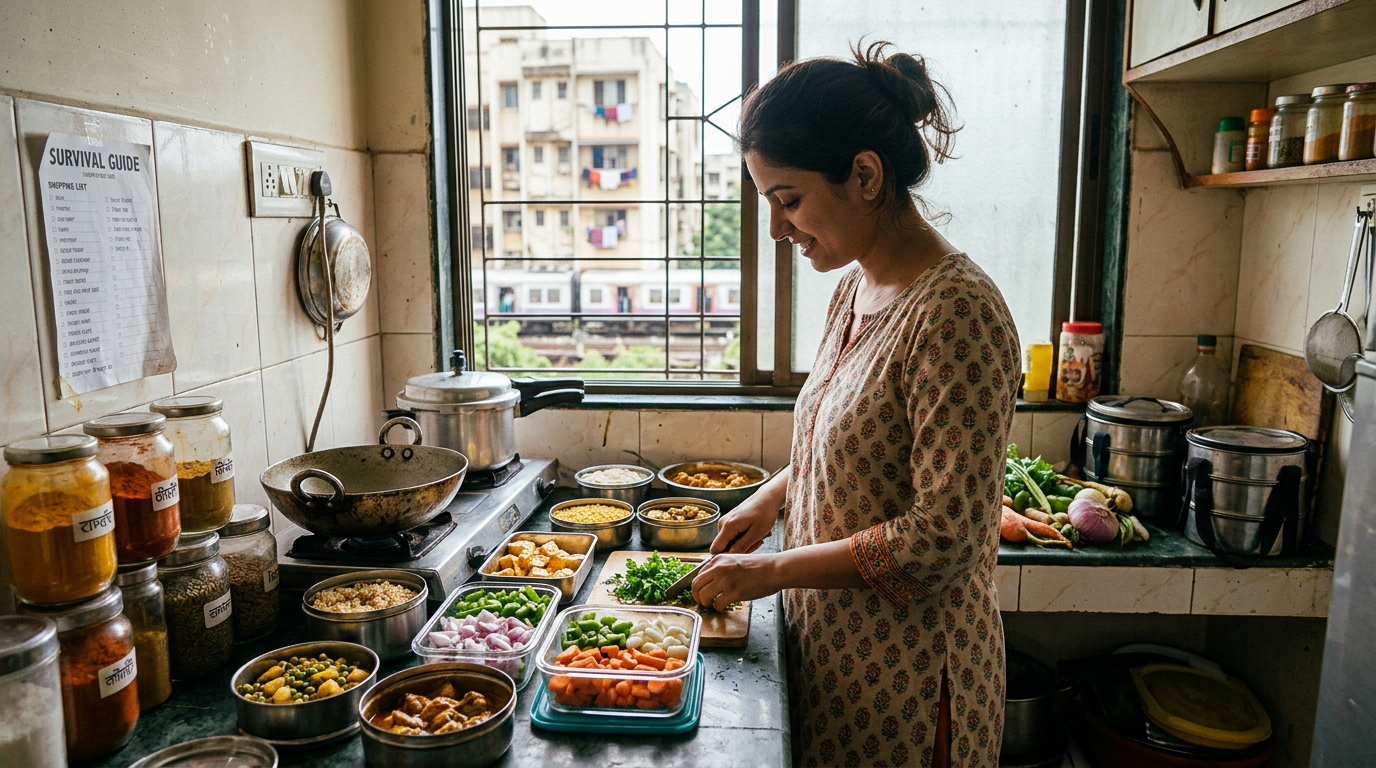
Meal Prep for the Week: Why It’s a Game-Changer for Mumbai Life
Between catching the 8:15 AM fast from Borivali and navigating the human sea at Churchgate, who has the energy to think about dinner? The daily Mumbai grind is real. It drains your time, your energy, and, let's be honest, your wallet. That nightly debate of “What to cook?” often ends with a reluctant tap on Swiggy or Zomato. While convenient, the cost adds up. A single decent meal ordered to your flat in Andheri or Powai can easily cost ₹400-₹500. Do that a few times a week, and you’re spending thousands on food that might not even be that healthy.
This is where mastering meal prep for the week transforms from a trendy hashtag into an essential survival skill for any Mumbaikar. It’s not about eating bland, boring salads from a jar. It's a strategic approach to food that gives you back control. Imagine coming home after a long day, knowing a delicious, home-cooked meal is just a few minutes of reheating away. Think about the money saved—your weekly food budget can be slashed by more than half. Instead of spending ₹2,500 on takeout, you could be spending ₹1,000 on nutritious, high-quality groceries. This isn't just about food; it’s about reclaiming your evenings, managing your finances, and nourishing your body amidst the chaos of city life. It’s your secret weapon against the Mumbai hustle.
The Mumbaikar's Shopping Haul: Where to Source Your Ingredients
A successful meal prep Sunday starts with a smart shopping Saturday. Where you buy your ingredients in the Mumbai Metropolitan Region (MMR) can make a huge difference in freshness, quality, and cost. Forget relying solely on pricey apps; let's get back to the source.
For Fresh Produce
For bulk vegetable shopping, nothing beats the vibrant chaos of Dadar’s vegetable market on a weekend morning. You’ll find incredible variety and wholesale prices. If you’re in Navi Mumbai, the APMC Market in Vashi is your go-to for the freshest stock at the best rates. For weekly top-ups, your local neighbourhood bhajiwala in places like Chembur Camp or the Pali Market in Bandra offers convenience and fresh-enough produce. They might charge a slight premium, but the ability to buy smaller quantities of coriander or a few lemons is invaluable. Pro tip: Go early in the morning for the best selection before the city's humidity takes its toll on the leafy greens.
For Proteins and Meats
When it comes to meat and fish, quality is paramount. For the adventurous, a trip to Sassoon Docks in Colaba at dawn guarantees the freshest catch of the day. For more accessible options, local butchers in areas like Mahim or the Poonam Nagar market in Andheri East provide fresh cuts of chicken and mutton. If convenience and hygiene are your top priorities, services like Licious or dedicated shops like Godrej Nature’s Basket across the city offer cleaned, pre-cut, and hygienically packaged options delivered right to your door in Kharghar or Thane.
For Grains, Spices, and Pantry Staples
This is where you can really save. Large supermarkets like D-Mart and Star Bazaar, with outlets in places like Ghansoli and Kandivali, are perfect for stocking up on rice, lentils, atta, and oils. Their private-label products are often just as good as branded ones but significantly cheaper. For specialty spices and masalas, however, don't underestimate your local kirana store. They often stock locally ground spice mixes that can elevate your cooking from good to great. And for containers? Head to Crawford Market for budget-friendly dabbas of all shapes and sizes, or visit an Ikea in Worli or Turbhe for sleek, stackable glass and plastic options.
Your Sunday Blueprint: A Step-by-Step Prep Plan
Your Sunday afternoon is the launchpad for a stress-free culinary week. Set aside two to three hours, put on some music, and get into the zone. This isn't about cooking five full meals; it's about preparing components that can be assembled into different dishes throughout the week. This 'component prep' method keeps food fresher and offers more variety.
- Create Your Base Gravy: This is a classic Indian meal prep hack. Make a large batch of a simple onion-tomato masala. Sauté finely chopped onions until golden brown, add ginger-garlic paste, then add tomato purée and cook with your basic spices (turmeric, red chilli powder, coriander powder) until the oil separates. Cool it down and store it in the fridge. This versatile base can be used to kickstart a paneer curry, chicken masala, chana masala, or rajma in under 15 minutes.
- Chop and Store Aromatics & Veggies: The simple act of chopping can be the biggest hurdle on a weeknight. Wash, chop, and store your vegetables. Diced onions, bell peppers, carrots, and beans can be stored in airtight containers. Grate ginger and garlic and store them in a small jar in the fridge. Finely chop coriander and mint, wrap them in a paper towel, and place them in a zip-lock bag. This simple step turns a 30-minute task into a 5-minute one.
- Cook Your Grains: Boil a large batch of your preferred grains. This could be simple white or brown rice, high-protein quinoa, or healthy millets. Once cooled, fluff it up and store it in a large container in the fridge. You can quickly portion it out for your dabba or pair it with a quick dal for dinner.
- Prep Your Proteins: This is crucial. Boil your legumes like chickpeas (chana) and kidney beans (rajma). Marinate cubes of paneer or chicken in a simple yogurt-spice mix for quick tikkas that can be pan-fried or air-fried. You can even boil eggs to have on hand for a quick snack or to add to a salad.
Mumbai-Friendly Meals: From the Virar Fast to the Harbour Line
Your meal prep needs to align with the pace of your life. A meal that works for a freelancer in a quiet corner of Belapur might not work for a banker rushing to BKC. Here are some ideas tailored for the quintessential Mumbai lifestyle, keeping in mind the need for portability, quick assembly, and of course, great taste.
The Commuter's Breakfast
Mornings are a race against the clock. Your breakfast needs to be grab-and-go. Forget the greasy vada pav every day. Try these instead:
- Instant Poha/Upma Mix: On Sunday, roast your poha or suji with mustard seeds, curry leaves, onions, and peanuts. Store in an airtight jar. On weekday mornings, just add hot water, cover for 5 minutes, and your breakfast is ready.
- Overnight Oats: The ultimate no-cook breakfast. In a jar, mix oats, milk/yogurt, a few nuts, and maybe some chia seeds. Let it sit in the fridge overnight. Grab the jar on your way out.
- Masala Idlis: If you have leftover idlis, chop them up and give them a quick tadka with mustard seeds, curry leaves, and podi masala. It's a fantastic, non-messy tiffin breakfast.
The Perfect Office Dabba
Your lunch box needs to be robust and satisfying. Using your prepped components, assembly is a breeze. Combine your base gravy with pre-boiled chickpeas for a quick chana masala. Pair it with your pre-cooked rice. Add a side of chopped cucumber and tomato (kachumber). Other great dabba ideas include a dry sabzi like Bhindi Masala or Aloo Gobi (using your pre-chopped veggies), served with rotis. A pre-marinated paneer or chicken tikka can be quickly sautéed in the morning and packed with a mint-coriander chutney. Find more ideas here: [INTERNAL_LINK: healthy lunchbox recipes].
Tackling Mumbai’s Unique Challenges: Space and Climate
Meal prepping in a sprawling bungalow is one thing; doing it in a 500 sq. ft. 1BHK in Goregaon is another. Mumbai presents unique challenges with its compact living spaces and infamous humidity, but they are easily managed with a few smart tricks.
The Small Kitchen Conundrum
Most Mumbai kitchens are short on counter space. The key is to think vertically. Use stackable, clear containers so you can see what’s inside without unstacking everything. Invest in a good quality, powerful mixer-grinder (brands like Preethi or Sujata are workhorses) which can handle everything from your base gravy to chutney, saving you space on multiple gadgets. A magnetic knife strip on the wall frees up counter or drawer space. Clean as you go—washing one bowl at a time is much more manageable than facing a mountain of dishes at the end of your prep session.
Battling the Humidity
Mumbai's humidity is the enemy of anything crisp and fresh. It can make chopped vegetables soggy and turn powdered spices into clumps.
"In Mumbai's climate, food safety during meal prep is non-negotiable," says Anjali Sharma, a nutritionist based in Powai. "Always cool food completely before refrigerating. For chopped vegetables like onions and carrots, placing a paper towel at the bottom of the container absorbs excess moisture, extending their life by a day or two. And never leave prepped food out on the counter for more than an hour."
Store your homemade spice mixes and powders in absolutely airtight glass jars, away from the stove. For snacks like roasted makhana or nuts, ensure they are fully cooled before sealing them, trapping less humid air inside. Don't pre-cut vegetables with very high water content, like cucumbers, too far in advance as they will just turn into a watery mess.
DIY Prep vs. Tiffin Services: A Mumbaikar's Dilemma
The choice between rolling up your sleeves for DIY meal prep and subscribing to a tiffin service is a classic Mumbai debate. The iconic dabbawalas have been doing this for over a century, and now they're joined by a host of modern, app-based services. Let's break down the pros and cons.
The Case for Tiffin Services
Their biggest selling point is zero effort. For a monthly cost ranging from ₹3,500 to ₹7,000, you get a hot meal delivered to your office in Nariman Point or your home in Seawoods. Services range from the traditional dabbawala network delivering simple, home-style meals, to health-focused brands like EatFit or Healthie that offer calorie-counted options. The primary advantage is unmatched convenience. The downside? You have zero control over the ingredients, oil, and spice levels. The menu can become repetitive, and it’s certainly the more expensive option over the long run.
The Power of DIY Meal Prep
This is where you become the master of your meals. The cost is significantly lower—your grocery bill for a week of prepped lunches and dinners might be just ₹1,000-₹1,500. You control every single ingredient, making it ideal for those with dietary restrictions, health goals, or simply picky palates. You can tailor the spice levels and explore a variety of cuisines. The obvious con is the time commitment—it requires a few dedicated hours on your weekend, a resource that can feel scarce. For more on local food services, check out our review: [INTERNAL_LINK: best tiffin services in navi mumbai].
The Hybrid Approach
Perhaps the most realistic solution for many is a hybrid model. Prep your own meals for 3-4 days of the week, and rely on a tiffin service or healthy takeout for the other days. This gives you a balance of control, cost-savings, and convenience, preventing burnout from either extreme.
Level Up Your Prep Game: Essential Tools & Gadgets
While you can certainly start meal prepping with basic kitchen equipment, a few strategic investments can make the process faster, more efficient, and more enjoyable. Think of these as your allies in the war against weeknight stress.
The Must-Haves
These are the non-negotiables for any serious meal prepper in Mumbai.
- Airtight Containers: Invest in a good set of leak-proof, microwave-safe, and freezer-safe containers. Glass containers from brands like Borosil are fantastic as they don't stain or retain odours, but good quality BPA-free plastic ones from Tupperware or even local stores in Matunga are more budget-friendly and lighter to carry.
- A Sharp Chef's Knife: A dull knife is inefficient and dangerous. A single, high-quality 8-inch chef's knife will make chopping feel less like a chore.
- Multiple Chopping Boards: To prevent cross-contamination, use separate, colour-coded chopping boards for vegetables and raw meat.
The Nice-to-Haves
Once you've got the basics down, these gadgets can be game-changers.
- Food Processor: This is the MVP for bulk prep. It can shred a kilo of carrots, dice onions, or make a huge batch of ginger-garlic paste in seconds. It’s a massive time-saver.
- Air Fryer: Perfect for the health-conscious Mumbaikar. It can make crispy, oil-free snacks like vegetable cutlets, chicken kebabs, or roasted sweet potatoes, which are perfect for lunches and evening snacks.
- Immersion (Hand) Blender: Ideal for blending soups and gravies directly in the pot, saving you from washing an extra mixer jar. Its compact size is another bonus for small kitchens.
You can find these gadgets at any major electronics retailer like Croma or Reliance Digital in malls across the MMR, or you could hunt for deals at the famous Lamington Road market if you're feeling adventurous.
Ultimately, starting with meal prep is about making your incredibly busy life in this city a little bit smoother. It’s not about achieving Instagram-perfect rows of identical containers. It's about the quiet victory of knowing that after a delayed train and a crowded bus, a wholesome, delicious meal is waiting for you at home. It’s about saving that extra ₹500 a week to spend on something you truly enjoy. Start small. Prep just your lunches for three days. Master one base gravy. You’ll quickly find that the couple of hours you invest on a Sunday pays huge dividends in time, money, and peace of mind all week long.
What are your go-to meal prep hacks for surviving Mumbai? Share your favourite recipes and tips in the comments below!
Keep reading
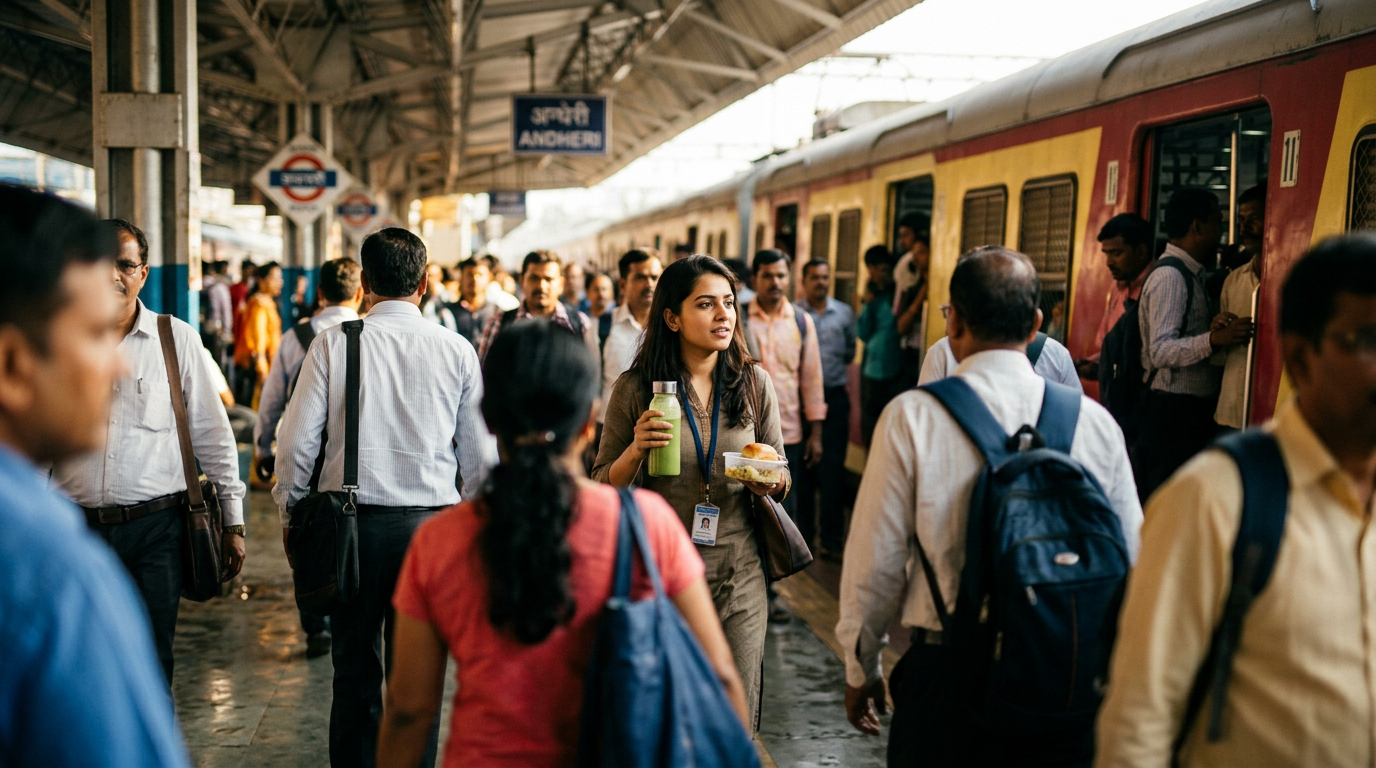
Quick High Protein Breakfast Ideas for Mumbaikars
Stuck in the Mumbai local train rush with no time for a proper meal? We've got you covered with quick high protein breakfast ideas that go beyond the usual vada pav.
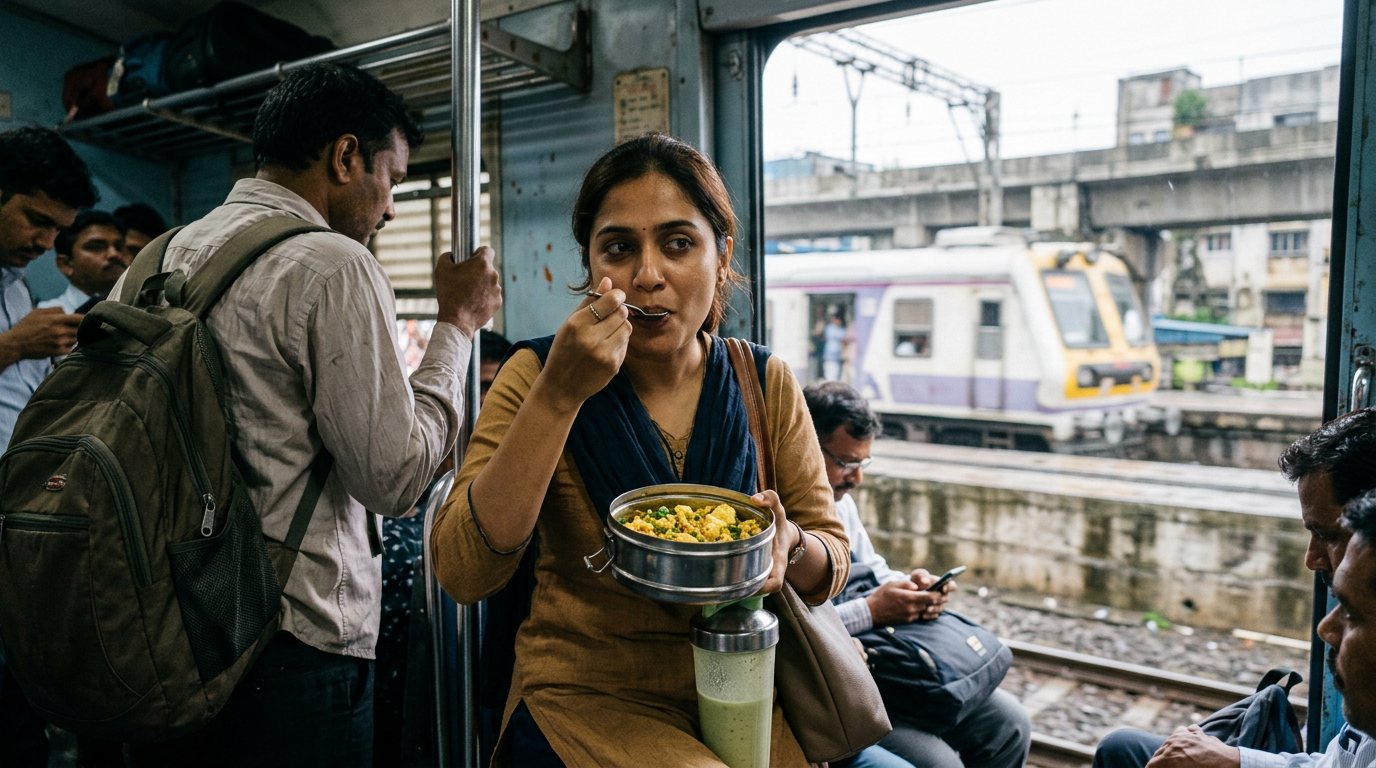
Quick High Protein Breakfast Ideas for a Hectic Mumbai Life
Struggling to fit a healthy meal into your Mumbai morning rush? Here are some quick high protein breakfast ideas, from souped-up poha and paneer bhurji to grab-and-go shakes.
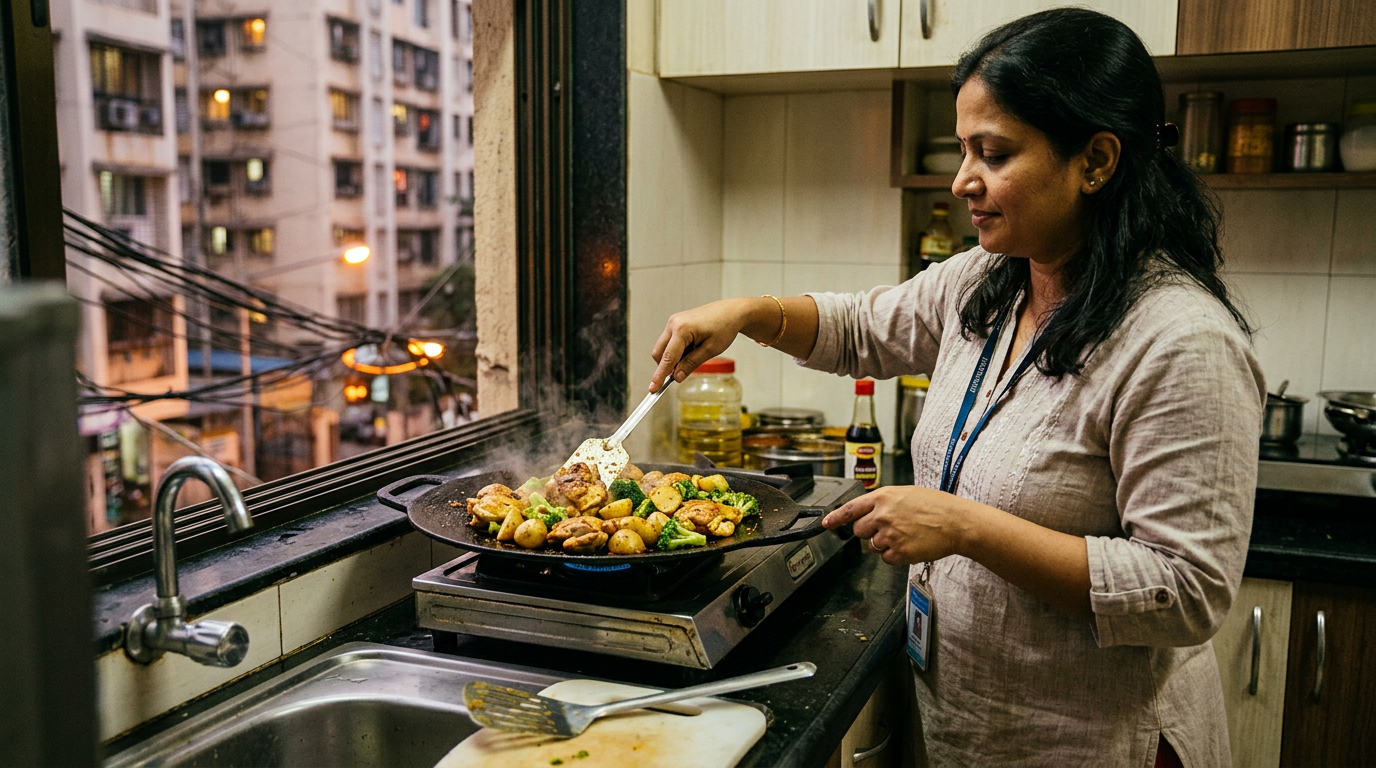
Effortless One Pan Dinner Recipes for Busy Mumbaikars
Beat the post-commute exhaustion with our guide to one pan dinner recipes. Perfect for busy Mumbaikars, these dishes minimize cleanup and maximize flavour.