
How to Save Money on Groceries: A Mumbai & Navi Mumbai Guide
From navigating the Vashi APMC to mastering D-Mart and using apps like Zepto smartly, here's your ultimate guide on how to save money on groceries in Mumbai and Navi Mumbai.
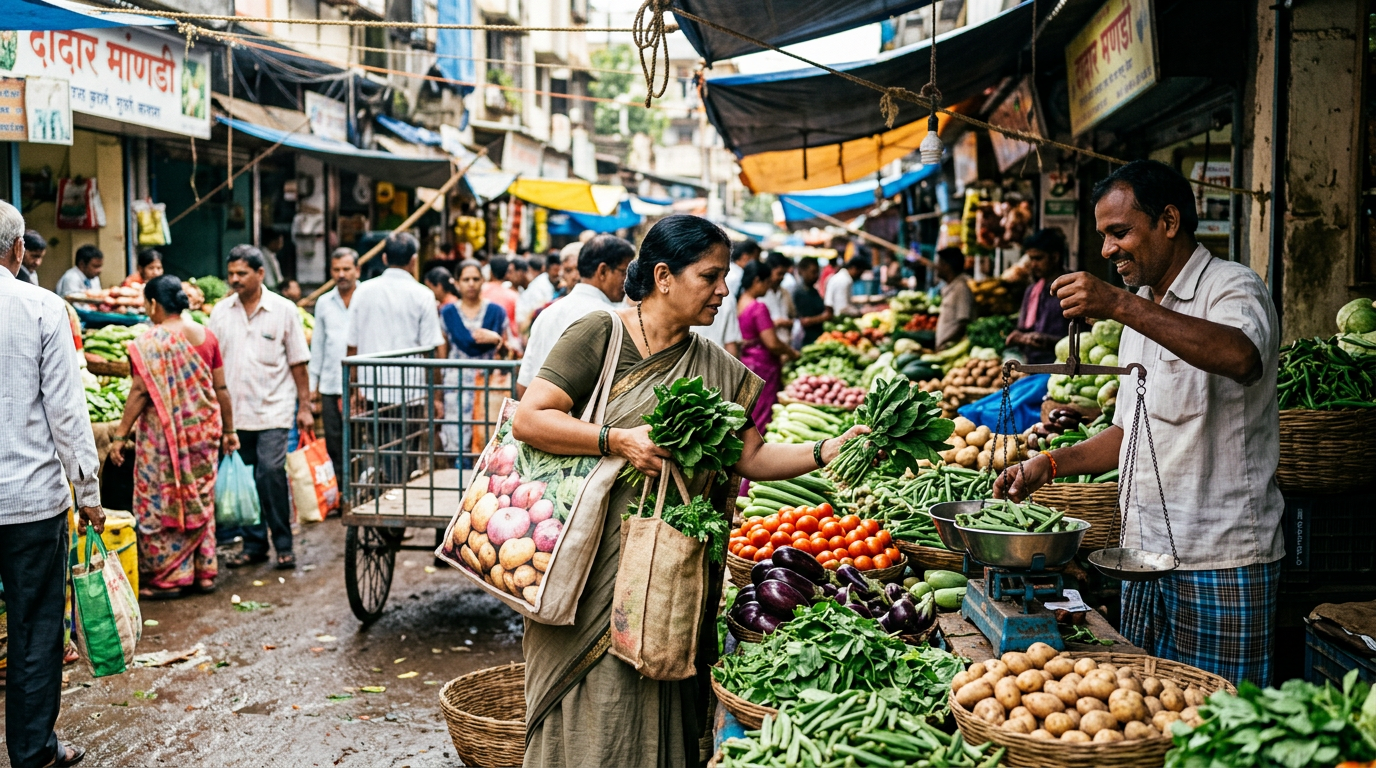
That weekly grocery bill seems to be climbing faster than the property rates in Bandra, doesn't it? One minute you’re just picking up milk and bread, and the next, the cashier at Nature's Basket is announcing a number that makes you question your life choices. Living in the Mumbai Metropolitan Region (MMR) is an expensive affair, and with food inflation being a constant headline, figuring out how to save money on groceries is no longer just a frugal hack; it’s a necessary survival skill. But don't worry, we've got you covered with practical, Mumbai-specific strategies.
Master the Mandai: Your Local Vegetable Market
Before the shiny aisles of supermarkets and the instant gratification of 10-minute delivery, there was the mandai. And for the savviest shoppers, it remains the undisputed champion of fresh, affordable produce. Whether you're near the sprawling Dadar West vegetable market, the legendary Pali Market in Bandra, or the smaller neighbourhood markets in Chembur or Ghatkopar, the principles of saving are the same. The real wholesale hub, of course, is the APMC Market in Vashi, the source from which most of Mumbai's produce flows. While a trip there might not be practical for everyone, understanding this ecosystem is key.
Tips for Mandai Mastery:
- Go Late, Save Great: Vendors are often looking to offload their remaining stock towards the end of the day. A visit around 8 PM can yield significant bargains, as they'd rather sell at a discount than carry stock over. You might get a whole 'vaata' (bunch) of spinach for the price of half.
- Know Your Seasons: Buying mangoes in December will cost a fortune. Stick to seasonal produce. In summer, it’s all about mangoes, melons, and gourds. Monsoon brings leafy greens and corn. Winter is for strawberries, carrots, and peas. Your local vendor in Thane or Panvel is your best guide to what's fresh, local, and therefore, cheap.
- Build a Rapport: Become a regular. Your local sabziwala will get to know your preferences, give you the best of his stock, and maybe even throw in some free 'kothimbir-mirchi' (coriander and chillies). This relationship is more valuable than any loyalty card.
- Learn the Art of Gentle Bargaining: Don't be aggressive, but don't accept the first price quoted for bulk purchases. A polite, “Bhaiya, aaju baju se le rahe hai, kuch aacha lagao,” can go a long way. This is especially true for items like potatoes and onions where you're buying a few kilos at once.
Comparing a kilo of tomatoes from a Matunga market at ₹40 versus a supermarket's ₹60 for 'premium' graded ones can easily save you 30-40% right off the bat.
Strategic Supermarket and Hypermarket Shopping
While the mandai is great for produce, staples and packaged goods often require a trip to the supermarket. Here, strategy is everything. Walking into a D-Mart, Star Bazaar, or Reliance Fresh without a plan is a recipe for budget disaster. These stores are masterfully designed to encourage impulse purchases, from the biscuits at the checkout counter to the 'buy one, get one' deals on things you don't need.
The D-Mart Phenomenon
Let's talk about the holy grail for Mumbai's middle class: D-Mart. With outlets from Virar to Panvel, its 'Always Low Prices' model is legendary. The key is to go on a weekday morning to avoid the weekend crowds that could rival a local train at peak hour. Their own brands (D-Mart Miniso, D-Mart Premia) offer excellent value on staples like rice, sugar, and cleaning supplies. A 5kg bag of D-Mart brand Basmati rice can be ₹150-200 cheaper than a leading brand's equivalent, with little discernible difference for daily cooking.
"Supermarkets are designed like casinos; to keep you inside for as long as possible and to make you lose track of your spending. The only way to win is to go in with a rigid plan and stick to it, no matter how tempting that imported chocolate aisle looks."
Beyond D-Mart
For those in areas like Powai or South Mumbai, where a D-Mart might be a trek, hypermarkets like Star Bazaar (a TATA enterprise) and Reliance Smart Superstore are solid alternatives. Their loyalty programs (Clubcard, etc.) are worth signing up for, and their apps often have exclusive digital coupons. The trick is to focus your shopping on their private label products (e.g., Star Bazaar's 'Fabsta' or Reliance's 'Good Life' brands) for maximum savings. A bottle of Fabsta ketchup might be 30% cheaper than Heinz. Avoid the allure of gourmet sections in places like Foodhall or Nature's Basket unless you are going for a specific, discounted item. These are great for exotic ingredients, but not for your everyday dal-chawal supplies. Check their 'Near Expiry' sections for heavily discounted bakery items or imported goods you can use up quickly.
Leverage Technology: Grocery Apps and Delivery Services
The rise of quick commerce apps like Zepto, Blinkit, Swiggy Instamart, and old faithfuls like BigBasket has changed the grocery game in Mumbai. The convenience of getting groceries delivered to your 20th-floor apartment in Kandivali in under 15 minutes is undeniable. But is it economical? It can be, if you're smart about it.
The Pros and Cons of Quick Commerce
Pros: These apps are fantastic for distress purchases. Ran out of milk for your morning chai or onions for the bhaji? A quick order saves you a trip downstairs. They also have frequent flash sales and BOGO (Buy One Get One) deals that are genuinely good. A '50% off on Dairy Milk Silk' can be a real deal if you were planning to buy it anyway.
Cons: The danger lies in small, frequent orders. A ₹15-₹30 delivery fee on a ₹200 order adds up. You're paying a premium for speed. Also, the unit prices on these apps can sometimes be slightly higher than at a physical D-Mart or local kirana. The biggest pitfall is impulse buying driven by convenience. It's too easy to add a bag of chips or a tub of ice cream to meet the free delivery threshold.
Making Apps Work for Your Wallet
- Consolidate Orders: Plan your needs for a couple of days and place one larger order to either get free delivery or minimize the fee's impact.
- Use Subscription Services: If you're a frequent user, BigBasket's 'BB Star' membership can be worthwhile. The benefits, like free delivery above a certain amount (e.g., ₹600), can outweigh the subscription cost over a few months.
- Compare and Conquer: Don't be loyal to one app. Before placing a large order, quickly check prices for key items on 2-3 different apps. You might find that Blinkit has a better deal on atta while Zepto has cheaper vegetables that day.
- Utilise Wallet Offers: These apps often have partnerships with banks and digital wallets like PayTM or GPay. Look for '10% off on ICICI cards' or '₹50 cashback via Mobikwik' to shave a little more off your bill.
Ultimately, use these apps as a tool, not a crutch. They are best for planned, consolidated weekly orders or genuine emergencies, not for satisfying a sudden 10 PM craving for Doritos. For that, you might be better off visiting the late-night kirana store in your lane.
The Power of Meal Planning and 'Fridge-Raid' Cooking
One of the biggest leaks in a household budget isn't the price of groceries, but the cost of wasted food and last-minute takeaway orders. A tough day at work followed by a crowded commute on the Central Line from CST to Thane can make ordering a biryani on Swiggy seem like the only sane option. This is where meal planning becomes a financial superpower. It’s the ultimate defence against the “kya banau aaj?” (what should I cook today?) dilemma.
How to Meal Plan, Mumbai Style
You don't need a fancy whiteboard or a complex app. Just a simple notepad or a note on your phone works.
- Check What You Have: Before you make a list, look in your fridge and pantry. Got half a cabbage, a lonely capsicum, and some paneer? That's the start of a delicious Paneer Jalfrezi. This prevents buying duplicates and reduces waste.
- Plan Around Your Schedule: Know you'll be home late on Wednesday? Plan for a quick meal like dal-khichdi or a simple pasta. Weekend? That's when you can plan a more elaborate meal like [INTERNAL_LINK: a new chicken curry recipe].
- Theme Your Days: To simplify things, you could have 'Dal Day' on Monday, 'Sabzi Day' on Tuesday, 'Pulses Day' (Chole, Rajma) on Wednesday, and so on. This structures your shopping list and your cooking.
- Cook Once, Eat Twice: Make a larger batch of sabzi or dal. Leftover bhaji from dinner can be stuffed into a paratha for the next day's breakfast. Leftover dal can be used to make dal parathas or even be tempered differently for a fresh taste. Think of how leftover Pav Bhaji mash is often turned into a 'Masala Pav' the next day at street food stalls – apply that same logic at home!
By planning your meals, your grocery list becomes incredibly focused. You go to the market in Vashi or Andheri knowing you need exactly 250g of bhindi, 1kg of potatoes, and a coconut, and you're less likely to be tempted by other things.
Bulk Buying: A Double-Edged Sword in Mumbai Homes
The advice to 'buy in bulk to save' is common, but in a city where space is the ultimate luxury, it needs careful consideration. Storing a 25kg sack of rice in a 500 sq. ft. apartment in Girgaon is a very different proposition from doing so in a spacious bungalow in Navi Mumbai's Kharghar or Seawoods. Bulk buying is only smart if you have the space to store the items properly and you will use them before they expire or spoil.
What to Buy in Bulk
- Dry Staples: Items with a long shelf life are prime candidates. This includes rice, wheat (which you can get milled fresh at a local chakki), dals, pulses, and sugar. Visiting a wholesale market like the one in Masjid Bunder or the APMC in Vashi once every few months for these items can lead to massive savings compared to buying 1kg packets from a supermarket. Team up with a neighbour or family member to share a larger sack if you're short on space.
- Household Supplies: Things like laundry detergent, dish soap, and toilet paper don't expire. Buying the jumbo 'family pack' is almost always more economical per unit.
What NOT to Buy in Bulk
- Fresh Produce: Unless you're a family of ten, buying vegetables and fruits in bulk is a bad idea. They will likely spoil before you can use them. It's better to make more frequent, smaller trips to your local vendor.
- Oils and Spices: While they seem non-perishable, cooking oils can go rancid and ground spices lose their potency and flavour over time. Buy spices in smaller quantities from a local masala store or, better yet, buy whole spices and grind them as needed.
- Items You Haven't Tried: That 'exclusive offer' on a 2-litre bottle of a new brand of olive oil might seem great, but what if you don't like the taste? You're stuck with it. Always try a smaller pack first.
For most Mumbaikars, a hybrid approach works best. Buy your monthly non-perishables in bulk from a hypermarket or wholesaler, and get your fresh produce every 2-3 days from the local market. This gives you the best of both worlds: bulk savings and fresh food.
Explore Your Neighbourhood Kirana and Specialty Stores
In the age of hypermarkets and instant delivery, it's easy to overlook the cornerstone of Indian retail: the humble kirana store. This small, family-run shop in your building or at the end of your lane can be a secret weapon in your grocery-saving arsenal. They thrive on relationships and offer a level of convenience and flexibility that big stores can't match.
The Kirana Advantage
- Small Quantities: Need just one egg, two lemons, or 50 grams of a specific masala for a new recipe? Your kirana store owner won't bat an eyelid. This 'sachet-sized' purchasing prevents waste and saves you from buying a whole packet of something you'll rarely use.
- The 'Khata' System: For regular customers, many kiranas still operate on a credit system or 'khata'. This can be a lifesaver towards the end of the month, allowing you to track all your small purchases and settle them at one go.
- Free and Truly Instant Delivery: Long before Zepto promised 10-minute delivery, the kirana store's 'Chotu' was delivering items to your doorstep in five minutes, often with no delivery charge or minimum order.
Beyond the everyday kirana, Mumbai is dotted with specialty stores that offer better quality and prices for specific items. For instance, buying fish directly from the source at Sassoon Docks or a local Koliwada market in Sion or Versova will get you fresher catch at a lower price than any supermarket. Similarly, the spice markets in Lalbaug or Crawford Market offer a dizzying array of freshly ground masalas that are far superior and often cheaper than their packaged counterparts. Exploring these local gems, like finding a good dry fruit vendor in Grant Road, not only saves you money but also connects you more deeply with the city's food culture. Don't forget your local bakery for fresh, affordable bread and khari, often half the price of the sliced, packaged loaves at the supermarket. Check out [INTERNAL_LINK: our guide to Mumbai's best bakeries] for some ideas.
Conclusion: Your Wallet, Your Kitchen, Your City
Saving money on groceries in Mumbai isn't about extreme couponing or depriving yourself of good food. It's about being a smarter, more conscious consumer. It's about knowing when to brave the crowds at D-Mart for your monthly stock-up, and when to build a friendly rapport with your local sabziwala in Borivali. It's about using technology like BigBasket for planned convenience, not for impulse buys. By blending the old-world wisdom of market shopping and meal planning with the modern convenience of apps and hypermarkets, you can create a system that works for your lifestyle, your budget, and your small Mumbai kitchen. Start by implementing just one or two of these strategies this week, and watch the savings add up. Soon, you'll have a little extra in your pocket—perhaps for a well-deserved weekend treat at one of [INTERNAL_LINK: Mumbai's iconic cafes].
What are your go-to tricks for saving on groceries in the MMR? Share your best tips in the comments below!
Keep reading
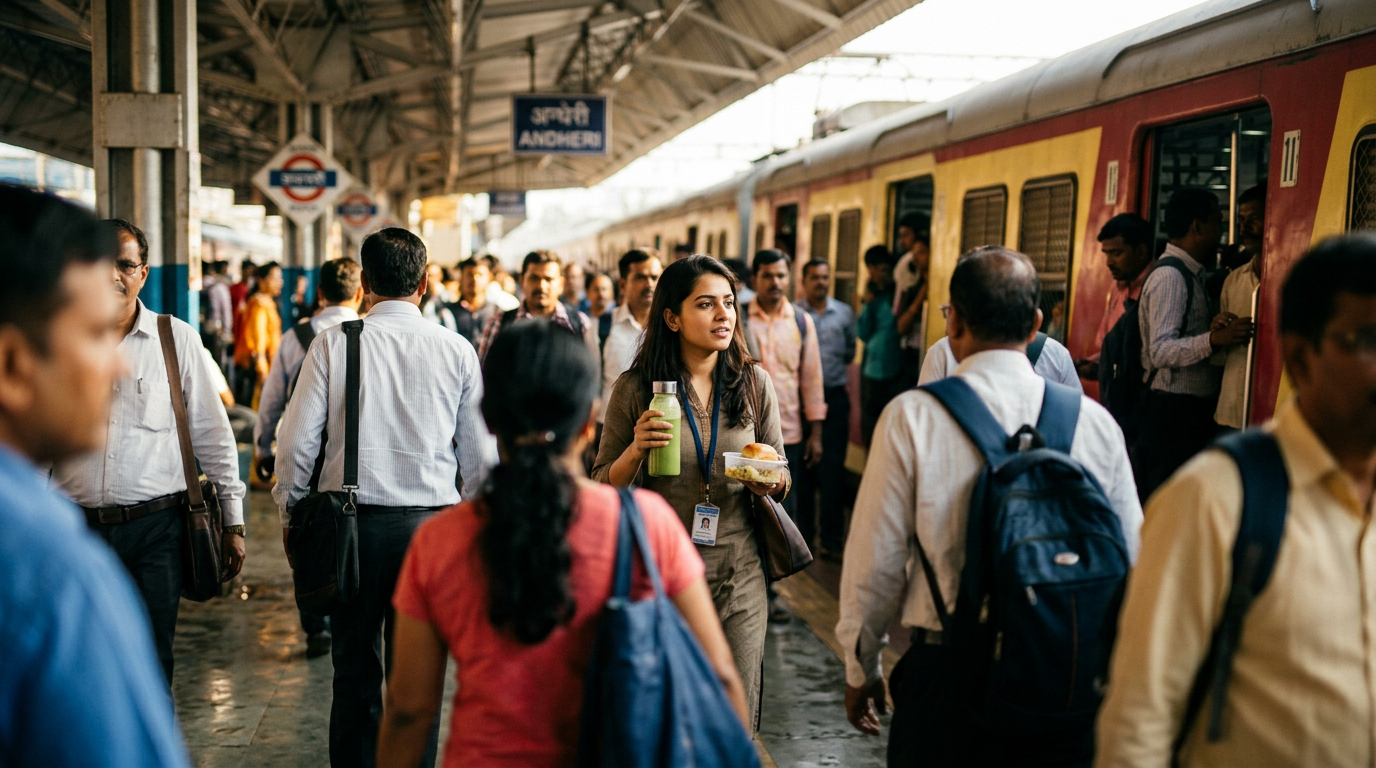
Quick High Protein Breakfast Ideas for Mumbaikars
Stuck in the Mumbai local train rush with no time for a proper meal? We've got you covered with quick high protein breakfast ideas that go beyond the usual vada pav.
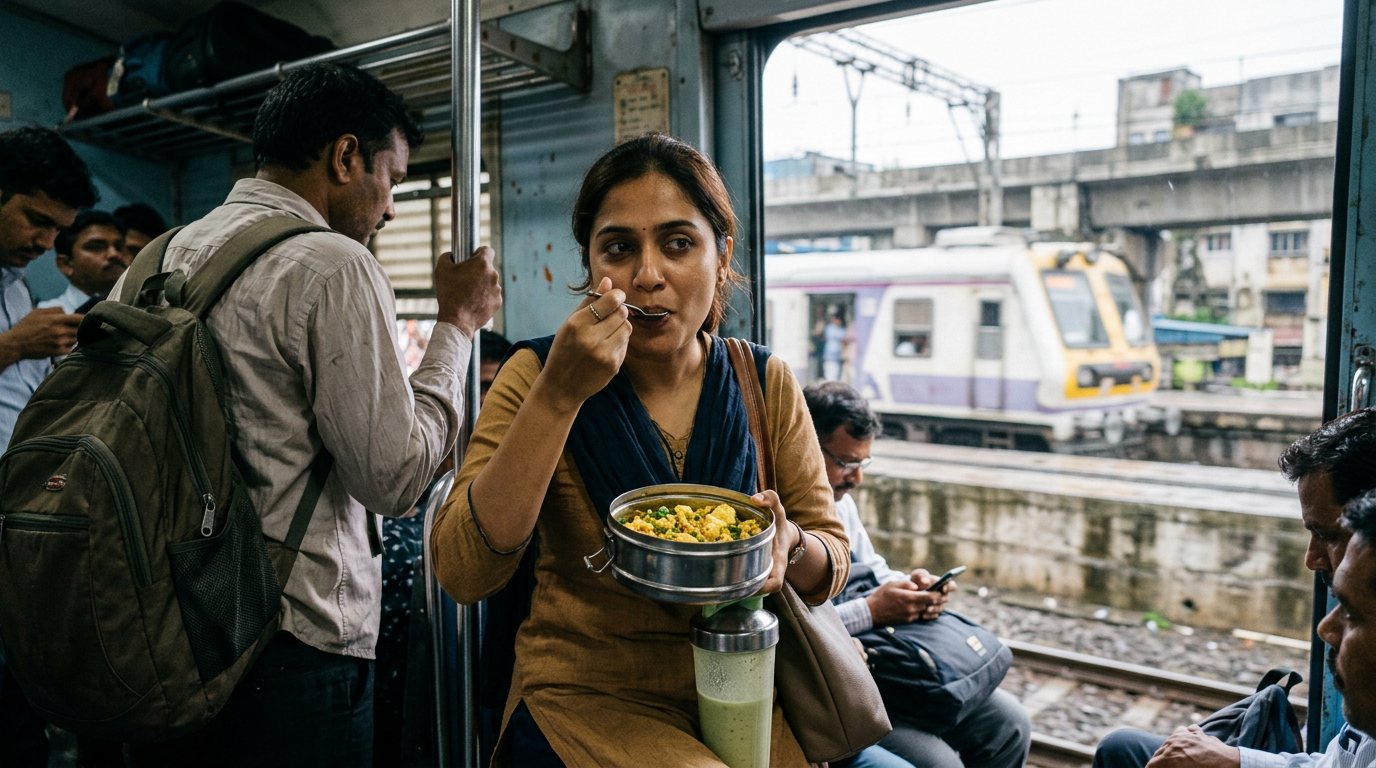
Quick High Protein Breakfast Ideas for a Hectic Mumbai Life
Struggling to fit a healthy meal into your Mumbai morning rush? Here are some quick high protein breakfast ideas, from souped-up poha and paneer bhurji to grab-and-go shakes.
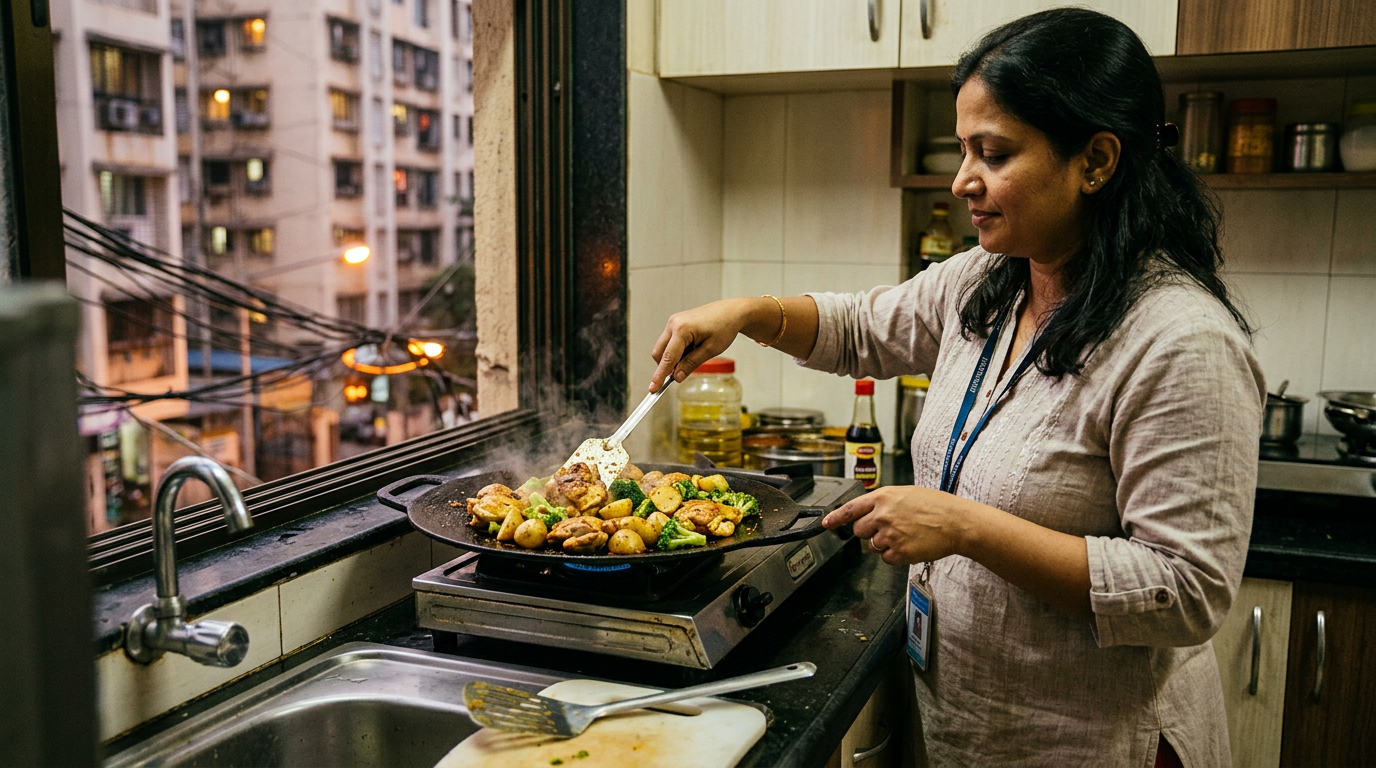
Effortless One Pan Dinner Recipes for Busy Mumbaikars
Beat the post-commute exhaustion with our guide to one pan dinner recipes. Perfect for busy Mumbaikars, these dishes minimize cleanup and maximize flavour.