
How to Cook Restaurant-Style Pasta at Home: A Global Guide
Ever wondered how to cook restaurant-style pasta at home? It's about much more than just boiling noodles. We'll show you the global secrets to pasta perfection.
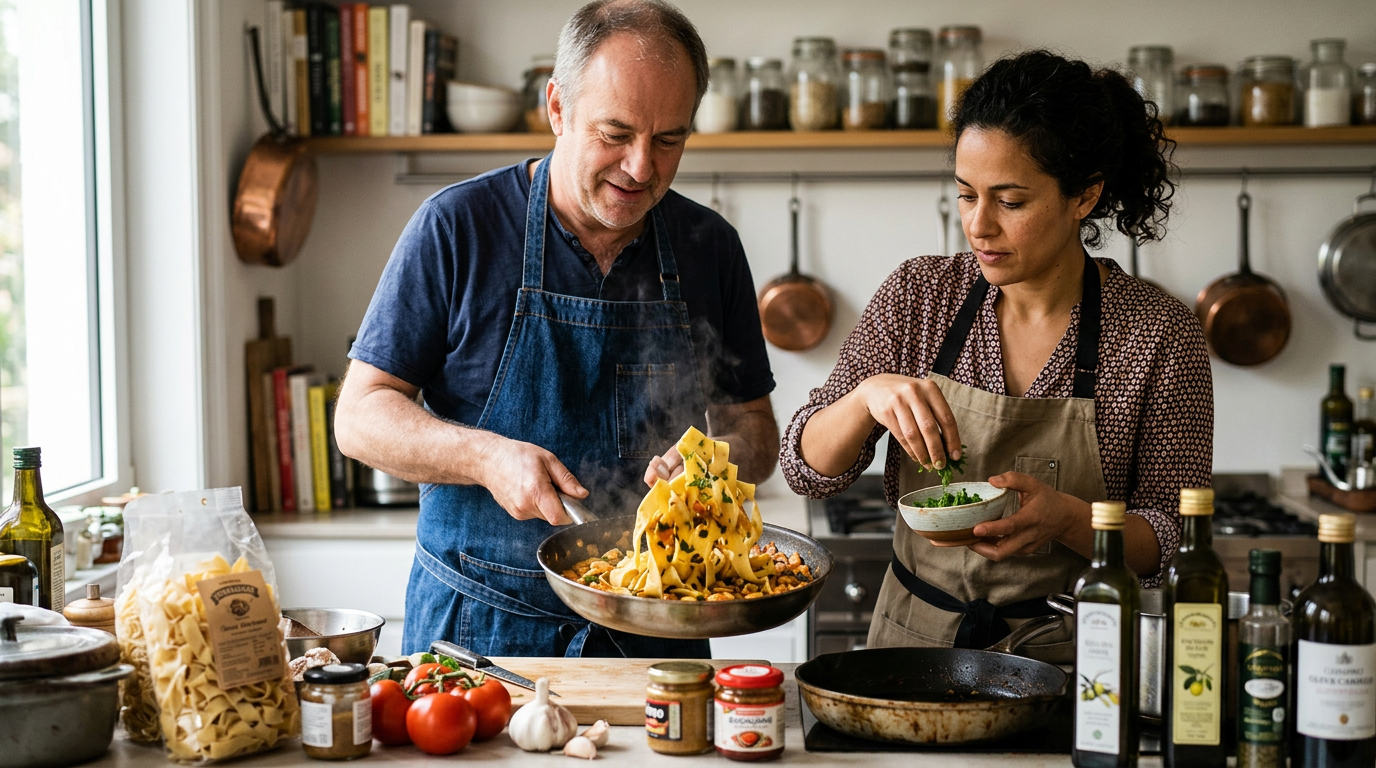
There's a unique magic to a plate of pasta served in a great restaurant. The sauce clings perfectly to every piece, the texture has an assertive, satisfying bite, and the flavors are deeper and more cohesive than anything you seem to manage in your own kitchen. You’ve followed recipes to the letter, but the result is often just... pasta with sauce on top. The good news is that the gap between home and professional cooking is smaller than you think. Learning how to cook restaurant-style pasta at home isn’t about owning expensive equipment; it’s about understanding a few key techniques that chefs around the world rely on, from the trattorias of Rome to the fusion kitchens of Seoul.
It Starts with the Pasta: Sourcing and Selection Secrets
The foundation of any great pasta dish is, unsurprisingly, the pasta itself. While fresh pasta has a certain romantic appeal, the vast majority of world-class pasta dishes, especially in Italy, are made with high-quality dried pasta. The secret lies in how it’s made. Look for pasta that is “bronze-die cut” (trafilata al bronzo). This traditional method forces the dough through bronze plates, creating a rough, porous surface texture. Why does this matter? That micro-texture is what grabs and holds onto sauce, preventing that sad, watery pool at the bottom of your bowl. Brands from Gragnano, Italy, are famous for this, but artisanal producers from Australia to the United States are adopting these methods.
Of course, fresh pasta has its place. Its tender, delicate texture is ideal for filled pastas like ravioli or for pairing with rich, creamy sauces. You can make your own with a simple pasta machine or find high-quality versions at local Italian delis or specialty grocers. Beyond Italy, think about noodle-making traditions worldwide. The techniques used for Japanese ramen or udon—focusing on specific flours and hydration levels—are inspiring a new generation of pasta makers to experiment with different grains like spelt, rye, and buckwheat for unique flavors and textures. Don't be afraid to try a less common shape; each one is designed to pair with a specific style of sauce. Long, thin pastas like spaghetti love oil-based or light tomato sauces, while shells, tubes, and twists are perfect for trapping chunky vegetable or meat sauces.
The Sacred Act of Cooking Pasta: It's All in the Water
Ask any Italian nonna or professional chef for their number one pasta tip, and they will likely talk about the water. The process of boiling pasta is often rushed at home, but it’s a critical step that sets the stage for success. You need three things: a large pot, plenty of water, and a generous amount of salt.
First, volume is key. Using a large pot with at least 4-6 liters of water for a standard package of pasta ensures that the temperature doesn’t drop dramatically when you add the noodles. This helps the pasta cook evenly and prevents it from clumping together. This brings us to a common myth: adding oil to the water. Don't do it. While it might slightly reduce sticking, it also coats the pasta in a fine film of oil, which will prevent your beautiful sauce from clinging to it later—the exact opposite of our goal.
Second, the salt. The water should be, as the Italian saying goes, “salty as the sea.” This might seem like a lot, but it’s your only opportunity to season the pasta itself from the inside out. A bland noodle will dilute your sauce and result in a flat-tasting dish, no matter how flavorful your sauce is. As a general rule, use about 1 to 1.5 tablespoons of coarse sea salt for every 4 liters of water. Finally, cook the pasta until it is perfectly al dente, which translates to “to the tooth.” It should be cooked through but still have a firm, distinct bite in the center. The package instructions are a guideline; start tasting it a couple of minutes before the suggested time. Remember, the pasta will continue to cook in the next step when you combine it with the sauce.
The Soul of the Dish: Building a World-Class Sauce
A restaurant-quality sauce is a symphony of balanced flavors, not just a one-note affair. Whether you’re making a complex ragù or a simple three-ingredient sauce, the principles of building flavor are universal.
The Foundation: Quality and Patience
Many great Italian sauces begin with a soffritto—a finely chopped mixture of onion, carrot, and celery sautéed gently in olive oil. This aromatic base, known as mirepoix in French cuisine, builds a deep, savory foundation that you can't achieve by just dumping ingredients in a pot. Use high-quality core ingredients. If you’re making a tomato sauce, use the best tomatoes you can find, like canned San Marzano tomatoes, which have a wonderful balance of sweetness and acidity. Let your sauce simmer slowly. Time allows the flavors to meld and deepen, transforming simple ingredients into something truly special.
Global Sauce Inspirations
While Italian tradition is the bedrock, chefs worldwide are creating incredible pasta dishes by incorporating their own culinary palettes. In Seoul, you'll find trendy restaurants serving gochujang cream pasta, a dish that brilliantly balances the spicy, funky Korean chili paste with the richness of cream. In Tokyo, mentaiko pasta, made with spicy cured pollack roe, butter, and cream, is a modern classic. These dishes work because they respect the balance of fat, acid, and salt that makes any pasta sauce great. Don't be afraid to experiment. A bit of miso can add umami depth to a mushroom sauce, while a dash of fish sauce can amplify the savory notes in a meat ragù.
Emulsification: The Real Chef's Secret
The single most important secret to a silky, restaurant-style sauce is emulsification. This is the process of binding fat (from oil, butter, or cheese) with water to create a smooth, creamy, and stable sauce that coats the pasta perfectly. The key ingredient? That cloudy, starchy water you were about to pour down the drain. This “liquid gold” is full of starch released by the cooking pasta, and that starch acts as a powerful emulsifier and thickener. Always, always reserve at least a cup of pasta water before you drain your noodles.
The “Mantecatura”: Marrying Pasta and Sauce
This is it. The final, crucial step that separates amateur pasta from professional pasta. The term mantecatura refers to the act of vigorously finishing the pasta in the pan with the sauce to create a harmonious, emulsified dish. It is a non-negotiable technique in any serious kitchen. Instead of spooning sauce over a pile of plain noodles, you are making the pasta and sauce become one.
Here’s how to do it:
- Cook the Pasta Al Dente: As mentioned, undercook your pasta by about 1-2 minutes from the package directions. It needs to be firm, as it will finish cooking in the sauce.
- Reserve the Water: Just before draining, scoop out a mugful of the starchy pasta water and set it aside.
- Drain and Transfer: Drain the pasta (don't rinse it!) and immediately transfer it to the pan where your sauce is simmering over low heat.
- Toss and Add Water: Add a small splash of the reserved pasta water to the pan. Now, start stirring and tossing the pasta vigorously. You can use tongs, a spoon, or if you’re feeling confident, the classic chef’s pan flip.
- Create the Emulsion: As you toss, the heat from the pan, the starch in the water, and the fat in your sauce will begin to emulsify. The sauce will thicken and start to cling beautifully to each strand of pasta. If it looks too dry, add another splash of pasta water. If it’s too thin, continue to toss over the heat until it thickens. For dishes like Cacio e Pepe or carbonara, this process is often done off the heat to prevent the cheese from clumping or the eggs from scrambling.
This technique, more than any other, is what will elevate your home cooking to restaurant level. It ensures every single bite is perfectly seasoned and sauced.
Beyond the Basics: Proteins, Vegetables, and Global Pairings
A great pasta dish is a balanced one. When adding other elements like proteins or vegetables, the goal is to enhance the dish, not overwhelm it. The key is to cook these components properly and incorporate them at the right moment.
Perfectly Cooked Proteins
Avoid the common mistake of stewing your protein in the sauce, which often leads to a rubbery, tough texture. Whether you’re using chicken, shrimp, or Italian sausage, it’s almost always better to cook it separately. Sear the protein in a hot pan to develop a flavorful crust (a process called the Maillard reaction), then remove it and set it aside. Add it back to the pasta and sauce at the very end of the mantecatura process, just to heat it through. This preserves its ideal texture and flavor.
Vegetable Harmony
Vegetables can bring freshness, color, and texture to pasta. Consider their cooking times and properties. Hardy vegetables like broccoli or asparagus benefit from a quick blanch in the pasta water for the last minute of cooking before being tossed with the sauce. More delicate vegetables like spinach or arugula can be wilted directly into the hot pasta and sauce at the end. Sautéing mushrooms or zucchini separately develops their flavor before they join the party. This respects the integrity of each ingredient, a philosophy central to good cooking everywhere from Provence to Tuscany. For inspiration, check out our guide to [INTERNAL_LINK: seasonal vegetable pasta dishes].
“To take the best of the past and carry it into the future.”
This quote from the celebrated Italian chef perfectly captures the spirit of modern pasta making. We honor the traditional techniques—the salted water, the al dente bite, the mantecatura—while embracing the global pantry of flavors available to us today.
The Final Flourish: Plating and Garnishing Like a Pro
You’ve done all the hard work; now it’s time to present your masterpiece. Plating is the final step that signals you’ve created something special. You don't need to be an artist, but a few simple tricks make a big difference.
For long pasta like spaghetti or linguine, use a carving fork or tongs to grab a portion of the pasta and twirl it inside a ladle to create a neat, elegant nest. Carefully slide this nest into the center of a shallow bowl. For short pasta, simply spoon it into a bowl, trying to build a bit of height in the center.
Garnishes should add a final layer of flavor and texture. A generous grating of high-quality cheese is classic. Use real Parmigiano-Reggiano or Pecorino Romano, and grate it freshly over the dish with a microplane for a light, fluffy texture that melts instantly. A drizzle of extra-virgin olive oil—a peppery, finishing oil, not your cooking oil—adds aroma and a touch of fruity bitterness. Freshly chopped herbs like parsley or basil lend freshness. For a textural crunch loved in Southern Italy, toast some coarse breadcrumbs in olive oil until golden brown and sprinkle this pangrattato over the top. Or take a cue from global trends and add a sprinkle of toasted sesame seeds, chili flakes, or finely sliced scallions. These final touches engage all the senses and transform a simple meal into a memorable dining experience.
Your Pasta Masterclass: Putting It All Together
Cooking pasta like a restaurant chef is an attainable skill. It’s a craft built on a few fundamental pillars: start with high-quality ingredients, season your pasta by salting the water generously, cook it to a perfect al dente, and most importantly, finish the dish in the pan with starchy pasta water to create a flawless, emulsified sauce. This is the universal language of great pasta, spoken in kitchens across the globe.
The journey to mastering this craft is a delicious one. Don't feel pressured to tackle a complex, 20-ingredient recipe on your first try. Instead, put these techniques into practice with a simple, elegant dish. Try a classic [INTERNAL_LINK: cacio e pepe recipe] or a simple aglio e olio (garlic and oil). These dishes have nowhere to hide; their success depends entirely on proper technique, making them the perfect training ground.
So, roll up your sleeves, put on a pot of water to boil, and get ready to transform the way you cook pasta forever. We’d love to see your creations—share them with us on social media using our hashtag!
Keep reading
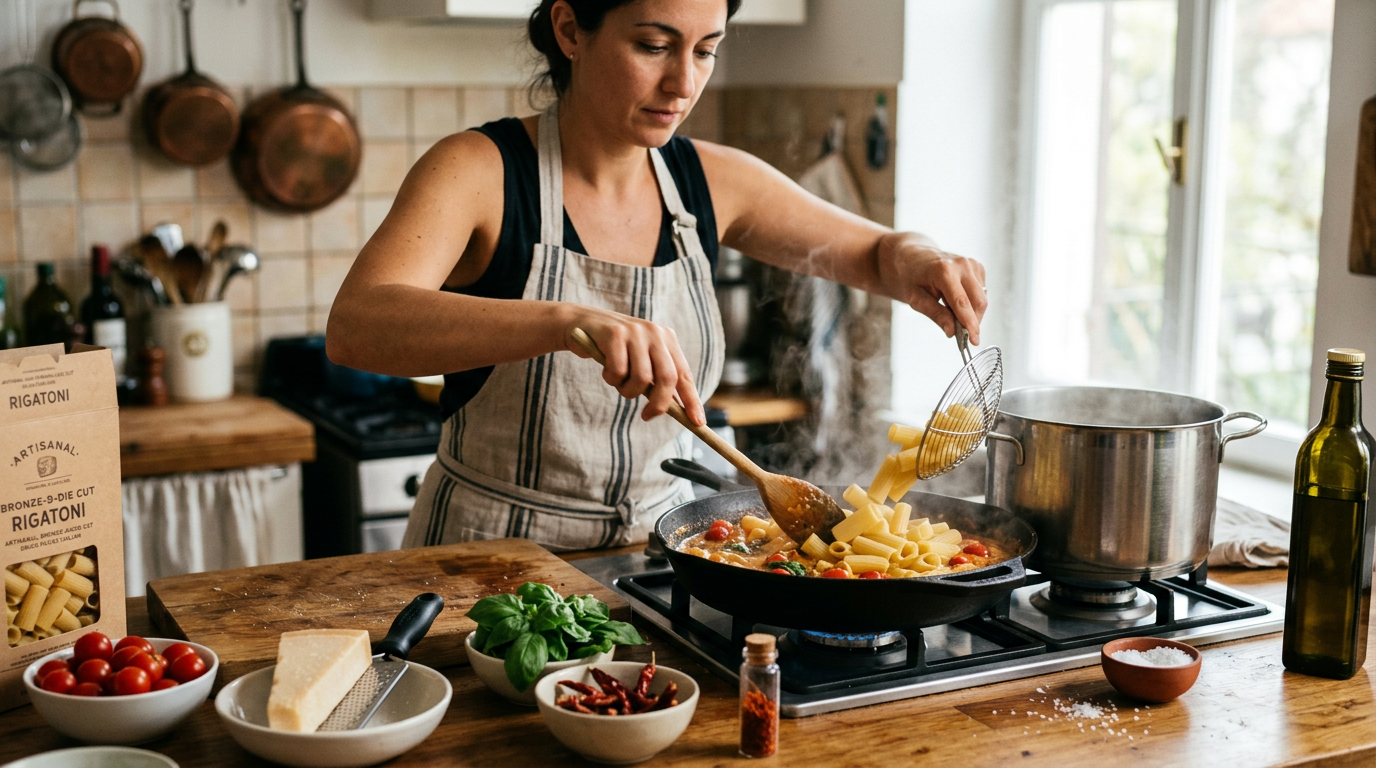
How to Cook Restaurant Style Pasta at Home: A Global Guide
Tired of lackluster pasta? Unlock the secrets to making restaurant-quality dishes in your own kitchen. We'll show you how to cook restaurant style pasta at home with global tips and pro techniques.

How to Start Investing With Little Money: A Global Guide
Think you need a fortune to start building wealth? It’s a common myth. We'll show you how to start investing with little money, no matter where you are in the world.
How to Create a Morning Routine That Sticks: A Global Guide
Struggling to build a morning routine you can actually maintain? This guide offers practical, globally-inspired advice on how to create a morning routine that sticks.