
How to Cook Restaurant-Style Pasta at Home: A Global Guide
Tired of lackluster noodles? Learn how to cook restaurant-style pasta at home with our expert guide, exploring techniques from Italy to Japan and beyond.
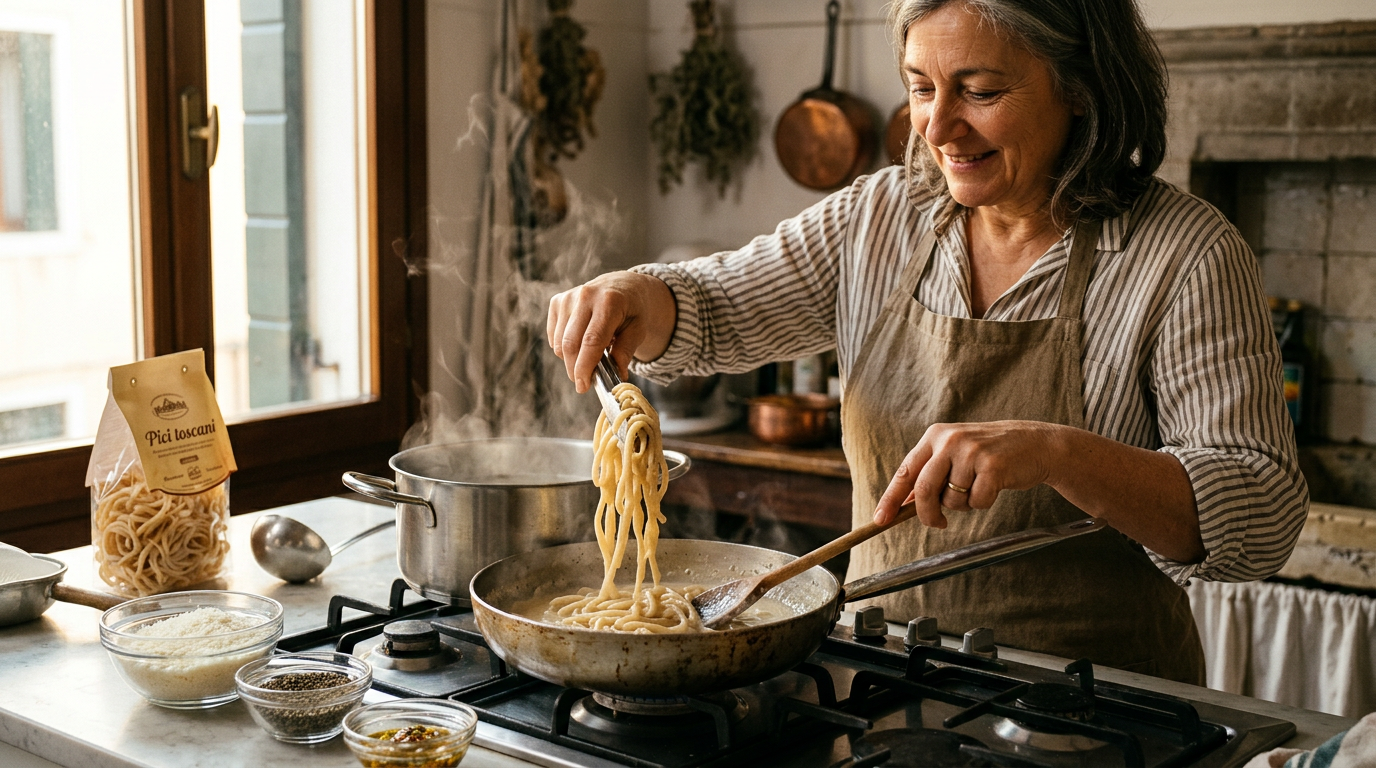
There's a universal moment of quiet disappointment that can happen in the home kitchen. You've followed the recipe, bought the ingredients, and yet the spaghetti on your plate is... fine. It’s nourishing, but it lacks the soul-stirring alchemy of the pasta you had at that small trattoria in Rome, or even the vibrant bowl from the modern bistro downtown. What is their secret? It’s simpler and more profound than you think. The key to unlocking that next level is not about sourcing impossible-to-find ingredients, but about mastering a few core techniques. This guide will teach you exactly how to cook restaurant-style pasta at home, transforming your Tuesday night dinner into a memorable dining experience, with insights from kitchens all over the world.
The Foundation: It Starts with the Pasta
Before a drop of water hits the pot, the path to a superior dish begins with your main ingredient. The world of pasta is far broader than the Italian-made durum wheat varieties that line most supermarket shelves. While a high-quality bronze-die extruded pasta from Gragnano, Italy, will give you a rough, sauce-gripping texture that is second to none, thinking globally opens up new possibilities. In Germany and Austria, you’ll find Spätzle, a soft egg noodle often served with rich meat sauces or caramelized onions and cheese (Käsespätzle). In Japan, buckwheat soba noodles are tossed in savory broths or served cold for dipping, showcasing a completely different textural and flavor profile. The lesson here is universal: quality and context matter. For Italian-style dishes, choose a pasta shape that complements your sauce. Long, thin pastas like spaghetti or linguine work beautifully with lighter oil- or cream-based sauces. Sturdy, tube-shaped pastas like penne or rigatoni are perfect for catching chunky, robust ragùs. And don’t discount fresh pasta; while not always “better” than dried, its tender, delicate nature is ideal for simple butter or cream sauces where the noodle itself is the star. When you learn to see pasta not just as a vehicle but as an integral component, you’ve taken the first step toward a restaurant-quality result.
The Secret Weapon: Mastering Pasta Water
If there is one single takeaway that will forever change your pasta game, it is this: respect the pasta water. Chefs around the world refer to it as “liquid gold,” and for good reason. When you cook pasta, the starches from the flour leach into the water, creating a cloudy, savory, and powerful liquid. This starchy water is the key to creating a silky, emulsified sauce that clings perfectly to every single strand, rather than pooling sadly at the bottom of the bowl. Here’s how to get it right, every single time:
- Use a Large Pot: Pasta needs room to move. A crowded pot leads to uneven cooking and clumping. A good rule of thumb is to use at least 4-6 liters (or quarts) of water for every pound (about 450g) of pasta.
- Salt Generously: Do not be shy. The water should be, as the Italian grandmothers say, “as salty as the Mediterranean.” This is your only chance to season the pasta itself from the inside out. A good measure is about 1 to 2 tablespoons of coarse salt for every 4 liters of water. It will taste very salty, but most of it goes down the drain.
- Achieve a Rolling Boil: Add the pasta only when the water is at a vigorous, rolling boil. This helps the pasta cook evenly and prevents it from becoming gummy. Stir immediately after adding it and a few times during cooking.
- Cook to Al Dente: This is crucial. Al dente, or “to the tooth,” means the pasta is cooked through but still has a firm bite in the center. Start tasting the pasta about 2 minutes before the package instructions suggest. It should feel slightly undercooked.
- Save the Water: Before you even think about draining the pasta, use a mug or a ladle to reserve at least a cup or two of the cooking water. Then, drain the rest. Never rinse your pasta (unless making a cold pasta salad); you’d be washing away the precious starch that helps the sauce adhere.
This starchy water is the bridge between your noodles and your sauce, an emulsifying agent that brings everything together in perfect harmony.
Building Flavor: The Art of the Sauce Base
A great pasta sauce isn’t just a collection of ingredients; it’s a carefully constructed layering of flavors. In kitchens from Bologna to Bangkok, cooks know that the foundation you build determines the final character of the dish. In Italy, this often starts with a soffritto—a gentle sauté of finely chopped onion, carrot, and celery in olive oil. This aromatic base, cooked slowly until soft and sweet, is the heart of countless ragùs, soups, and braises. It’s not a flashy step, but its depth is irreplaceable. This principle of an aromatic vegetable base is a global culinary constant. In France, it’s the similar mirepoix, often with the addition of butter. In Cajun and Creole cooking in the United States, it’s the “Holy Trinity” of onion, celery, and bell pepper. Spanish and Latin American kitchens rely on sofrito, a vibrant mix that can include tomatoes, garlic, peppers, and onions. Even in Asian cooking, the principle holds, with aromatics like garlic, ginger, and scallions hitting hot oil to create a fragrant foundation. What can we learn from this? To build a restaurant-quality sauce, start slow. Let your aromatics soften and caramelize, releasing their complex sugars and creating a layer of flavor you can’t get from just throwing everything in a pot at once. Whether you’re using pancetta, garlic, chili flakes, or anchovies, give each ingredient the time it needs to contribute its unique voice to the chorus. [INTERNAL_LINK: perfect homemade tomato sauce]
Emulsification: The Technique for Silky, Cohesive Sauces
This is the moment where home cooking often diverges from professional cooking. At home, we tend to cook pasta, drain it, and then spoon sauce on top. In a restaurant, the final, most critical step happens in the pan. The technique is called mantecatura, which roughly translates to “creaming” or finishing the pasta in the pan with the sauce. This is where you use your reserved “liquid gold.”
The Science of a Perfect Sauce
An emulsification is a mixture of two things that don’t normally combine, like oil and water. A great pasta sauce is a stable emulsification. The starch from the pasta water acts as a powerful emulsifier and thickener. When you add a splash of this cloudy water to your sauce base (which contains fat, like olive oil, butter, or rendered guanciale), and then add the nearly-cooked pasta, a little magic happens. As you toss, stir, or shake the pan vigorously, the starch molecules help bind the fat and water together, creating a creamy, seamless sauce that coats the noodles beautifully instead of being greasy or watery.
Putting It into Practice
Cacio e Pepe is the ultimate test of this technique. With just three ingredients—pasta, Pecorino Romano cheese, and black pepper—there’s nowhere to hide. The creamy sauce isn’t from cream; it’s an emulsification of cheese (fat), pasta water (water), and starch. To achieve it, you toss the al dente pasta in a pan off the heat with the cheese, pepper, and splashes of pasta water until a luscious, clingy sauce forms. The same principle applies to Carbonara, Amatriciana, or even a simple garlic and oil (Aglio e Olio). The final minute or two of cooking should always happen with the pasta in the sauce, with a little pasta water to bring it all together. This one change will elevate your pasta more than any other single tip.
Global Inspirations: Pasta Beyond the Boot
While Italy is pasta’s spiritual home, its journey around the world has resulted in fascinating and delicious adaptations. Exploring these global variations not only provides new recipe ideas but also reinforces the versatility of this humble ingredient. These dishes show that the principles of balancing flavor, texture, and a good sauce are universal, even if the ingredients change.
Wafu Pasta in Japan
Wafu, meaning “Japanese-style,” pasta is a popular category of cooking that emerged in post-war Japan. It fuses Italian techniques with traditional Japanese ingredients. You’ll find spaghetti tossed with savory Mentaiko (spicy cod roe), butter, and slivered nori seaweed, or umami-rich sauces made from soy sauce, shiitake mushrooms, and dashi. These dishes are a masterclass in fusion, respecting the pasta while infusing it with a distinctly Japanese flavor profile.
Filipino Spaghetti
In the Philippines, spaghetti took on a life of its own, adapting to the local palate. Filipino spaghetti is a beloved party and comfort food, known for its sweet sauce made from banana ketchup, ground meat, and sliced red hot dogs. Topped with a generous amount of processed cheddar cheese, it’s a sweet, savory, and delightfully unique creation that showcases how a dish can be completely reinterpreted and embraced by a new culture.
Caribbean Macaroni Pie
Across the Caribbean, particularly in places like Trinidad and Tobago and Barbados, Macaroni Pie is a staple. It’s a far cry from a creamy stovetop mac and cheese. This is a firm, baked casserole of macaroni, evaporated milk, eggs, and a sharp cheddar-style cheese, often seasoned with onion, mustard, and a hint of pepper. It’s sliced into squares and served as a hearty side dish at Sunday lunches and celebrations. It’s a testament to pasta's role as the ultimate comfort food, adapted to local tastes and traditions.
Finishing Touches: Presentation and Garnishes That Impress
You’ve selected your pasta, salted your water, built your sauce, and mastered the emulsification. The final step is to finish and plate your dish with the care it deserves. A chef’s attention to detail in the final moments can turn a great dish into an unforgettable one. Here are some professional tricks:
- Use a High-Quality Finishing Oil: A drizzle of a vibrant, peppery extra-virgin olive oil over the finished dish just before serving adds a layer of aroma and fresh flavor that cooked oil cannot provide.
- Freshly Grated Cheese, Always: Pre-shredded cheese contains anti-caking agents that prevent it from melting smoothly and dull its flavor. A chunk of Parmigiano-Reggiano, Pecorino Romano, or Grana Padano and a Microplane grater are a worthy investment. Grate it fresh over the hot pasta for the best flavor and texture. [INTERNAL_LINK: guide to italian cheeses]
- The Power of Herbs: A sprinkle of fresh, chopped parsley, basil, or chives adds a burst of color and freshness that cuts through rich sauces. Make sure they are finely chopped and added at the very end.
- Add Some Crunch: Texture is key. Toasted breadcrumbs, known in Italy as pangrattato or “poor man’s Parmesan,” add a delightful crunch. Simply toast coarse breadcrumbs in a pan with a little olive oil and garlic until golden. Toasted nuts, like pine nuts or walnuts, can also work wonders.
- Plate with Intention: Warm your bowls before plating. This keeps the pasta hot for longer. Use tongs to lift and twist long pasta into a neat mound in the center of the bowl. For shorter pasta, a large spoon can help you create a tidy, appealing presentation.
“Salt, Fat, Acid, Heat: These are the four basic elements of good cooking, and they are your compass, your kitchen map, your secret to a lifetime of good cooking.”
Pairing and Serving: Completing the Experience
The perfect bowl of pasta can stand on its own, but the right accompaniments elevate it to a complete, restaurant-style meal. This doesn’t have to be complicated. A simple green salad with a sharp vinaigrette is often the perfect counterpoint to a rich pasta dish, the acidity cutting through the fat and cleansing the palate. A few slices of crusty bread are essential for fare la scarpetta, the wonderful Italian practice of mopping up every last bit of sauce from the plate. When it comes to wine, the old rule of “what grows together, goes together” is a great starting point. An Italian Chianti with a tomato-based ragù is a classic for a reason. Here are a few more simple guidelines:
- Tomato-Based Sauces (e.g., Marinara, Amatriciana): The high acidity in tomatoes pairs well with a medium-bodied red wine with good acidity, like a Sangiovese (Chianti) or Barbera.
- Cream or Cheese-Based Sauces (e.g., Alfredo, Carbonara): The richness of these sauces calls for a crisp, dry white wine to cut through the fat. Think Pinot Grigio, Sauvignon Blanc, or an unoaked Chardonnay.
- Seafood Pastas (e.g., Linguine alle Vongole): Match the delicate flavors of the sea with a light, crisp, mineral-driven white wine, like a Vermentino from Sardinia or a Greek Assyrtiko.
- Pesto and Green Sauces: An herbaceous sauce pairs beautifully with a zesty, herbal white wine like Sauvignon Blanc.
For non-alcoholic options, consider sparkling water with a squeeze of lemon, a bitter Italian soda like Sanbittèr, or an iced tea to refresh the palate. [INTERNAL_LINK: wine pairing basics]
Troubleshooting Common Pasta Problems
Even seasoned chefs run into issues. Knowing how to fix common pasta problems is the mark of a confident cook. Here’s a quick guide to pasta triage:
- Problem: The pasta is sticky and clumped together.
Cause: Not enough water in the pot, not stirring, or adding pasta before the water was at a rolling boil.
Solution: Unfortunately, this is hard to fix after the fact. Prevention is key. Next time, use more water and stir within the first minute of cooking. Rinsing can separate it, but you'll lose the starch. Best used for a pasta bake at this point. - Problem: The sauce is watery and won't stick to the noodles.
Cause: You skipped the mantecatura step. You probably plated the pasta and poured sauce on top.
Solution: Finish cooking the pasta in the sauce. Add the undercooked pasta and a ladle of starchy pasta water to the pan with your sauce and toss over medium-high heat until the sauce thickens and clings to the noodles. - Problem: The sauce is greasy and has separated.
Cause: The emulsification broke. This often happens if the pan is too hot when you add cheese, or if you don't have the right ratio of fat to water.
Solution: Take the pan off the heat. Add a splash of starchy pasta water and whisk or toss vigorously. The starch should help bring the sauce back together into a creamy, cohesive state. - Problem: The pasta is overcooked and mushy.
Cause: Cooked for too long.
Solution: There is no going back from mushy pasta. The only solution is to be vigilant. Start tasting 2-3 minutes before the box says it's done. Remember, it will continue to cook in the hot sauce, so pulling it when it's distinctly al dente is critical.
Cooking great pasta is a skill, not a mystery. By mastering these fundamental techniques—using quality ingredients, salting your water, reserving that starchy gold, and finishing the dish in the pan—you can consistently produce pasta that rivals your favorite restaurant. Forget recipes that promise a “30-minute meal” by cutting corners. Instead, embrace the process. Start simple. Try making a proper Aglio e Olio, just garlic, oil, chili, and pasta. When you see how the starchy water transforms those simple ingredients into a creamy, delicious sauce, you'll have unlocked the most important secret of all. What's your go-to pasta dish? Share your creations and your questions in the comments below!
Keep reading
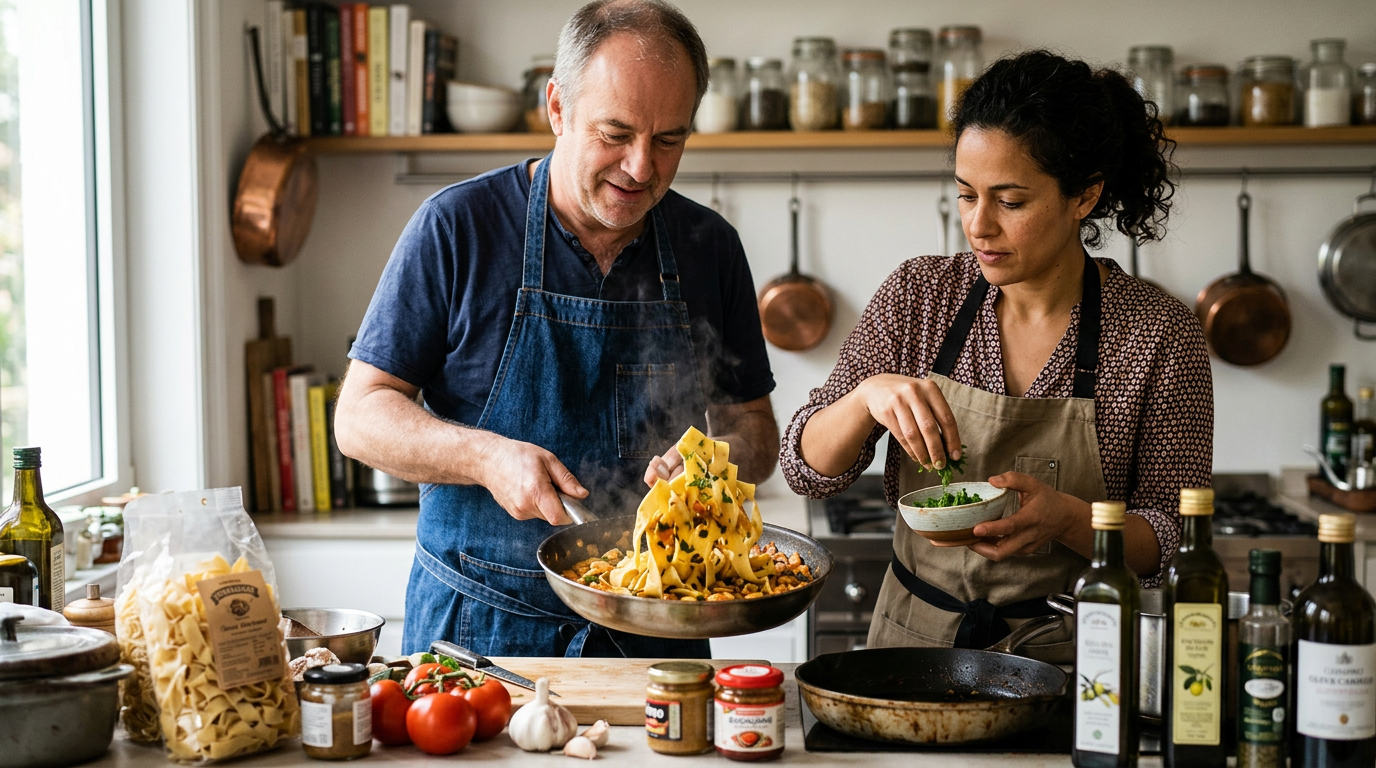
How to Cook Restaurant-Style Pasta at Home: A Global Guide
Ever wondered how to cook restaurant-style pasta at home? It's about much more than just boiling noodles. We'll show you the global secrets to pasta perfection.
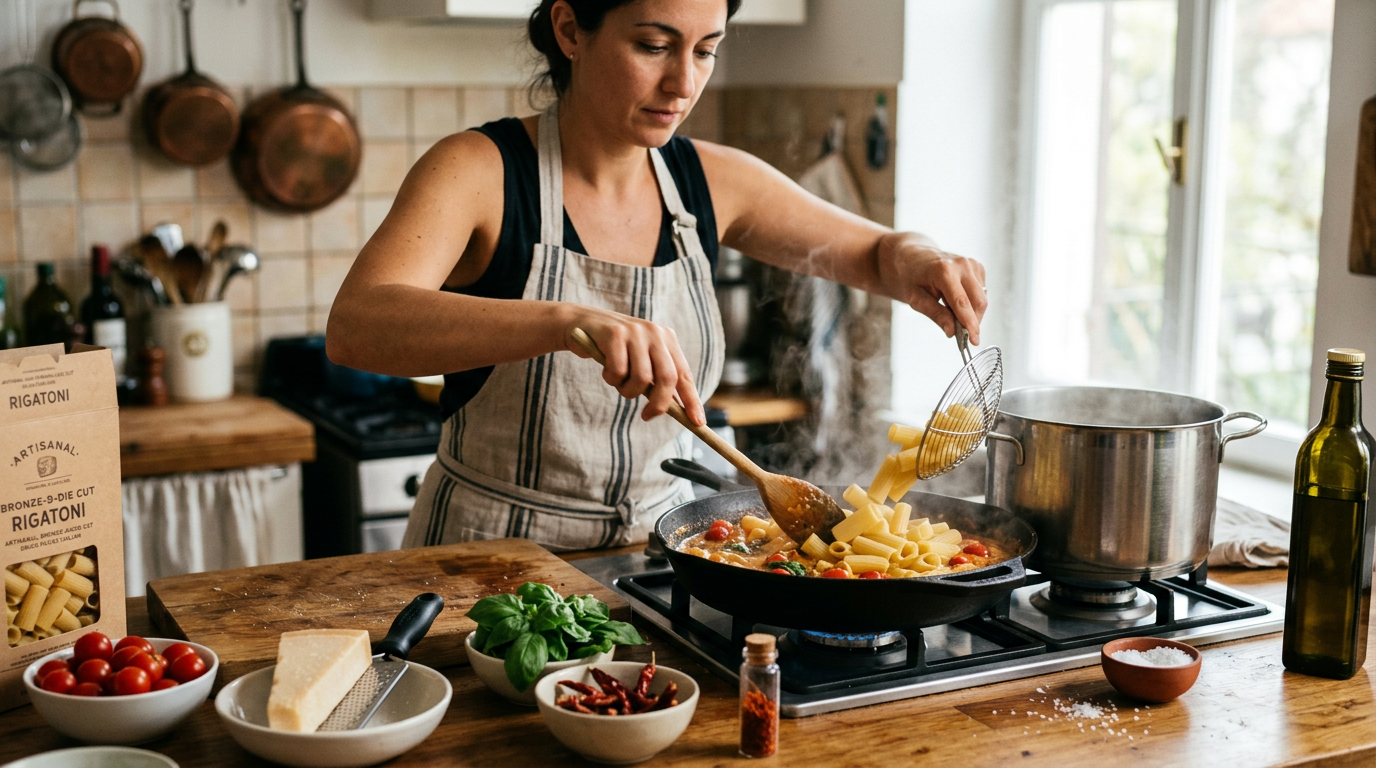
How to Cook Restaurant Style Pasta at Home: A Global Guide
Tired of lackluster pasta? Unlock the secrets to making restaurant-quality dishes in your own kitchen. We'll show you how to cook restaurant style pasta at home with global tips and pro techniques.

How to Start Investing With Little Money: A Global Guide
Think you need a fortune to start building wealth? It’s a common myth. We'll show you how to start investing with little money, no matter where you are in the world.