
Minimalist Living for Beginners: A Mumbai Guide
Feeling cramped in your Mumbai flat? This beginner's guide to minimalist living offers practical tips for decluttering your home and life in the MMR, from Bandra to Belapur.
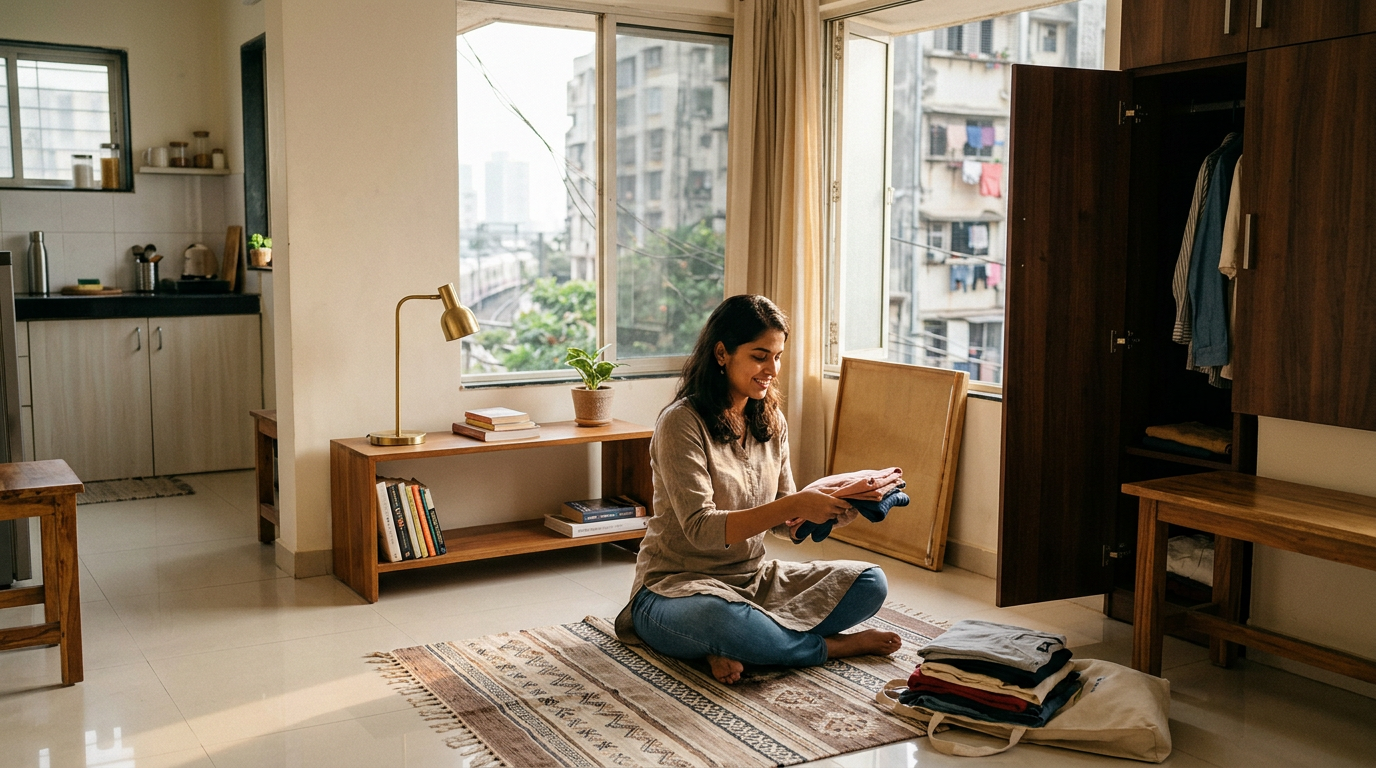
Look around your Mumbai apartment. If the walls feel like they’re closing in, and your cupboards are a game of Tetris you’re destined to lose, you're not alone. In a city where square feet are more precious than gold, embracing minimalist living for beginners isn't just a trendy lifestyle choice; it's a practical survival strategy. It’s about consciously choosing what to keep, making room for what matters, and finding a sense of calm amidst the relentless energy of our beloved metropolis. This isn't about stark white walls and owning only three shirts; it's about reclaiming your space, your finances, and your sanity.
Why Minimalism is a Game-Changer for Mumbaikars
Let's be honest: living in the Mumbai Metropolitan Region (MMR) is a constant negotiation with space. Whether you're in a charming but compact pre-war building in Matunga, a modern 2BHK in a Powai high-rise, or a CHS flat in Vashi, space is the ultimate luxury. Minimalism directly addresses this core Mumbai challenge. By intentionally owning fewer things, you create physical and visual space, making a 600 sq. ft. apartment feel more expansive and breathable. Imagine opening your wardrobe without an avalanche of clothes, or having clear kitchen counters that don't double as storage for appliances you used once. This visual peace translates directly into mental peace—a precious commodity in a city that never sleeps.
Beyond the square footage, think of the financial implications. The cost of living in Mumbai is notoriously high. Minimalism encourages mindful consumption. Instead of impulse buys at Phoenix Marketcity or stocking up during sales at Inorbit Mall, you start asking, "Do I truly need this?" This shift can save you thousands of rupees a month—money that could be better spent on a higher rental deposit for a place with a sea view, a weekend trip to Alibaug, or simply building a financial safety net. It’s a direct antidote to the consumer culture that surrounds us, offering a path to financial freedom in one of the world's most expensive cities.
The First Step: How to Declutter Your MMR Home
The thought of decluttering an entire home can feel as daunting as navigating the Dadar flower market during peak hours. The key is to start small. Don't try to tackle the whole house in one weekend. Instead, pick one small, manageable area: a single kitchen drawer, your bedside table, or that one chair in the corner that has become a monument to unworn clothes. The goal is to build momentum and confidence.
The Practical Purge
A popular and effective method is to categorize items. Take everything out of your chosen space and sort it into four boxes:
- Keep: Items you love, use regularly, and that add value to your life.
- Sell/Donate: Good-condition items you no longer need. Clothes can be given to NGOs like Goonj, while furniture and electronics can be sold on OLX or local Facebook groups.
- Relocate: Things that belong in another room. The stray papers that belong in your office file, the coffee mug that migrated from the kitchen.
- Discard/Recycle: Items that are broken, expired, or unusable. Your local raddiwala is your best friend here for old newspapers, plastics, and metals.
As you sort, ask yourself tough questions. When did I last use this? Does it spark joy, or does it spark anxiety? If it's a "just in case" item, how likely is that "case" to happen in a city where almost anything can be delivered in under an hour? This process isn't just about throwing things away; it's an audit of your life and habits.
Curating Your Wardrobe: From Linking Road Hauls to a Conscious Closet
Mumbai's shopping scene, from the fast-fashion giants at every mall to the tempting street-side bargains on Linking Road or Hill Road in Bandra, makes it incredibly easy to accumulate clothes. The result? A wardrobe bursting with outfits, yet the perpetual feeling of having "nothing to wear." A minimalist wardrobe flips this script, focusing on quality, versatility, and personal style over sheer volume.
The idea is to build a "capsule wardrobe"—a collection of essential, high-quality items that can be mixed and matched. Given Mumbai's climate, this means focusing on breathable fabrics like cotton, linen, and viscose. Think well-fitting trousers, a few classic t-shirts, a versatile kurti, a crisp white shirt, and a reliable jacket for the surprisingly chilly office AC or a movie at a PVR. It’s about choosing one great-quality, monsoon-proof bag from a brand like Mokobara instead of five cheap totes that won't survive a single season. This approach not only saves space and money but also eliminates daily decision fatigue. For those looking to be more sustainable, check out thrift stores like Bombay Closet Cleanse or consider clothing rental services for special occasions instead of buying a new outfit you'll wear only once.
"The secret of happiness, you see, is not found in seeking more, but in developing the capacity to enjoy less." - Socrates
Redefining the Mumbai Kitchen: Less Gadgets, More Flavour
The kitchen is often the heart of a Mumbai home, but it can also become a graveyard for single-use gadgets and impulse-purchased pantry items from the nearest D-Mart. A minimalist kitchen is efficient, clean, and a joy to cook in. Start by assessing your appliances. Do you really need a separate sandwich maker, panini press, and toaster? Often, a versatile grill pan can do the job of all three. Be ruthless about utensils—how many spatulas and ladles does one person truly need? Keep your favourites and donate the rest.
When it comes to your pantry, resist the urge to bulk-buy unless you have dedicated storage like a home in Navi Mumbai's spacious complexes might offer. For most apartments in areas like Andheri or Borivali, it's more practical to buy smaller quantities from your local kirana store. This ensures freshness and prevents your pantry from becoming an unmanageable mess. Invest in a set of uniform, stackable containers (the classic steel dabbas are perfect) to store dals, spices, and grains. This not only looks neat but also protects your food from humidity, a major concern during the Mumbai monsoon. A decluttered kitchen makes daily chores like cooking and cleaning significantly faster and more pleasant. Check out our guide to [INTERNAL_LINK: small kitchen organization for city apartments] for more ideas.
Smart Furnishing: Maximising Space in a Compact Home
When you have limited square footage, every piece of furniture must earn its place. The minimalist approach to furnishing is not about having an empty room, but about choosing smart, multifunctional, and appropriately scaled pieces. A bulky, ornate sofa set will overwhelm a small living room in Chembur. Instead, opt for a sleek, modern sofa with clean lines and exposed legs, which creates a sense of openness.
Think multifunctional:
- Sofa-cum-beds: A lifesaver when guests stay over.
- Expandable Dining Tables: Can stay compact for daily use and expand for dinner parties.
- Nesting Stools/Tables: Provide extra surfaces when needed without taking up permanent space.
- Storage Beds: Utilise the vast, often-wasted space under your mattress for storing linens, winter wear, or luggage.
Places like IKEA in Navi Mumbai are a great resource for minimalist and modular furniture. For more unique pieces, explore the custom furniture makers in the lanes of Andheri or the online catalogues of Urban Ladder and Pepperfry. When it comes to decor, less is more. Instead of cluttering walls with many small frames, choose one large, impactful piece of art—perhaps something you picked up at the Kala Ghoda Arts Festival. A few healthy plants from a local nursery in Thane or Bandra can add life and colour without creating clutter.
Embracing Experiences: A True Mumbaikar's Investment
Perhaps the most profound shift in minimalist living is the pivot from valuing possessions to valuing experiences. Mumbai offers an endless buffet of experiences that enrich life far more than another gadget or piece of clothing could. This is about redirecting the money you save from mindless shopping towards creating memories.
Instead of spending a Sunday afternoon at the mall, why not:
- Catch an experimental play at Prithvi Theatre in Juhu?
- Take a heritage walk through the historic Fort district?
- Join a pottery or painting workshop in a Bandra studio?
- Explore the burgeoning food scene in Khar?
- Spend a morning bird-watching at the Kharghar wetlands in Navi Mumbai?
- Simply enjoy a vada pav and cutting chai while watching the waves at Marine Drive?
These experiences don't add clutter to your home, but they add immense value to your life. They provide stories to tell, skills to learn, and a deeper connection to the incredible city we live in. Prioritising experiences over things is a powerful way to reduce consumption, improve your mental well-being, and truly live a richer life. This philosophy is at the very core of a sustainable and joyful minimalist lifestyle. Learn more about [INTERNAL_LINK: budget-friendly weekend activities in Mumbai].
Navigating Social Pressures and Festive Clutter
Adopting minimalism in a socially and culturally rich city like Mumbai comes with its own unique challenges. The culture of gifting, especially during Diwali, Christmas, weddings, and birthdays, can quickly undo your decluttering efforts. The key is gentle communication. Let your friends and family know about your new lifestyle. Suggest alternative gifts: you could ask for contributions towards a larger item you actually need, gift cards for experiences (like a meal at your favourite restaurant), or even a donation to a charity in your name.
For your own gifting, lead by example. Gift high-quality consumables like artisanal coffee or gourmet snacks, tickets to an event, or a plant. If you have children, managing the influx of toys and clothes can be tough. Implement a "one in, one out" rule, where for every new toy that comes in, an old one is donated. Involving kids in the process of donating their gently used toys to an orphanage or an NGO can be a valuable lesson in charity and mindfulness. Maintaining minimalism is an ongoing practice, not a one-time fix. It requires conscious effort, especially when faced with societal expectations, but the long-term benefits of a peaceful, intentional home are well worth it.
Your Journey to a Lighter Life Starts Now
Embracing minimalist living in Mumbai is not about deprivation; it's about empowerment. It’s about taking control of your environment, your finances, and your focus in a city that constantly demands your attention. By decluttering your space, you declutter your mind. By being intentional with your purchases, you free up resources for things that truly matter. You create a sanctuary from the urban hustle, a home that supports and rejuvenates you rather than drains you.
The journey may seem long, but it starts with a single step. You don't need to become a minimalist overnight. This week, choose one drawer, one shelf, or one small corner of your home. Go through the process, clear it out, and just sit with the feeling of that newly created space. That small pocket of calm is the promise of what's to come. What corner will you start with?
Keep reading
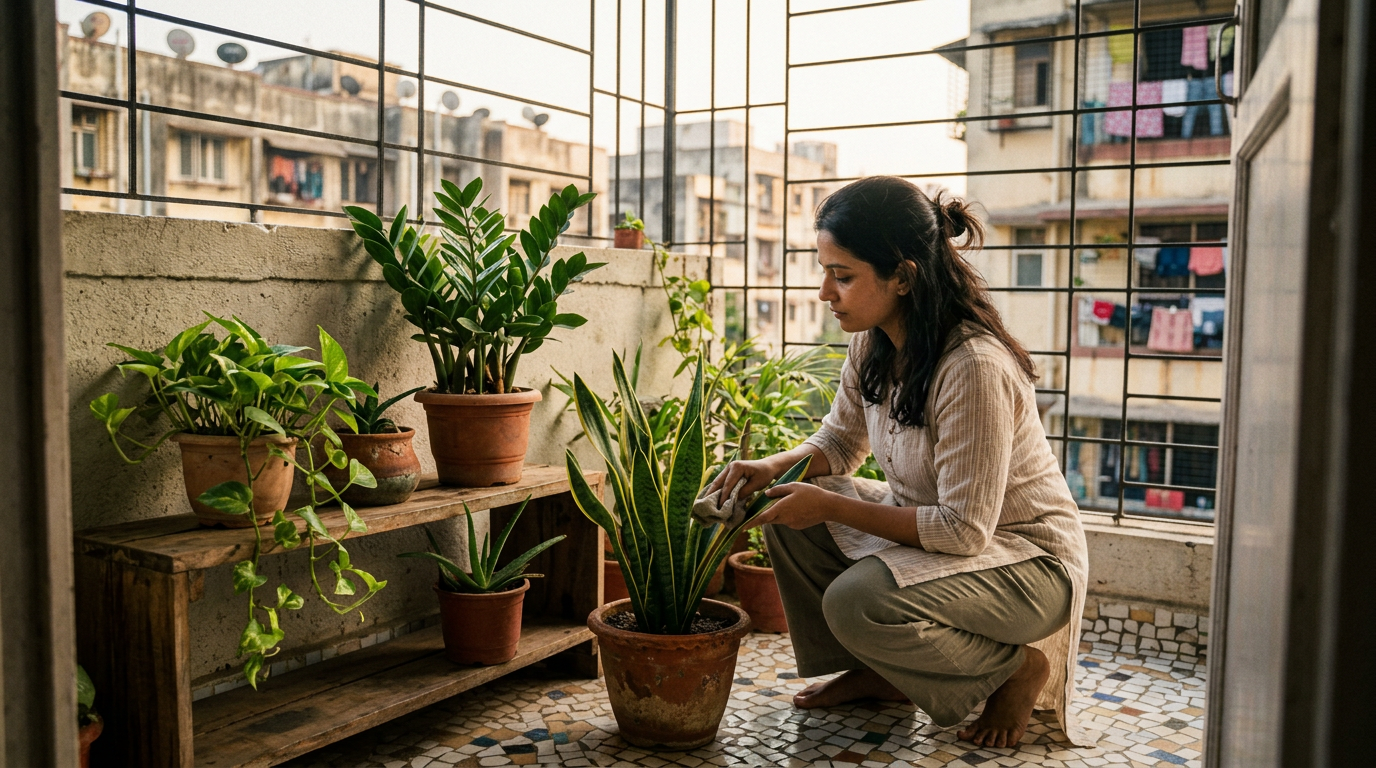
The Ultimate Guide to Low Maintenance Indoor Plants for Mumbai Homes
Transform your Mumbai apartment into a green oasis. Discover the toughest, most forgiving low maintenance indoor plants that can handle a Mumbaikar's busy life and our city's unique climate.
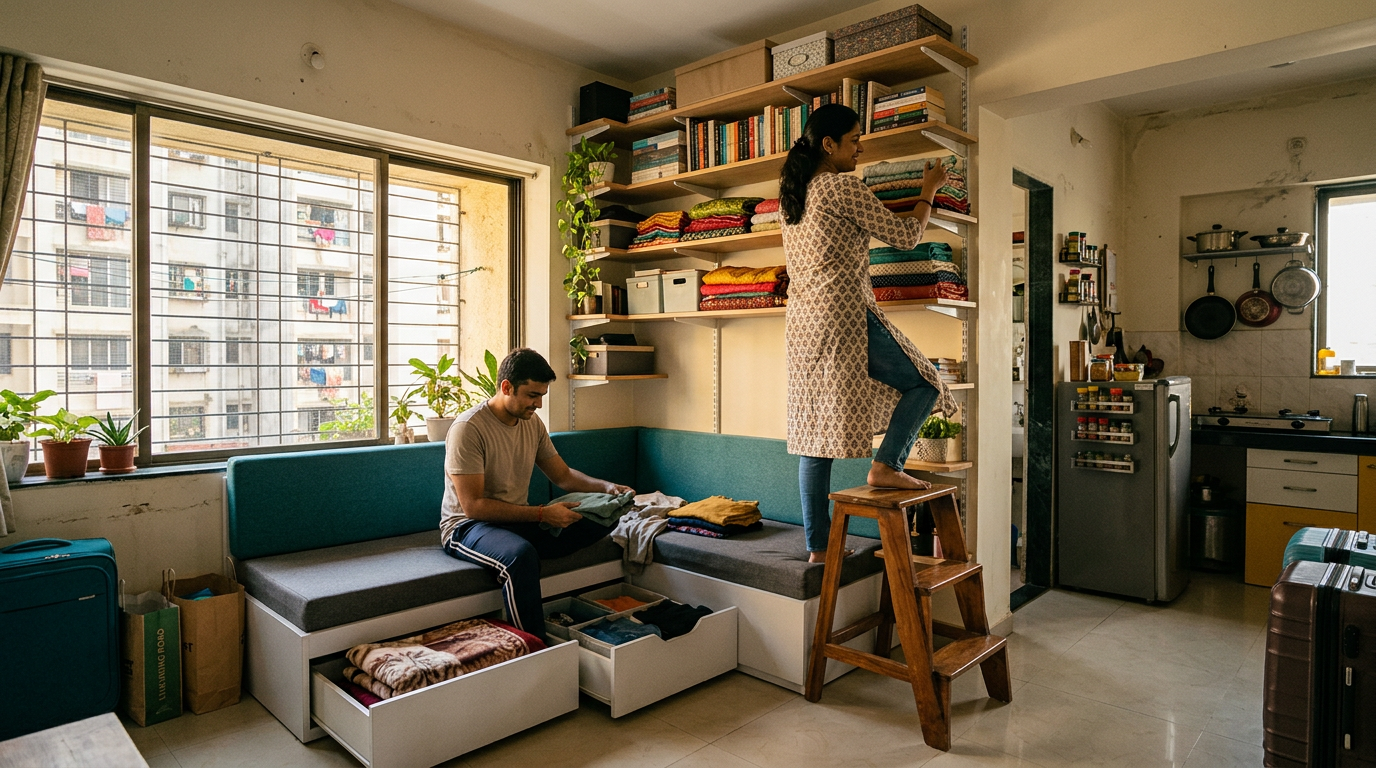
Smart Small Apartment Storage Ideas for Mumbai Homes
Struggling with space in your Mumbai apartment? Our guide offers practical and stylish small apartment storage ideas, from vertical solutions to multipurpose furniture, perfect for any 1BHK.
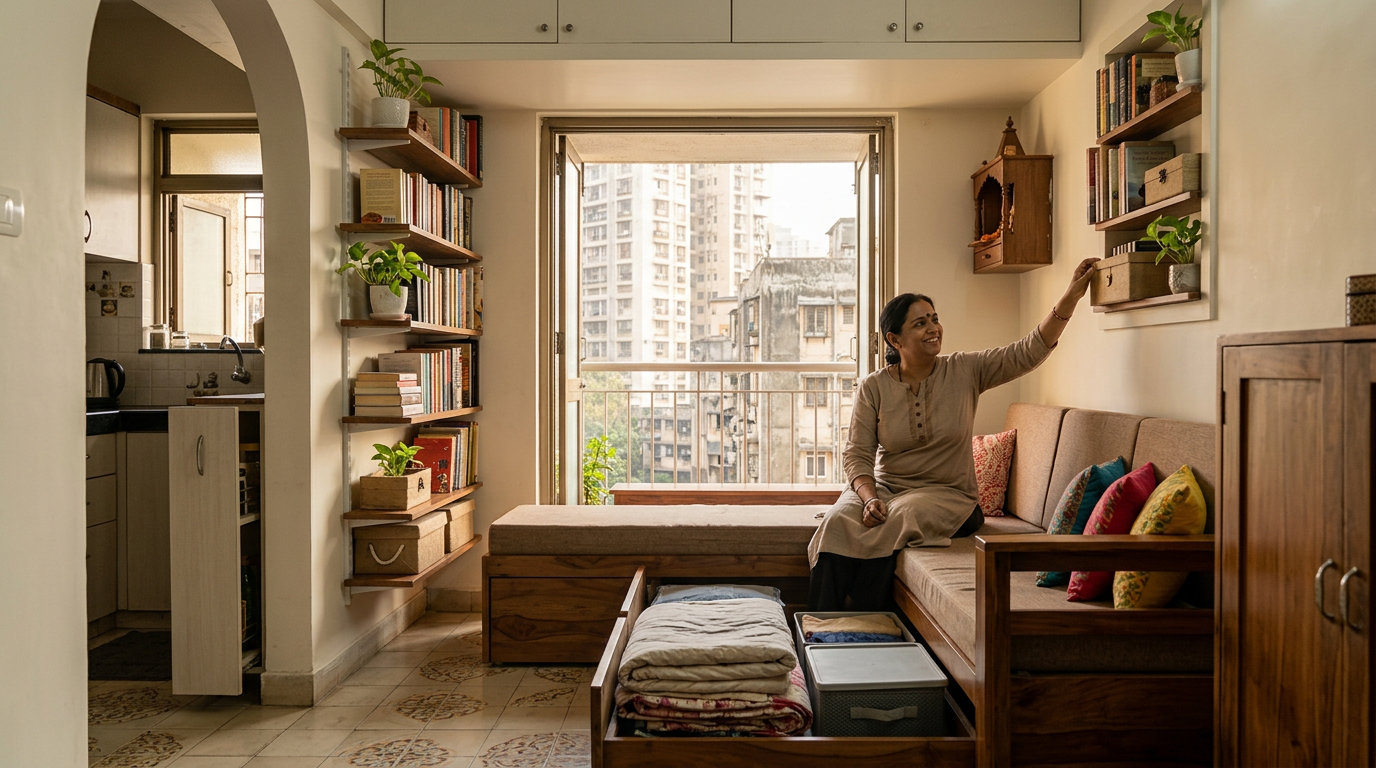
Smart Storage Ideas for Small Mumbai Apartments
Living in the Mumbai Metropolitan Region means getting creative with space. Our guide offers ingenious small apartment storage ideas to help you declutter and maximize every square foot of your home.