How to Spot AI Generated Images: A Mumbai-Focused Guide
Is that viral photo of a flooded Bandra street real? Our Mumbai-focused guide teaches you how to spot AI-generated images by checking for weird hands, garbled text, and other digital red flags.
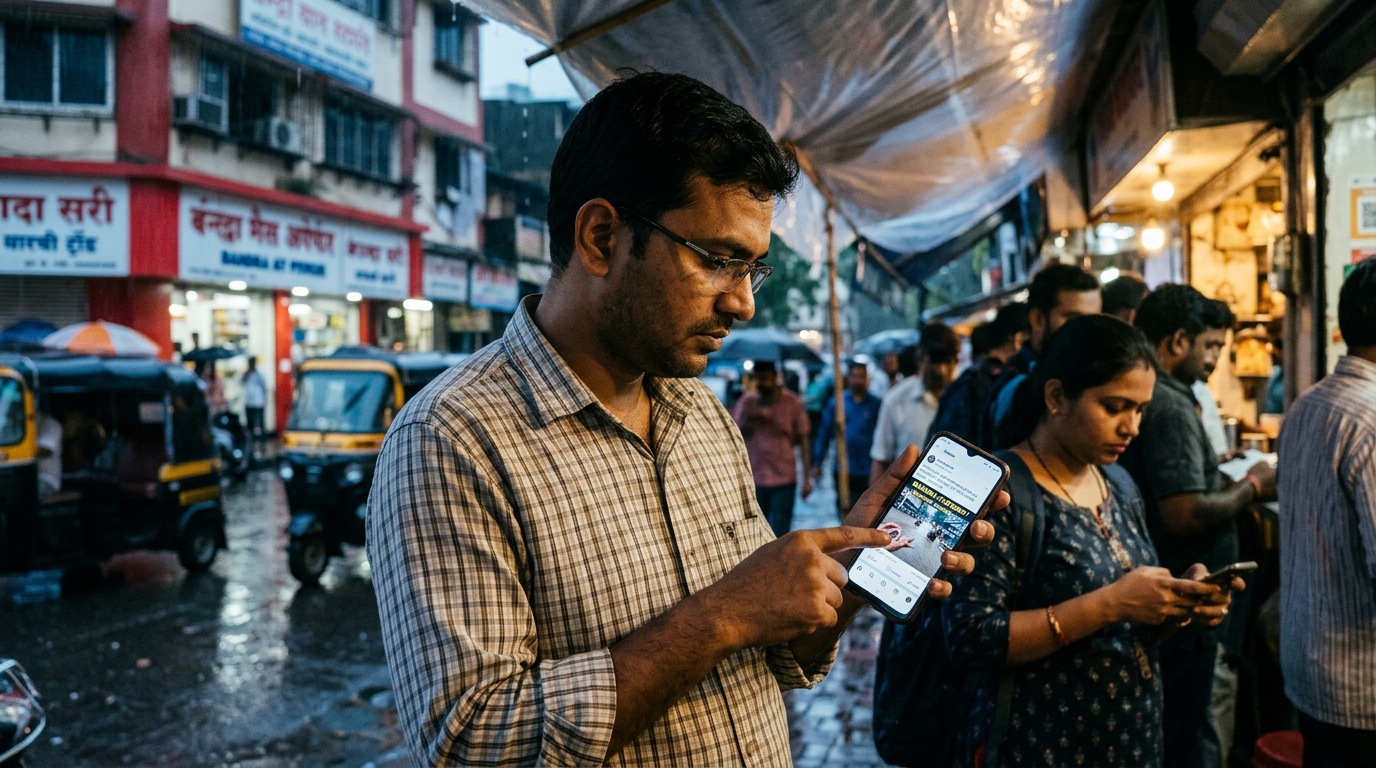
How to Spot AI-Generated Images: A Mumbai-Focused Guide
That stunning photo of a bioluminescent tide at Juhu Beach just popped up on your feed. The water glows an electric blue, the moon is perfectly full, and there isn't a single piece of litter in sight. It looks incredible... maybe a little too incredible. As generative AI tools become more common, our digital world, from WhatsApp groups in Thane to Instagram feeds in Bandra, is being flooded with hyper-realistic fakes. Knowing how to spot AI generated images is no longer a niche skill for tech experts; it’s essential digital literacy for every Mumbaikar navigating the daily flood of online content.
Why This Matters in the Mumbai Metropolitan Region
Misinformation spreads faster than a local train during peak hours, and AI-generated images are the new superfast express. In a city as dynamic and politically charged as Mumbai, the potential for misuse is significant. Imagine a fake image of a prominent politician at a controversial (and fabricated) event in Dadar circulating days before an election. Or consider the real estate market: a developer could use AI to create impossibly lush, green views from a new high-rise project in Panvel, misleading potential buyers who only see the online brochure. Even our beloved food scene isn’t immune. A new cloud kitchen in Andheri could use mouth-watering AI photos of dishes they can't actually replicate, leading to disappointment and negative reviews. The same technology that allows creative studios in Malad to dream up fantastical film posters can also be used to create convincing fakes that erode trust. Understanding the signs of digital manipulation helps us all remain critical consumers of information, whether it's a news story or a promotional image for a concert at the Jio World Centre.
The Classic Giveaway: Mangled Hands and Extra Fingers
When in doubt, check the hands. This is perhaps the most well-known and reliable method for spotting early to mid-generation AI images. For complex reasons related to training data and spatial understanding, AI models have notoriously struggled with the intricate anatomy of human hands. The results are often unsettling and are a dead giveaway once you know what to look for.
What to Examine:
- The Finger Count: The most obvious error is an incorrect number of fingers. You might see a person with six fingers, four fingers, or even fingers branching off other fingers.
- Unnatural Poses: Hands might be bent at impossible angles, palms might face the wrong way, or fingers could be unnaturally long and rubbery, like they have no bones.
- Morphed Appendages: Sometimes, a hand might appear to be melting into an object it's holding or blending into another person's arm in a crowd shot, perhaps at a festival in Kharghar.
Picture an AI image trying to replicate a classic Bollywood scene: a star waving to a crowd of fans from their Juhu bungalow balcony. In the AI version, that celebrity might be sporting a seven-fingered hand, or the fingers might blend together into a fleshy, undefined paddle. Similarly, an AI-generated image of a bustling scene at Crawford Market might show a vendor with a hand that seems to phase through the fruit they are selling. It’s these small, anatomically incorrect details that betray the digital artist's non-human nature.
Inconsistent Lighting, Reflections, and Shadows
The Mumbai sun casts a specific, hard light. Reflections on the glass facades of BKC buildings behave in predictable ways. Shadows stretch across the Marine Drive promenade as evening approaches. Our brains are subconsciously trained to understand these rules of light and physics. AI generators, however, often are not. They are notorious for creating scenes where the lighting is just... off.
When you're scrutinizing a suspicious image, play detective and analyze the light. Look at a supposed photograph of the Bandra-Worli Sea Link. Are the shadows cast by the cars all falling in the same direction, consistent with a single light source like the sun? Or are some shadows pointing one way and others another? Check the reflections. If it's a shiny new car parked in front of a cafe in Powai, does the reflection in the car's window or body accurately show the surroundings? AI often fails here, creating warped, nonsensical reflections or omitting them entirely. Another classic error is a mismatch between a person and their background. An image might show a person brightly lit from the front, yet the background, say the Gateway of India at dusk, is dark and moody. This kind of lighting conflict suggests the person was generated and placed into a separate background image without proper integration.
Weird Backgrounds and Melting Details
AI models are great at focusing on the main subject of an image. The background? Not so much. This is where you can often find a treasure trove of digital weirdness. If you suspect an image is AI-generated, stop looking at the main subject and instead scan the periphery. What do you see in the crowd, on the walls, or in the distance?
Imagine an image of a stylish person posing at a trendy cafe in Colaba. The person in the foreground might look perfect, but the people at the tables behind them might have distorted, blurry faces. You might see two heads sharing one body or an arm coming out of nowhere. The architectural details of the heritage buildings in the Fort area, famous for their intricate designs, could appear to melt into each other. A pattern on a tiled floor might start out uniform and then dissolve into a chaotic, nonsensical smudge. This 'melting' or 'smudging' effect is a hallmark of AI generation, where the algorithm 'loses interest' in rendering details it considers unimportant.
"AI is a pattern-matching engine. When it encounters something in the background that it doesn't have a clear pattern for, it improvises, and the results are often bizarre. It's in these improvisations—the gibberish text on a shop sign, the oddly shaped lamppost—that the artifice becomes clear." - An observation from a Mumbai-based digital artist.
The Uncanny Valley: Skin, Hair, and Eyes
There's a reason AI-generated people can feel 'creepy' or 'off', even when their hands and fingers look normal. This feeling is often described as the 'uncanny valley'—the point where something looks almost human, but a few subtle imperfections make it feel deeply strange. AI often creates faces and skin that are too perfect.
Common Uncanny Features:
- Flawless Skin: AI-generated skin often lacks the natural textures of real human skin. There are no pores, fine lines, minor blemishes, or subtle variations in pigment. Everyone has the impossibly smooth, airbrushed look of a cheap plastic doll.
- Symmetrical Perfection: Real faces are not perfectly symmetrical. AI models frequently generate faces that are unnervingly balanced, which our brains can register as artificial.
- Dead Eyes: The eyes might look glossy or glassy, and the reflections within them (the 'catchlights') can be inconsistent with the lighting in the scene. They may all be identical, even on multiple people in a crowd.
- Strands of Hair: While getting better, AI can struggle with hair. Individual strands might look like fine plastic threads, or a person's hair might merge unnaturally with their clothing or the background.
You might see this in a fake profile picture on a dating app being used by someone in Navi Mumbai, or in marketing materials for a new salon in Thane that uses AI models instead of real people. The perfection is the flaw.
Garbled Text and Illogical Patterns
Of all the things generative AI struggles with, coherent text is high on the list. While this is improving, it remains a reliable red flag. AI generators 'think' in pixels and patterns, not letters and language. When asked to create text, they often produce what looks like a written language from another dimension—it has the form of letters but no actual meaning.
Let's say you see a picture of a classic red BEST bus. Zoom in on the destination board. Does it clearly say 'WORLI DEPOT' or 'ANDHERI STN (E)'? Or does it display a string of garbled, nonsensical characters like 'WDRLIT DEPOOO' or 'ANRIIIE SNN (F)'? Look at a storefront in a generated image of a busy street in Dadar. The main brand name might be somewhat legible, but smaller text on posters or signs in the window will likely be gibberish. This applies to any text in an image:
- Book covers on a shelf
- Newspaper headlines
- Labels on products in a supermarket
- Street signs and license plates
Even patterns can be a giveaway. A saree with a complex print might look fine at first glance, but if you look closely, you might see the pattern break down, repeating incorrectly or morphing illogically as it wraps around the body. For more tips on digital safety, see our guide on [INTERNAL_LINK: how to secure your digital life in Mumbai].
Practical Steps: Reverse Image Search and Other Tools
Beyond just using your eyes, there are practical tools you can use to verify an image's authenticity. The most powerful and accessible is reverse image search. It's a simple process that can often provide immediate answers.
Let's use a real-world Mumbai scenario. Your society WhatsApp group in Vashi is in a panic over a photo of a massive crocodile supposedly spotted in the creek near the local railway station. Before forwarding it, take these steps:
- Save the image: Download the suspicious photo to your phone or computer.
- Use a reverse image search engine: Go to Google Images and click the camera icon ('Search by image') or use a dedicated site like TinEye. Upload the photo you just saved.
- Analyze the results: The search engine will show you where else that image has appeared online. You might find that the 'Vashi crocodile' is actually from a news story in Florida from five years ago. Or, you might find no other versions of it, which, combined with some of the visual red flags we've discussed, could increase your suspicion that it's a unique AI creation.
- Check for AI detection tools: Several online tools claim to detect AI-generated images. You can upload a photo, and the service will give you a probability score. However, be aware that these tools are not foolproof. They are in a constant cat-and-mouse game with the AI image generators and can produce both false positives and false negatives.
The goal is to build a habit of questioning before sharing. A quick search can be the difference between spreading mindless panic and being a responsible, trusted source of information for your friends and community.
Conclusion: Your Digital Eyes
In a city that runs on information—from train schedules and traffic updates to political news and viral trends—being able to differentiate fact from digital fiction is crucial. The AI-generated images of Mumbai's monsoon looking like a fantasy water world are harmless fun. A fabricated image intended to spark social unrest or scam you out of your hard-earned money is not. Learning to spot the tell-tale signs—the six-fingered hands, the gibberish text on a BEST bus, the impossibly perfect skin—is a form of self-defense in the digital age. So, the next time you see an image that feels too good, too strange, or too perfect to be true, take a moment. Put on your digital detective hat. Look for the flaws. Do a reverse image search. By practicing this critical vigilance, we can all contribute to a more informed and less deceptive digital Mumbai. Now we want to hear from you. Have you spotted a convincing AI-generated image in a Mumbai context? Share your experience in the comments below and help others learn.
Keep reading
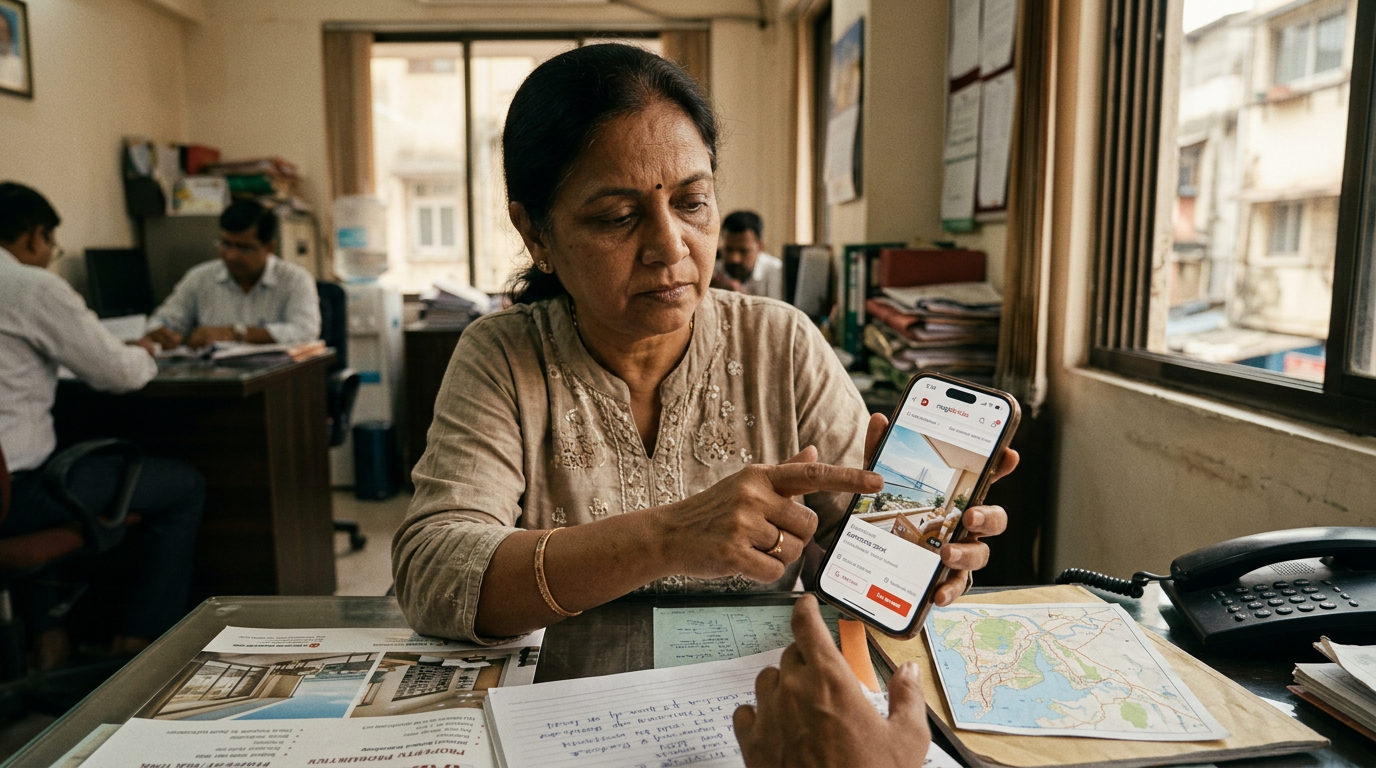
How to Spot AI Generated Images: A Mumbai Guide
From fake Powai apartment listings to too-perfect food photos from a Bandra cafe, AI fakes are everywhere. Here’s your guide on how to spot AI generated images in Mumbai.
Mumbai's Guide to the Best AI Productivity Tools for Professionals
In Mumbai's relentless hustle, staying ahead is key. This guide reveals the best AI productivity tools to automate tasks, manage projects, and reclaim your time, whether you're in BKC or Vashi.
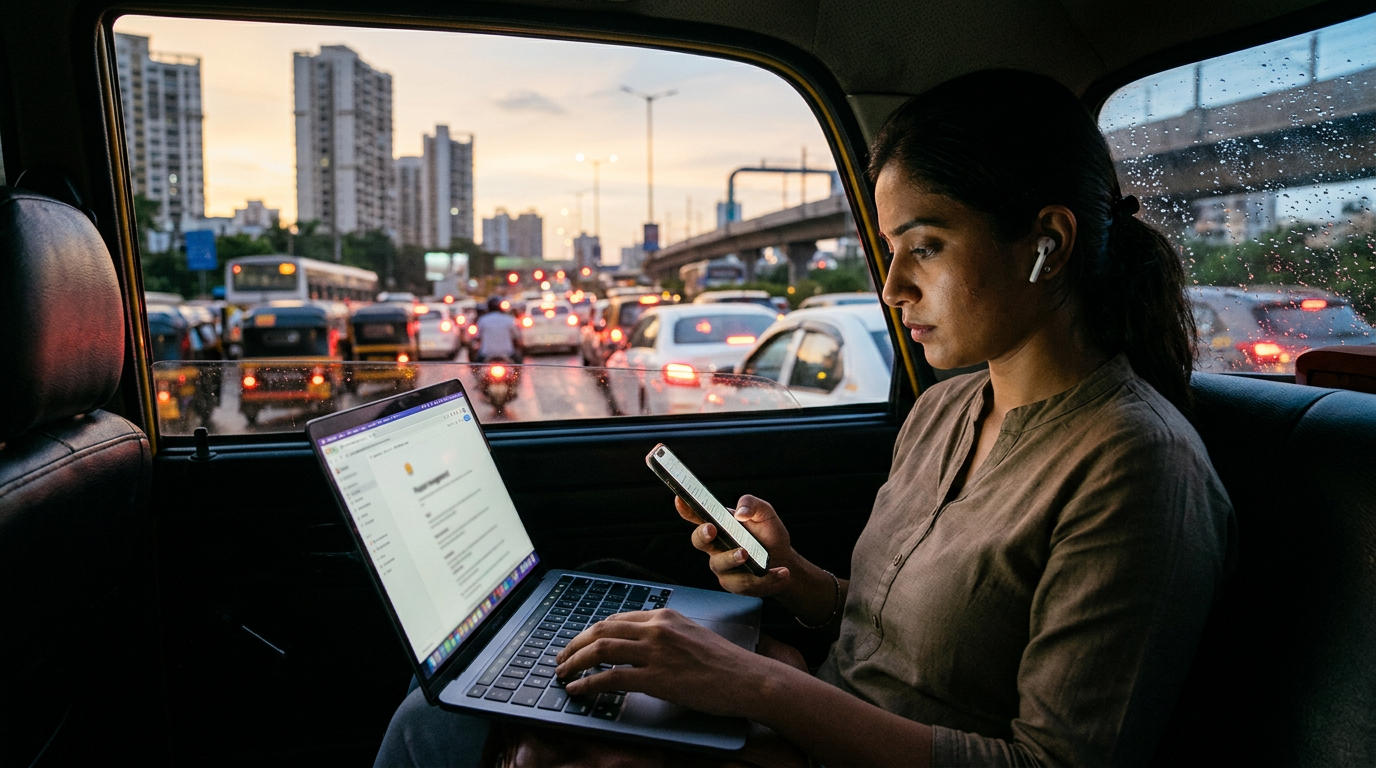
Best AI Productivity Tools for Mumbai & Navi Mumbai Professionals
Tired of the Mumbai grind? We review the best AI productivity tools that can help professionals from Bandra to Belapur save time, streamline tasks, and conquer their to-do lists.