
The Best Note Taking Systems to Conquer Mumbai's Chaos
Tired of losing brilliant ideas in the chaos of a Mumbai local? We break down the best note taking systems to help you organize your thoughts and boost your productivity.
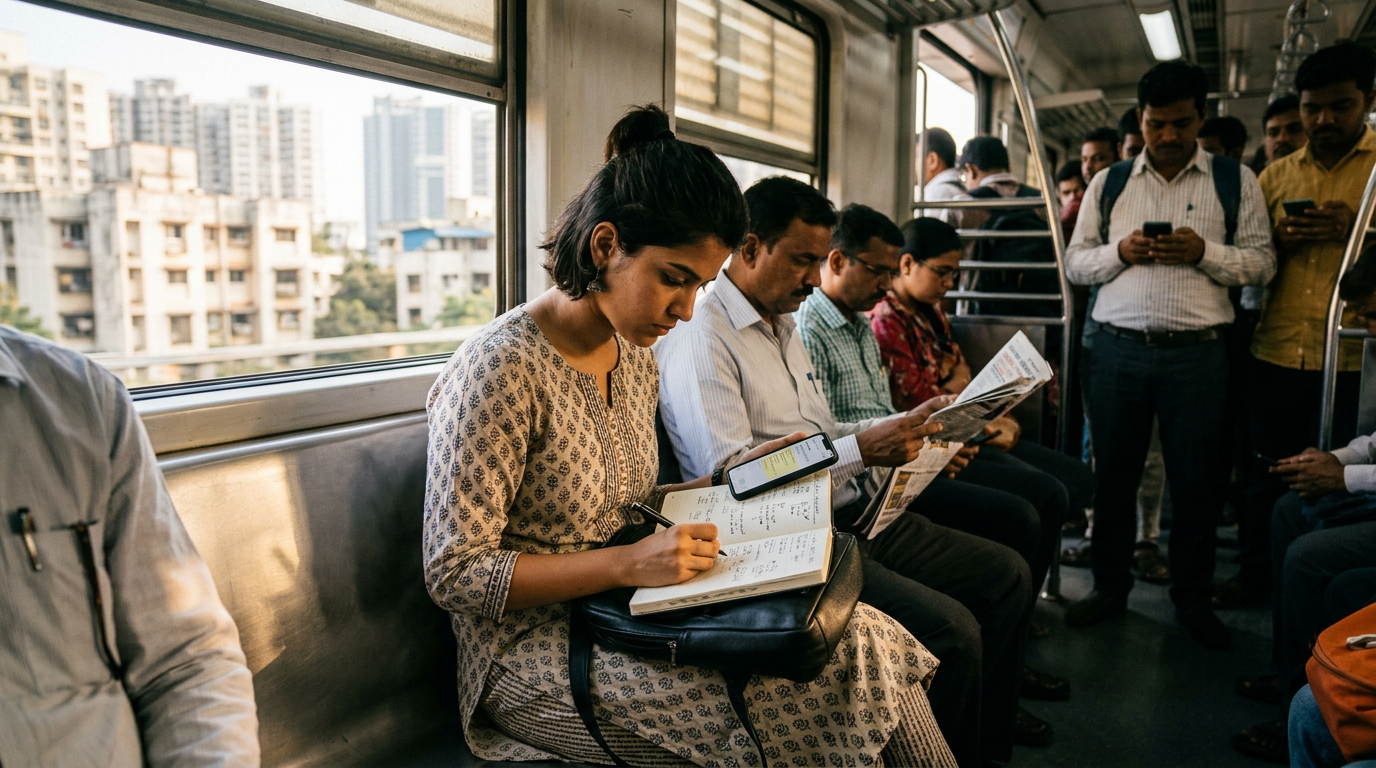
Conquering the Mumbai Hustle: Why Your Note-Taking Method Matters
It happens to the best of us. You’re on the 8:15 AM fast local from Thane, crammed between a dozen other dreamers and doers, when a game-changing idea for your startup strikes. You fumble for your phone, open a basic notes app, and type a cryptic phrase. By the time you reach your office in Andheri East, the idea is a faint echo, lost to the announcements, the crowd, and the morning rush. In a city that moves this fast, a simple list just doesn’t cut it. You need one of the best note taking systems, a framework designed not just to capture information, but to connect, organize, and retrieve it when it matters most.
From client feedback during a meeting in a Bandra Kurla Complex (BKC) high-rise to a flash of inspiration while sipping coffee at a café in Vashi, our days are a deluge of valuable information. Without a robust system, these fragments of genius get washed away in the daily monsoon of tasks and distractions. This guide is for every Mumbaikar and Navi Mumbaikar trying to build something meaningful amidst the beautiful chaos. We'll explore powerful note-taking frameworks that can be adapted to your life, whether you're a student at NMIMS, a freelancer in Powai, or a corporate warrior commuting from Kharghar.
The Zettelkasten Method: Weaving a Web of Ideas from Bandra to Belapur
Imagine your brain is a map of the Mumbai Metropolitan Region (MMR). An idea you had in a Bandra art gallery is a specific location. A client requirement from a meeting in Belapur is another. The Zettelkasten method, which translates to "slip-box," is like building the intricate network of local train lines, flyovers, and sea links that connect these disparate points into a coherent whole. It’s a system not for hoarding notes, but for connecting them.
Instead of long, rambling documents, you create short, atomic notes, each containing a single idea. Then, you explicitly link these notes together. For example:
- Note #1: While visiting the Kala Ghoda Arts Festival, you note how traditional Warli art patterns could be modernized for digital interfaces. You tag it #Art #DesignInspiration.
- Note #2: A few weeks later, a tech client in Airoli mentions wanting a "unique, indigenous feel" for their new app's UI. You tag it #ClientBrief #UIUX.
- Note #3: You read an article about the rise of 'ethno-minimalism' in branding. You tag it #MarketingTrends #Branding.
Using a Zettelkasten-friendly app like Obsidian or Roam Research, you would then link Note #2 to Note #1 and Note #3. Suddenly, you have a fully-formed pitch: "Let's create a minimalist UI for your app inspired by modern Warli art, tapping into the ethno-minimalism trend." This method transforms your scattered thoughts into an interconnected web of knowledge, perfect for creatives, researchers, and strategists trying to find novel connections in the city's constant hum of information.
The Cornell Method: Acing Your Exams and Client Meetings
If the Zettelkasten is a creative web, the Cornell Method is the structured grid of Navi Mumbai's sectors. It's a highly organized system developed for effective learning and retention, making it perfect for students at Mumbai University or professionals attending workshops and seminars. All you need is a single sheet of paper (or a digital equivalent) divided into three sections.
How It Works on a Single Page:
- The Main Notes Area (Right Column): This is the largest section. During a lecture at St. Xavier's College or a client presentation at a WeWork in Goregaon, you take your detailed notes here. The key is not to be verbatim, but to capture the main points, examples, and concepts.
- The Cues/Questions Area (Left Column): After the session, you review your notes and formulate questions or keywords in this narrow left column that correspond to the information on the right. For example, if your notes detail a marketing funnel, the cue on the left might be "What are the stages of AIDA?"
- The Summary Area (Bottom Section): This is the crucial final step. You cover the main notes area and try to answer the questions from the left column. Then, you synthesize the entire page's content into a one- or two-sentence summary at the bottom. This forces your brain to process and condense the information, dramatically boosting retention.
This systematic approach makes studying for exams or preparing for a follow-up client meeting incredibly efficient. Instead of re-reading pages of messy notes, you can simply scan the cues in the left column to quiz yourself, ensuring the information is truly locked in.
Bullet Journaling (BuJo): Your Analog Escape on the Mumbai Local
In a world of constant notifications and pings, the Bullet Journal, or BuJo, offers a mindful, analog sanctuary. It's an infinitely customizable system that combines a to-do list, planner, and diary, and it’s particularly well-suited for the tangible reality of Mumbai life. Your only tools are a notebook and a pen, making it a perfect companion for your daily commute from Virar to Churchgate, where spotty internet can render digital apps useless.
"My Bullet Journal is my command centre. It’s where I track my freelance projects, brainstorm content ideas while stuck in traffic on the Western Express Highway, and even log the best vada pav spots I discover. It’s a physical record of my hustle and my life in this city." - A Mumbai-based Creative Director
The core of the system lies in "rapid logging." You use different symbols for tasks (•), events (○), and notes (–). You can create custom sections, or "Collections," for anything you want. For a Mumbaikar, this could be:
- A Commute Tracker: Logging departure and arrival times to find the least crowded train patterns.
- Monsoon Prep Checklist: A list of things to buy or fix before the rains hit.
- Weekend Getaway Planner: Ideas and budgets for trips to Lonavala, Karjat, or Alibaug.
- Expense Log: Keeping an eye on those daily cutting chai and auto-rickshaw expenses, which can add up to a surprising amount, maybe over ₹3,000 a month.
The beauty of BuJo is its flexibility. You can find beautiful notebooks at stores like Crossword or Title Waves in Bandra, or a simple, sturdy ₹100 journal from a local stationery shop in Matunga. It’s about creating a system that reflects your brain and your unique Mumbai journey.
The P.A.R.A. Method: Digitally Organizing Your Life Like a Planned City
If the organic chaos of a Bullet Journal feels overwhelming, the P.A.R.A. method by Tiago Forte might be your answer. It’s a simple, powerful system for organizing your entire digital life, from project files to random articles you want to read later. Its clean, hierarchical structure feels a lot like the planned, sectoral layout of Navi Mumbai itself—logical, efficient, and easy to navigate.
P.A.R.A. stands for Projects, Areas, Resources, and Archives. You organize all your digital information, whether in Evernote, Notion, or just your computer's folders, into these four top-level categories.
The Four Foundational Folders:
- Projects: These are short-term efforts with a clear goal and a deadline. Examples: 'Finalize Q4 Marketing Budget,' 'Plan Diya's Birthday Trip to Goa,' 'Complete UX Design for ABC App.' A project has a start and an end.
- Areas: These are long-term responsibilities or spheres of your life that you need to maintain. They don't have an end date. Examples: 'Health & Fitness,' 'Personal Finances,' 'Professional Development,' 'Apartment Management.'
- Resources: This is a library of topics you're interested in or curious about. It's for future reference, not tied to any specific project or area. Examples: 'Interior Design Ideas,' 'Stock Market Investing Articles,' 'Mumbai Theatre Events,' 'Sourdough Baking Recipes.'
- Archives: This is where inactive items from the other three categories go. Once you complete a project, or an area is no longer relevant, you move it to Archives. This keeps your active workspace clean and focused.
For a freelance web developer living in Kharghar, this system is a lifesaver. 'Client Project - Acme Corp' goes in Projects. 'Skill Development - Learning React Native' goes in Areas. A collection of cool web design articles goes in Resources. Once the Acme Corp project is paid for and delivered, the whole folder moves to Archives. It's a dynamic system that brings order to the digital clutter that defines modern work.
Digital vs. Analog: Choosing Your Weapon in India's Financial Capital
The debate between digital and analog note-taking is a personal one, with pros and cons on both sides, especially in a city like Mumbai. Your choice depends entirely on your workflow, environment, and personal preference.
The Case for Digital (Notion, Evernote, Obsidian)
Digital tools are powerful. They are searchable, accessible across devices, and perfect for collaboration. A team with members in Powai, Thane, and Worli can work on a shared Notion document in real-time. You can embed links, images, and documents, creating rich, multimedia notes. For a data analyst or a software developer, the ability to search thousands of notes instantly is non-negotiable. The downside? They can be expensive (premium subscriptions can run from ₹250 to ₹800 per month), prone to distraction (hello, Twitter tab), and useless without battery or an internet connection—a real problem during a sudden power cut in the suburbs or on a patchy network.
The Case for Analog (Notebooks, Index Cards, Planners)
A pen and paper are distraction-free. The physical act of writing has been shown to improve memory and comprehension. A good notebook, maybe a Moleskine or a cheaper alternative from a local store, feels personal. It’s reliable—it never runs out of battery and is surprisingly resilient. In Mumbai's infamous monsoon, a "Rite in the Rain" waterproof notebook might be a smarter choice than a delicate tablet. The main drawback is that analog notes are not easily searchable, can be lost or damaged, and sharing them involves the cumbersome process of taking a photo. It’s about trade-offs: the infinite canvas of digital versus the focused, tactile experience of analog.
Perhaps the best solution is a hybrid one. Use a digital app like Notion for your P.A.R.A. system and collaborative work, but carry a small pocket notebook for quick captures on the go. You get the best of both worlds.
Making It Stick: A System is Only as Good as Your Commitment
Choosing one of the best note taking systems is only the first step. The real challenge is integrating it into your daily Mumbai routine until it becomes second nature. A perfect, complex system that you never use is far worse than a simple, imperfect one you use every day. Here’s how to make your new system stick.
- Start Small and Be Realistic: Don't try to build a life-encompassing Zettelkasten or a perfectly artistic Bullet Journal on day one. Start by committing to capturing just one or two important thoughts each day. Use the 15-minute ferry ride from Gateway of India to Mandwa or your 20-minute auto ride to the station as your dedicated 'note-processing' time.
- Link It to an Existing Habit: Habit-stacking is a powerful technique. Try this: "After I have my morning chai, I will spend 5 minutes reviewing my notes from yesterday." or "During my lunch break, before I open Instagram, I will process any new notes into my system." Linking the new behavior to an established one makes it easier to remember.
- Schedule a Weekly Review: This is the most critical step. Set aside 30 minutes every Sunday morning to go through your notes from the past week. This is when you organize, connect, and reflect on the information you've gathered. This review process is what transforms note-taking from simple data collection into a powerful tool for thinking and productivity. Check out some of our tips on [INTERNAL_LINK: weekend productivity routines for Mumbaikars].
- Forgive Yourself and Adapt: You will miss days. Your system will feel messy sometimes. That's okay. The goal isn't perfection; it's progress. If a system feels too cumbersome, simplify it. If a digital app is causing more distraction than focus, switch to a notebook for a week. The system should serve you, not the other way around.
Find Your Flow in the City of Dreams
Living and working in the Mumbai Metropolitan Region is a high-stakes, high-reward game. Your thoughts and ideas are your most valuable currency. Leaving them to chance or to a disorganized notes app is like leaving your wallet on a table at Leopold Cafe and hoping it’s there when you get back. Whether you choose the interconnected web of Zettelkasten, the academic rigour of Cornell, the creative freedom of Bullet Journaling, or the digital order of P.A.R.A., the goal is the same: to create a trusted space for your mind to offload, process, and create.
By implementing a system that resonates with your personal style and professional needs, you can turn the firehose of information into a wellspring of creativity and insight. You'll feel less overwhelmed, more in control, and better equipped to seize the countless opportunities this incredible city throws your way. So, pick a system, grab your tool of choice, and start building your external brain. If you need a great spot to focus, check out our guide to the [INTERNAL_LINK: best co-working spaces in Navi Mumbai].
What note-taking system helps you stay on top of your game in Mumbai? Share your tips and tricks in the comments below!
Keep reading
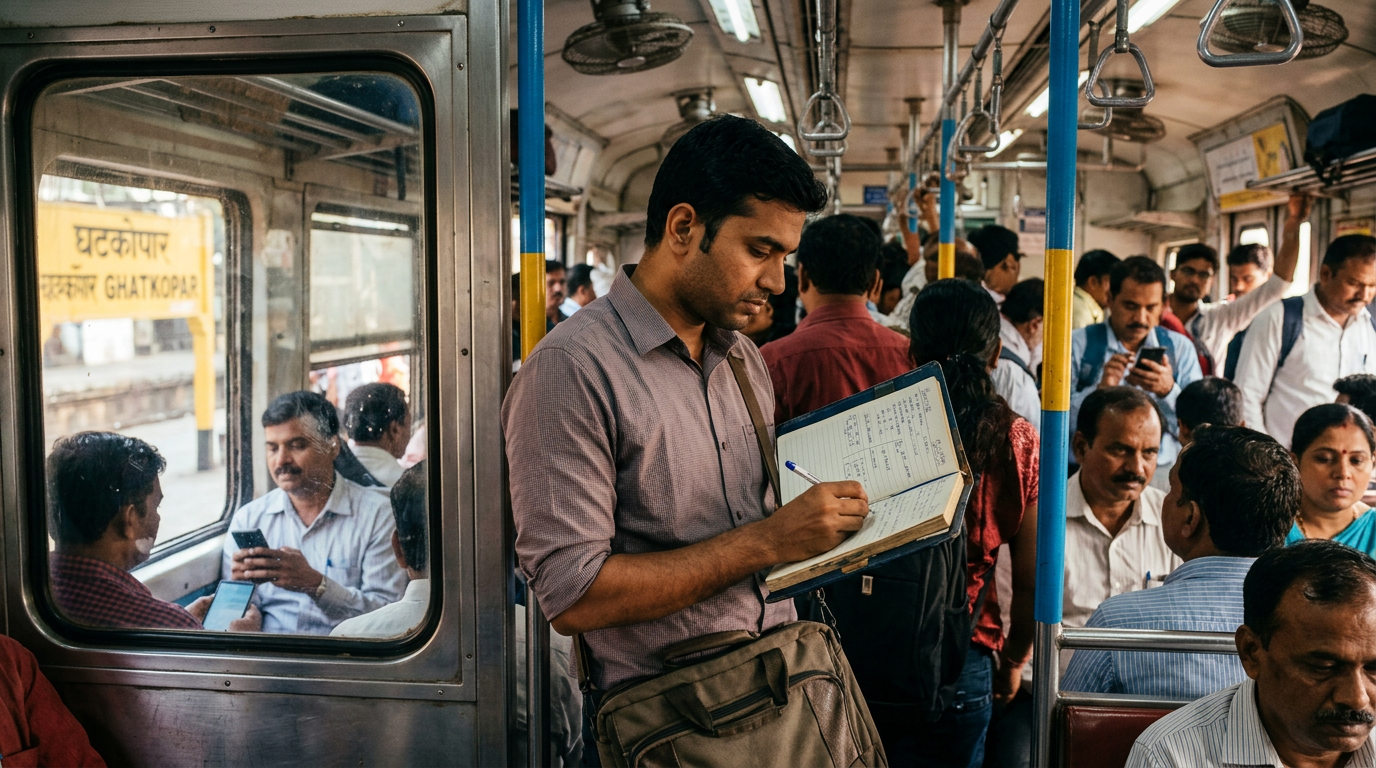
The Best Note-Taking Systems for Mumbai's Hustle Culture
Struggling to keep track of ideas amidst Mumbai's chaos? We break down the best note-taking systems, from digital tools for your commute to analogue methods perfect for a quiet coffee shop in Bandra.
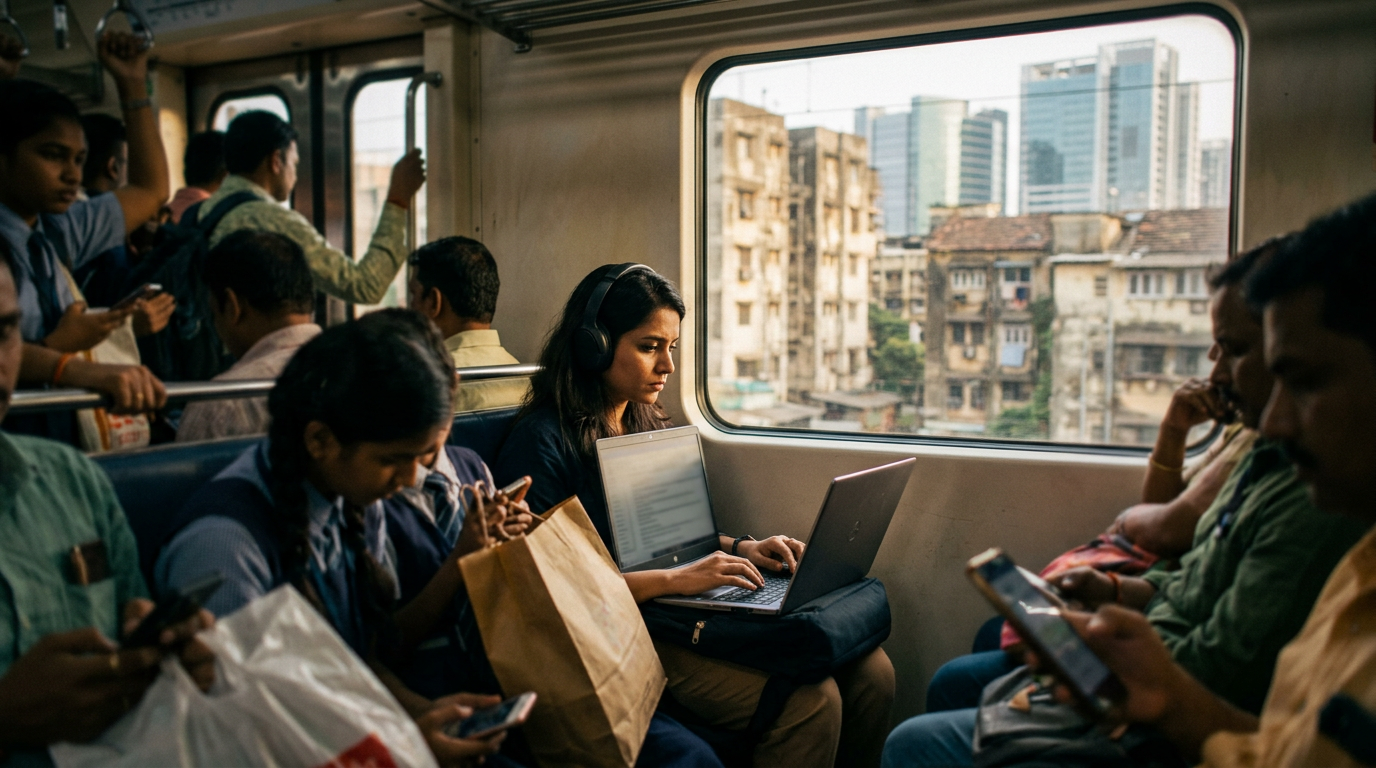
Deep Work Techniques for a Distracted Mumbai Mind
The constant buzz of Mumbai can shatter your focus. Discover powerful deep work techniques tailored for city life, helping you achieve more from your home in Thane to your office in BKC.

Deep Work Techniques That Actually Work in Mumbai
Is the constant hum of Mumbai killing your focus? From crowded locals to chaotic offices in BKC, we explore deep work techniques that help you thrive in the city that never sleeps.